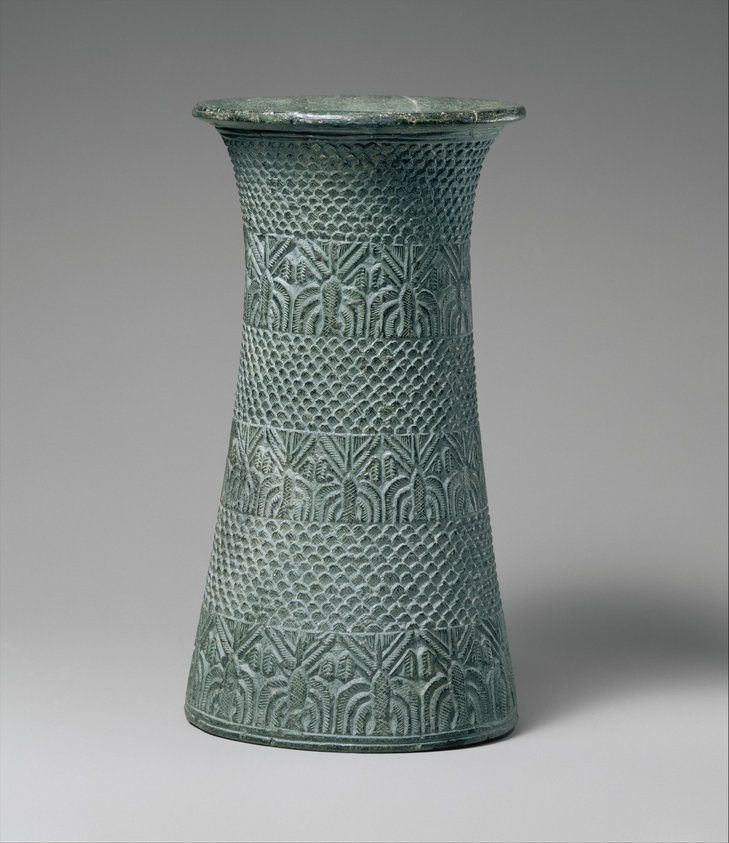
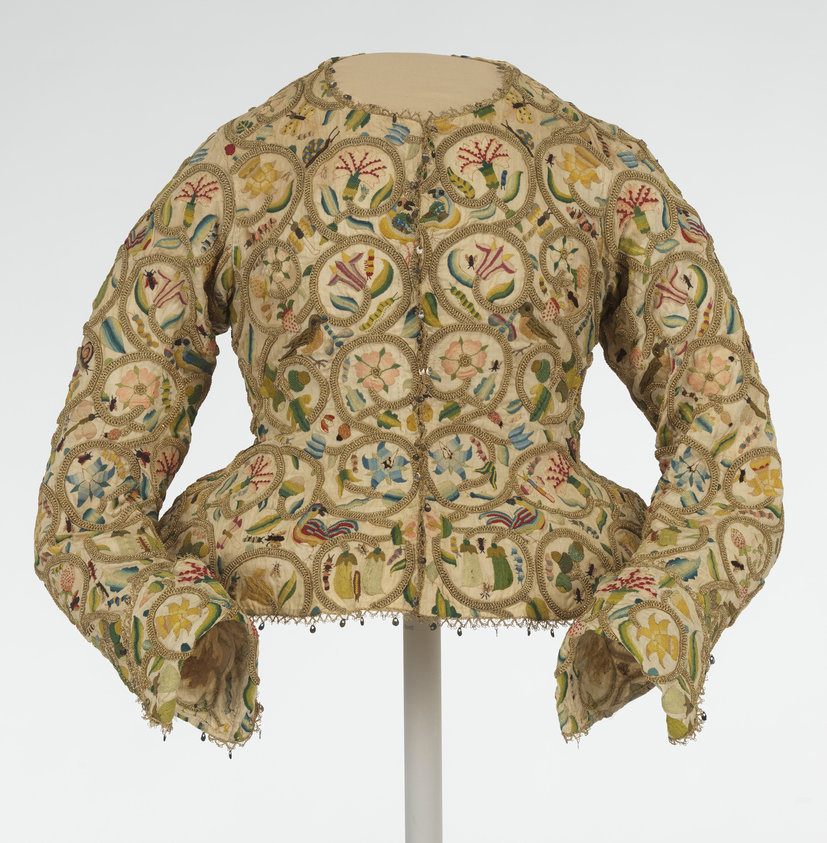
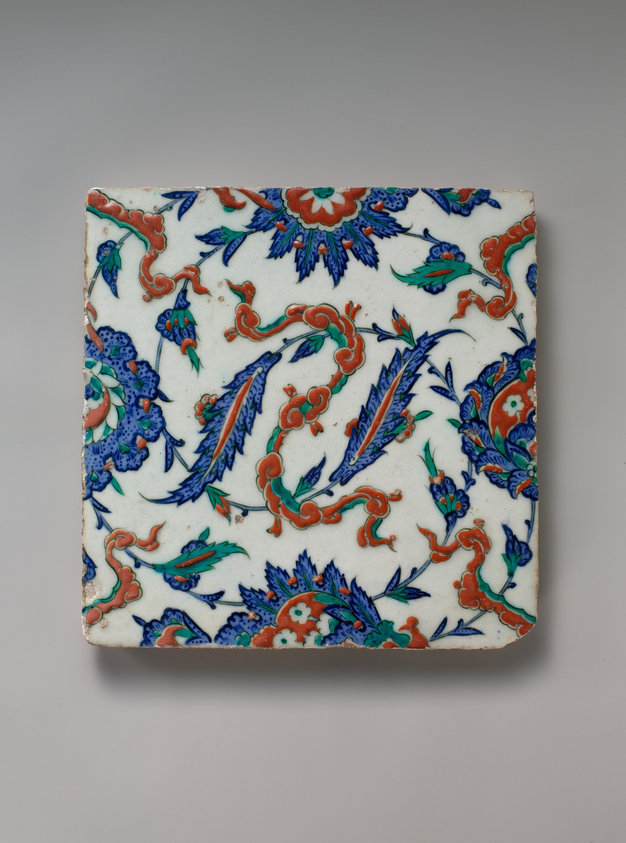
The Metropolitan Museum of Art

Founded in 1870 to bring art and art education to the American public, The Metropolitan Museum of Art now presents more than 5,000 years of art across The Met Fifth Avenue and The Met Cloisters. The works gathered here offer a small path through an encyclopedic collection—paintings, sculpture, photographs, decorative arts, armor, manuscripts, and objects made for daily and ceremonial life.
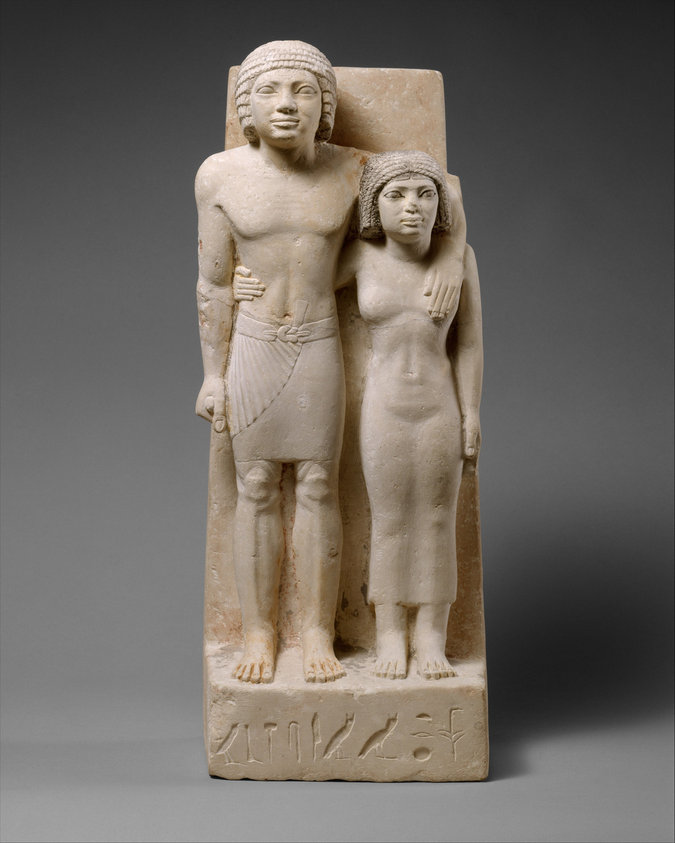
The King's Acquaintances Memi and Sabu
The King's Acquaintances Memi and Sabu, Old Kingdom, Dynasty 4, ca. 2575–2465 B.C. · The Metropolitan Museum of Art, New York

From an idea in Paris to Fifth Avenue

The Met began with a public purpose. Its roots reach to 1866, when Americans in Paris proposed a national institution devoted to art and education. The museum was incorporated on April 13, 1870, opened in the Dodworth Building at 681 Fifth Avenue, and acquired a Roman sarcophagus as its first object that November. After another temporary home, it opened at its present Fifth Avenue and 82nd Street site in 1880. The sequence is revealing: a civic idea, a collection, and a permanent public address were built together. The institution has expanded dramatically, but its founding aim—to bring art and art education to the American people—still provides a useful measure of what the museum is for.

An encyclopedic collection, read through objects
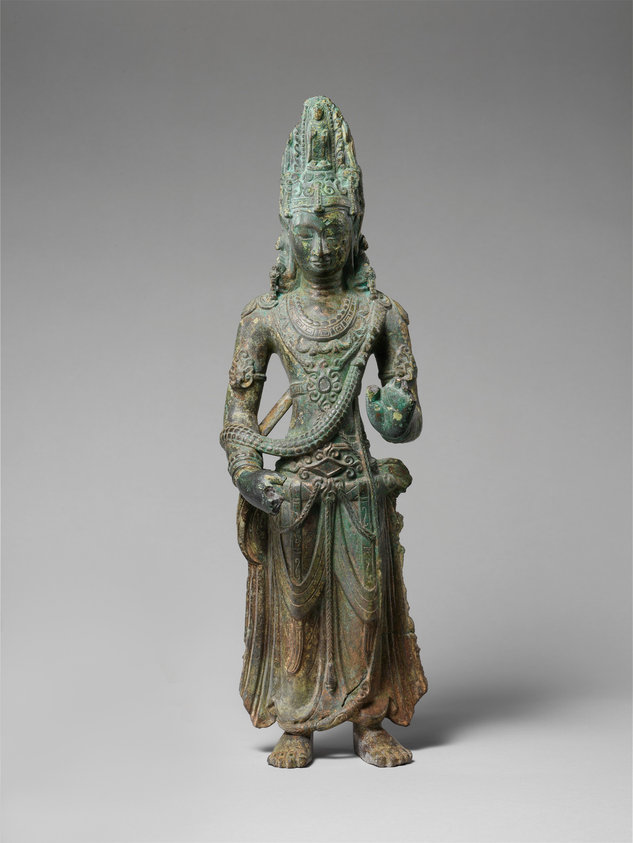
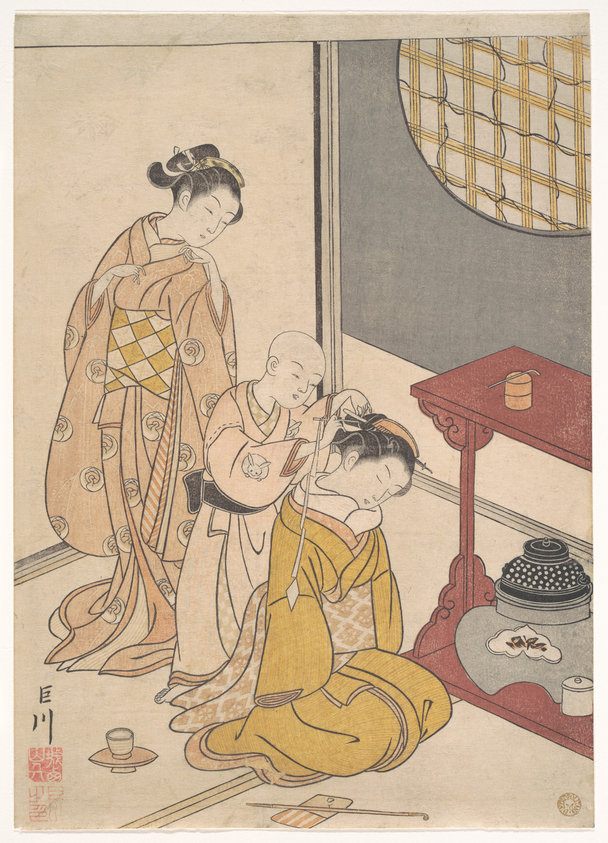
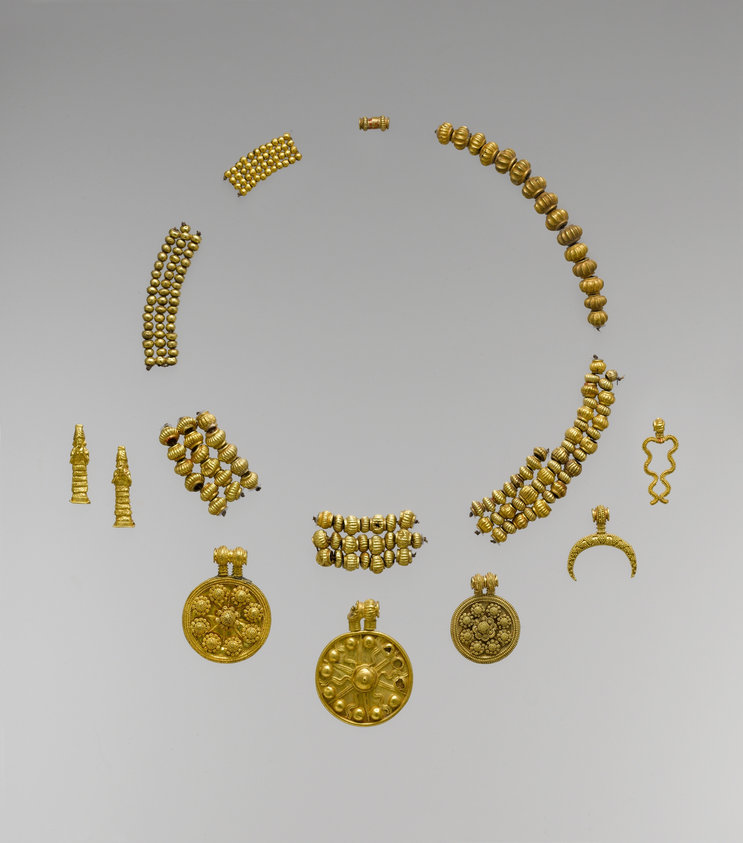
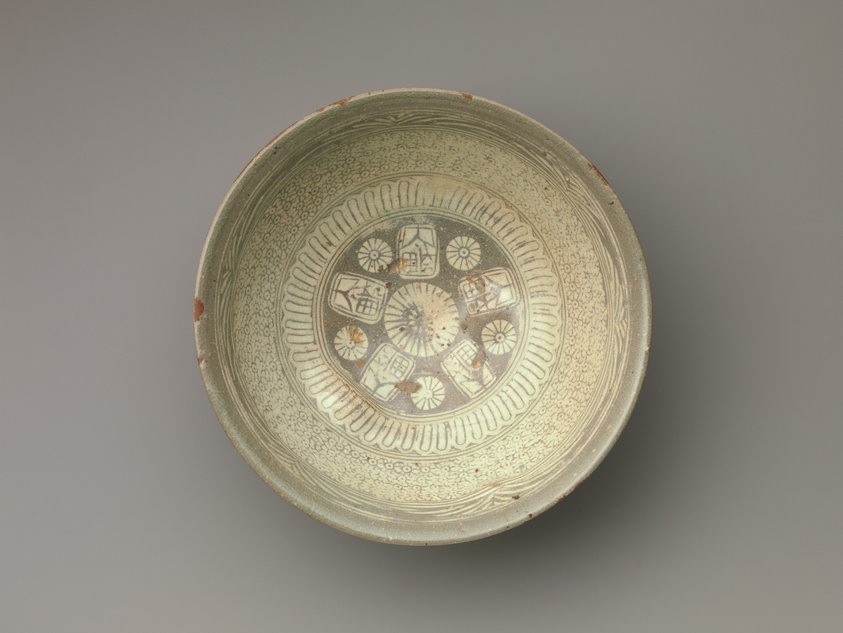
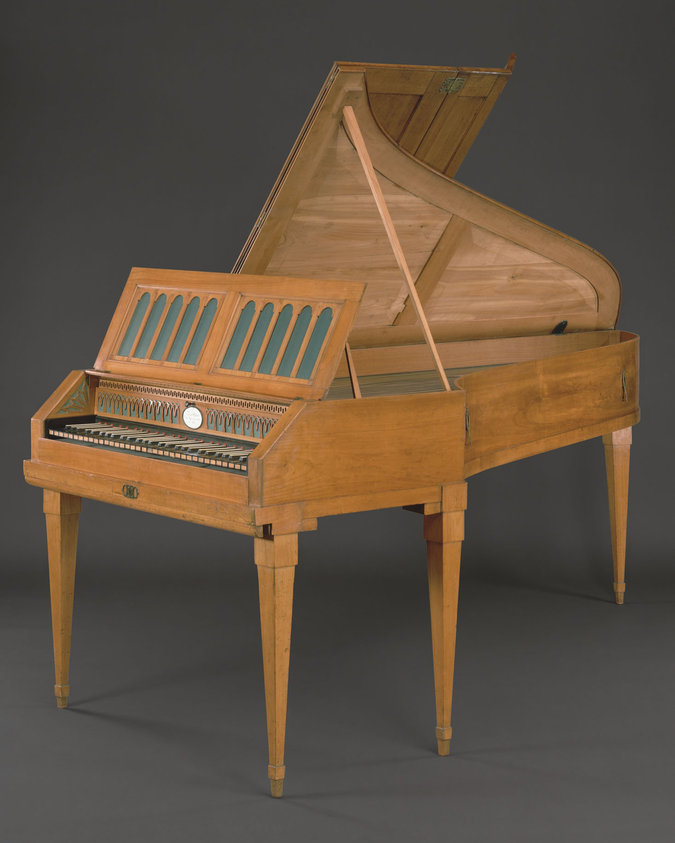
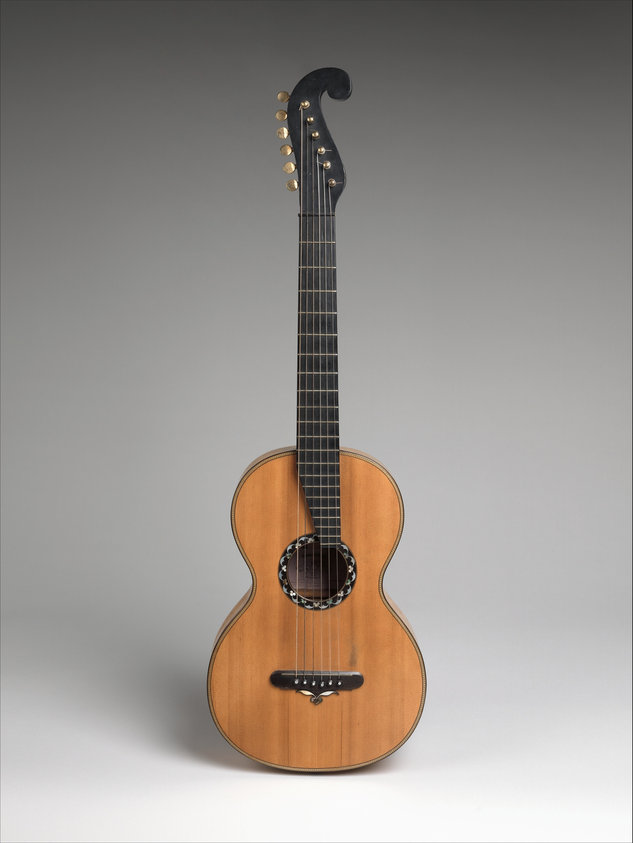
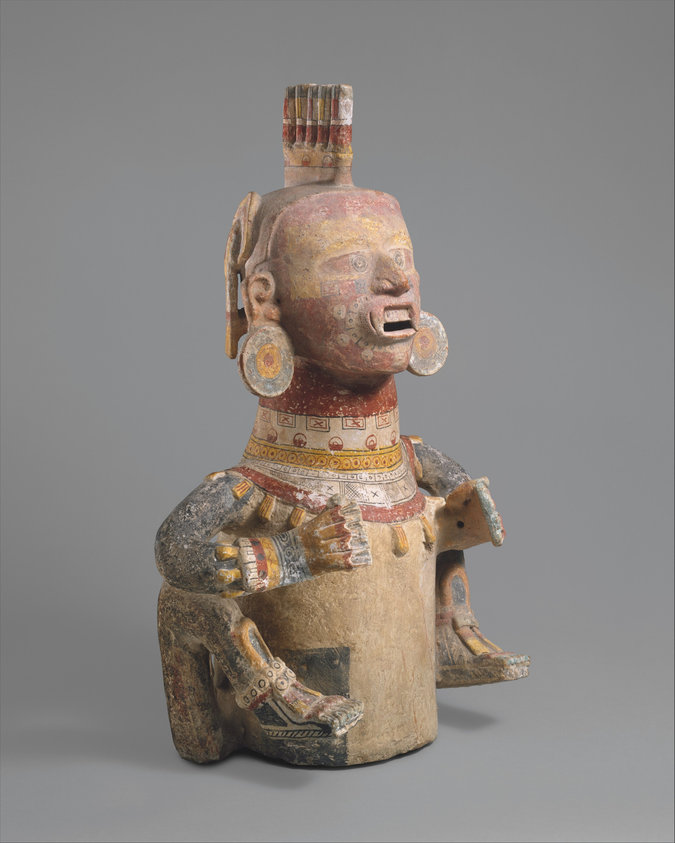
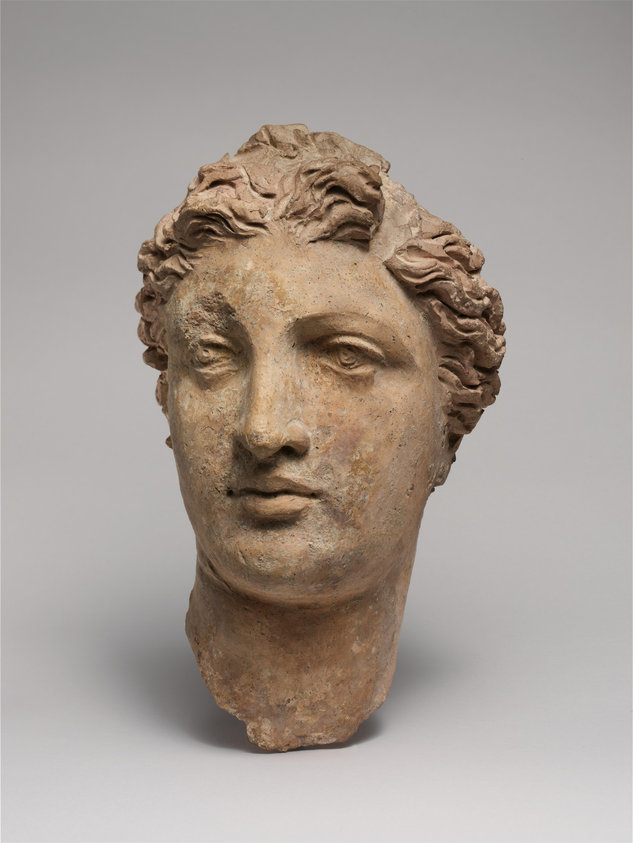
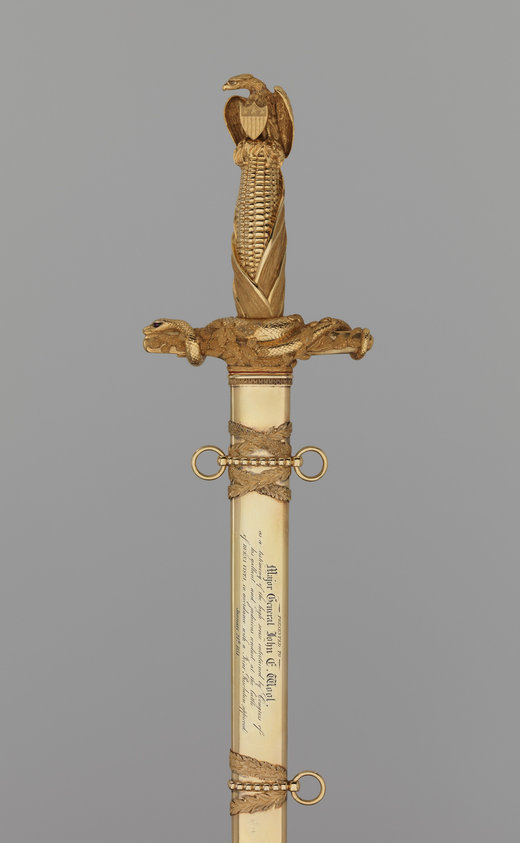
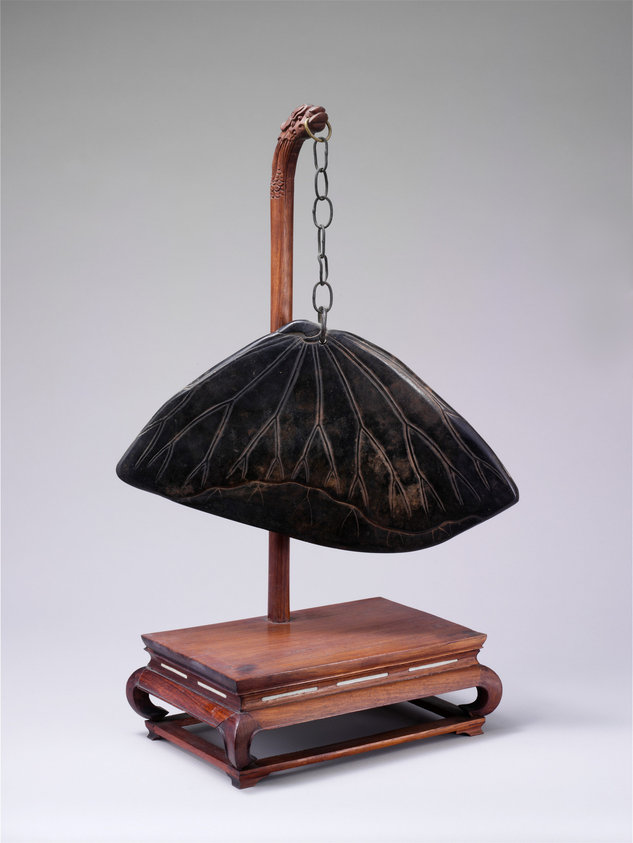
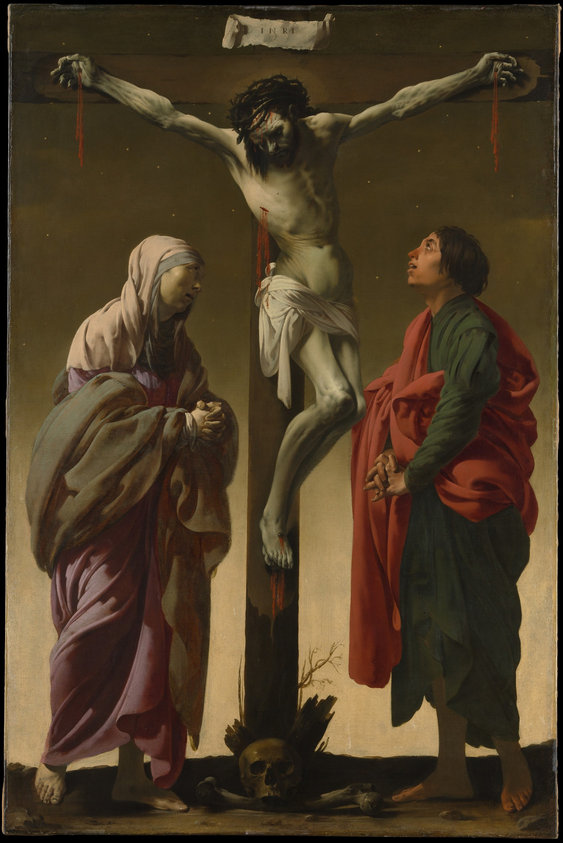
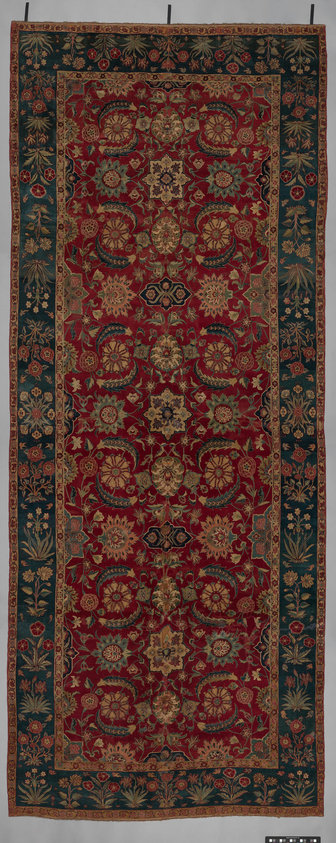
The museum describes a collection of more than 1.5 million objects spanning over 5,000 years of global history. That scale becomes meaningful one object at a time. A painted surface records the speed of a hand; a vessel preserves choices about clay, heat, and use; armor joins engineering to ceremony; a photograph fixes one instant while carrying the conditions of its making. Reading across departments can reveal recurring human concerns without flattening their differences. The selected works below are not a miniature canon or a list of required masterpieces. They are invitations to move between places, periods, materials, and purposes—and to notice how much each object asks us to learn about the world that produced it.
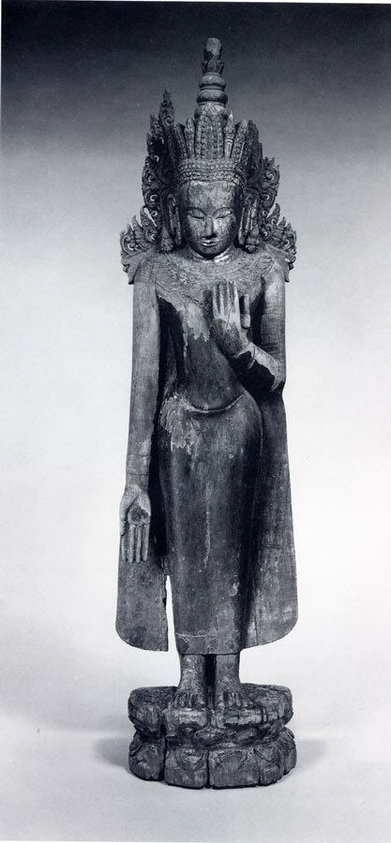
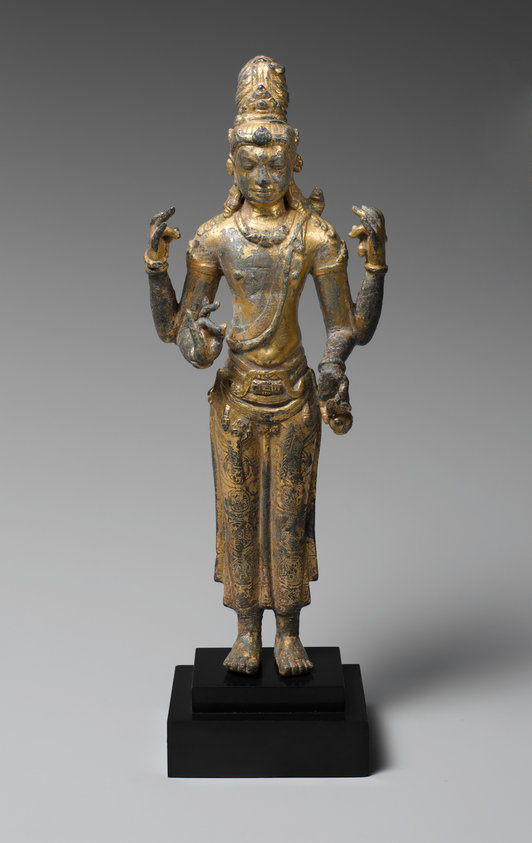
Standing Avalokiteshvara, the Bodhisattva of Infinite Compassion
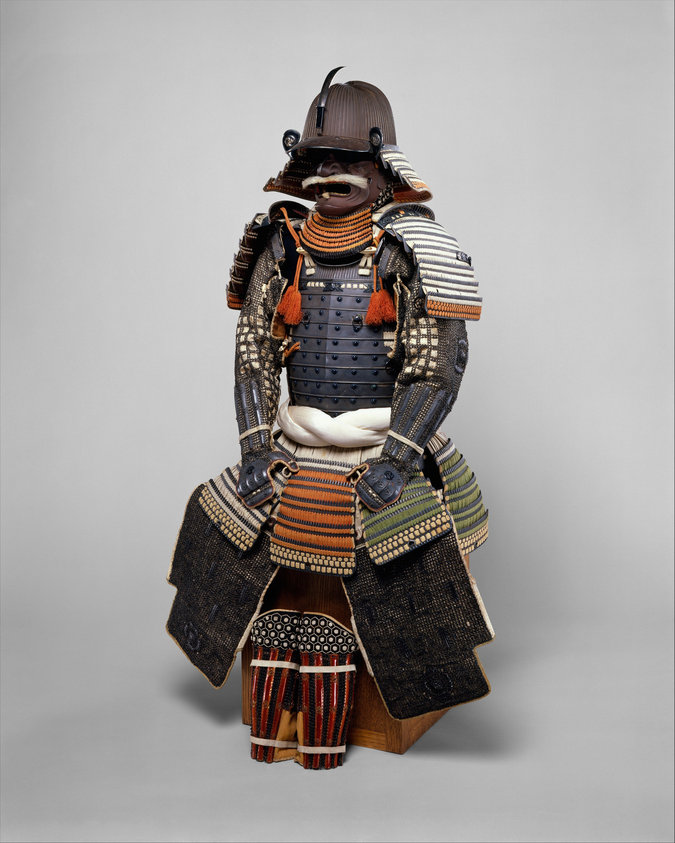
Armor (Gusoku)
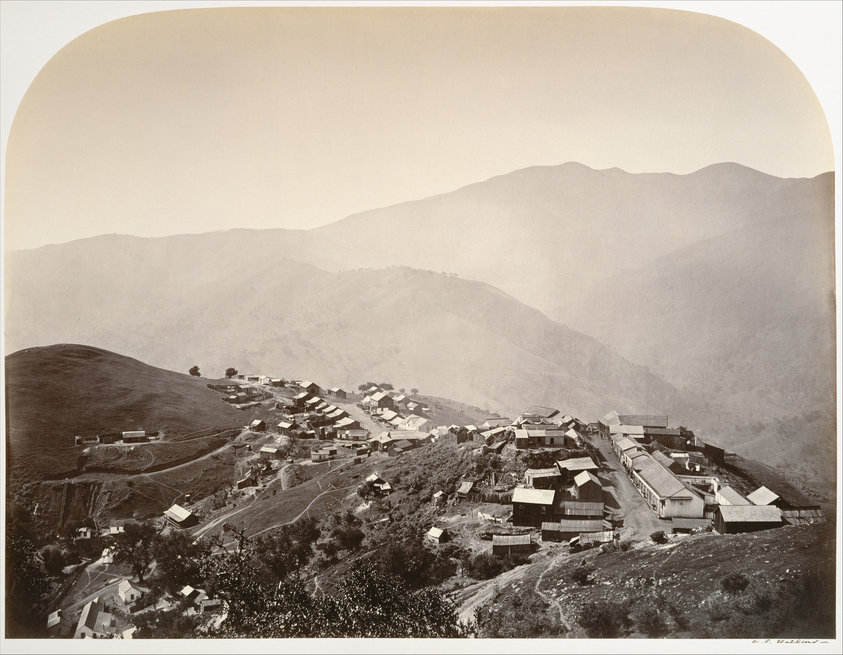
The Town on the Hill, New Almaden
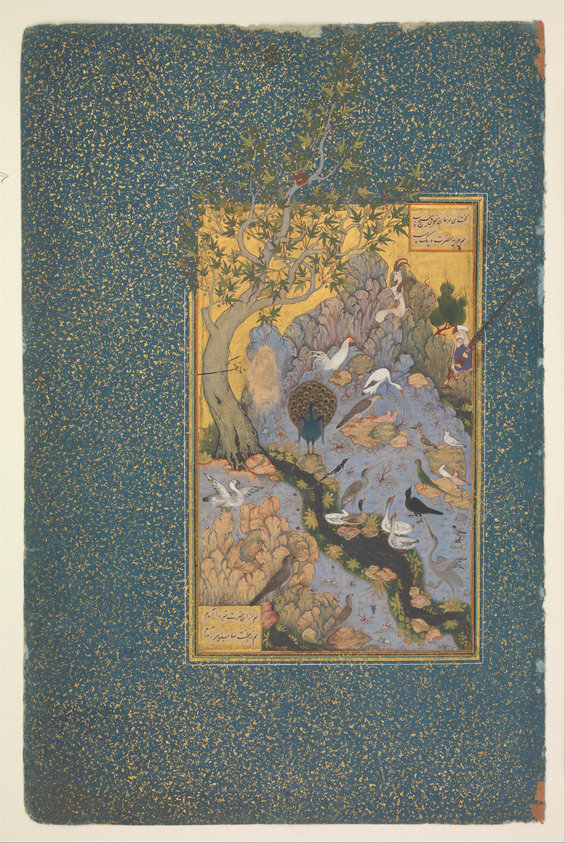
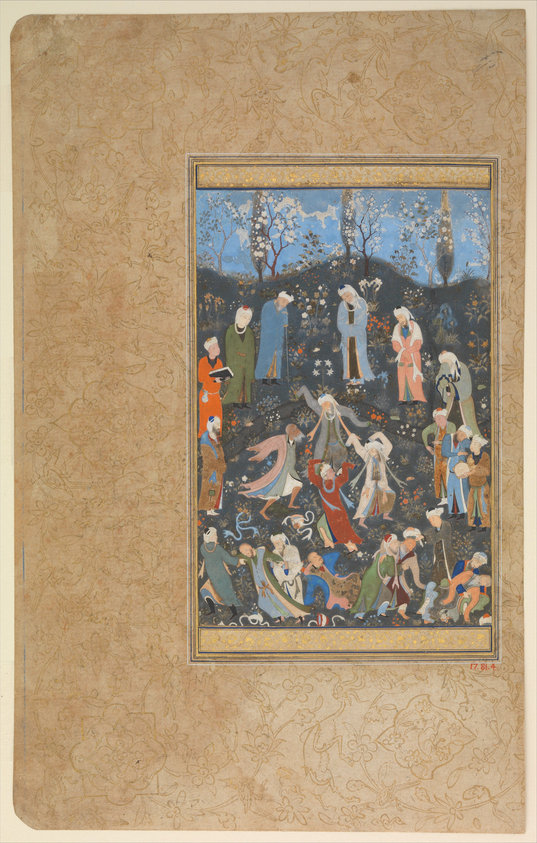
"The Concourse of the Birds", Folio 11r from a Mantiq al-Tayr (Language of the Birds)

Care, evidence, and changing knowledge
A museum collection is not static storage. At The Met, curators, conservators, and scientists collaborate to study, exhibit, and care for objects, while a dedicated provenance team systematically reviews the history of the museum’s holdings. Close examination can identify a material, reveal an earlier restoration, clarify how something was made, or change an attribution. Provenance research asks a different but equally important set of questions: where an object was, who owned it, and how it entered the collection. Public labels and catalog records are therefore snapshots of knowledge rather than final verdicts. They should preserve evidence, distinguish fact from interpretation, and remain open to correction as research advances.
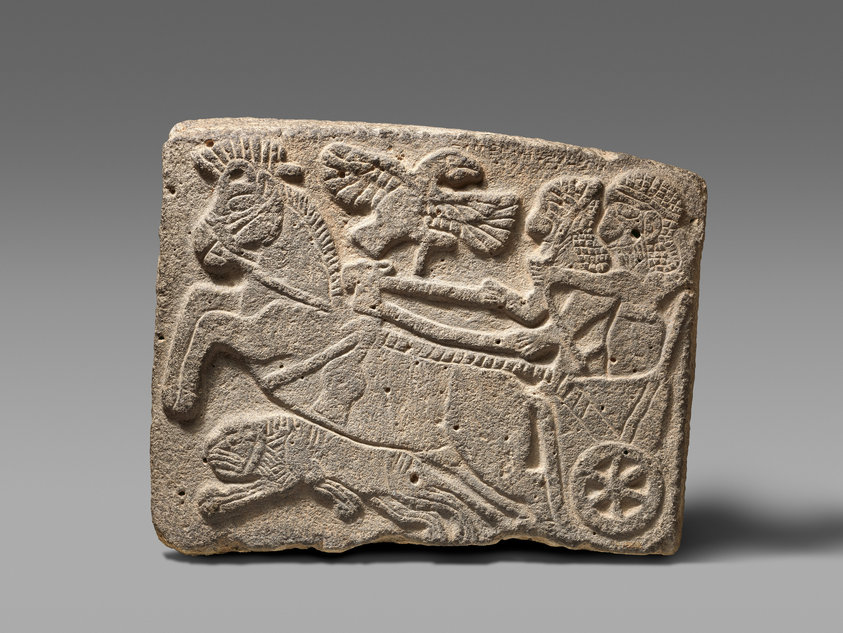
Orthostat relief: lion-hunt scene

Two sites, two ways of seeing

The institution lives in two New York sites. The Met Fifth Avenue places an encyclopedic collection within a vast sequence of galleries beside Central Park. The Met Cloisters, in Fort Tryon Park, is devoted to the art and architecture of medieval Europe. Its building incorporates architectural elements from medieval cloisters, while three reconstructed cloister settings include gardens informed by medieval treatises, poetry, documents, and herbals. The setting is interpretive rather than a copy of one historical building. Moving between the two sites changes the rhythm of looking: one encourages long crossings among cultures and periods; the other concentrates attention through architecture, landscape, and a more focused collection.
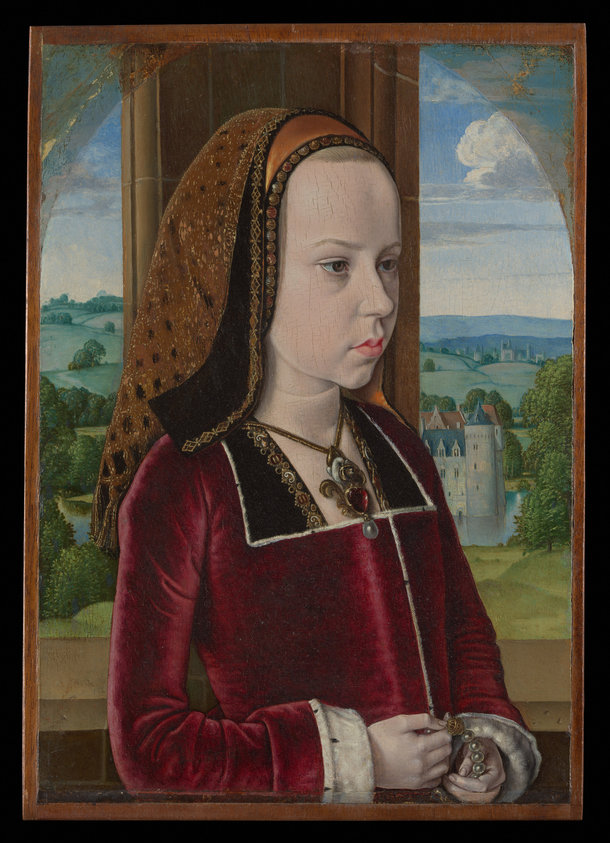
Margaret of Austria

The collection beyond the building

The Met’s public work extends far beyond its galleries. In February 2017, the museum launched an Open Access initiative that placed images of public-domain artworks and basic data about accessioned works under Creative Commons Zero, allowing unrestricted reuse. Its current Open Access hub offers more than 492,000 public-domain images. The Heilbrunn Timeline of Art History takes a complementary approach: Met experts connect objects through thematic essays and geographical and chronological histories. With more than 1,000 essays and 300 chronologies, the regularly updated publication turns collection records into a research and teaching resource. Open images, structured data, and sustained interpretation make different kinds of discovery possible—and allow a collection in New York to be studied, questioned, and remixed around the world.

Sources and further reading

  1. About The Met

    The Metropolitan Museum of Art

    Accessed August 04, 2026

    Mission, collection scale, research departments, provenance work, and the museum’s two New York sites.

  2. History of The Met

    The Metropolitan Museum of Art

    Accessed August 04, 2026

    Founding purpose, incorporation in 1870, the first public home and object, and the move to the current Fifth Avenue site in 1880.

  3. Medieval Art and The Cloisters

    The Metropolitan Museum of Art

    Accessed August 04, 2026

    The scope and setting of The Met Cloisters, its incorporated architectural elements, and its historically informed gardens.

  4. Open Access at The Met

    The Metropolitan Museum of Art

    Accessed August 04, 2026

    The 2017 Open Access initiative, CC0 reuse, and the current public-domain image collection.

  5. Heilbrunn Timeline of Art History

    The Metropolitan Museum of Art

    Accessed August 04, 2026

    The expert-authored thematic, chronological, and geographical publication, including its essay and chronology counts.

  6. Armor (Gusoku)

    The Metropolitan Museum of Art

    Accessed August 04, 2026

    Met catalog record for the eighteenth-century armor by Bamen Tomotsugu selected for this page.
Works