Ceramic
Clay starts soft, local, and reusable. Fire makes it permanent—hard yet breakable—and turns choices of body, hand, surface, and atmosphere into color, texture, and form.
Earth, made permanent
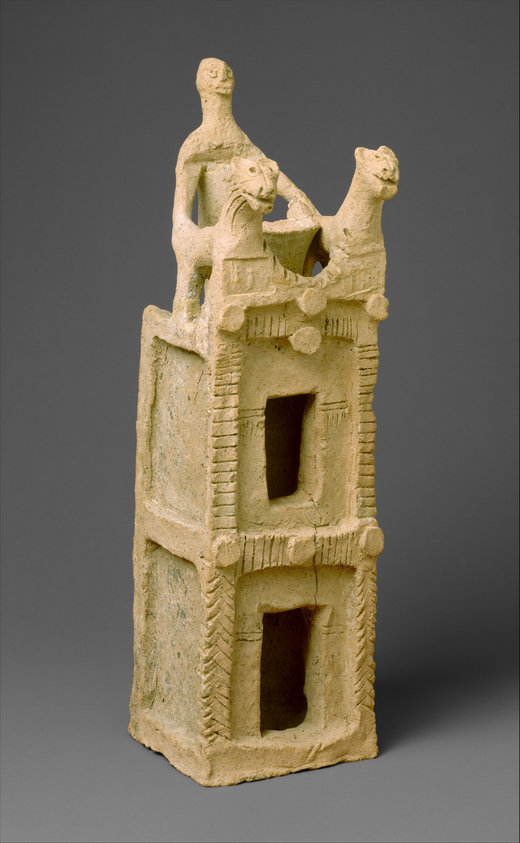
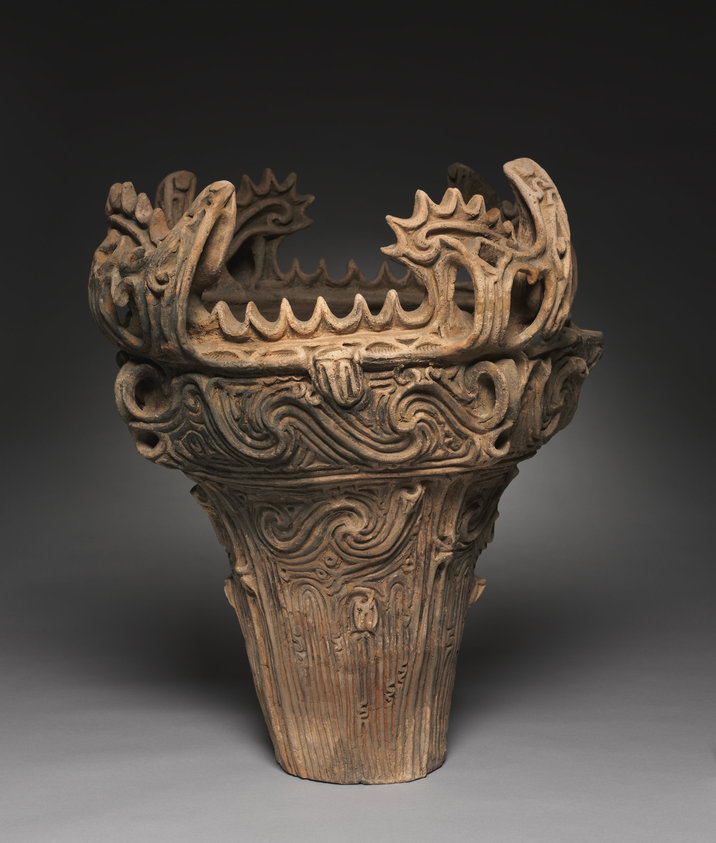
Ceramic is not one material. It is a family of mineral bodies permanently altered by heat. Most ceramic art begins with clay, sometimes mixed with sand, crushed fired clay, shell, ash, or another temper that changes how the body handles, shrinks, and survives firing. Before firing, damp clay can be reshaped or reclaimed. In the kiln, its mineral structure changes: the soft, workable body becomes hard and durable, but remains brittle.
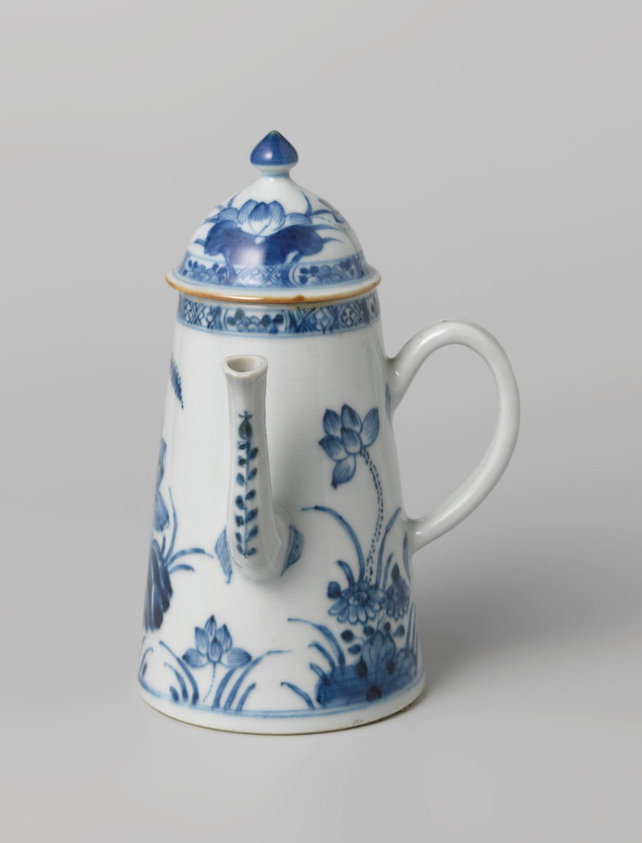
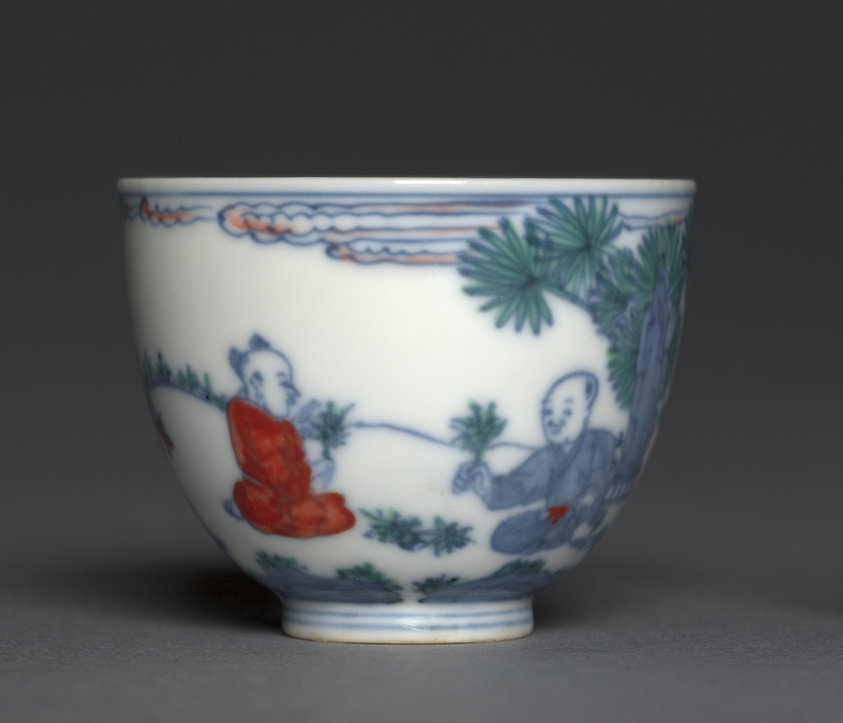
Earthenware, stoneware, and porcelain are useful names for different ceramic bodies, not steps on a ladder of artistic progress. Earthenware is generally fired at lower temperatures and remains porous. Stoneware is fired until it becomes dense and largely nonporous. Porcelain is highly fired and often pale, fine, and partly glass-like. These divisions are modern conventions; ceramic traditions around the world have named and understood their materials in other ways.
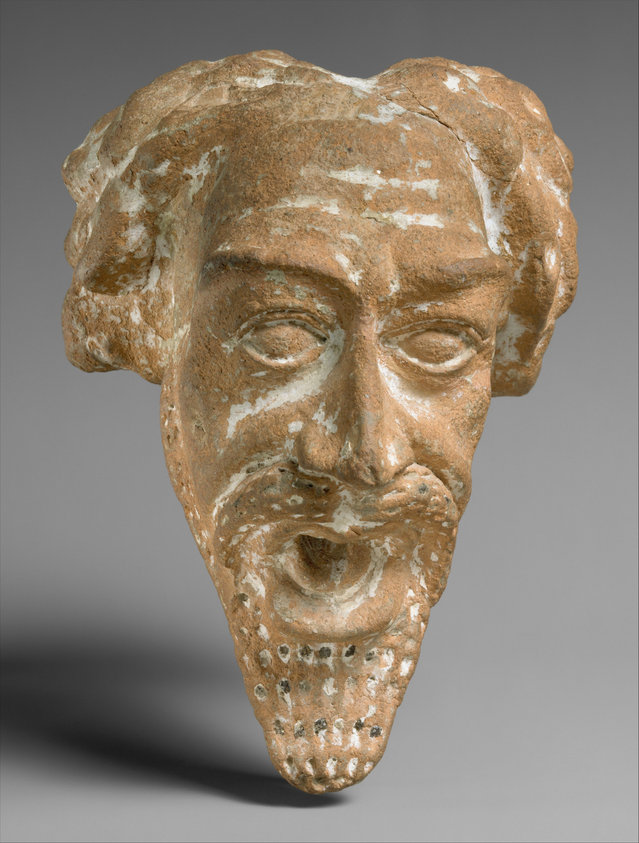
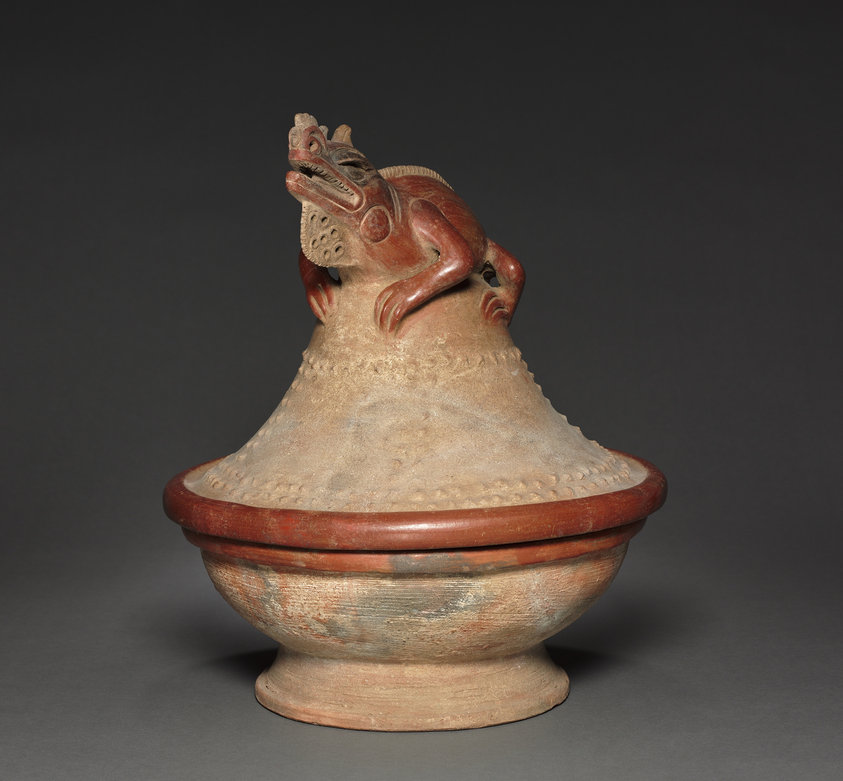
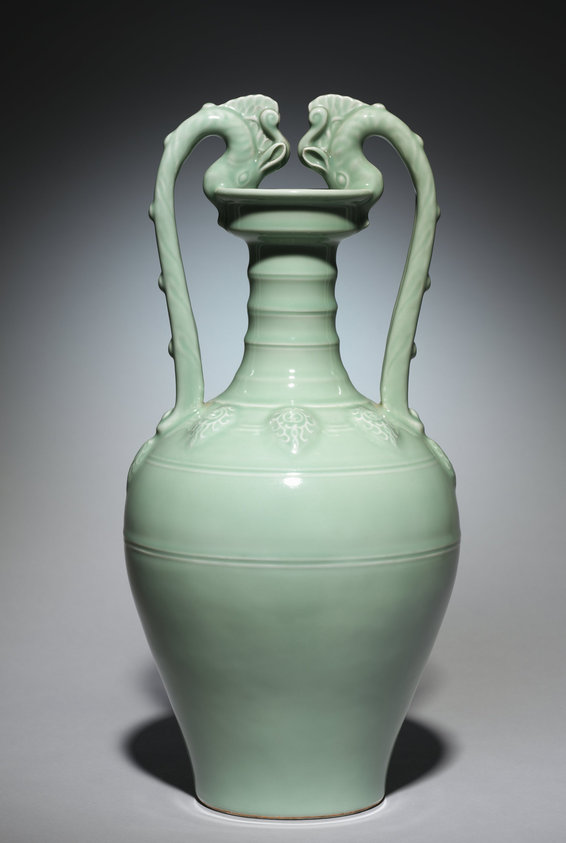
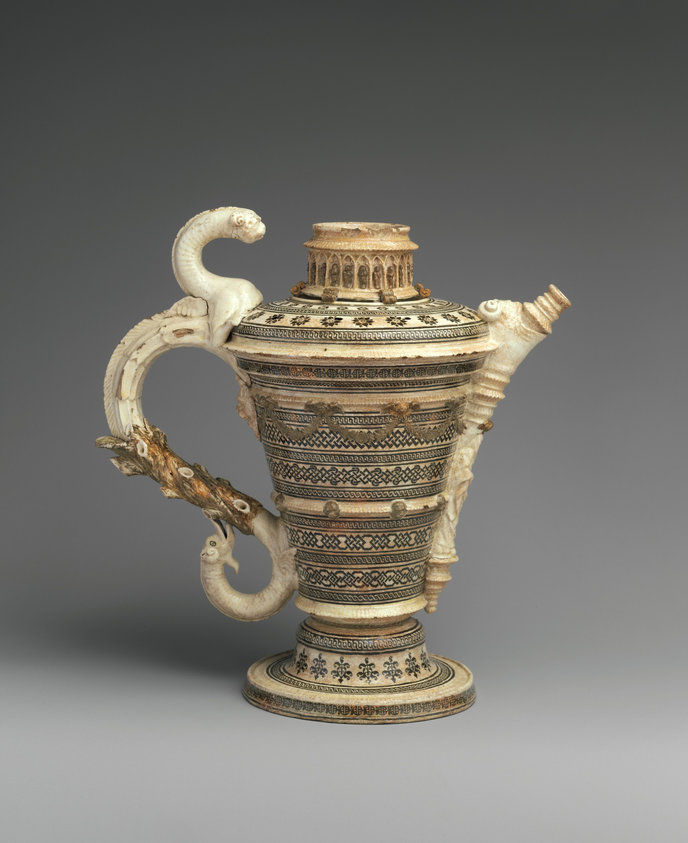
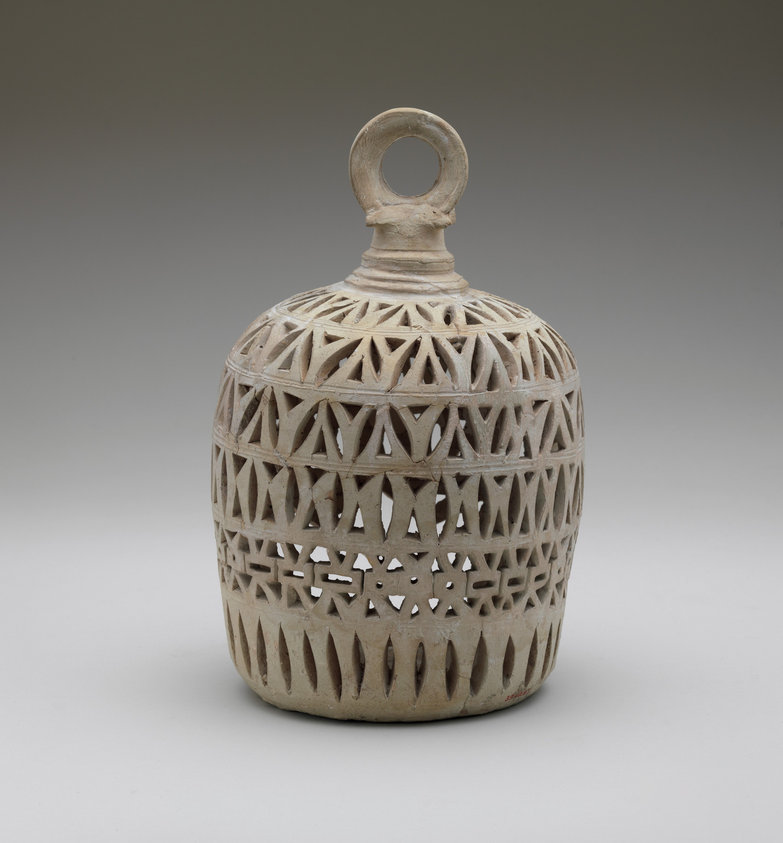
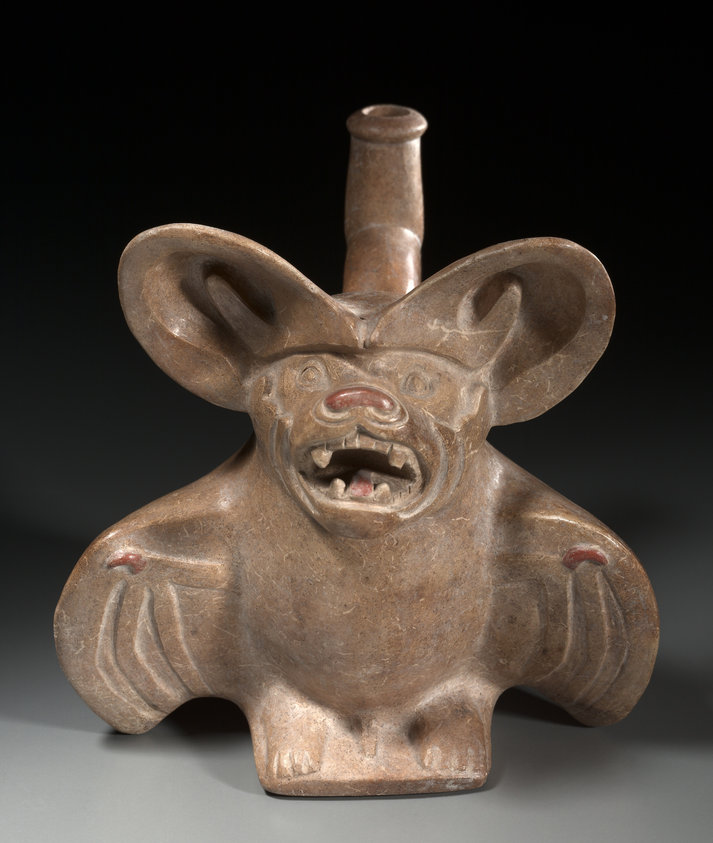
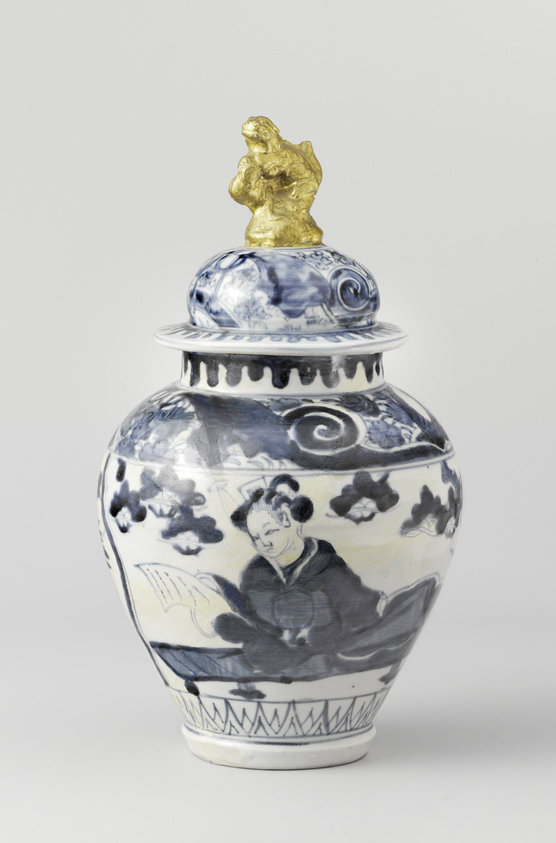
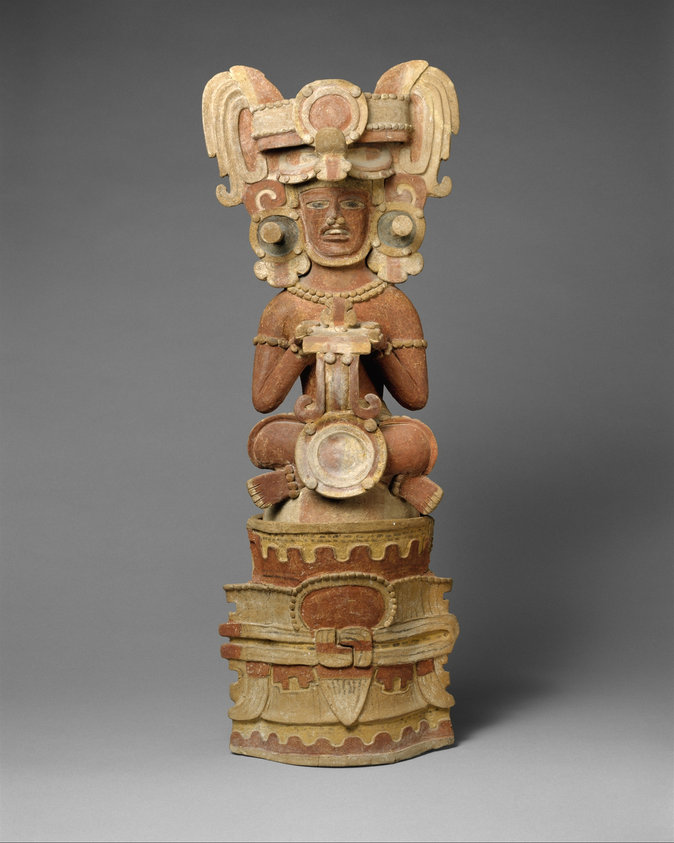
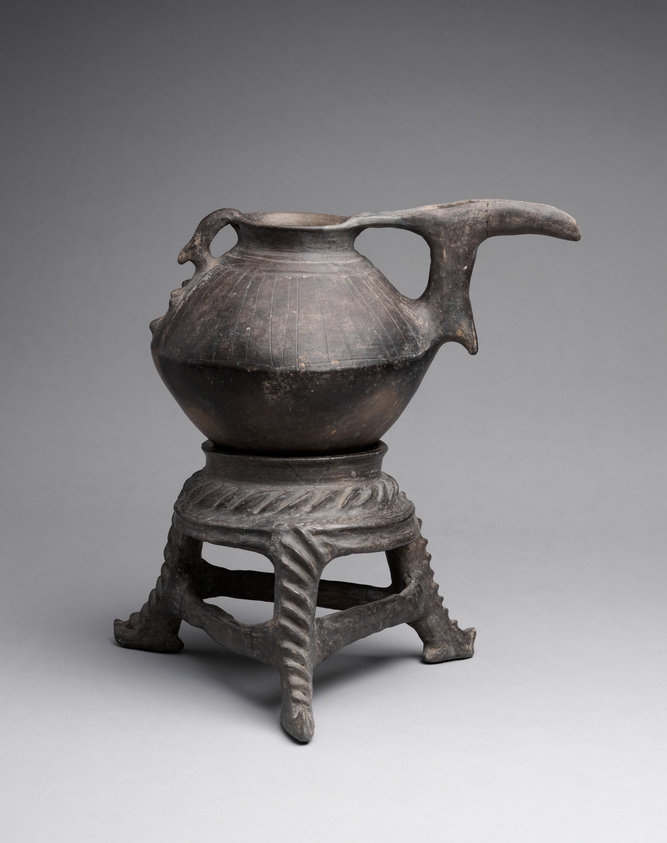
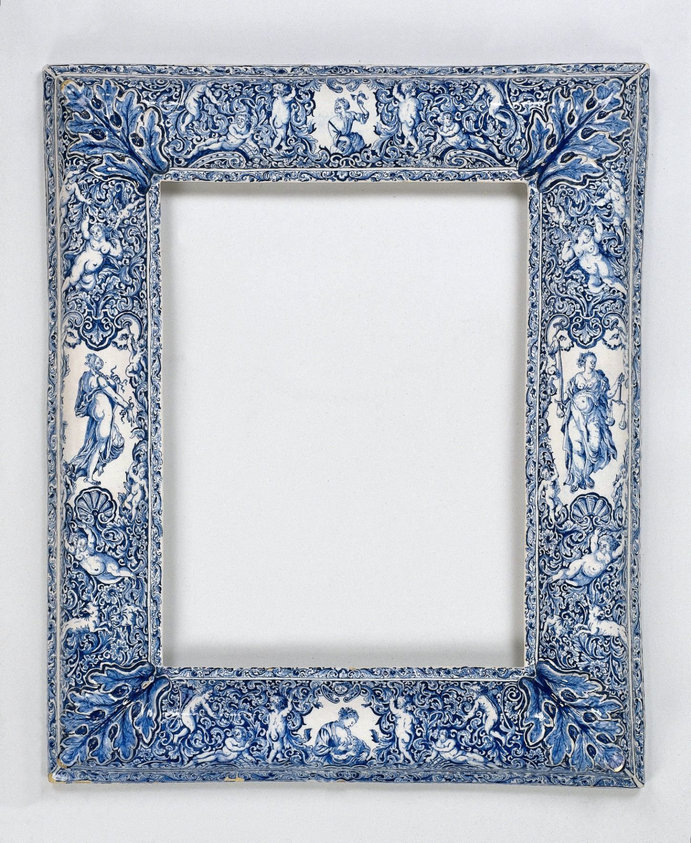
Pottery is the clay-based center of this field, but not its outer limit. Egyptian faience, for example, is a ceramic made around a quartz-rich rather than clay-rich core. It should not be confused with the later European tin-glazed earthenwares also called faience. [1][3][4]
From hand to kiln
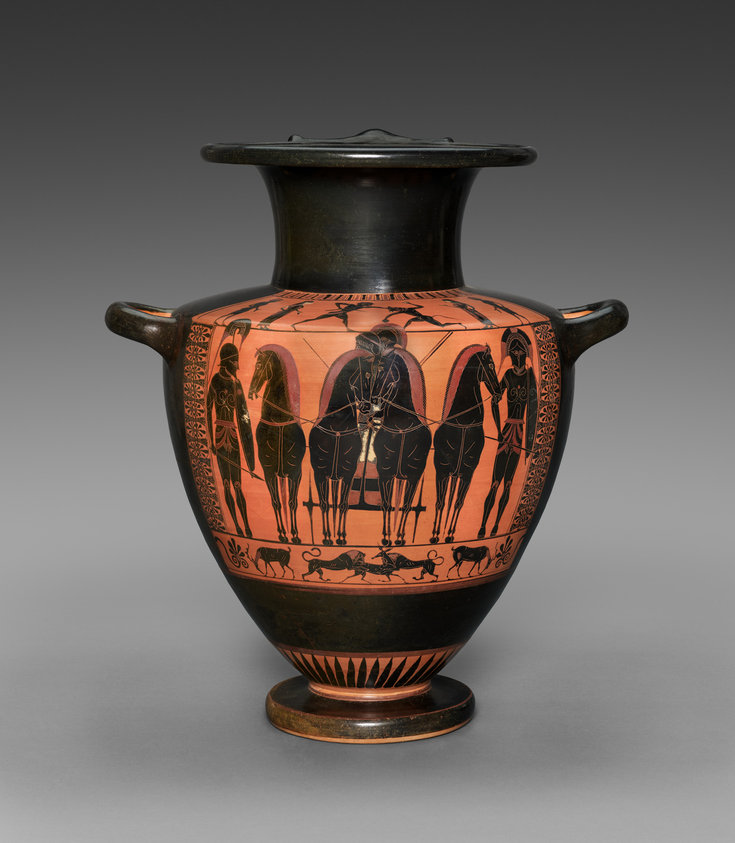
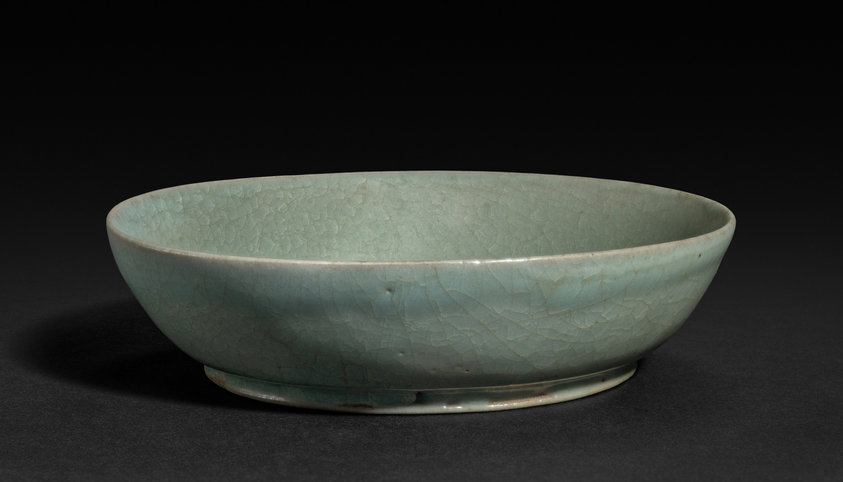
Every ceramic records a sequence of decisions. A maker first selects and prepares a body, balancing plasticity, strength, texture, and the temperature it can withstand. Clay may then be pinched, coiled, paddled, built in slabs, thrown on a wheel, pressed into molds, cast as liquid slip, or modeled directly as sculpture. Handles, feet, spouts, ornaments, and other elements are often made separately and joined while the clay is still workable.
- Form: build the body and attach its parts.
- Dry and mark: carve, impress, incise, burnish, paint, or coat the surface with slip.
- Fire: heat transforms the clay; higher temperatures may partly vitrify the body into a dense, glassy matrix.
- Glaze or finish: many works receive a first biscuit firing, then a glaze firing. Enamels and gilding can require further firings. Other ceramics are deliberately single-fired or left unglazed.
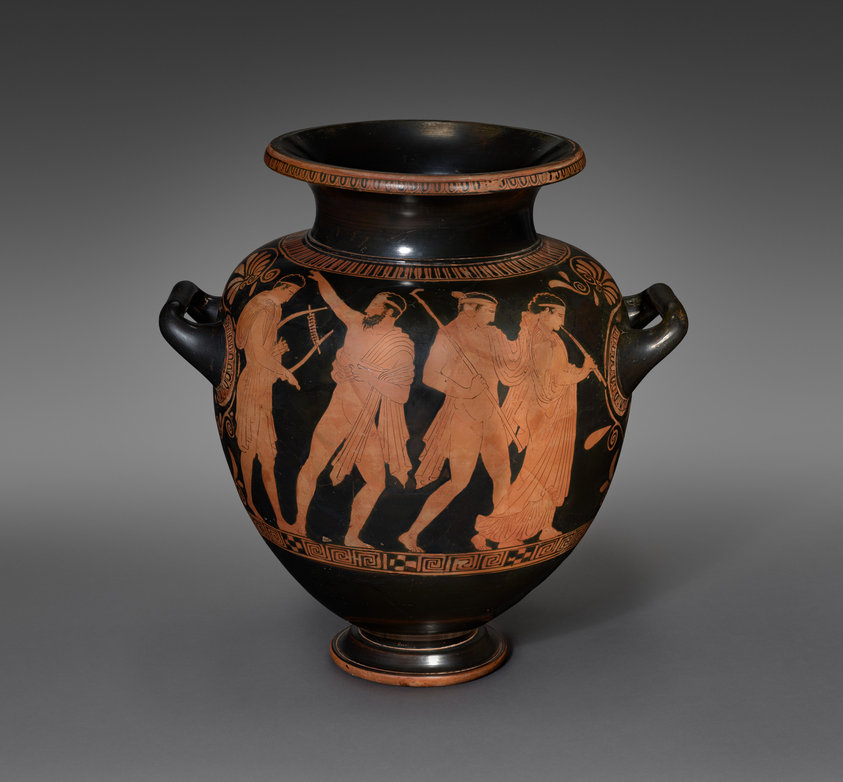
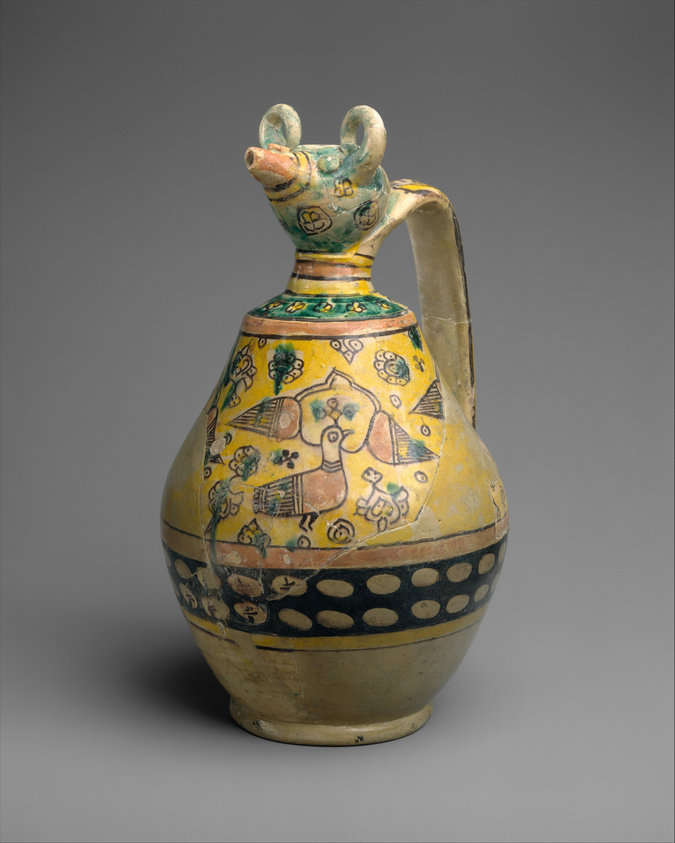
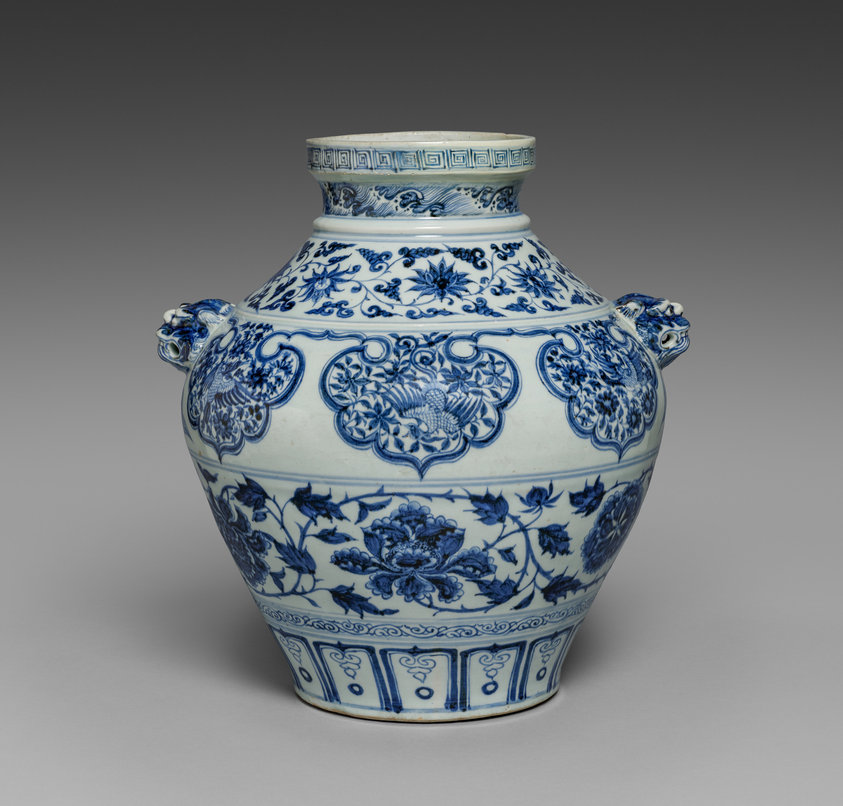
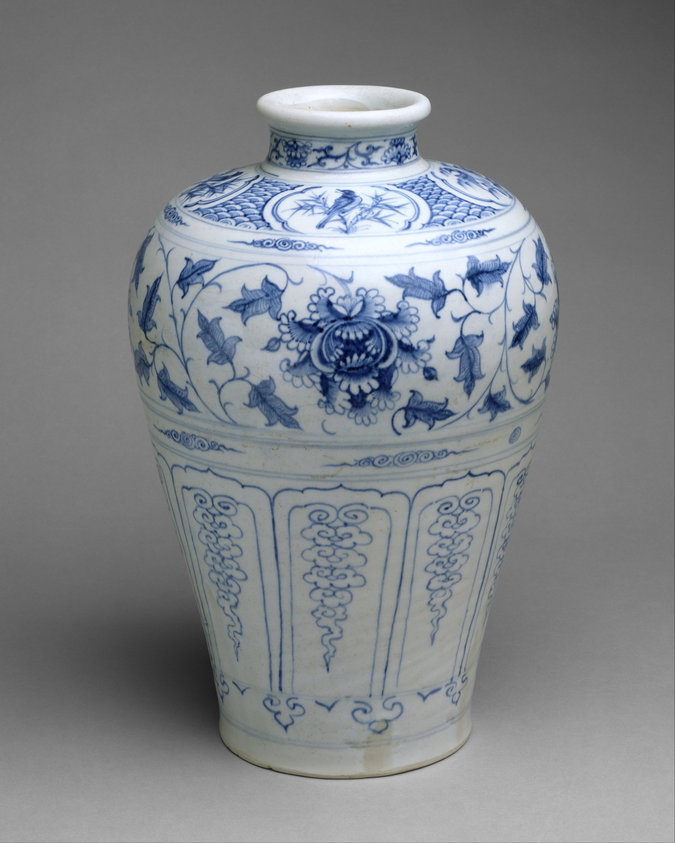
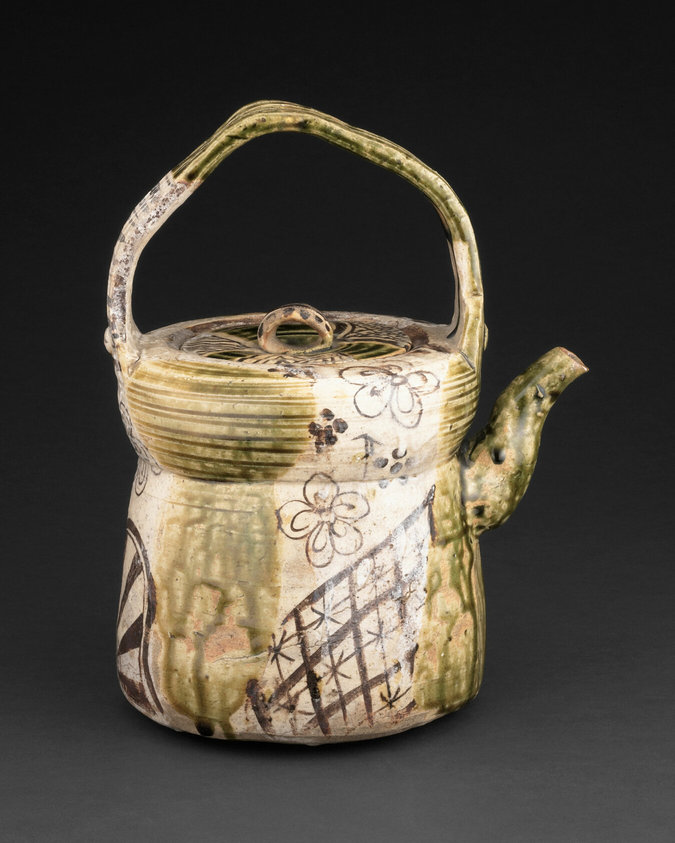
Clay shrinks as it dries and fires. Temperature, fuel, kiln position, and the amount of available oxygen can all alter the result. The process therefore combines planning with material risk: the maker prepares the conditions, but the kiln completes the work. [1][2]
Fire writes the surface
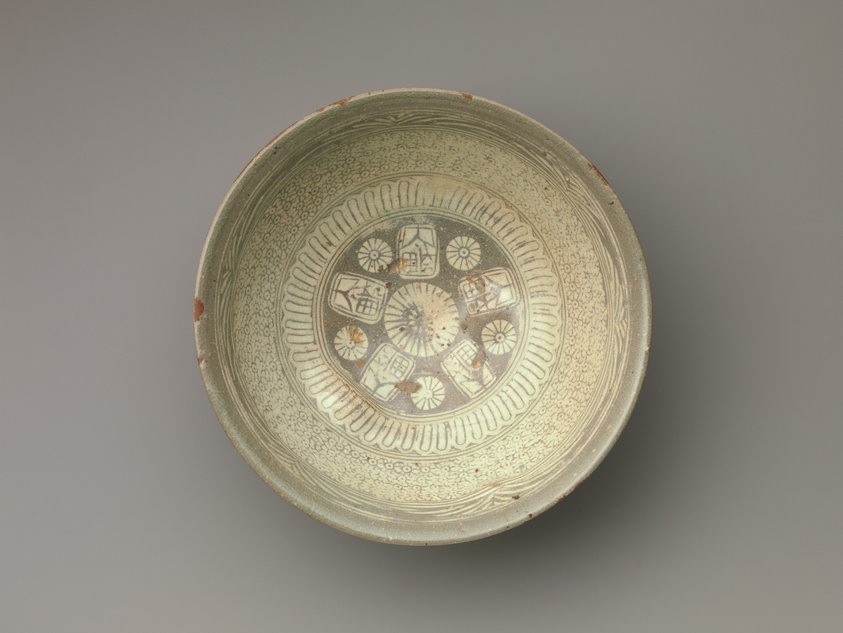
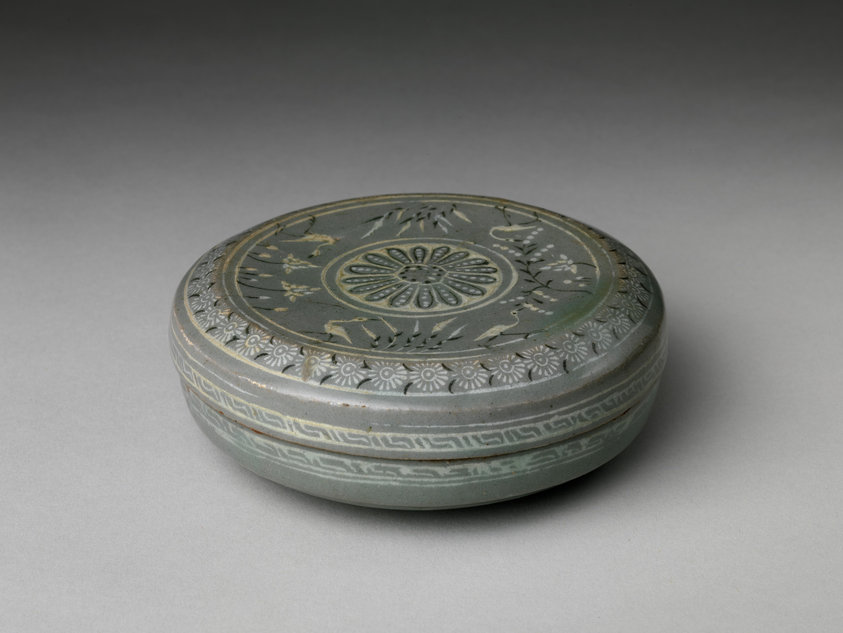
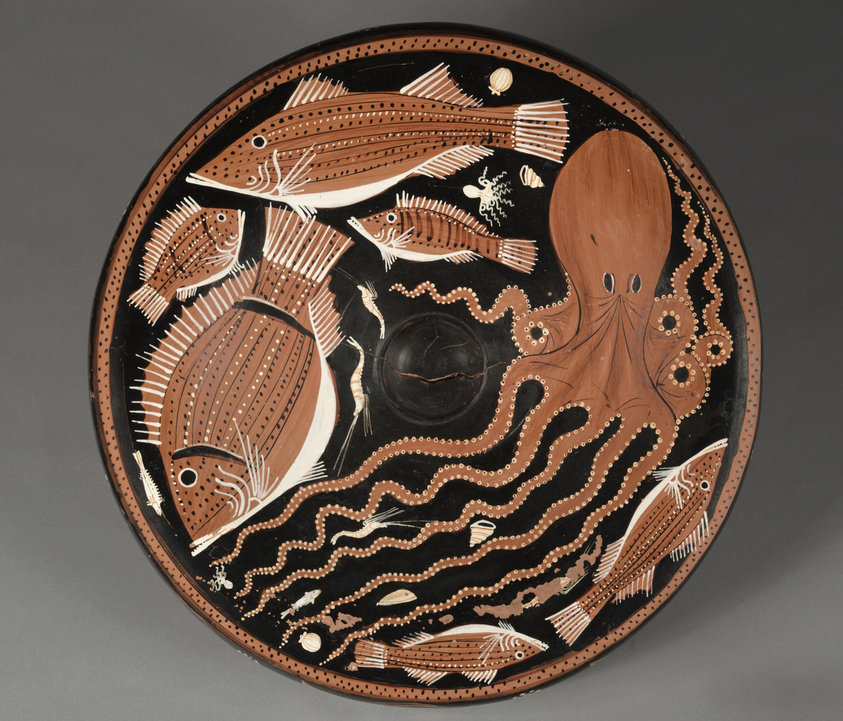
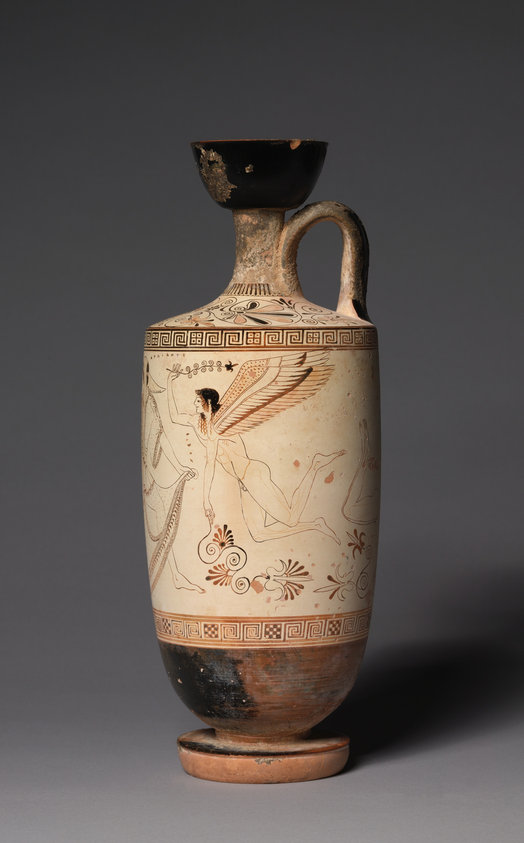
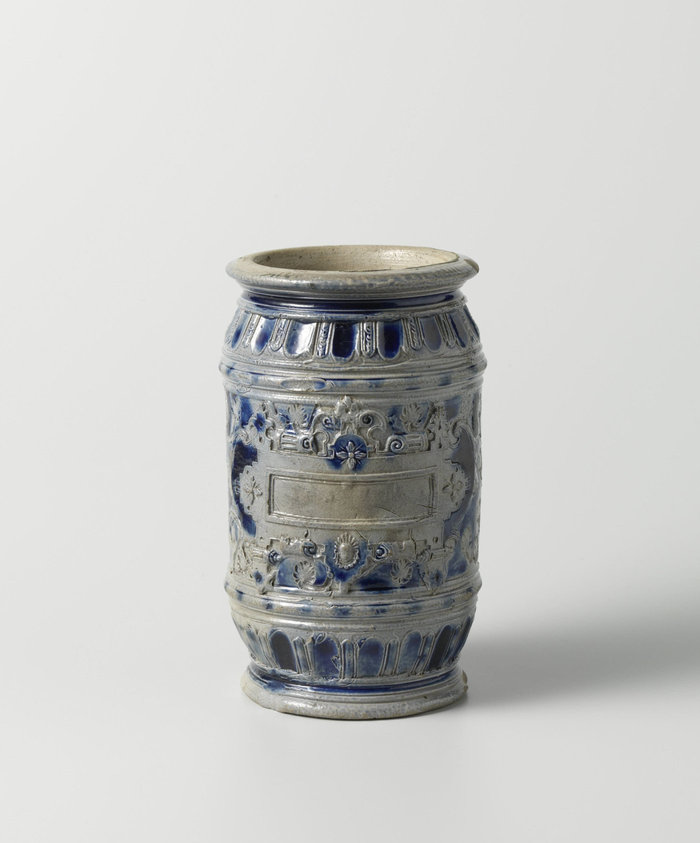
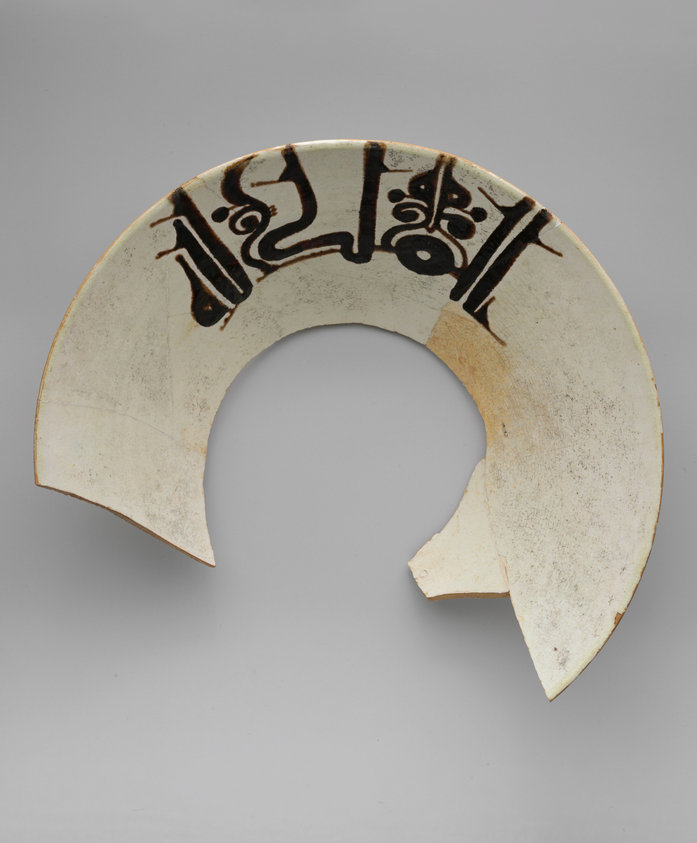
A ceramic surface is not merely a skin applied after the form is complete. Slip is liquid clay; it can change color, conceal the body, trail into relief, or be cut through to expose the layer beneath. Glaze is a glass-forming coating fused to the body by heat. Decoration may lie beneath a glaze, within it, or over it. A matte surface may still be glazed, while a glossy surface may have been burnished rather than glazed.
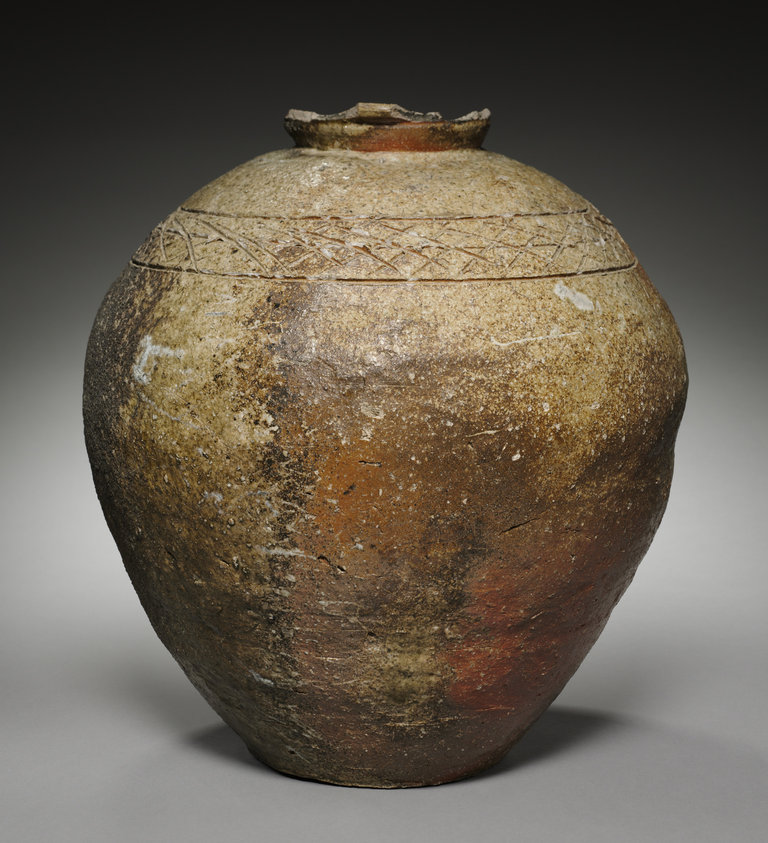
Color can come from the clay itself, from slips and pigments, from metal oxides in a glaze, or from the kiln atmosphere. The same material may fire differently when oxygen is plentiful or restricted. Glaze can pool, run, craze, crystallize, or catch ash; a body can warp or retain the trace of a mold, finger, tool, or kiln support. Such variation may be a defect, a tolerated consequence, or the very effect a maker seeks.
The potter therefore works with chemistry as well as shape. In some traditions, consistency demonstrates mastery. In others, irregularity, visible handling, or an unrepeatable firing gives the work its character. Often the most revealing place to look is where control and accident meet. [1][2]
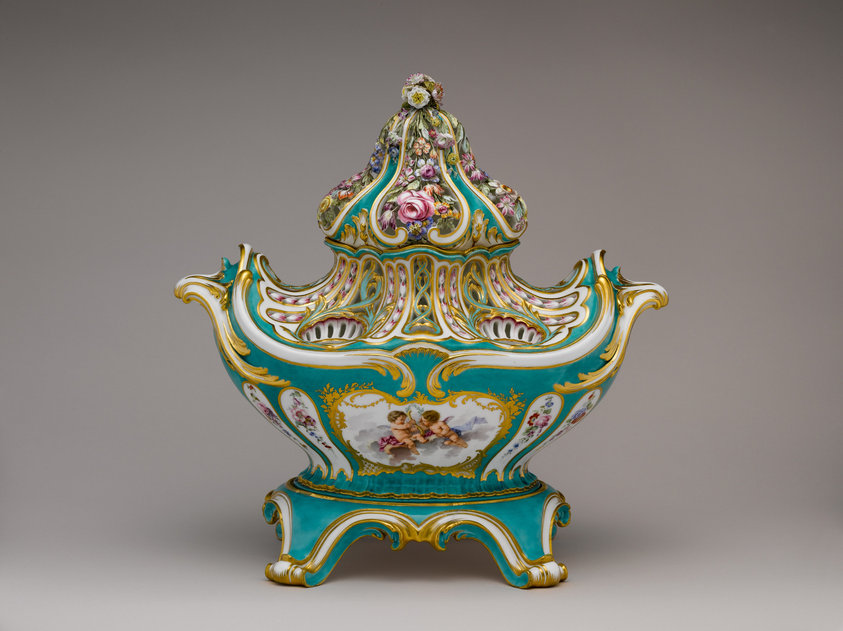
A material with many jobs
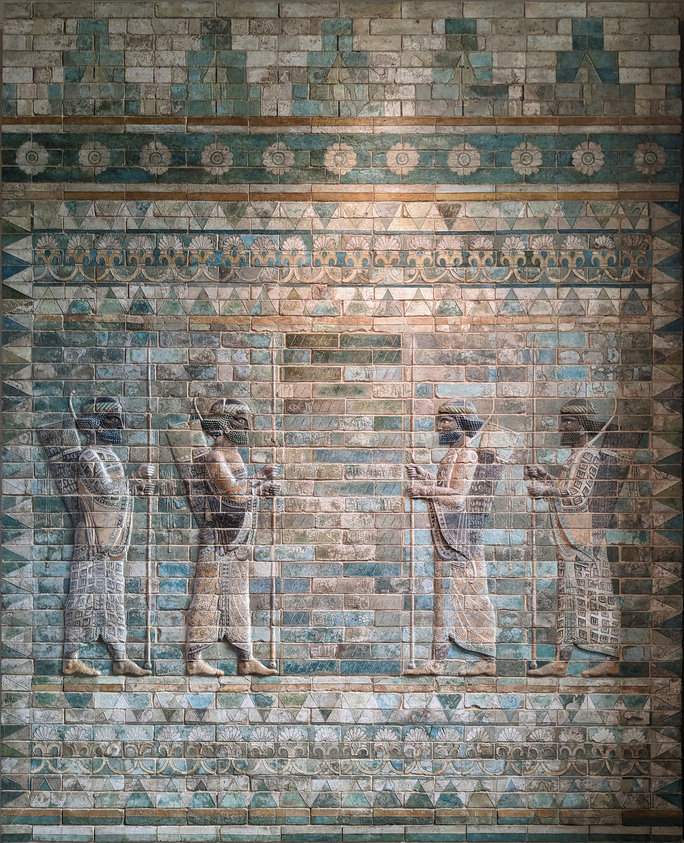
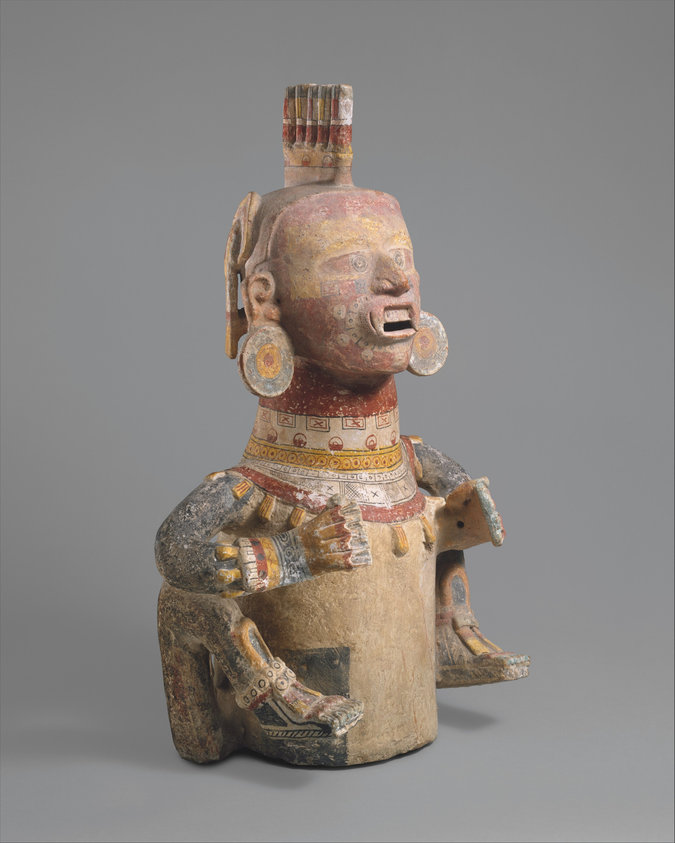
There is no single history of ceramic and no single path from “simple” to “advanced.” Across places and millennia, fired bodies have cooked food, cooled and stored water, carried medicines, lined buildings, marked graves, represented deities, held incense, staged courtly display, and supplied surfaces for writing and images. Function does not diminish artistry: a vessel’s rim, balance, wall thickness, handle, or spout can organize its entire visual language.
Local clay, fuel, water, kiln design, and inherited workshop knowledge give ceramics a powerful sense of place. At the same time, vessels and techniques have traveled through trade, migration, diplomacy, imitation, and industrial exchange. A ceramic may embody local geology and international contact at once.
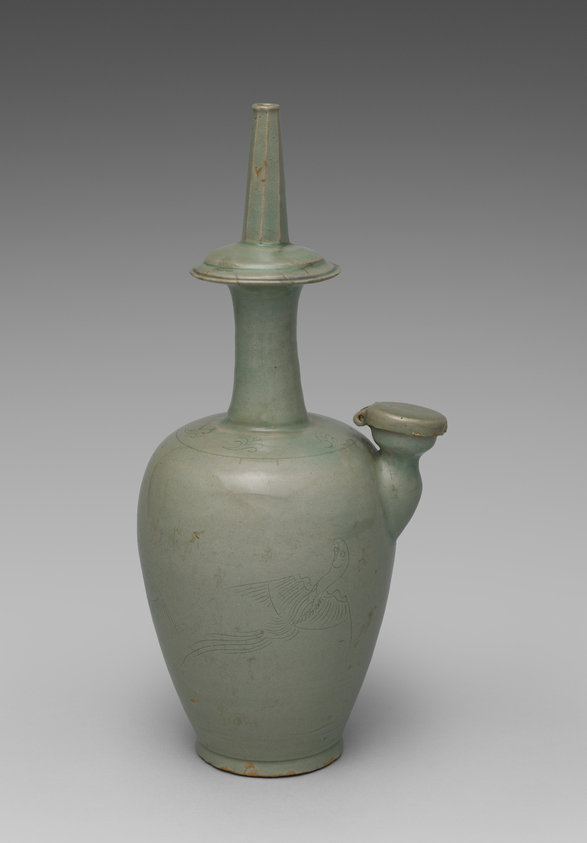
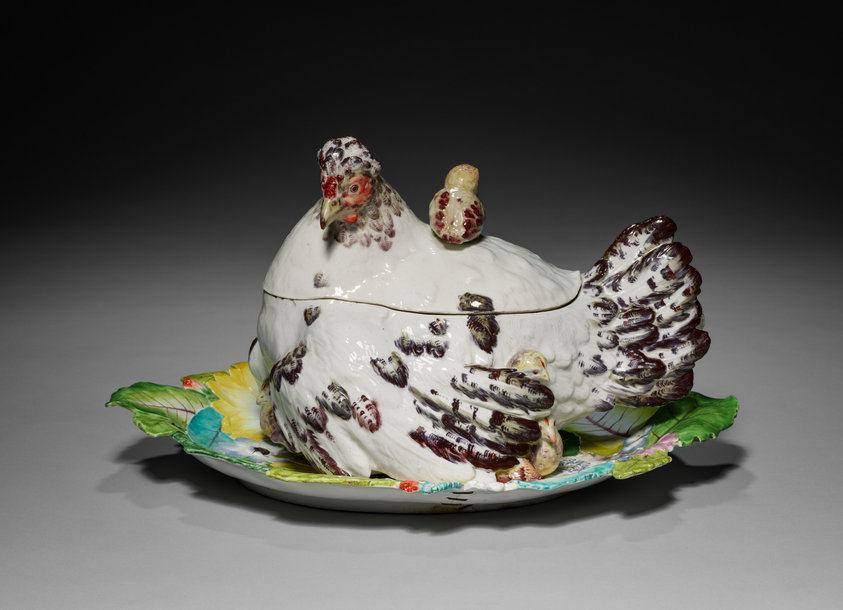
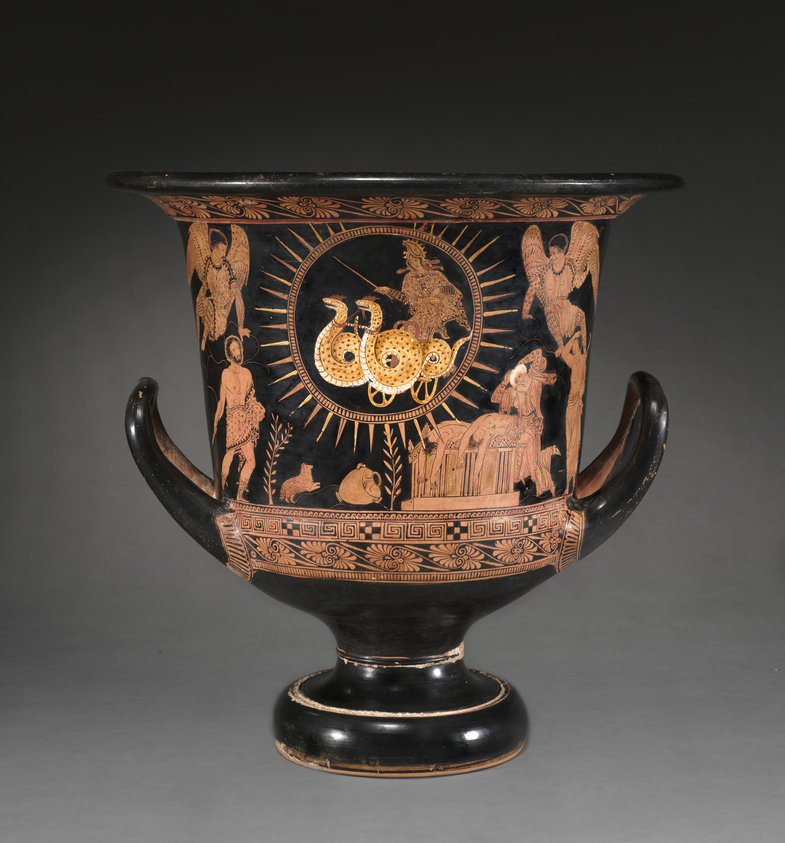
Authorship is equally varied. Some works preserve an individual artist’s name; others emerged from family workshops, court manufactories, or collective traditions whose makers were never recorded. At Sèvres, modeling, decoration, firing, and assembly involved different specialists. Older works may preserve extraordinary knowledge without preserving a personal name. The absence of an identified artist is not the absence of intention, expertise, or invention. [3]
How to look: read from silhouette inward
Begin with the whole object, then move toward its evidence. Ceramic rewards slow looking because form, surface, use, and fire are physically joined.
- Ask what the form does. Look for a foot, rim, neck, lid, handle, spout, vent, or opening. Imagine how the object balanced, poured, contained, covered, smoked, or occupied a wall.
- Find the making. Coils, wheel rings, mold seams, joined parts, carved edges, fingerprints, and tool marks may remain visible—or may have been deliberately erased.
- Look where the body is exposed. A foot, chip, or worn edge can reveal whether the body is coarse or fine, red, buff, gray, or white, and distinct from its surface coating.
- Separate surface treatments. Slip, glaze, burnish, enamel, gilding, and post-firing paint behave differently. Notice gloss, opacity, pooling, crackle, abrasion, and changes at edges.
- Look for fire. Color gradients, warping, ash, glaze runs, spur marks, and variations between interior and exterior can reveal the kiln’s role.
- Look for a life after firing. Soot, wear, residue, chips, repairs, restoration, and burial deposits can be part of the object’s history rather than visual noise.
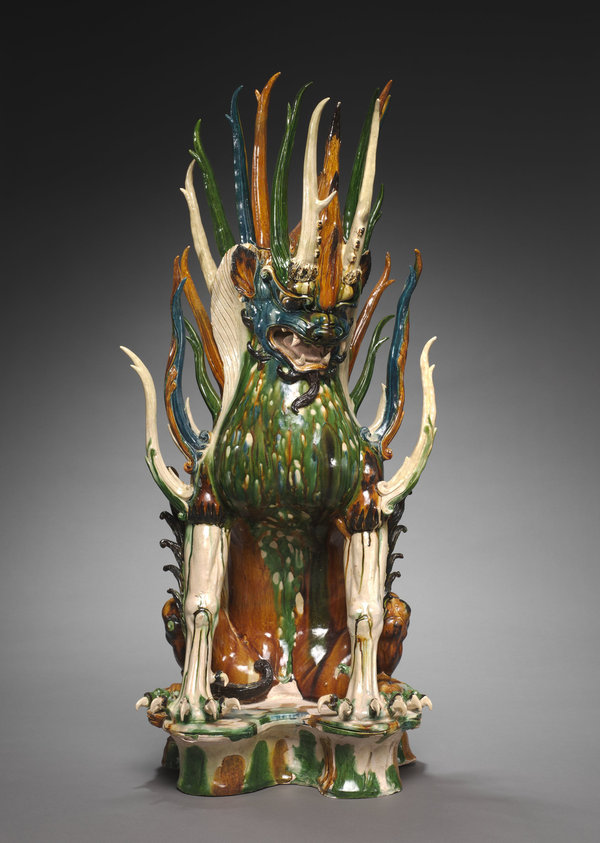
Artists use ceramic precisely because it refuses a clean division between image and object. Clay can remain functional or become monumental sculpture; it can carry painting, language, memory, humor, abstraction, identity, and critique. Modern and contemporary artists have stretched the vessel, dismantled it, treated glaze as painting, tested porcelain’s translucency, and used familiar domestic forms to address unfamiliar ideas. The medium’s continuity comes not from one shape or purpose, but from the recurring negotiation among hand, earth, and fire. [5]
Sources and further reading
-
Caring for ceramic and glass objects
Judith A. Logan and Tara Grant, Canadian Conservation Institute, Department of Canadian Heritage
Published December 14, 2018 · Accessed August 03, 2026
Technical basis for clay bodies, temper, porosity, forming, firing, vitrification, glaze, slip, burnishing, and visual evidence.
-
Ceramics – a risky business
Victoria and Albert Museum, Victoria and Albert Museum
Published April 17, 2024 · Accessed August 03, 2026
Firing as irreversible transformation; kiln risk, material variation, raku, salt glaze, and deliberate uses of imperfection.
-
Ceramics in Mainland Southeast Asia
Louise Allison Cort, George Williams, and David P. Rehfuss, Freer Gallery of Art and Arthur M. Sackler Gallery, Smithsonian Institution
Accessed August 03, 2026
Earthenware and stoneware properties, local material traditions, kilns, technological transfer, use, geography, and trade.
-
Egyptian Faience: Technology and Production
Carolyn Riccardelli, The Metropolitan Museum of Art
Published December 01, 2017 · Accessed August 03, 2026
The important non-clay ceramic case; quartz-rich bodies, glazing methods, firing, color, and the distinction between Egyptian and European uses of faience.
-
Clay into Art: Selections from the Collection of Contemporary Ceramics
The Metropolitan Museum of Art
Published October 29, 1998 · Accessed August 03, 2026
Postwar uses of ceramic as vessel, painting surface, monumental sculpture, abstraction, humor, and social critique.