Explore Art
    Color

    Artistic Disciplines

    Architecture Design Fashion Design and Wearable Art Graphic Design Jewelry Music Written Word

    Subject Matter

    Abstract Landscape Adolescence Advertising and Brands African Diaspora Allegory Alter Egos and Avatars Americana Anatomy Animal Portrait Animals Anthropomorphism Antiquity as Subject Architecture's Effects Arrivals/Departures Artist as Ethnographer Atmospheric Landscapes Attenuated Figure Bars and Restaurants Bathers Bedrooms and Bathrooms Bible Story Body Parts Caricatures and Parody Celebrity Censorship Childhood Circus/Carnival City Scenes Cityscapes Cityscapes and City Scenes Classical Figure Classical Mythology Collective History Conflict Consumerism Contrapposto Crime Cross-Cultural Dialogue Crowds Cultural Commentary Decay Deep Time Deities and Holy Figures Delegated Art Diaristic Digital Culture Disaster Dreams / Altered States of Consciousness Engaged with Byzantine and Medieval Art Engaged with Communist Visual Culture Engaged with European Old Masters Engaged with Pre-Columbian Art Engaged with Traditional African Art Engaged with Traditional Chinese Art Engaged with Traditional Islamic Art Engaged with Traditional Japanese Art Engaged with Traditional Korean Art Engagement with Mass Media Equestrian Erotic Eye Contact Face Failure Family Femininity Fertility/Pregnancy/Birth Figure Studies Figure from the Back (Rückenfigur) Figures in Nature Figures of the Art World Flora Focus on the Social Margins Food Gender Glamour Globalization Grotesque Group Portrait Group of Objects Group of Portraits Haze Hugs and Kisses Human Figure Humor Hybrids and Imaginary Creatures Implied Narrative Improbable Physics Individual Portrait Industry Infographics and Diagrams Institutional Critique Interiors Interlaced Bodies Intersectionality Isolation/Alienation Kawaii Kitsch Landscape and Nature Photography Landscapes Landscapes and Waterscapes Language Leisure Light as Subject Line, Form, and Color Love Machines Madonna and Child Manga Maps/Networks Masculinity Math Medical/Health Migration Modes of Transportation Mortality Mourning and Commemoration Movement Mutated Bodies Mysticism, Shamanism, and the Occult Mythology and Religion Narrative Natural History Nature Nautical Nostalgia Nude Obsolescence Outer Space Parties and Celebrations People at Home Performing Arts Personal Histories Personal Writing Systems Personification Political Political Events Political Figures Portrait Portraits without a Face Provocative Psychoanalysis Racial and Ethnic Identity References to Art History Reflections Related to Fashion Related to Film Related to Games Related to Hip-Hop Related to Literature Related to Music Related to Punk Related to Religion Related to Toys Shadows Representations of Everyday Objects Royal/Court Commission Royalty and Aristocracy Rural Life Saints Scenes of Everyday Life Science Science Fiction Seduction and Courtship Self as Subject Self-Portrait Sex Sexual Identity Silhouettes Southern Gothic Spaces of the Art World Sports/Athletics Still Life Stolen Moments Suburbia Surveillance Symbolic Composition Talismanic Technology Text The Abject The Afterlife The American West The Art Market The Artist's Studio The Body The City The Domestic and Domesticity The Elements The Environment The Fantastic The Mundane The Seasons The Senses The Sublime Time Times of Day Traces, Indexes, and Implied Presence Trauma and Struggle Travel/Tourism Unsettling Urbanization Utopia Vacant and Vacated Spaces Violence Virtue and Vice Visual Perception War and Military Water Waterscapes Work and Workers Zoomorphism

    Styles and Movements

    "Bad Painting" '85 New Wave 19th Century American Art 19th Century American Paintings and Works on Paper 19th Century French Academy 19th Century German Realism 20th Century Art Abstract Art Abstract Expressionism Abstract Painting Abstract Photography Abstract Sculpture Abstract versus Figurative Art Abstraction-Création Action Painting Afrofuturism American Impressionism American Modernism American Prints 1880–1950 American Realism American Regionalism American Sculpture 1830–1950 American Tonalism American Works on Paper 1880–1950 Art Brut Art Deco Art Informel Art Nouveau Arte Povera Ashcan School Barbizon School Baroque Bauhaus Bay Area Figurative Art Beijing East Village Bengal School of Art Black Arts Movement Black Mountain College Body Art CalArts Capitalist Realism Chicago Imagists Chicano Art Cluj School CoBrA Colab Collaborations and Collectives Color Field Painting Conceptual Art Conceptual Art and Contemporary Conceptualism Concrete Art Constructivism Contemporary Academic Realism Contemporary Archaeological Contemporary Art Contemporary Asian Art Contemporary British Art Contemporary Canadian Art Contemporary Color Fields Contemporary Conceptualism Contemporary DIY Contemporary Fact versus Fiction Contemporary Fauvist Contemporary Faux Naïf Contemporary Feminist Contemporary Figurative Drawing Contemporary Figurative Painting Contemporary Gestural Abstraction Contemporary Glass Contemporary Gothic Contemporary Graphic Realism Contemporary Grotesque Contemporary Impressionist Contemporary Indian Art Contemporary Latin American Art Contemporary Middle Eastern and North African Art Contemporary Minimalist Contemporary Modernist-Type Photography Contemporary Op Art Contemporary Participation Contemporary Portrait Painting Contemporary Re-creations Contemporary Realist Portrait Photography Contemporary Scandinavian Art Contemporary Surrealistic Contemporary Traces of Memory Contemporary Turkish Art Contemporary Use of Textiles Contemporary Vintage Photography Cubism Cynical Realism Dada Dansaekhwa Danube School Dau Al Set De Stijl Deconstructivism Deutscher Werkbund Die Brücke Documentary Film Documentary Travel Photography Dusseldorf School of Photography Dutch and Flemish Early Computer Art Early Renaissance East Village Art Expressionism Fashion Photography Fauvism Faux Naïf Feminist Art Feminist Art and Contemporary Feminist Figurative Art Figurative Painting Figurative Sculpture Fluxus Folk Art Funk Art Futurism Geometric Abstraction German Expressionism Gestural Abstraction Gothic Art Graffiti and Street Art Grand Manner Group Material Group Zero Group f/64 Gutai Happenings Harlem Renaissance Helsinki School of Photography High Renaissance Hudson River School Hyperrealism and Photorealism Iconic Works of Art History Identity Politics Impressionism Impressionism and Contemporary Impressionist Japanese Erotic Prints Japanese Photography Japonisme Kanō School Land Art Landscape Photography Light and Space Movement Luminism Mannerism Medieval Art Mexican Muralism Minimalism Minimalism and Contemporary Minimalist Modern Jewelry Modern Photography Modern and Impressionist Art Modern and Impressionist Prints Mono-ha Nabis Neo-Conceptualism Neo-Concrete Art Neo-Dada Neo-Expressionism Neo-Geo Neo-Impressionism Neo-Plasticism Neoclassicism Net Art Neue Sachlichkeit New American Color Photography New American Documentary Photography New British Sculpture New Leipzig School New Topographics New York School Nineteenth Century French Realism Northern Renaissance Nouveau Réalisme Nul Group Old Master Drawings and Prints Old Master Influenced Fantasy Old Masters Op Art Orientalism Orphism Pattern and Decoration Movement Pictorialism Pittura Metafisica Pointillism Political Minimalism Political Pop Pop Art Pop and Contemporary Pop Post-'70s Ego Generation Post-Impressionism Post-Internet Art Post-Painterly Abstraction Post-War American Art Post-War European Art Post-World War I European Classicism Post-World War II School of Paris Postminimalism Pre-Raphaelites Pre-World War II School of Paris Precisionism Process Art Progressive Artists' Movement Purism Relational Aesthetics Renaissance Art Rinpa School Rococo Art and Design Romanticism School of London Self-Taught, Folk, and Outsider Art Shin Hanga Social Action Social Realism Socialist Realism Soviet Nonconformist Art Spatialism Spiral Group Street Photography Studio Museum in Harlem Artist-in-Residence (AIR) Program Suprematism Surrealism Surrealistic Symbolism Synchromism The Aesthetic Movement The Anthropocene The Blue Rider The New Fauves The Pictures Generation The Stars Art Group (Xing Xing) Traditional Arts of Africa, Oceania, and the Americas Transavanguardia Ukiyo-e Venetian School Vienna Secession Viennese Actionism Washington Color School Works Progress Administration (WPA) Yale University School of Art Young British Artists (YBAs) Zaire School of Popular Painting
    Design Movements

    20th Century Furniture and Design American Furniture and Design American Mid-Century Design American Studio Craft Movement Art Deco Furniture and Design Art Nouveau Furniture and Design Arts and Crafts Movement Brazilian Furniture and Design British Furniture and Design Brutalism Contemporary Furniture and Design Danish Furniture and Design Dutch Furniture and Design French Furniture and Design International Style Italian Furniture and Design Memphis Design Mid-Century Modern Design Modern Design Modern and Contemporary Design Modern and Contemporary Fashion Design Post-War French Design Postmodern Architecture and Design Scandinavian Furniture and Design Union des Artistes Modernes Wiener Werkstätte

    Visual Qualities

    Abstract Illusionism Allover Composition Angular Arabesque/Scroll Asymmetrical Balance Biomorphic Black and White Blown-Off-Roof Perspective Blurred Bright and Vivid Colors Bulbous Calligraphic Color Gradient Columns and Totems Contour Line Cracked Creased Crinkled Wrinkled Crystalline and Geological Forms Curvilinear Forms Dark Colors Dense Composition Divisionist Dotted Dynamism Earth Tones Emphasis on Linear Perspective Extreme Angle Flatness Fractal-like / Kaleidoscopic Fragmented Geometry Geometric Glittery Grid Hard-Edged Highly Detailed Highly Ornamented Iridescence/Opalescence Irregular Curvilinear Forms Irregular Linear Forms Layered Images Linear Forms Marbleized Metallic Mimicking Ruined Materials Mirrored Molecular Mr Doodle: Pop Heart Collection Pastel Colors Patinated and Oxidized Patterns Piles/Stacks Pixelated Primary Abstraction Primary Colors Psychedelic Radiating Lines Raw versus Finished Rough Scattered Composition Sharp/Prickly Shiny/Glossy Single Object Slender Slumped/Draped Smooth Surface Sparse Stained Glass Effect Striped Symmetrical Tangled Forms Transparent/Translucent Medium Viscous Forms Woven/Perforated Wrapped

    Medium and Techniques

    Camera Obscura Album, Folio and Fan Formats Altarpiece Altered and Substituted Canvases Analogue Filmmaking Animation Appropriation Arabic/Farsi Calligraphy Archaeological Object Art That Plays With Scale Artist's Frame Artists’ Books Automatism Bentwood Black-and-White Photography Body Casts/Body Prints Books and Portfolios Burned/Charred Caravaggesque Carving Chance Chiaroscuro Cinematic Close-Up Collage Collecting and Modes of Display Color Photography Color Theory Comic/Cartoon Computer-Aided Manufacturing Copies and Emulations Cut/Ripped Dance Delicate Materials Densely Textured or Haptic Surface Design/Architecture Study Digital Art Digital Painting and Drawing Digital Print Digital as Manual Digitally Manipulated Divinatory Objects, Talismans, and Amulets Documentary Photography Drawing East Asian Calligraphy East Asian Ink-and-Wash Painting Embossed Paper En plein air Encaustic Endurance Art Ephemera Erased and Obscured Etching/Engraving Extruded Design Film/Video Focus on Materials Folded Planes Found Footage and Found Video Fresco Frontal Perspective Generative Art Gestural Glass and Ceramics Glitch Aesthetic Gold Leaf and Gilding Handscroll Hanging Scroll Hatching History Painting Hyperrealism Illustration Imitated Material Immersive Impasto Installation Art Intaglio Intentionally Exposed Canvas Interactive Intricately Sculpted Kinetic Sculpture Large Brushstrokes/Loose Brushwork Large-Scale Painting Large-Scale Photography Large-Scale Sculpture Light Art Lightbox Lithograph Long Distance and Deep Distance Long Exposure Mail Art Manipulated Photography Manuscript Maquette Mediated View Miniature and Small-Scale Paintings Mixed-Media Monochrome Painting Monotype/Monoprint Multiple Exposure Multiple Screens Multiple Styles Murals and Wall Drawings NFT Negative Image Oil Painting Oil on Copper Oil on Panel Open Form Organic Material Outdoor Art Painting Painting and Writing Tools Panorama Paper Cut-Outs Passage Pastel Performance Art Photogram Photograph as Material Photographic Source Photographs of Surfaces Photography Photojournalism Photomontage Photorealistic Picassoesque Polychrome Sculpture Poster Poured Printed Matter Prints Process-Oriented Projection Pulled, Scraped, and Scratched Recycled Reduced-Scale Architecture Relief Rembrandtesque Repetition Research as Art Restored and Repurposed Screen Format Sculptural Use of Paint Sculpture Sculpture-Based Photography Sfumato Shallow Depth of Field Silkscreen Site-Specific Art Snapshot Aesthetic Soft Sculpture Sound Art Splattered/Dripped Spray Paint Staged Photography Stains/Washes Study Suspended/Hanging Tempera Time-Lapse Photography and Film Tondo Topographic Photography Traditional Photographic Techniques Traditional Scroll Painting Transfer Trompe l’oeil Typography Typologies Use of Traditional Techniques Vintage Photo Prints Virtual and Augmented Reality Wall Sculpture and Installation Watercolor Website Woodcut and Linocut Work on Paper

    Time Periods

    1000 - 1400 CE Art 15th Century Art 16th Century Art 17th Century Art 18th Century Art 1900 - 1917 Art 1918 - 1939 (Interwar) Art 1940s-1950s Art 19th Century Art 21st Century Art 500 - 1000 CE Art Ancient Art Art of the 1960s Art of the 1970s Art of the 1980s Art of the 1990s Contemporary Impressionist and Modern Hub Late 19th Century Art Modern Post-War Hub Pre-20th Century Art Prehistoric Art

    Geographic Regions

    African Art American Art Andes Region Art Angolan Art Art of Latin America and the Caribbean Asian Art Australian and New Zealand Art Austrian Art Beijing Artists Belgian Art Berlin Artists Brazilian Art British and Irish Art Brooklyn Artists California Art Canadian Art Caribbean Art Caucasus Art Central American Art Central Asian Art Chinese Art Cuban Art Dutch Art East African Art East European Art East German Art Eastern Mediterranean Egyptian Art Flanders and Luxembourg French Art French Guiana, Guyana and Suriname German Art Greek Art Hong Kong Artists Indian Art Iranian Art Iraqi Art Israeli Art Italian Art Japanese Art Korean Art Latin American Art Lebanon, Syria, Jordan and Palestine London Artists Los Angeles Artists Melanesian, Micronesian and Polynesian Art Mexican Art Middle African Art Middle Eastern and North African Art New York Artists North African Art Pakistani Art Paris Artists Portugese Art Russian Art San Francisco Artists Scandinavian Art South African Art South Asian Art Southeast Asian Art Southeast European Art Southern Cone Art Spanish Art Swiss Art Taiwanese Art Tibetan Art Tokyo Artists Turkish Art West African Art

    Materials

    Aluminum Assemblage Bone Brass Bronze Cardboard Ceramic Chalk Chrome-Plated Concrete Enamel Found Objects Gemstone Glass as Material Gold Inlay Ivory Leather/Hide Marble Metal Mosaics Natural Fibers Neon and Fluorescent Light Plaster Plastic Porcelain Resin Silver Stained Glass Steel Stone Taxidermy Terracotta Use of Common Materials Use of Ephemeral Materials Use of Paper Use of Precious Materials Use of Vintage Imagery Wood

    Design Concepts and Techniques

    CAD (Computer Aided Design) Children's Furniture and Design Design by Architects Design by Artists Engineering/Construction and Design Focus on Joints/Connections Handcrafted Furniture and Design Iconic Works of Design Industrial and Product Design Jewelry by Painters and Sculptors Masonry Construction Modular Design Non-Functional Design Reinforced Concrete Construction Religious Building Restrained Forms Steel/Iron Frame Construction Sustainable Design Timber Frame Construction Whimsical Design Women Designers

    Cultural and Religious Styles

    Aboriginal Art Ancient Egypt Art of Burma Art of Tonga Art of the Congo Art of the Ivory Coast Art of the Upper Paleolithic Asante Art Aztec Art Bamileke Art Benin Art Buddhist Art and Architecture Byzantine Art Cambodian Art Celtic Art Cheyenne Art Christian Art and Architecture Early Medieval Art Eastern Zhou Dynasty Edo Art Etruscan Art Greek Art and Architecture Greek and Roman Art and Architecture Guatemalan Art Han Dynasty Heian Period Hellenistic Art Himalayan Art Hindu Art and Architecture Hopi Art Iban Art Igbo (Ibo) Art Indonesian Art Islamic Art and Architecture Kushan Empire Maranao Art Mayan Art and Architecture Mbole Art Meiji Art Mende Art Mesopotamian Art Ming Dynasty Minoan Art Moche Art Mughal Art Mycenaean Art Native American, First Nations, and Alaska Native Art Northern and Southern Dynasties Oku Art Ottoman Art Papua New Guinea Art Phoenician Art Pre-Columbian Art Qing Dynasty Roman Art and Architecture Romanesque Art Shang Dynasty Song Dynasty Sui Dynasty Tang Dynasty Thai Art Traditional African Art Traditional Oceanic Art Western Zhou Dynasty Yaka Art Yombe Art Yoruba Art Yuan Dynasty Yup'ik Art

    Furniture and Lighting

    Armchair Bed Bench Ceiling Light Chair Chaise Lounge Chandelier Coffee Table Console Desk Dining Table Floor Lamp Furniture Lighting Mirror Sconce Seating Shelving Side Chair Side Table Sideboard Sofa Stool Storage Table Table Lamp Upholstered Furniture

    Textiles

    Embroidery Knitted and Crocheted Rug Tapestry and Wall Hanging Textile Arts Use of Fabric

    Jewelry and Fashion Object Types

    Bracelets Brooches Costume Accessory Earrings Necklaces Rings Watches

    Tableware, Vessels, and Objects

    Artist Merchandise and Multiples Autograph Blanket Bowl Clock Container Door Exhibition Poster Figurine Flatware Frame Glass Objects Household Objects Keychain Letter Objets de Vertu Plate Postcard Skateboard Tableware Tool Towel Toy Tray Vase Vessel Wallpaper

    Antiquities, Artifacts, and Religious Objects

    Arms and Armor Ceremonial Object Funerary/Commemorative Object Mask Musical Instrument Reliquary Tablet/Stele

    Browse all 1,035 terms · The Art Genome Project ↗

    ​ ​
    Search Art

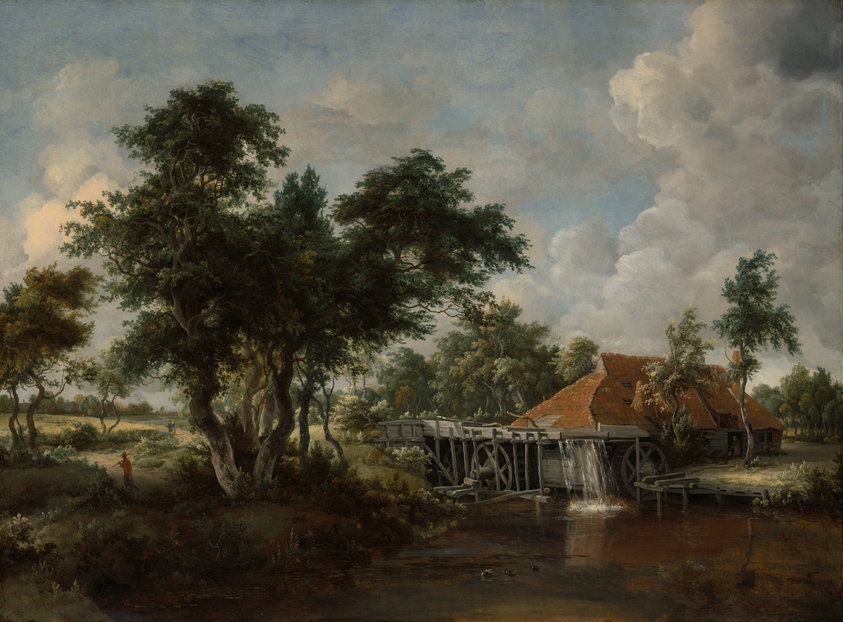
      The Watermill with the Great Red Roof
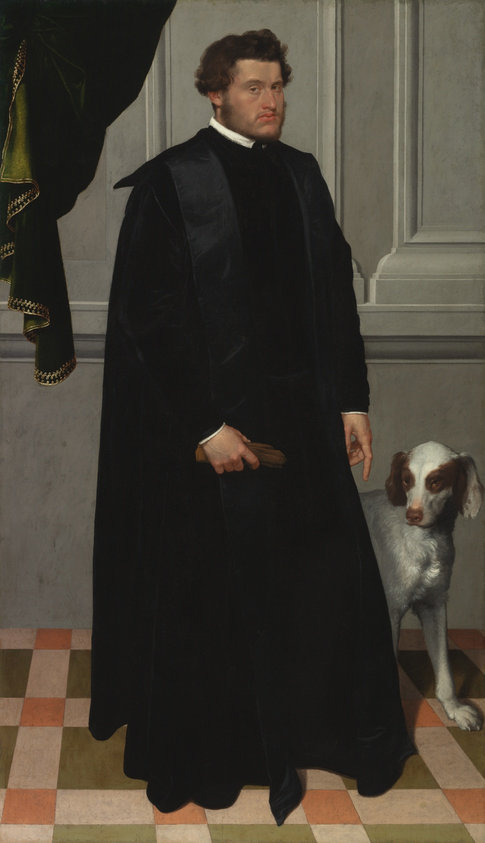
      Gian Lodovico Madruzzo
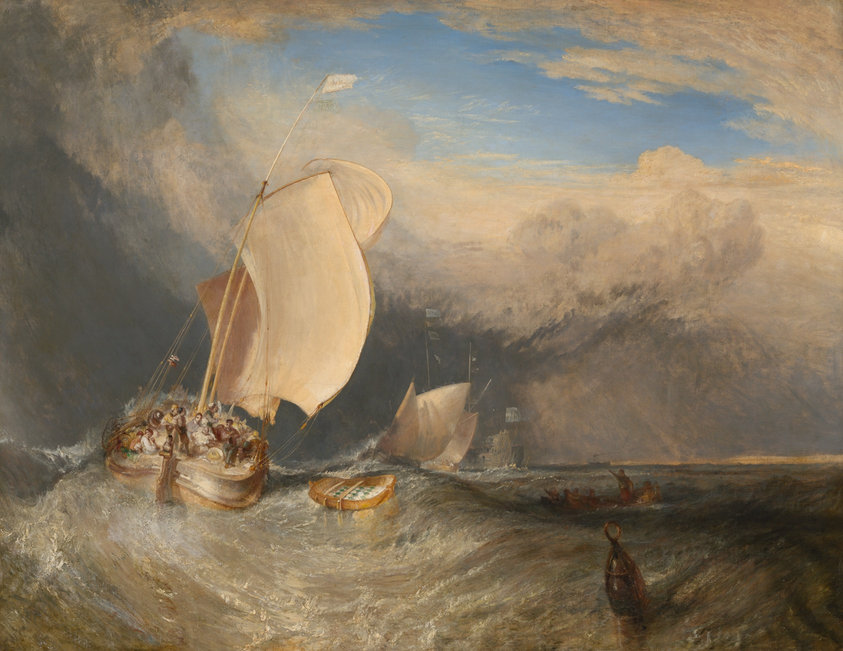
      Fishing Boats with Hucksters Bargaining for Fish
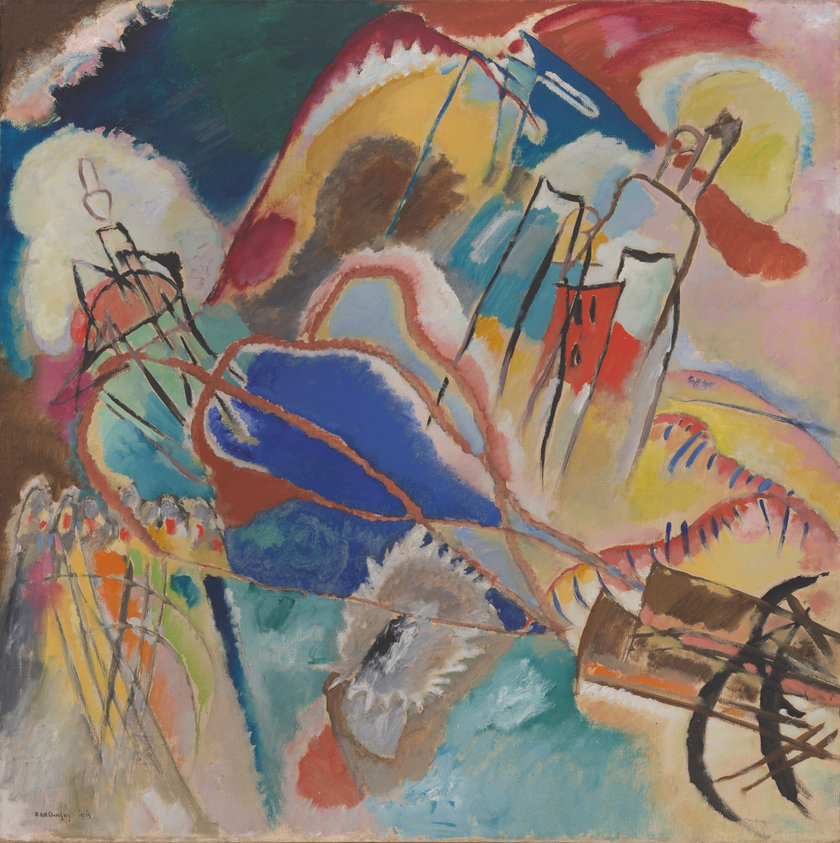
      Improvisation No. 30 (Cannons)
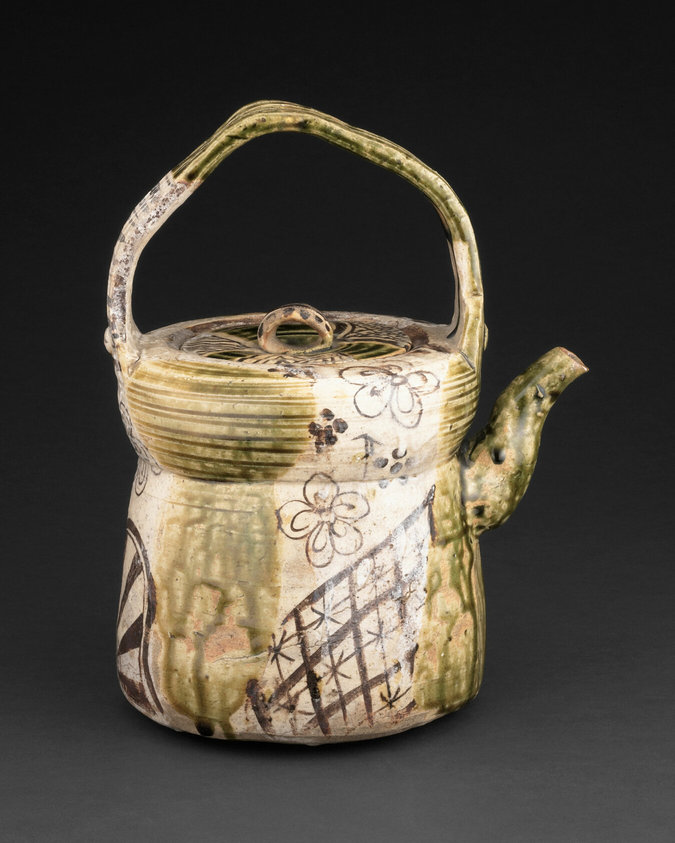
      Oribe-Type Ewer
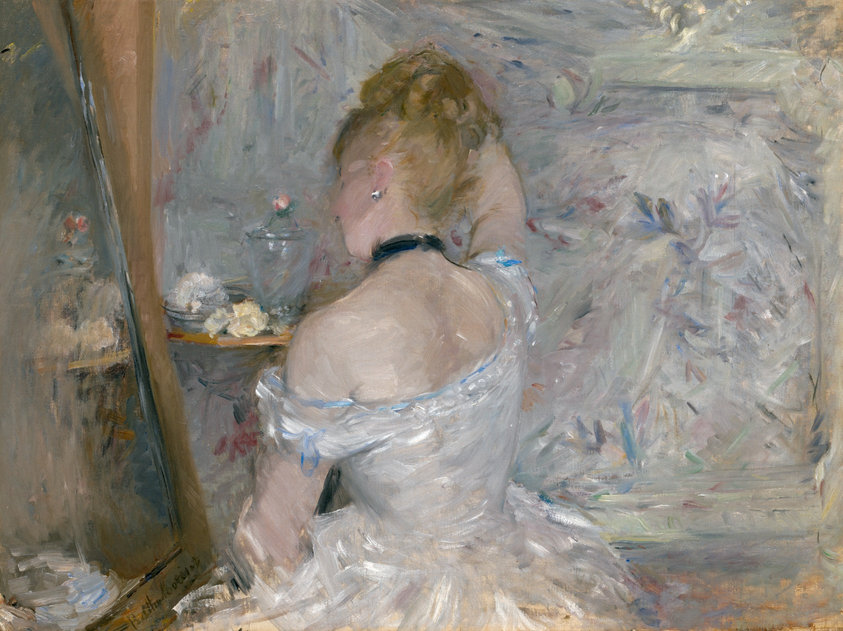
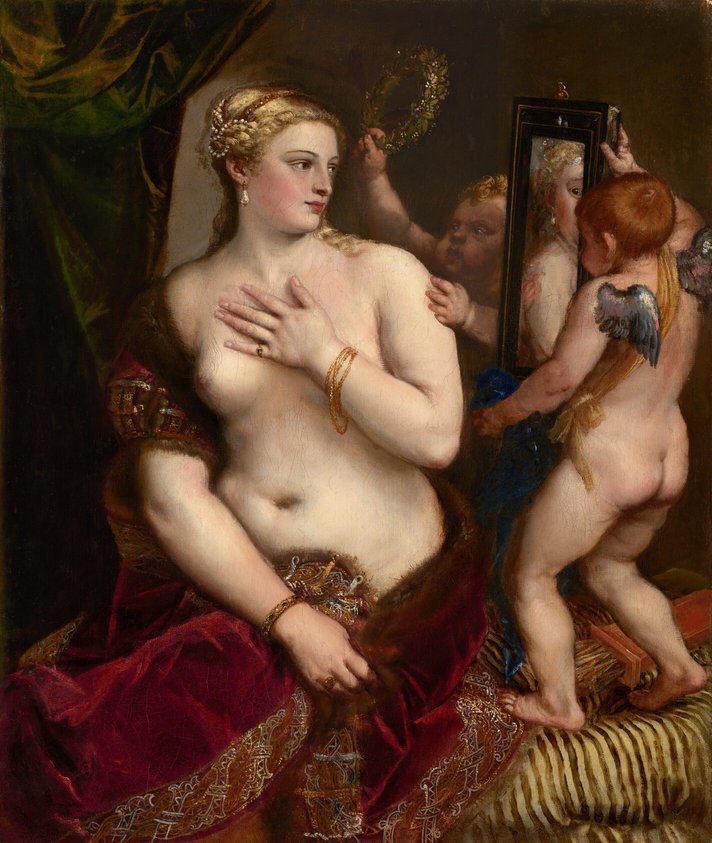
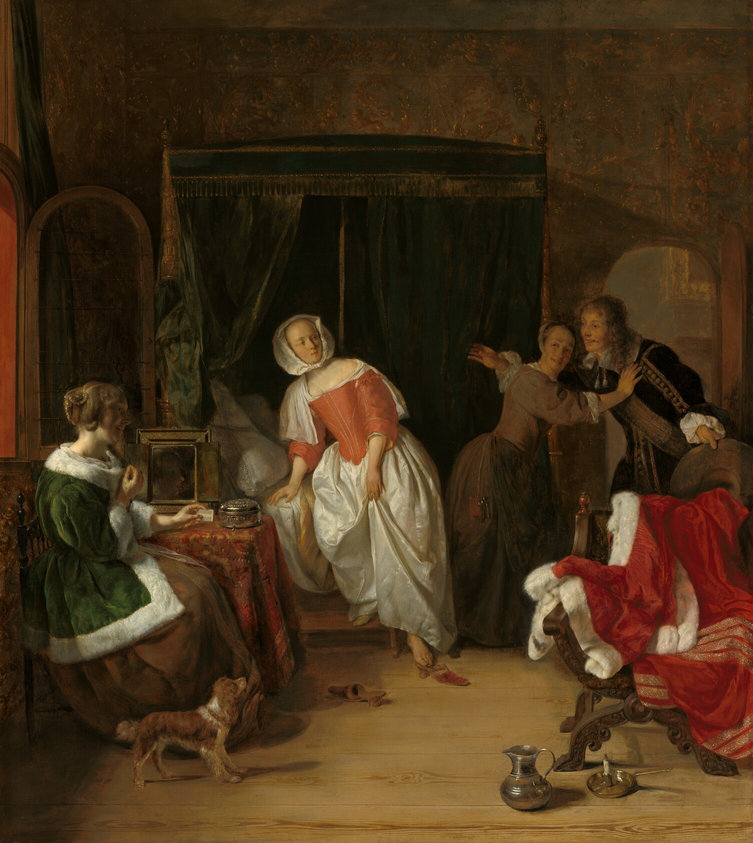
      Woman at Her Toilette
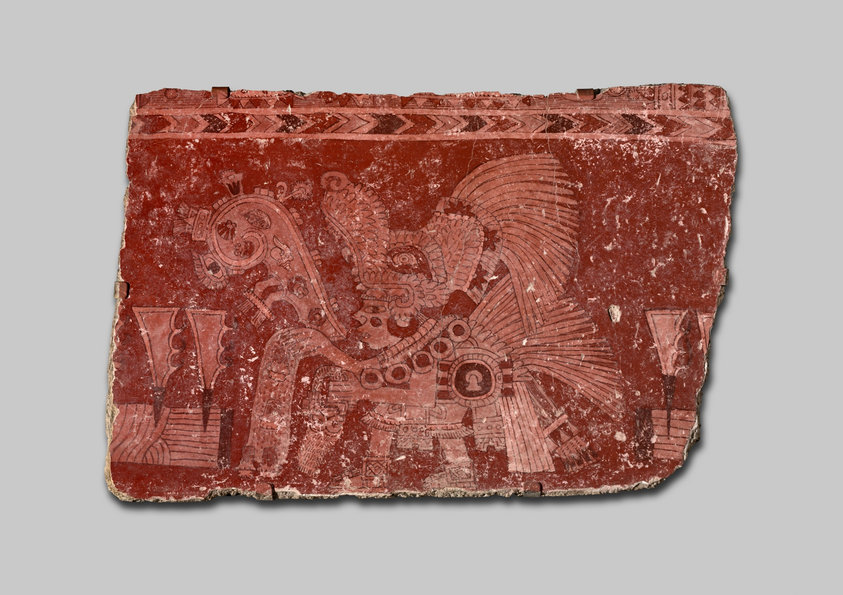
      Mural Fragment Depicting a Maguey Bloodletting Ritual
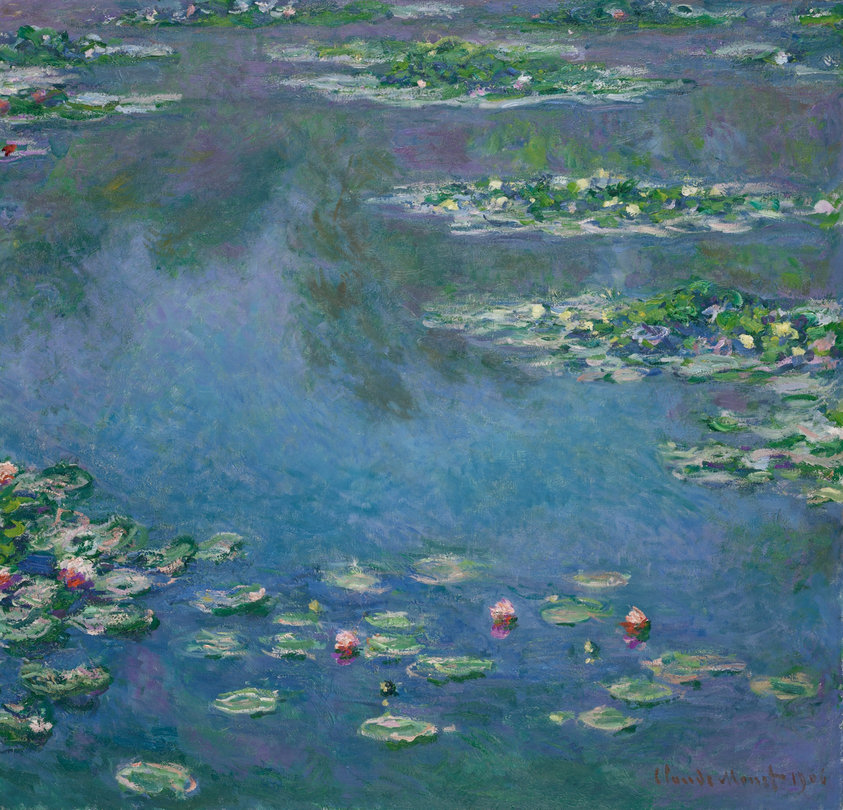
      Water Lilies
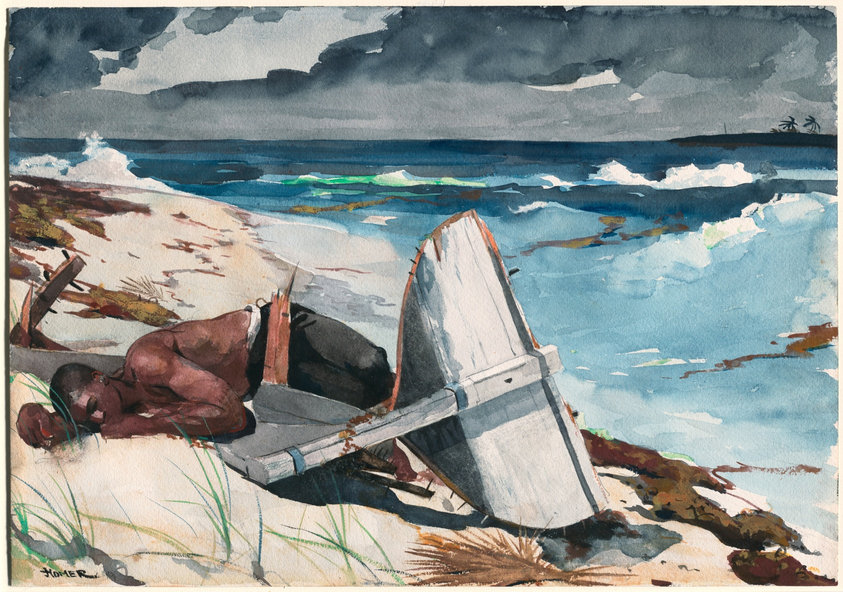
      After the Hurricane, Bahamas
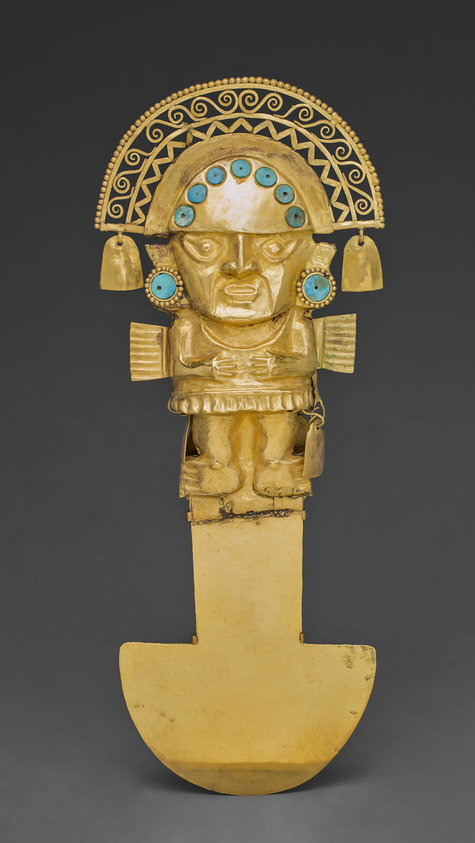
      Ceremonial Knife (Tumi)
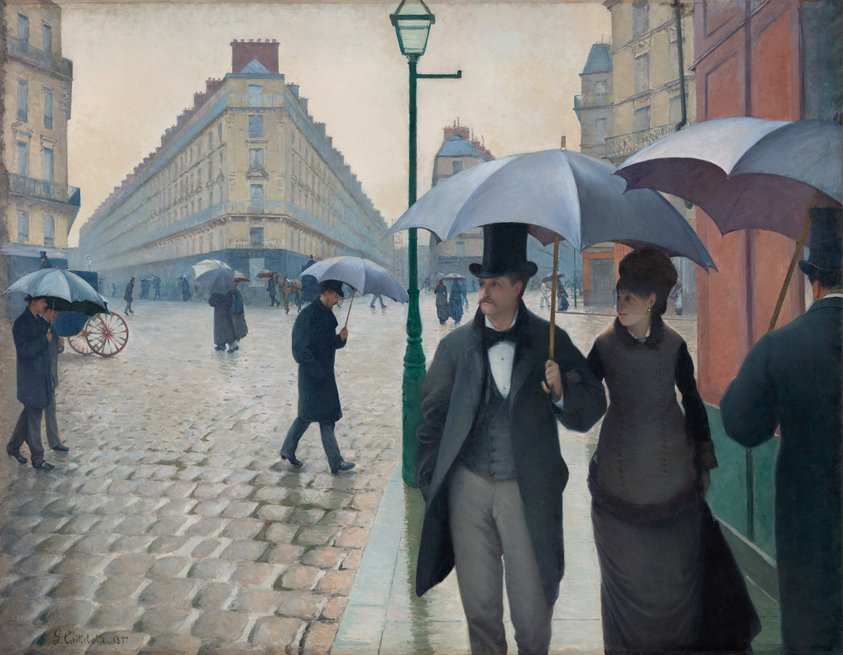
      Paris Street; Rainy Day
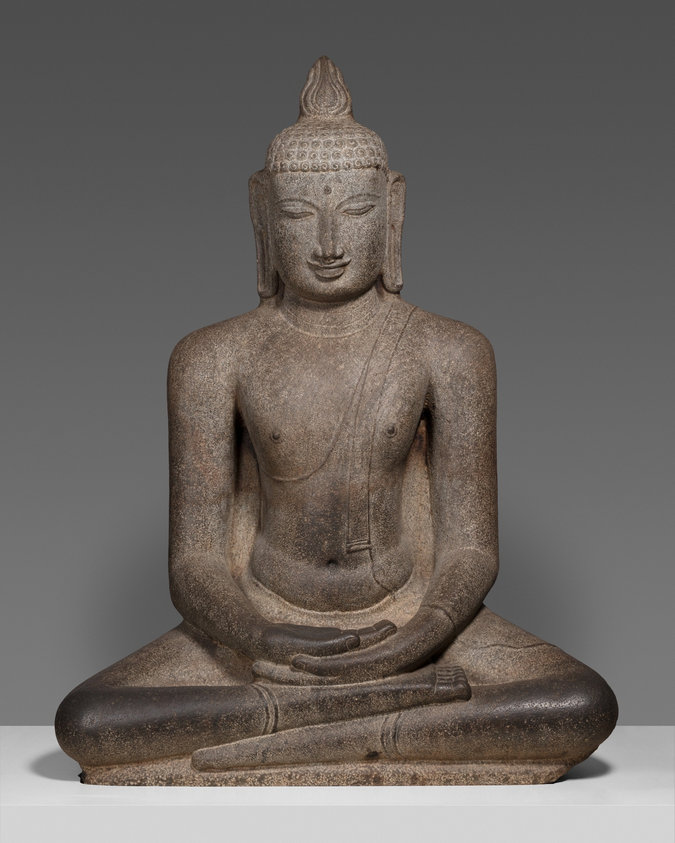
      Buddha Shakyamuni Seated in Meditation (Dhyanamudra)
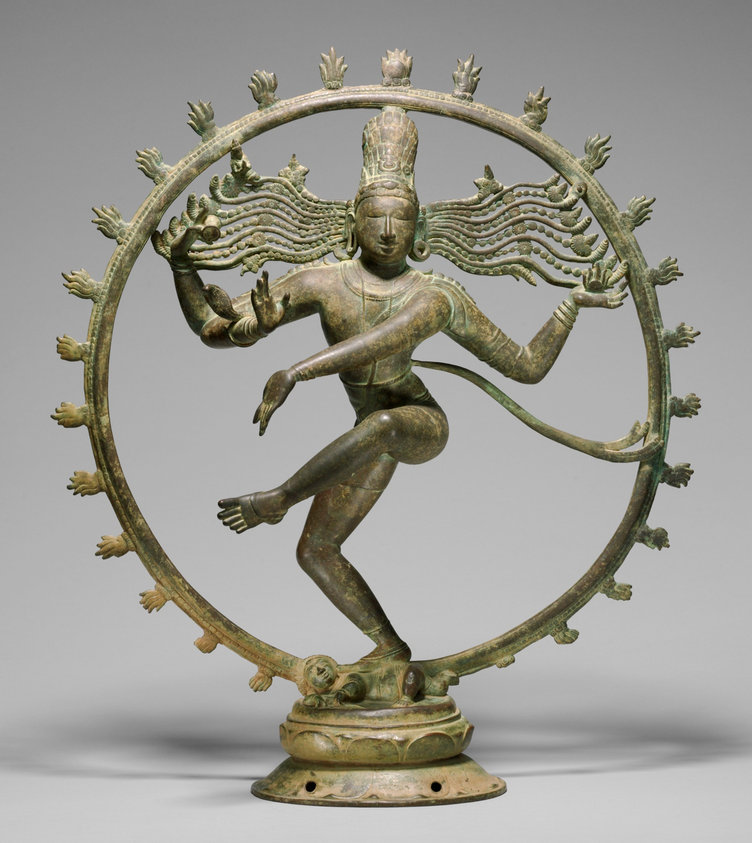
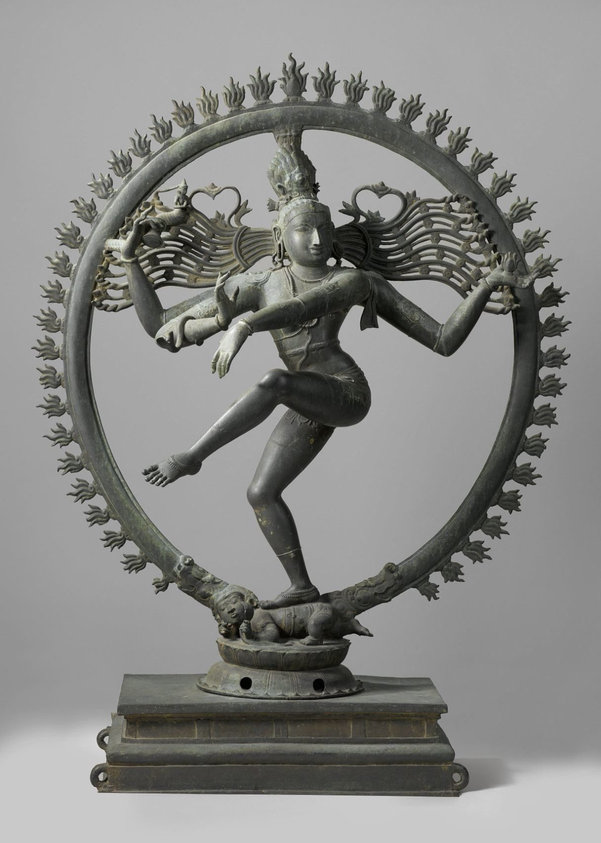
      Shiva as Lord of the Dance (Nataraja)
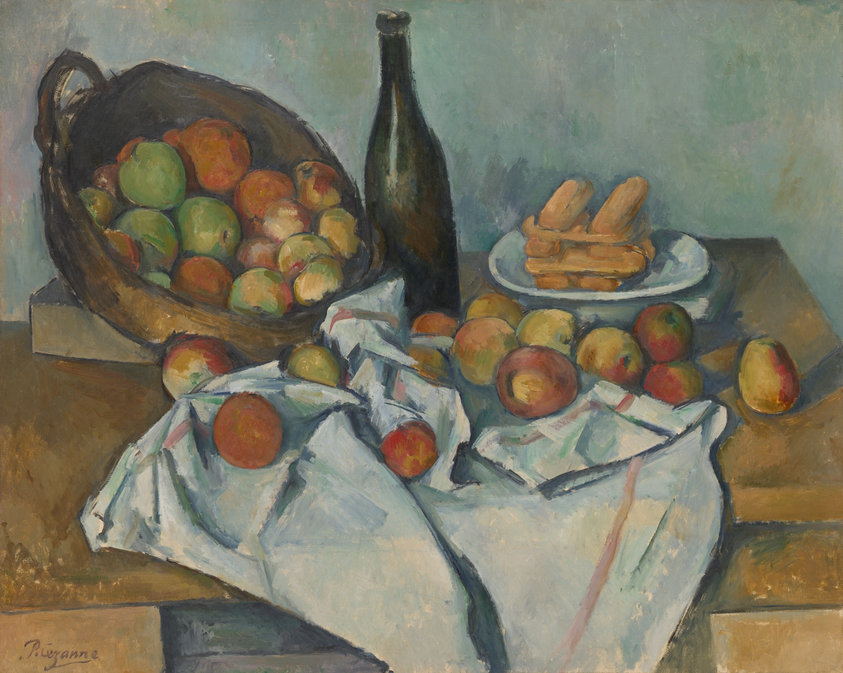
      The Basket of Apples
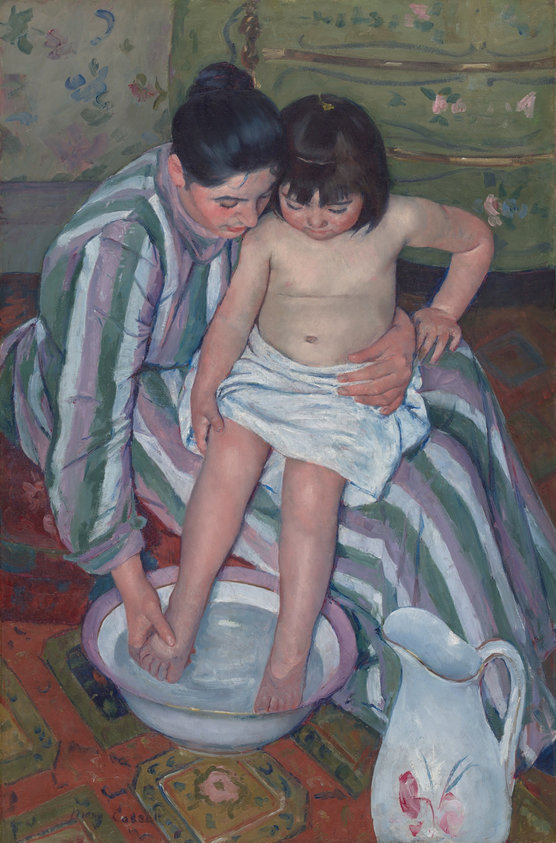
      The Child's Bath
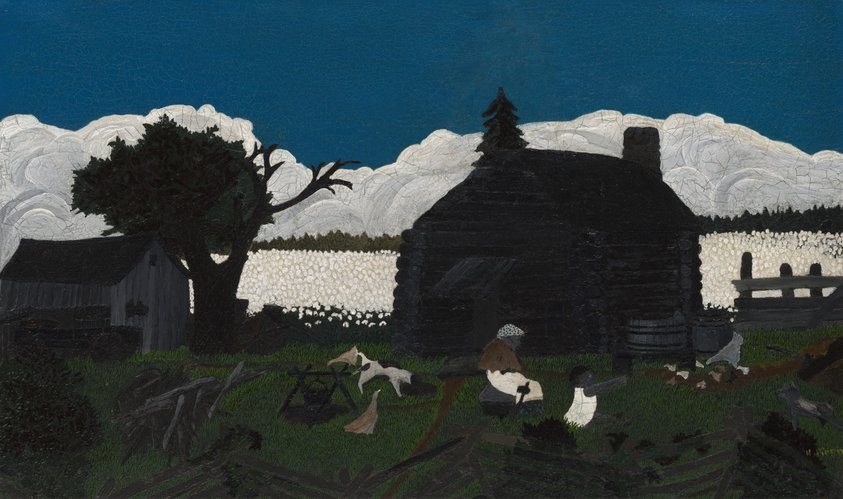
      Cabin in the Cotton
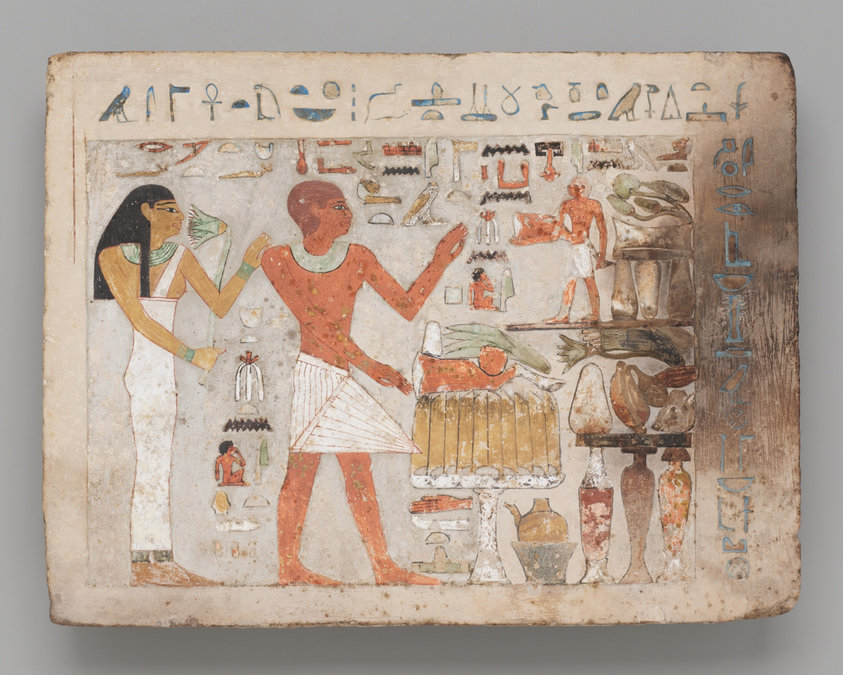
      Stela of Amenemhat and Hemet
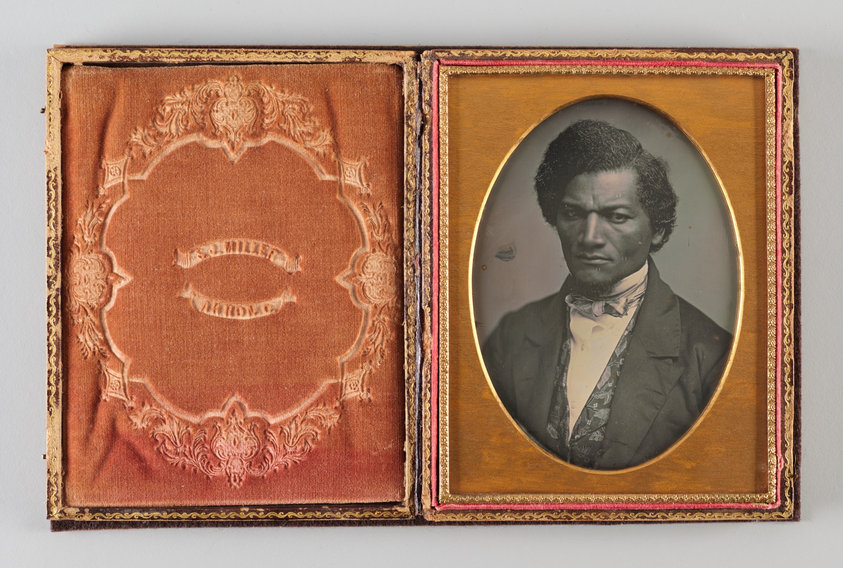
      Frederick Douglass
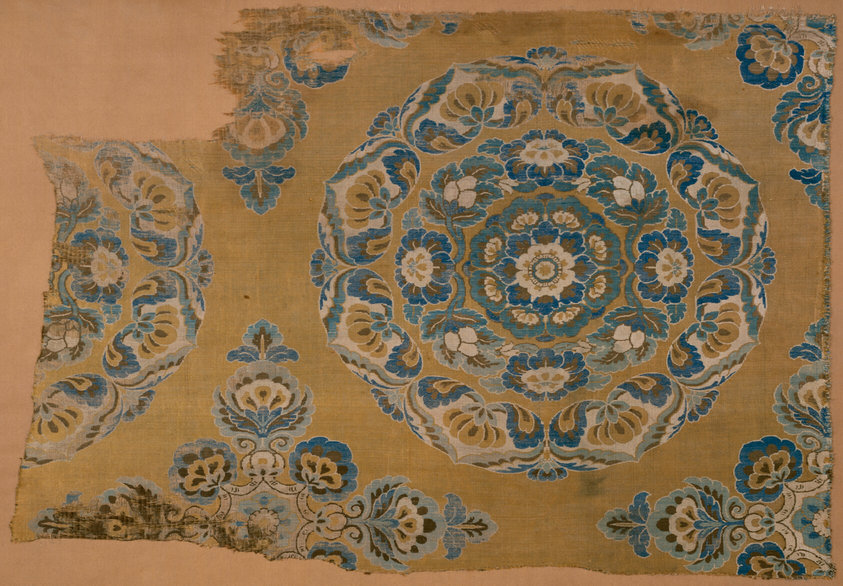
      Fragment (Dress Fabric)
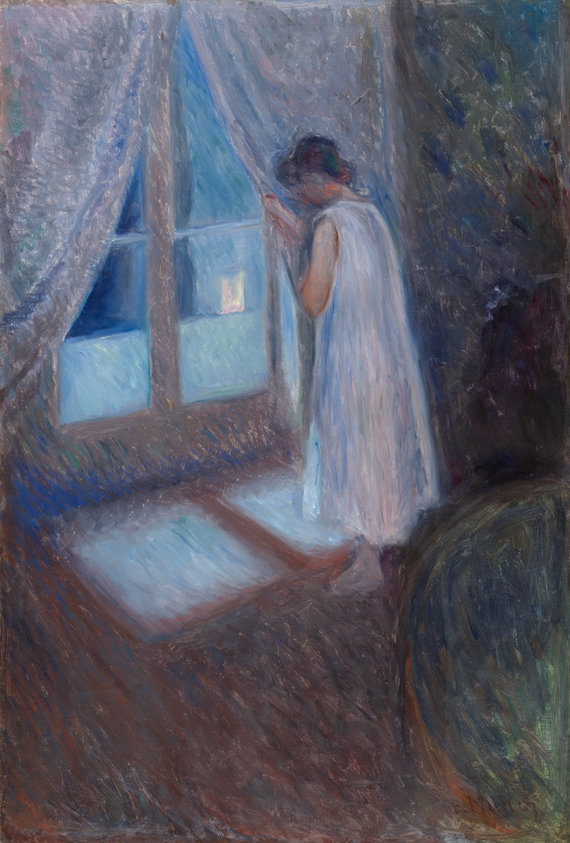
      The Girl by the Window
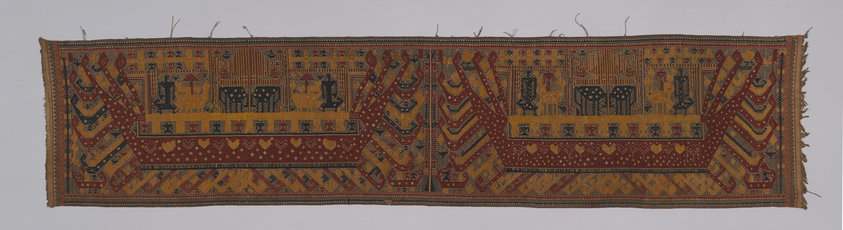
      Ceremonial Hanging (Palepai)
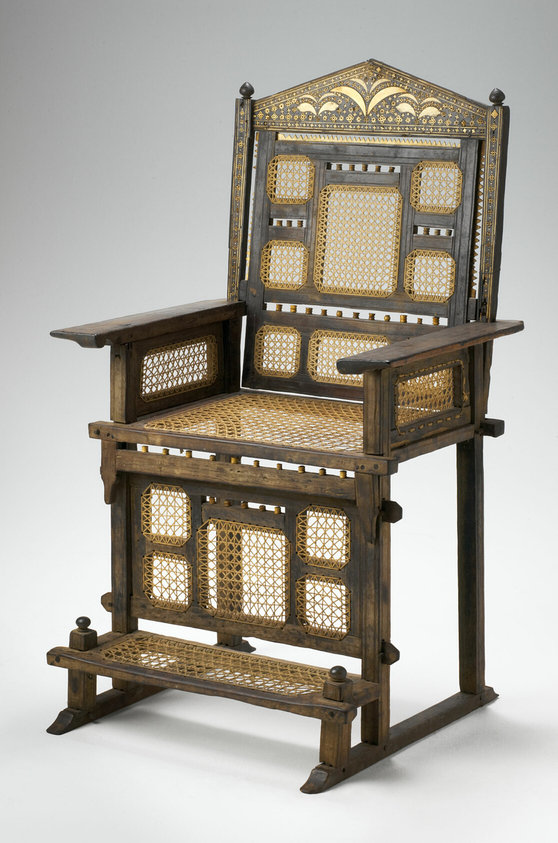
      Chair (Kiti Cha Enzi)
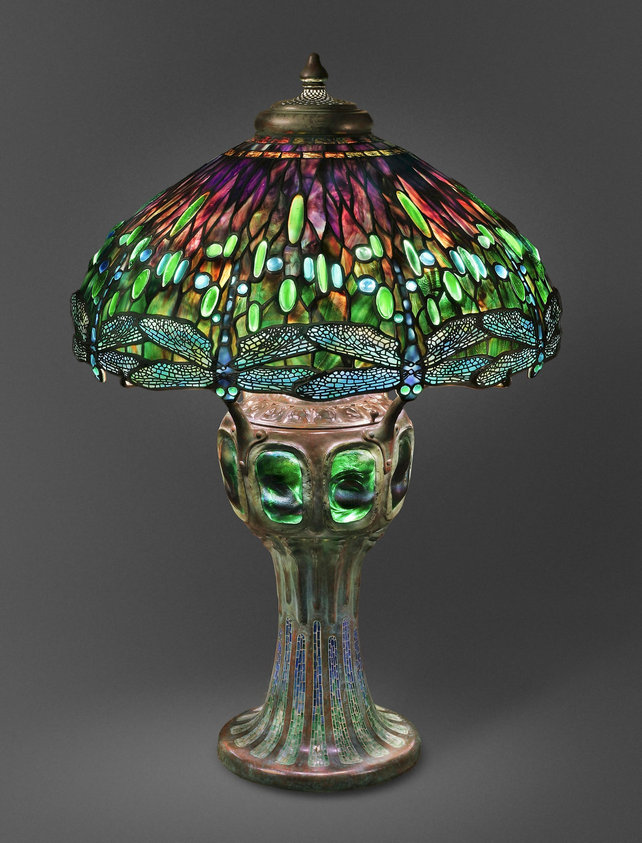
      Lamp with Hanging Head Dragonfly Shade and Mosaic and Turtleback Base
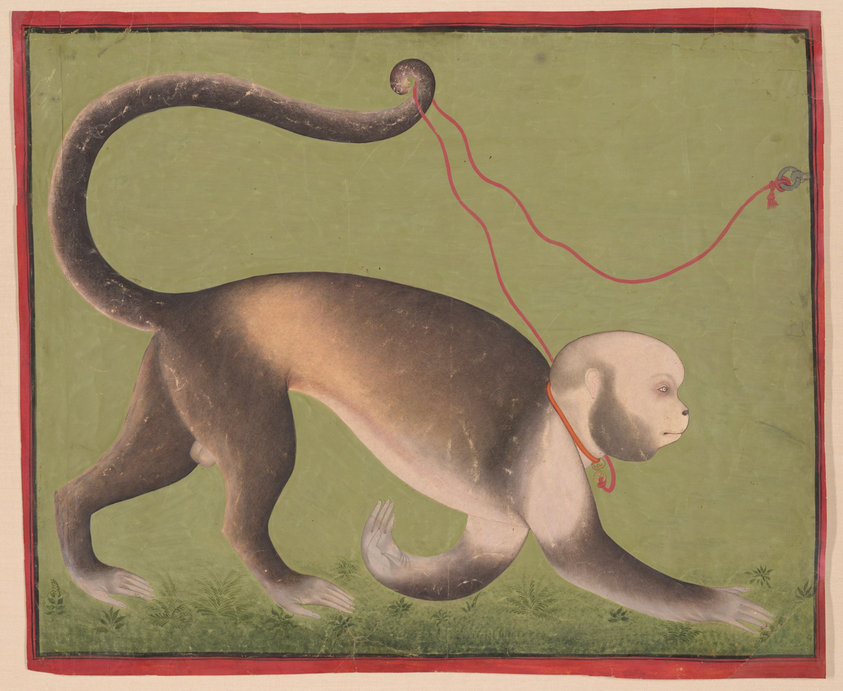
      A Monumental Portrait of a Monkey
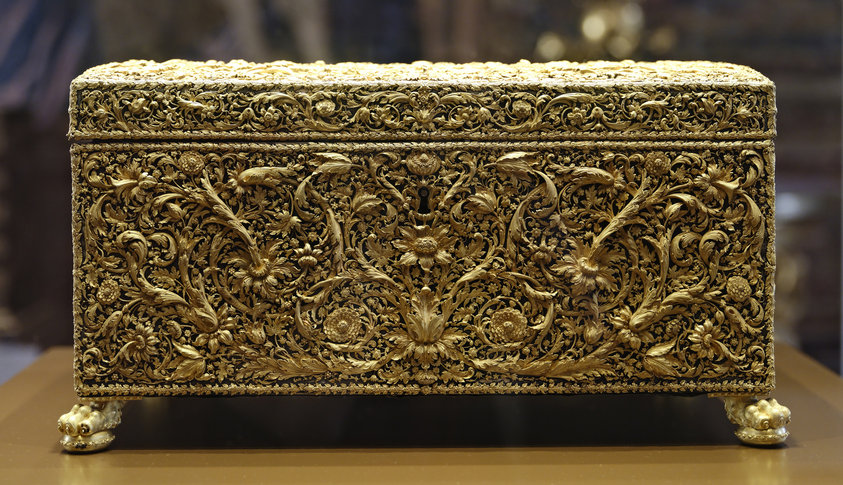
      Coffre des pierreries de Louis XIV
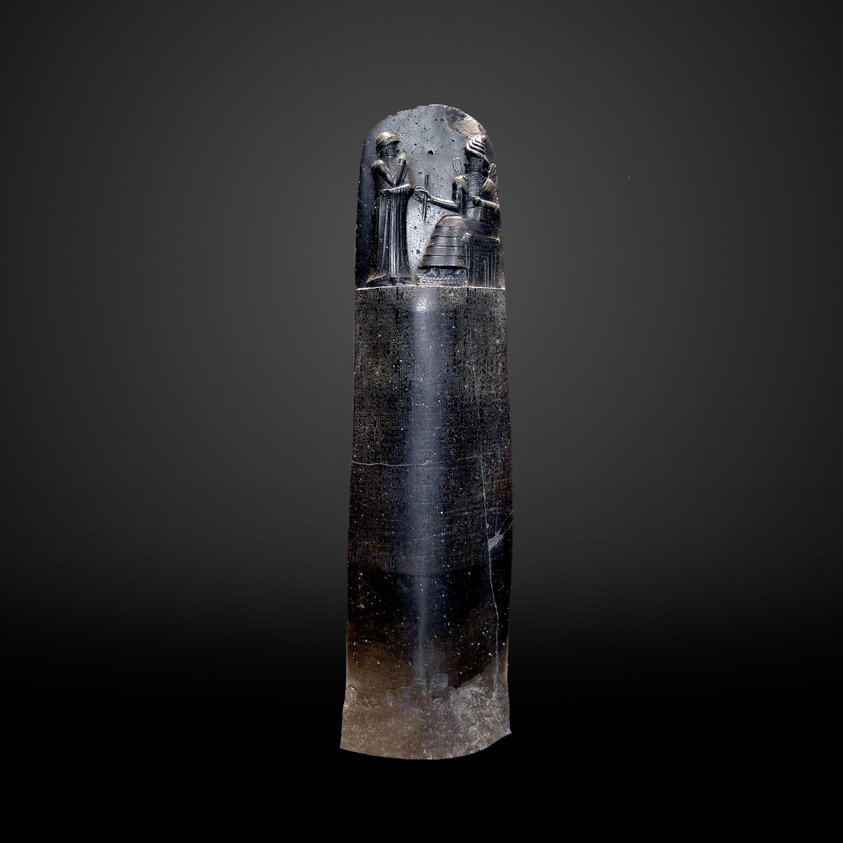
      Code de Hammurabi
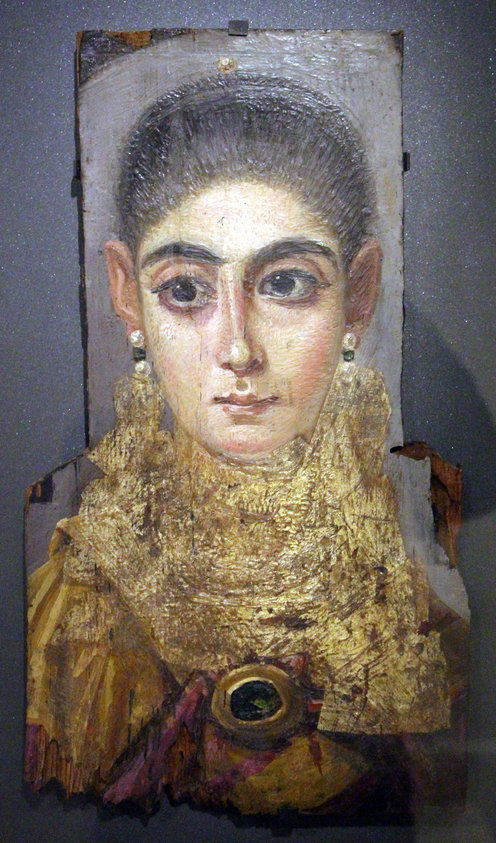
      L'Européenne
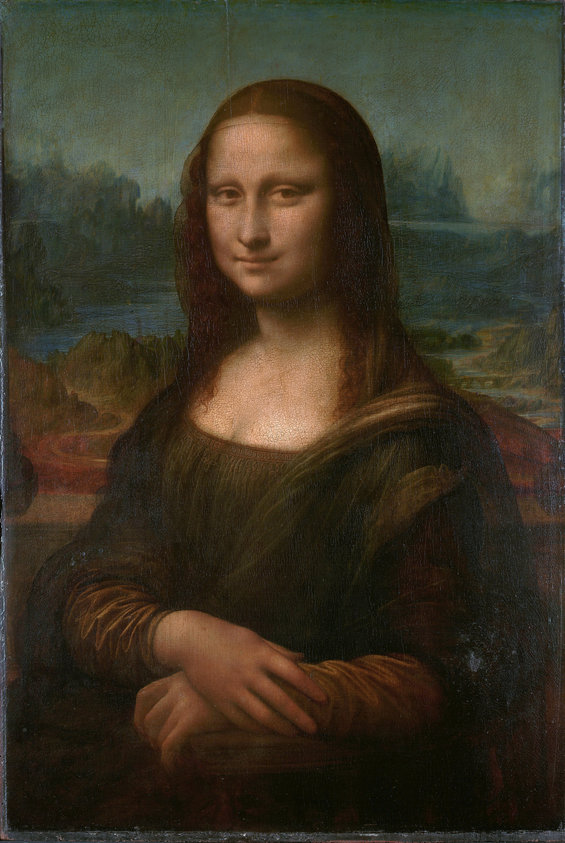
      Portrait de Lisa Gherardini, épouse de Francesco del Giocondo, dit La Joconde ou Monna Lisa
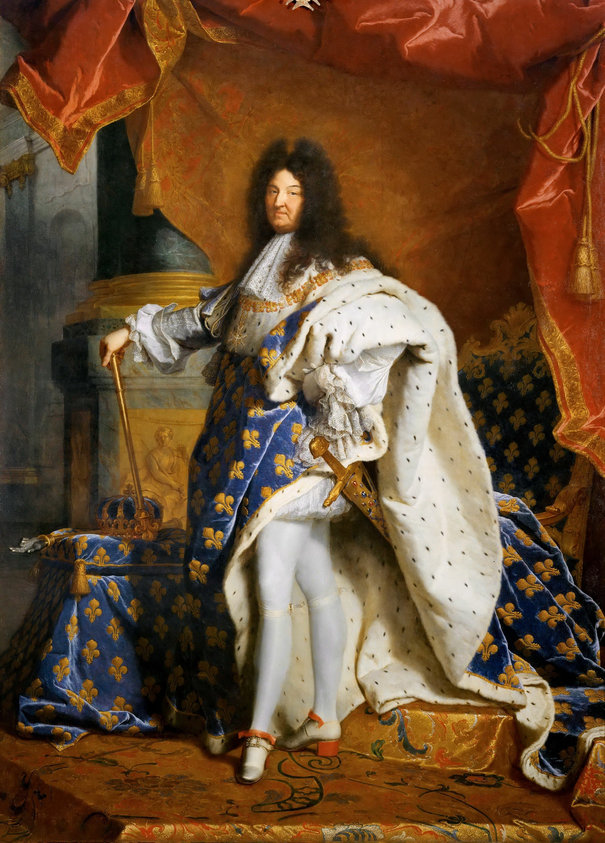
      Louis XIV (1638-1715), roi de France
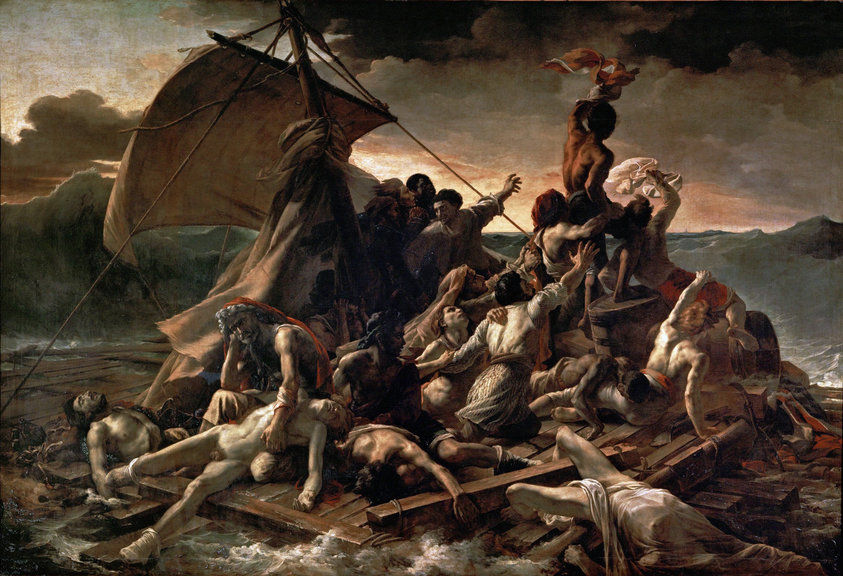
      Le radeau de la Méduse
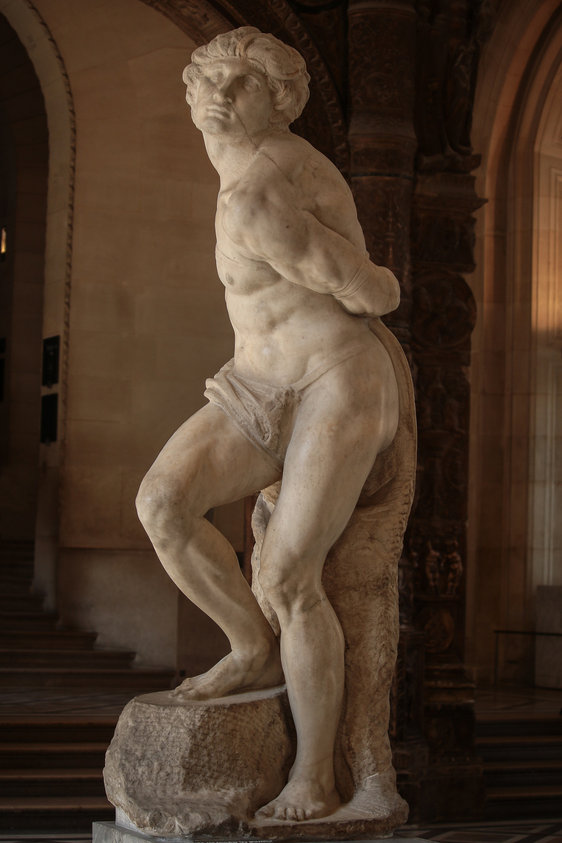
      Esclave rebelle
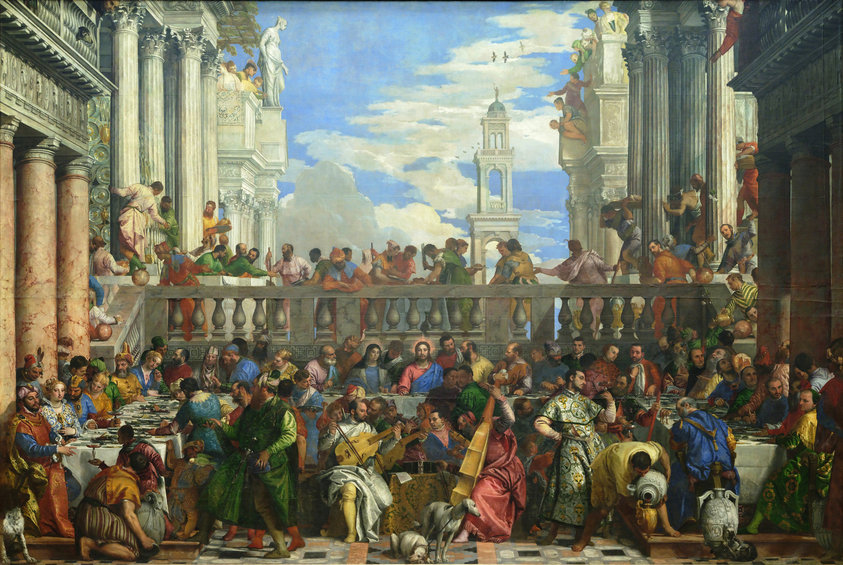
      Les Noces de Cana
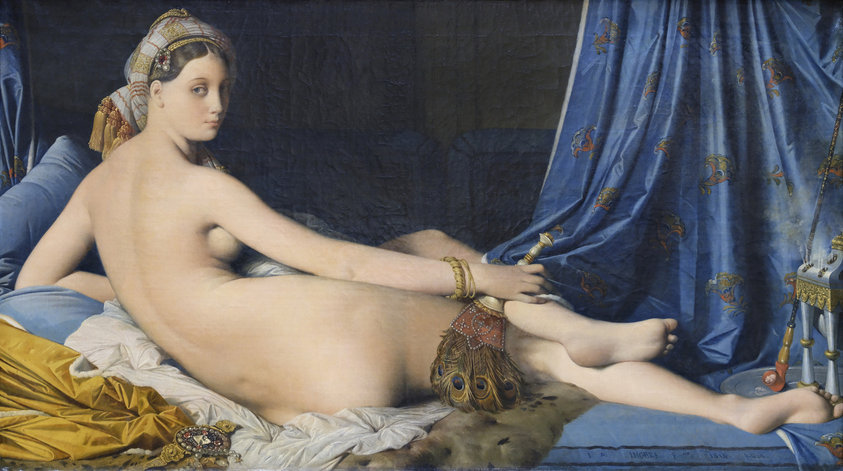
      Une odalisque, dite La grande odalisque
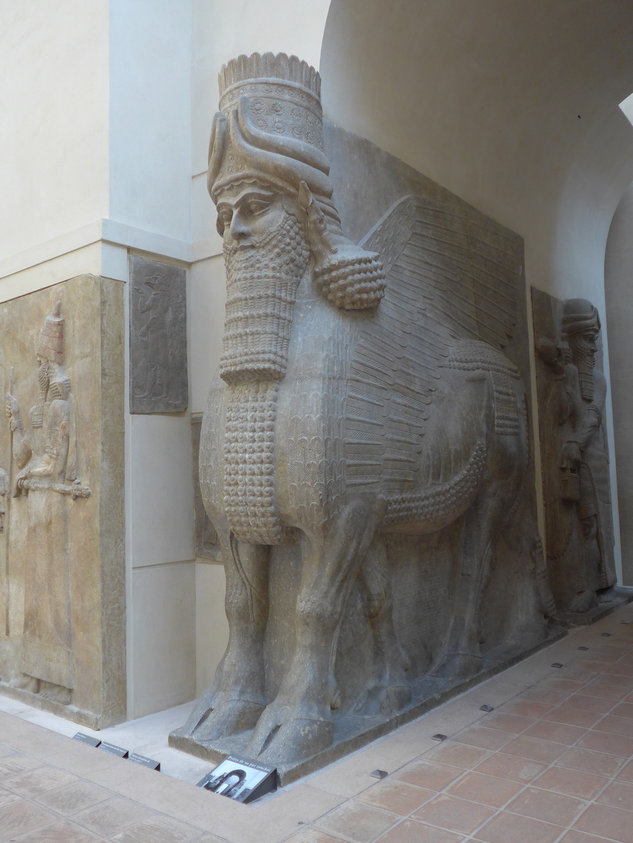
      relief mural
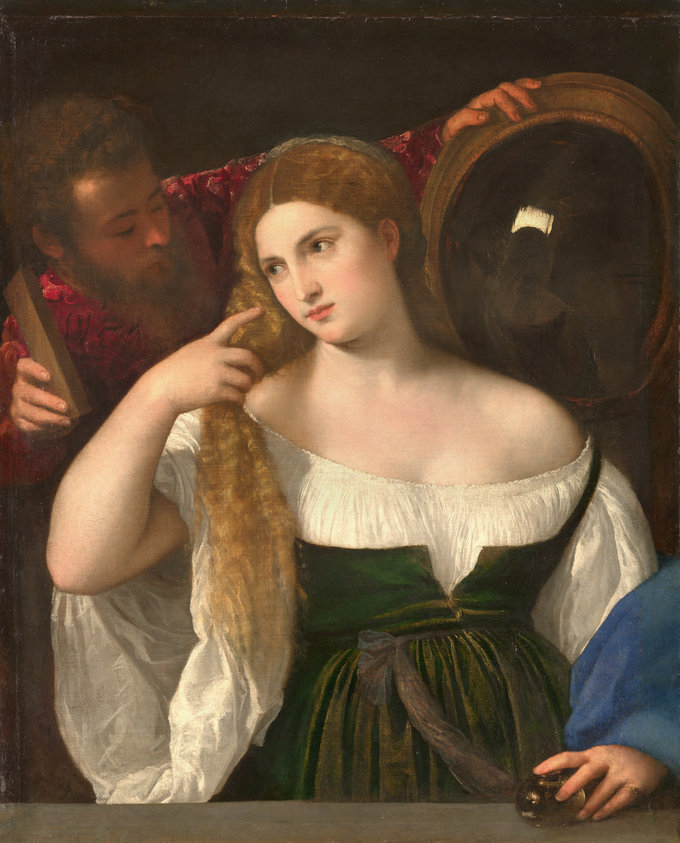
      La Femme au miroir
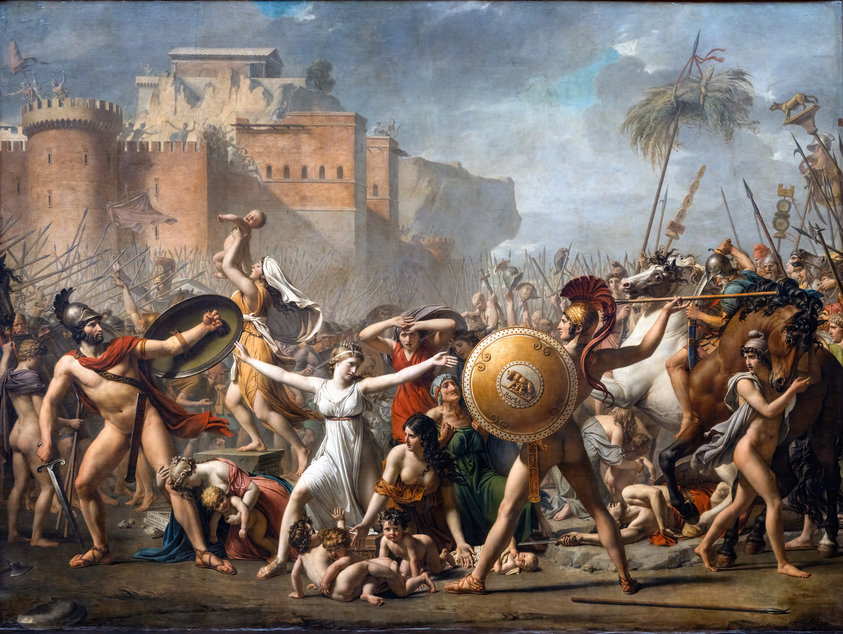
      Les Sabines
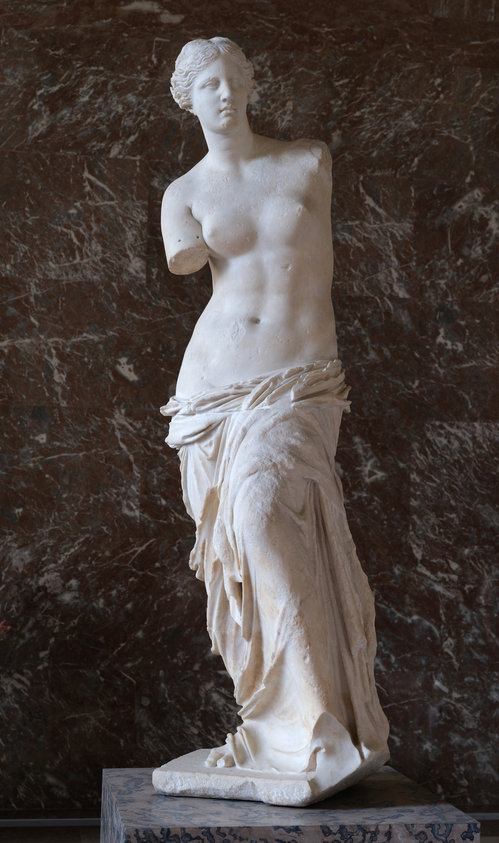
      Vénus de Milo
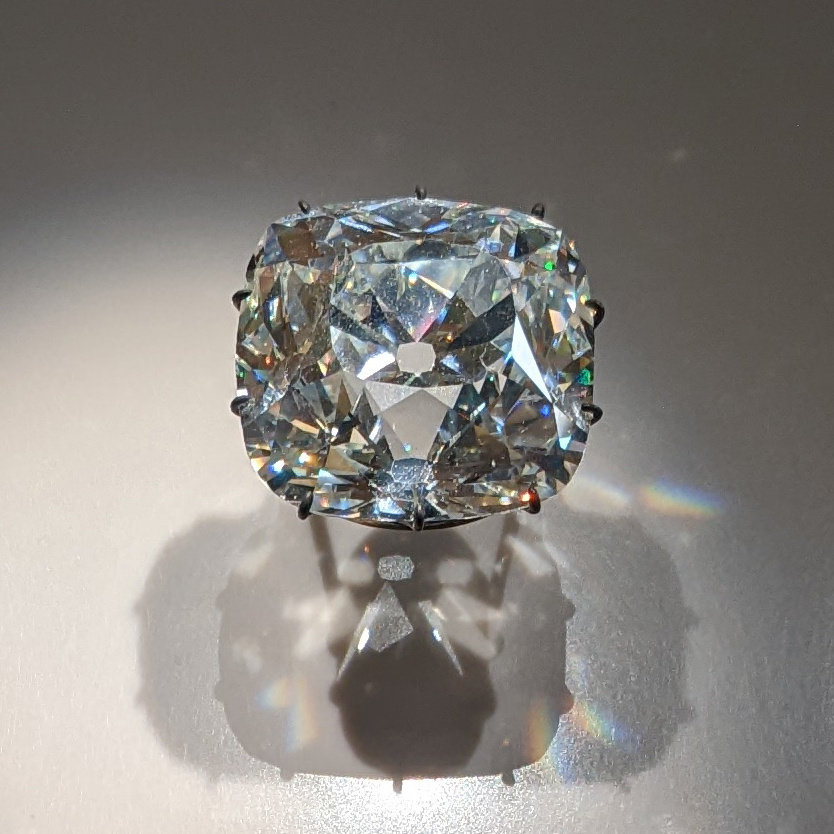
      Diamant, dit "le Régent"
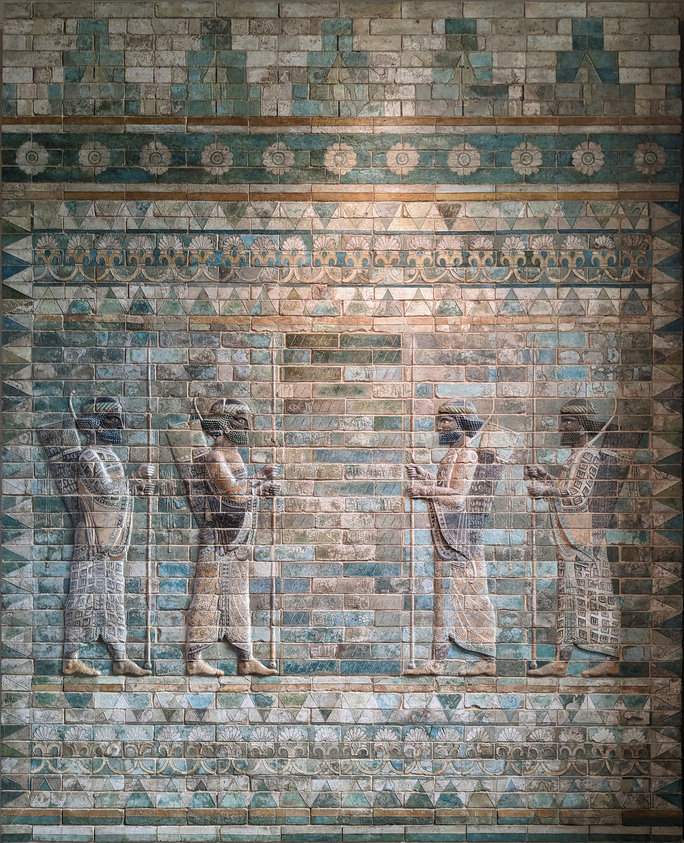
      Frise des archers
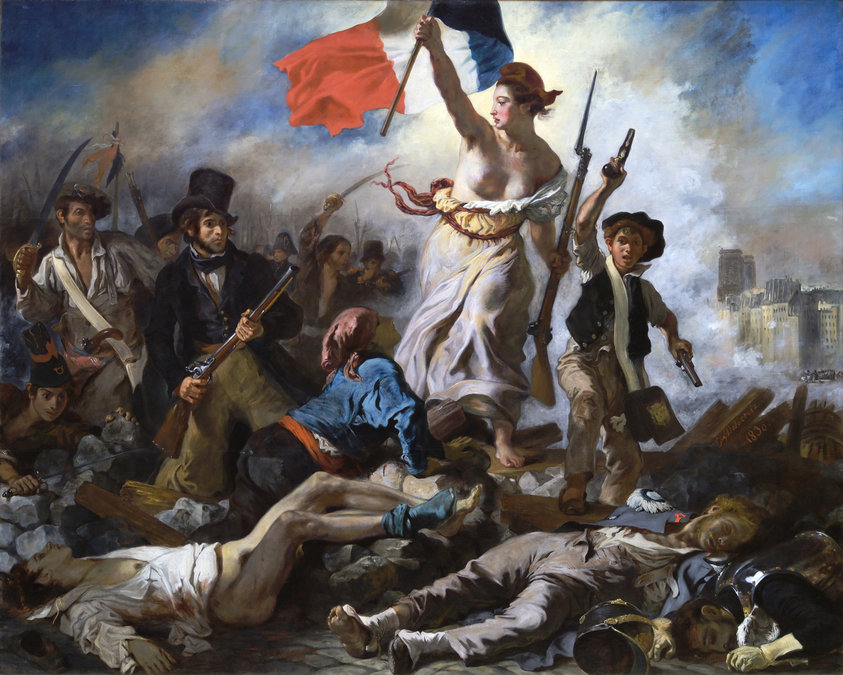
      Le 28 juillet 1830. La Liberté guidant le peuple
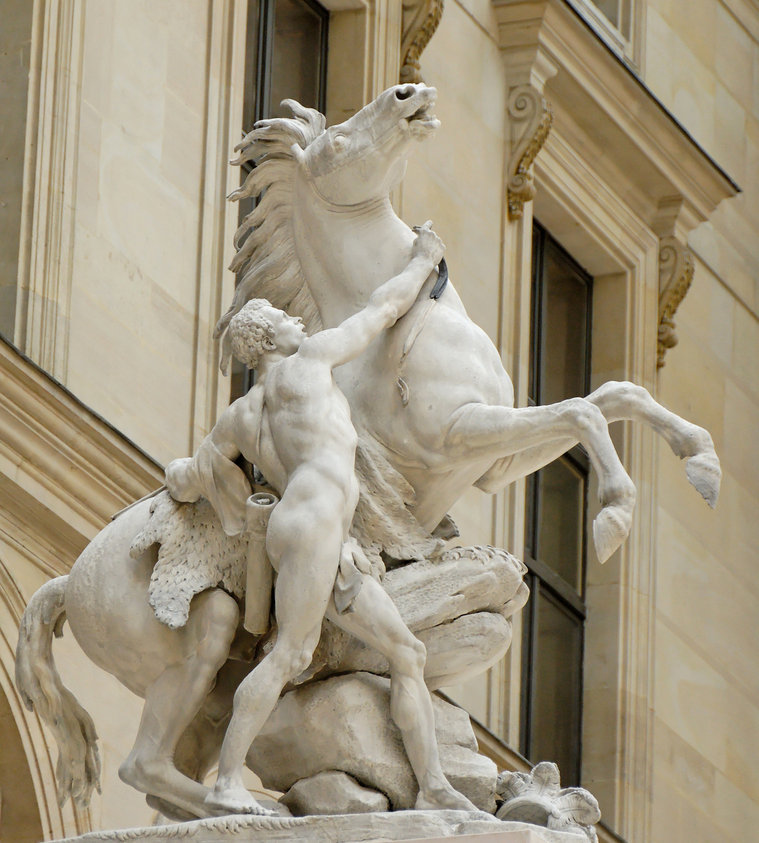
      Cheval retenu par un palefrenier
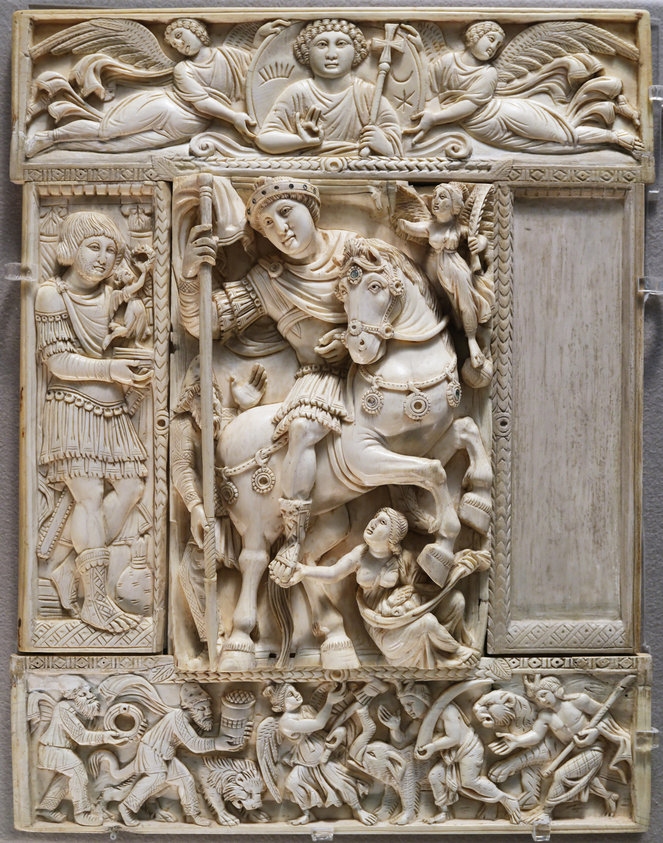
      Feuillet de diptyque en cinq parties : l'Empereur triomphant (Justinien ?)
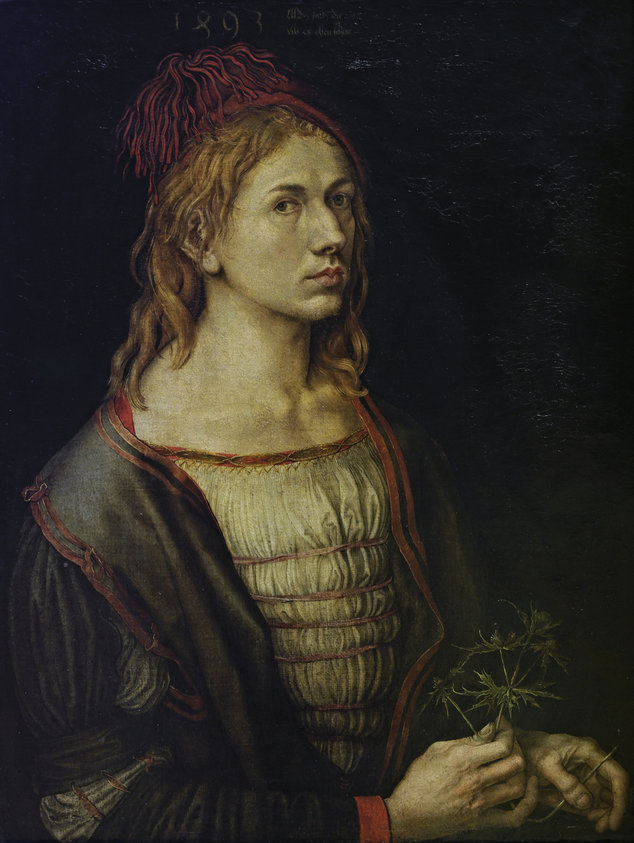
      Portrait de l'artiste tenant un chardon
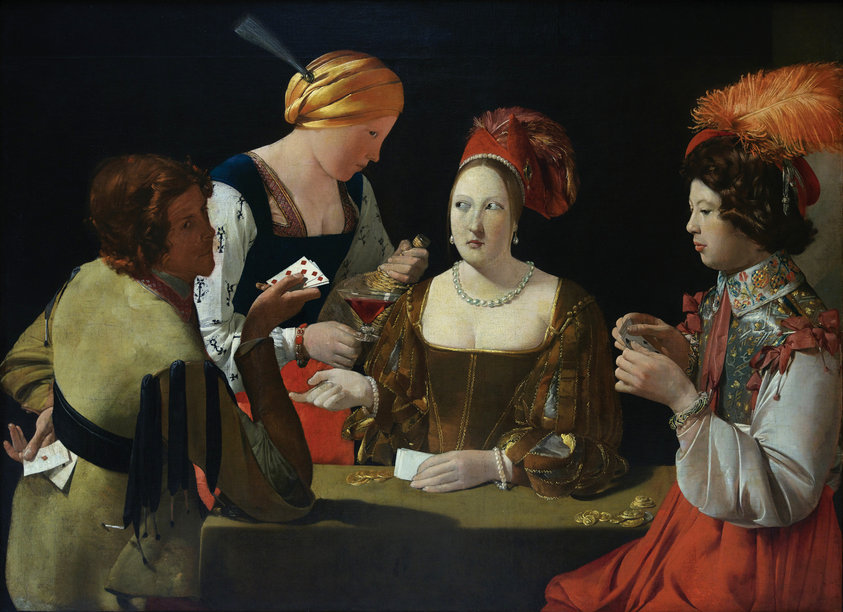
      Le Tricheur à l’as de carreau
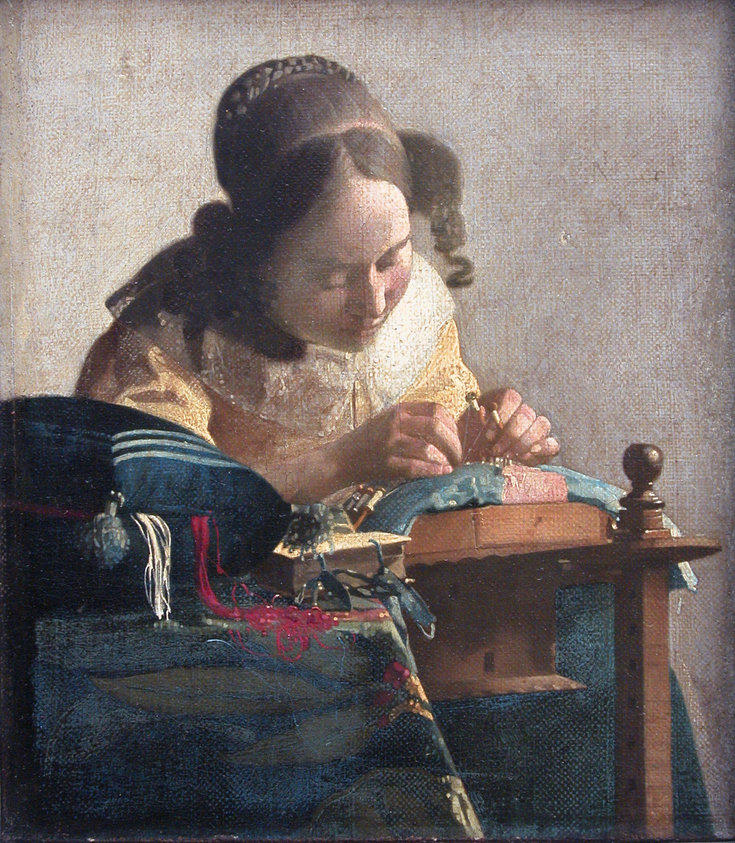
      La Dentellière
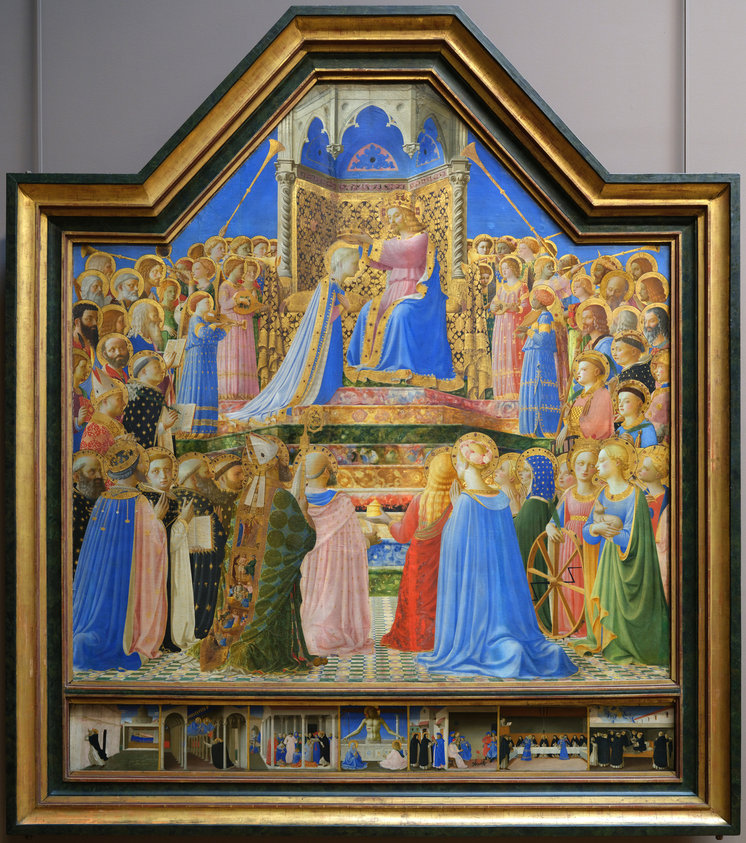
      Le Couronnement de la Vierge
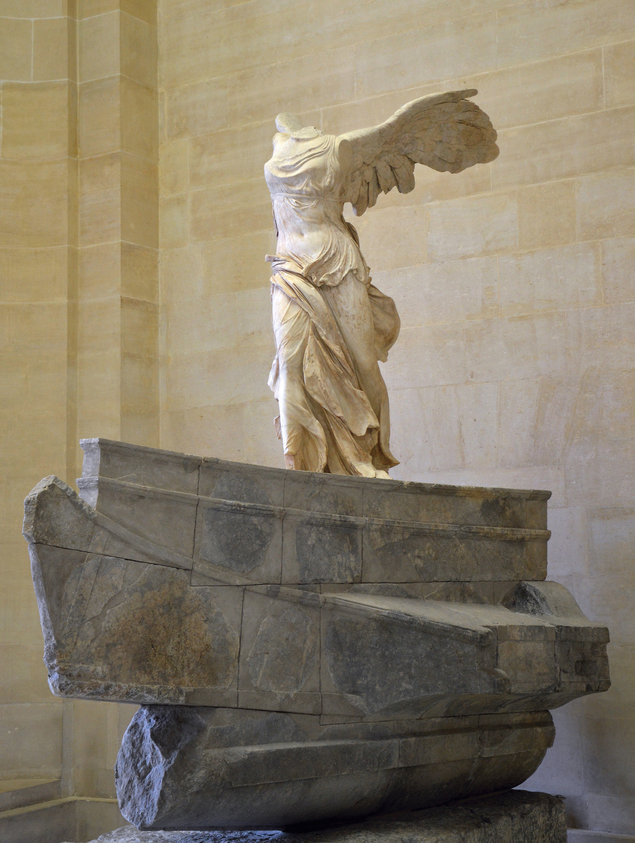
      Victoire de Samothrace
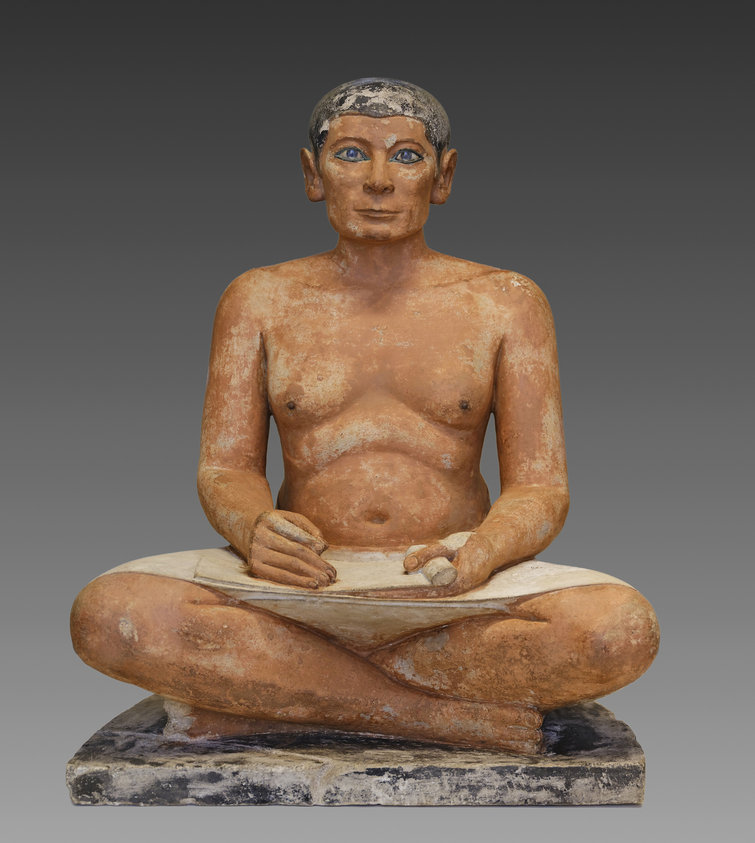
      Le scribe accroupi
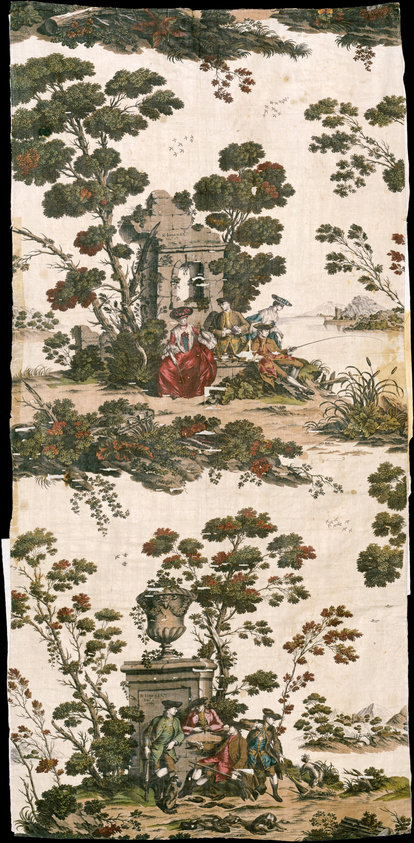
      Hunting and fishing scenes
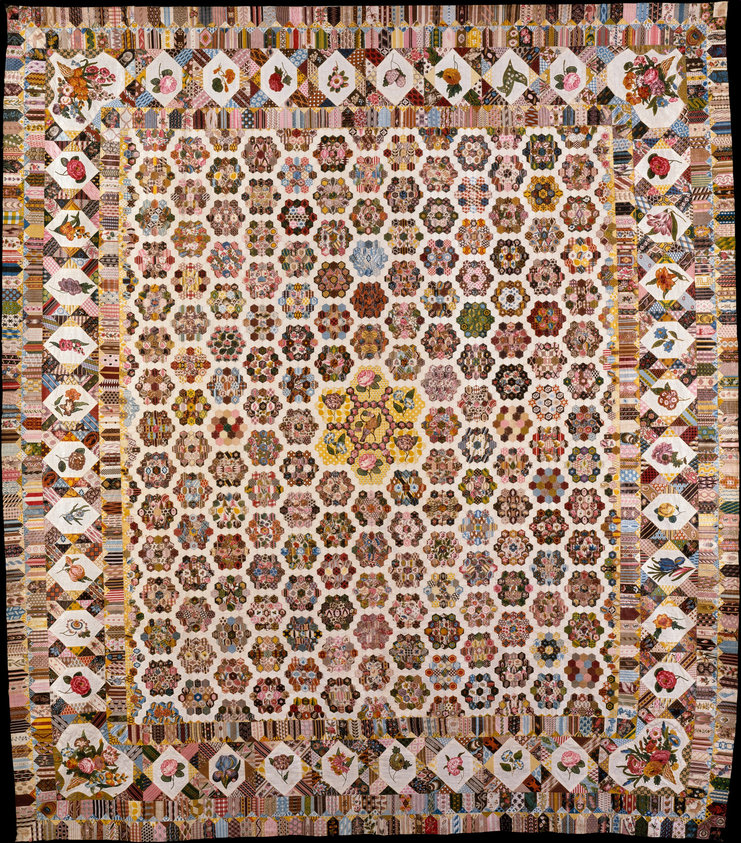
      Quilt
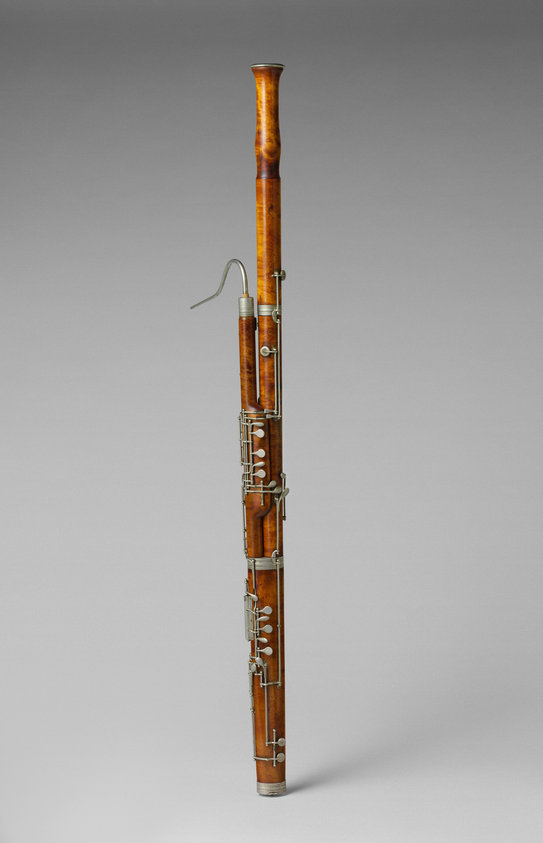
      Bassoon
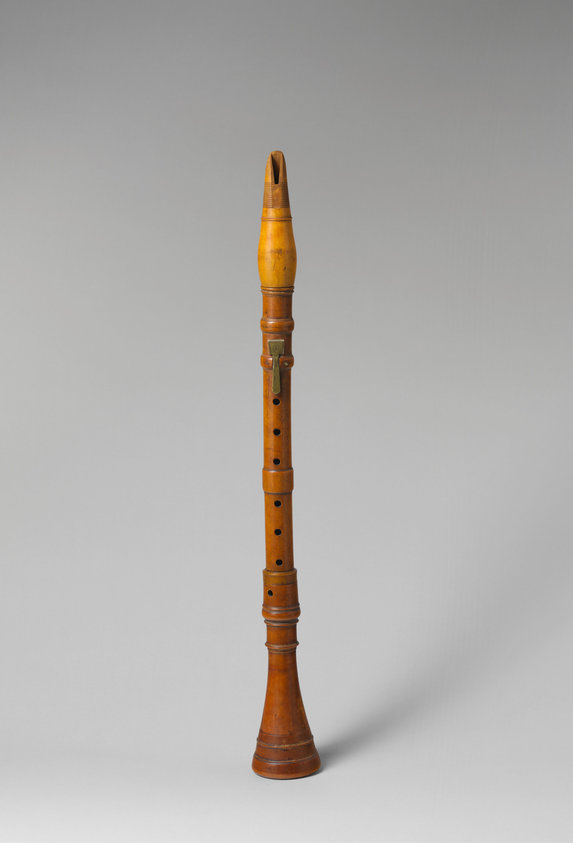
      Clarinet in D
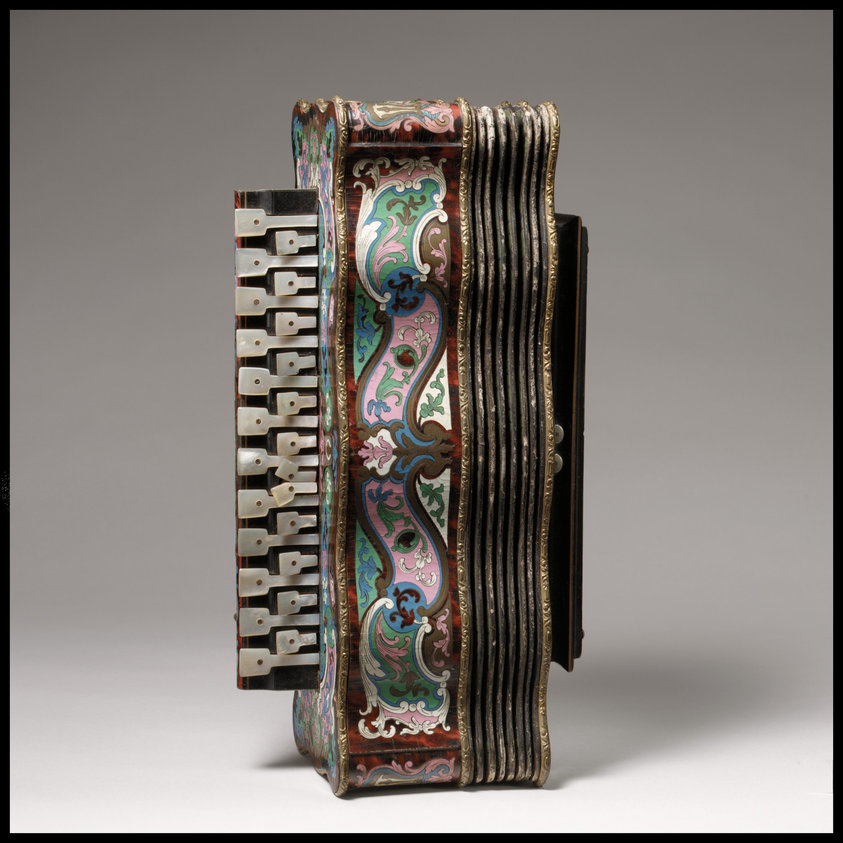
      Accordion
      Ensemble
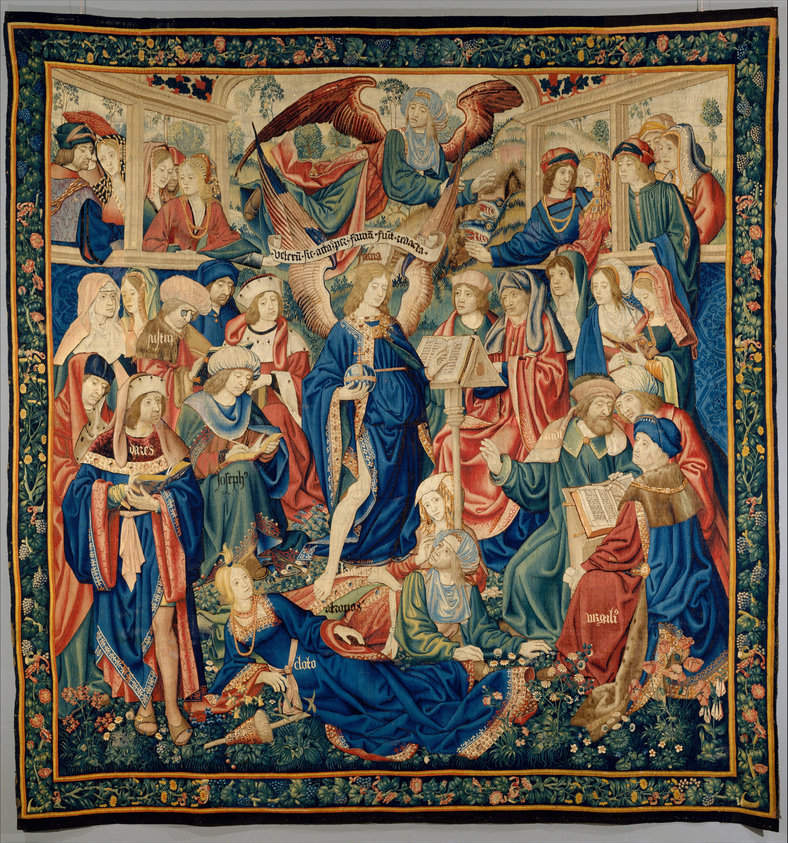
      The Triumph of Fame
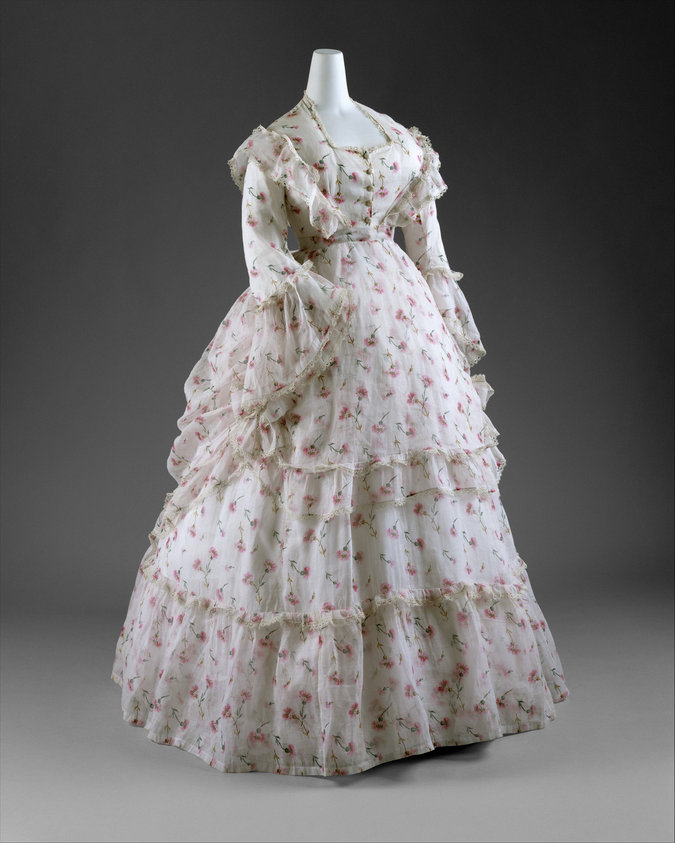
      Dress
      Spoon holder
      Rosewater ewer
      Potpourri vase (pot-pourri gondole)
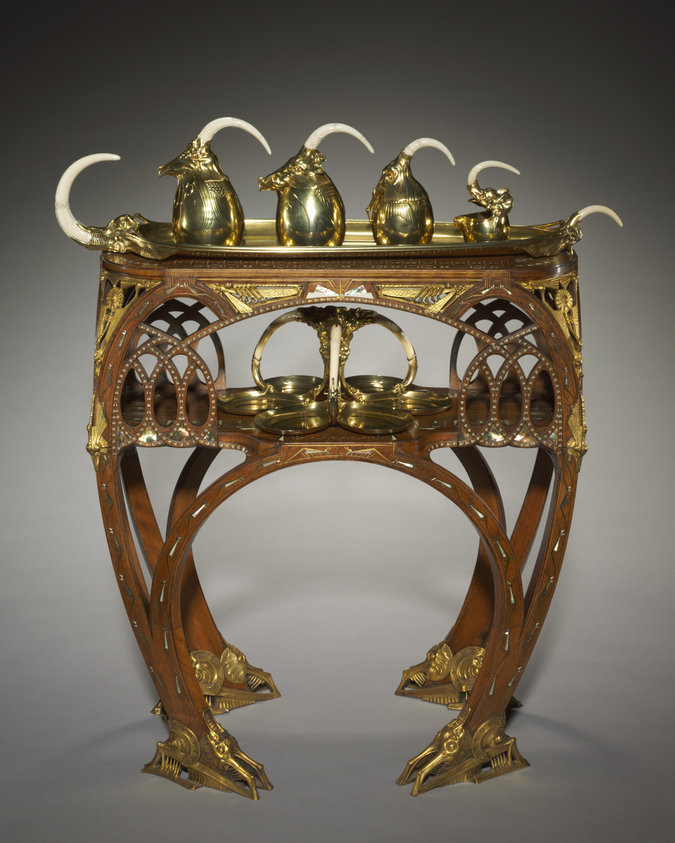
      Mechanical table
      Processional cross
      American Barque "Jane Tudor," Conway Bay
      Henri-Charles Maniglier
      The Refectory of the Imperial Asylum at Vincennes
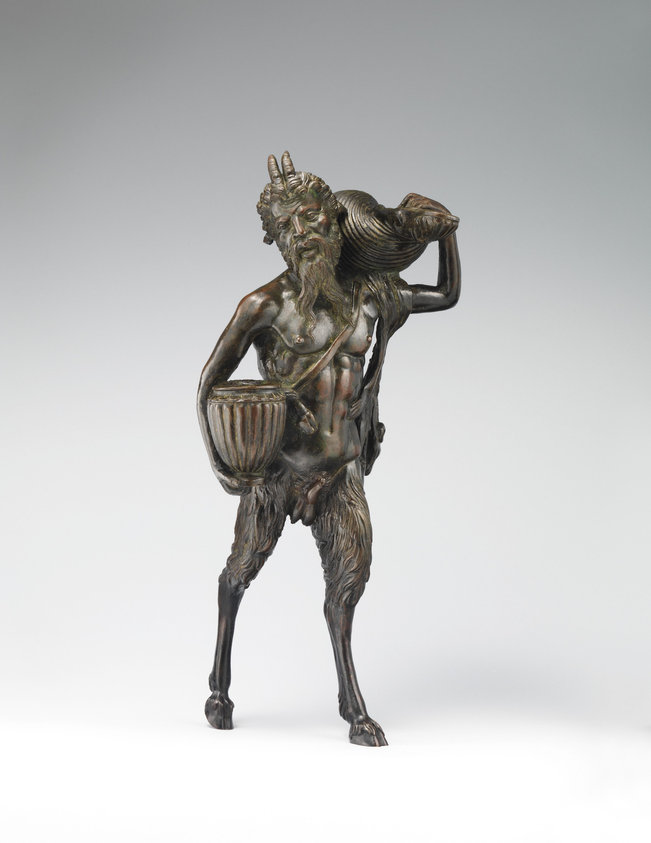
      Striding Pan
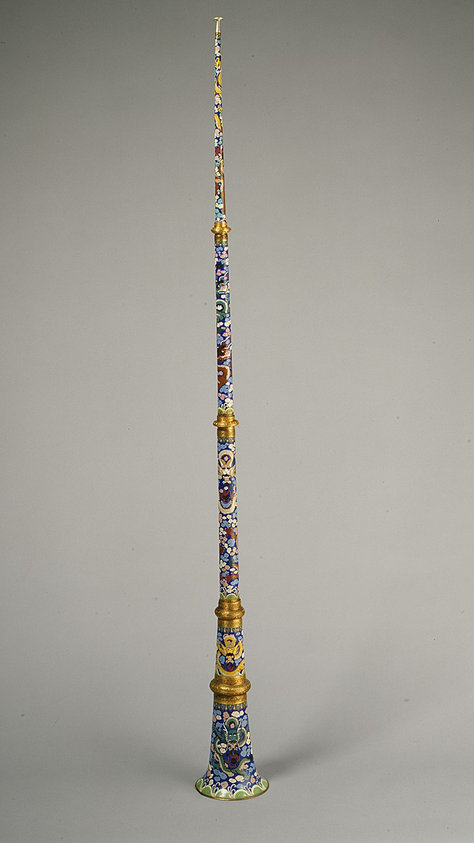
      Dung-Chen
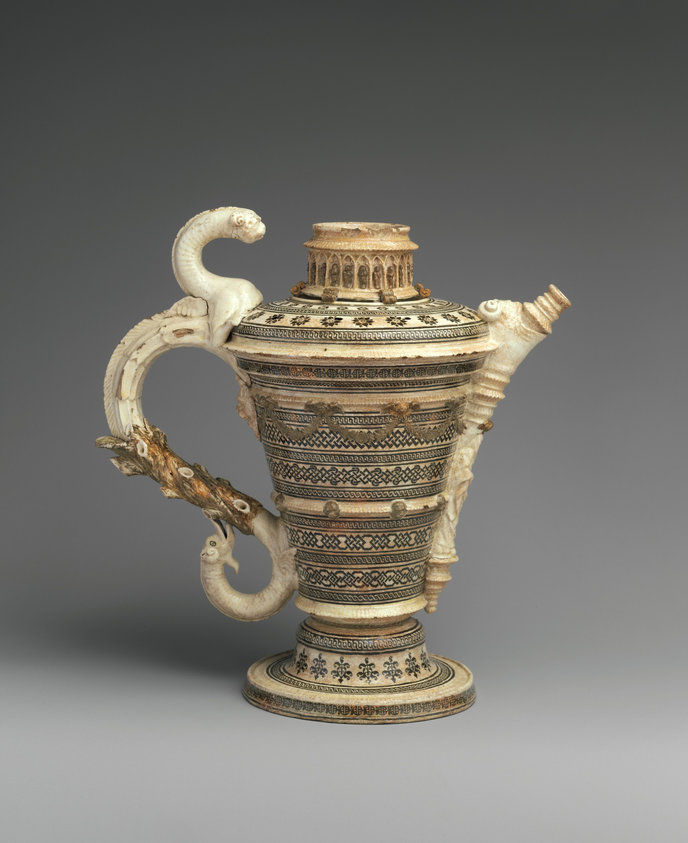
      Ewer
      Cravat end
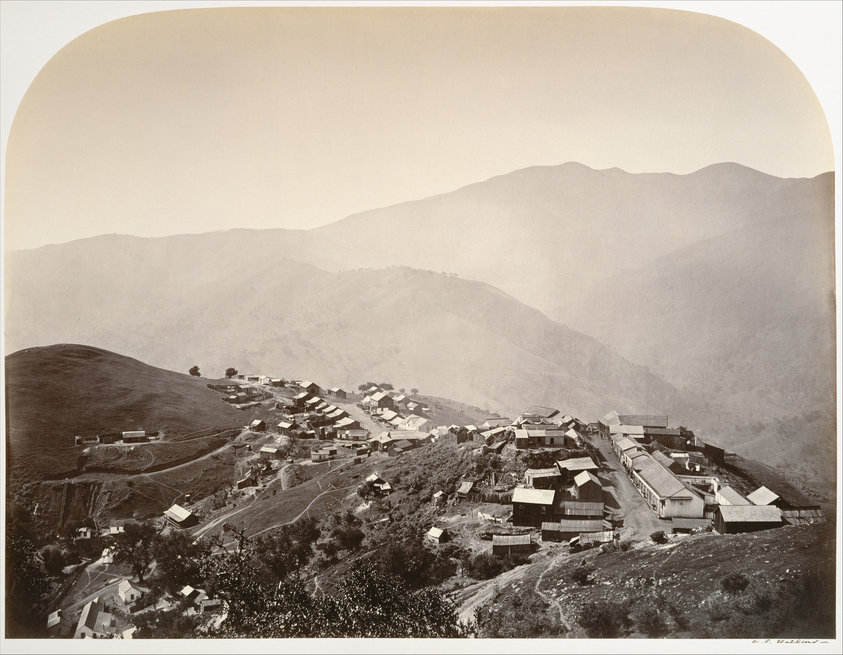
      The Town on the Hill, New Almaden
      [Large Figures on the North Porch, Chartres Cathedral]
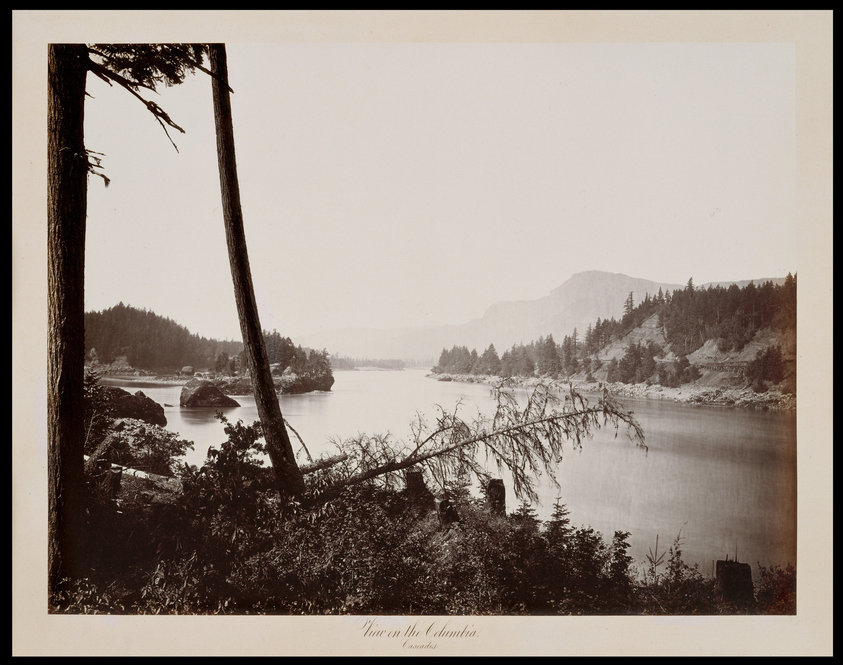
      View on the Columbia, Cascades
      Length of velvet
      [Entrance to the Port of Boulogne]
      Walking ensemble
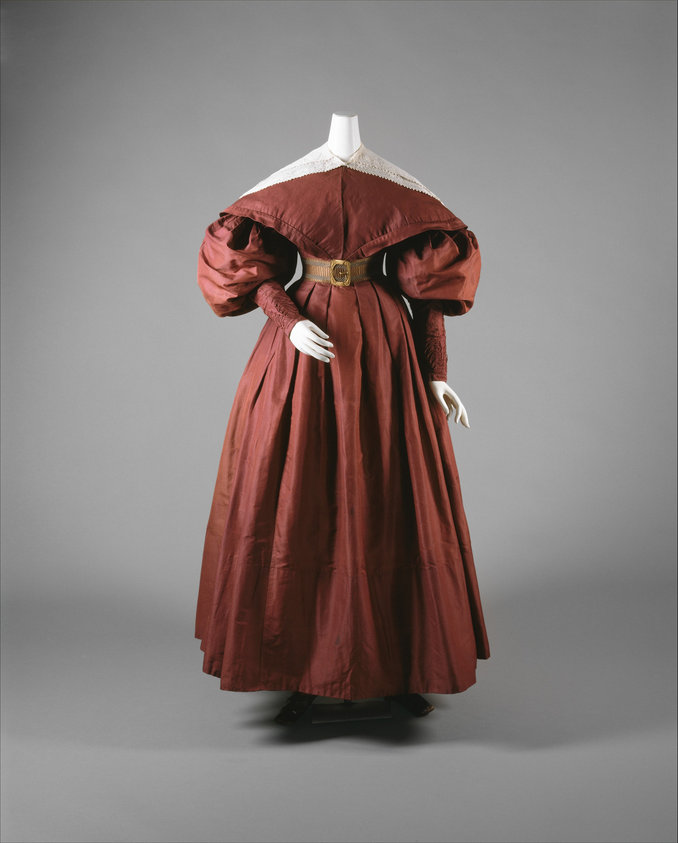
      Round gown
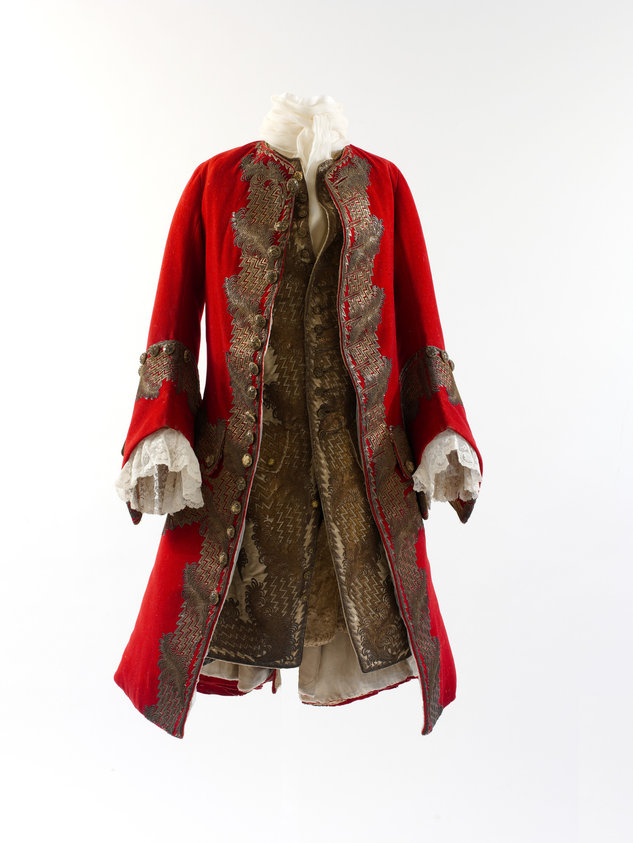
      Coat
      Dress
      Guitar
      Center table
      Ensemble
      Viola d'Amore
      Guitar
      Dinner dress
      Robe à la française
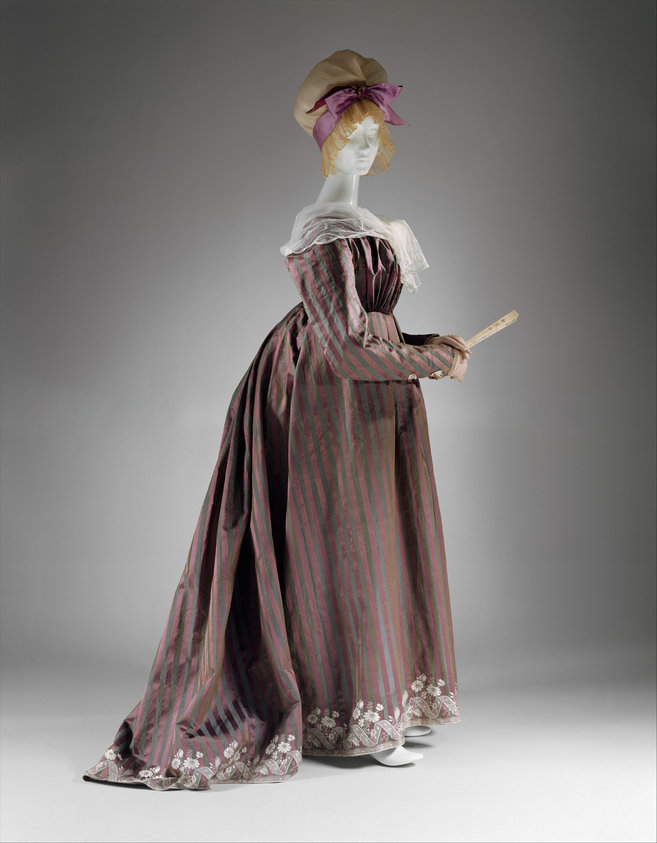
      Robe à l'anglaise
      Corset
      Goqing
      The Deluge
      Tánggǔ (堂鼓)
      Bassoon
      Wall fountain
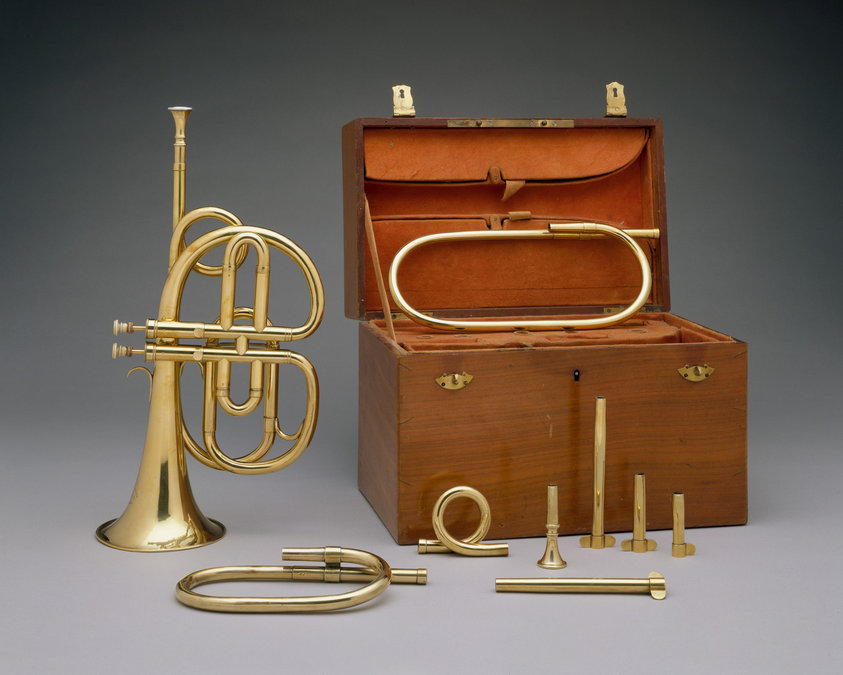
      Cornet à Pistons in B-flat
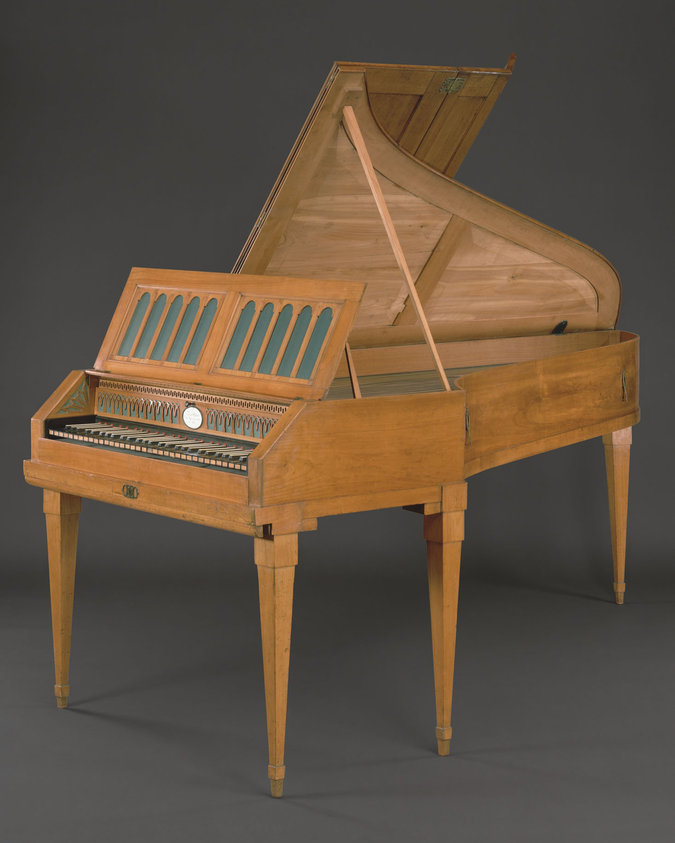
      Grand Piano
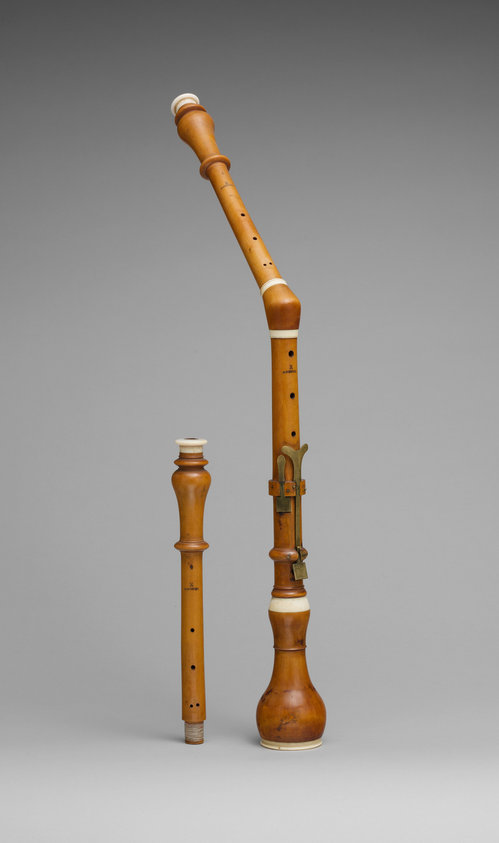
      English Horn
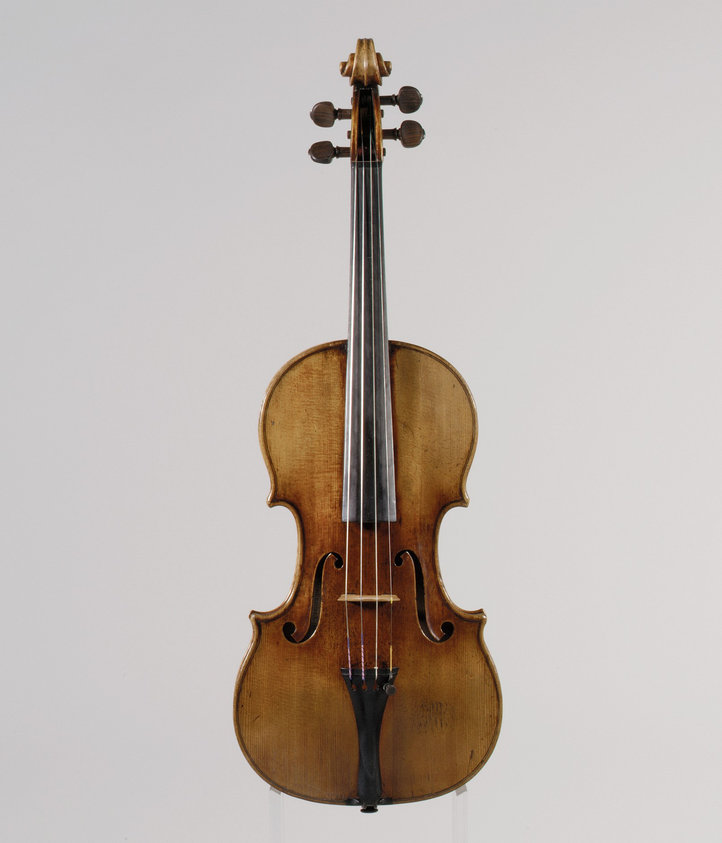
      "Antonius" Violin
      Ennanga
      Transverse Flute in D-flat
      Soprano Recorder in B
      Ghanti (bell)
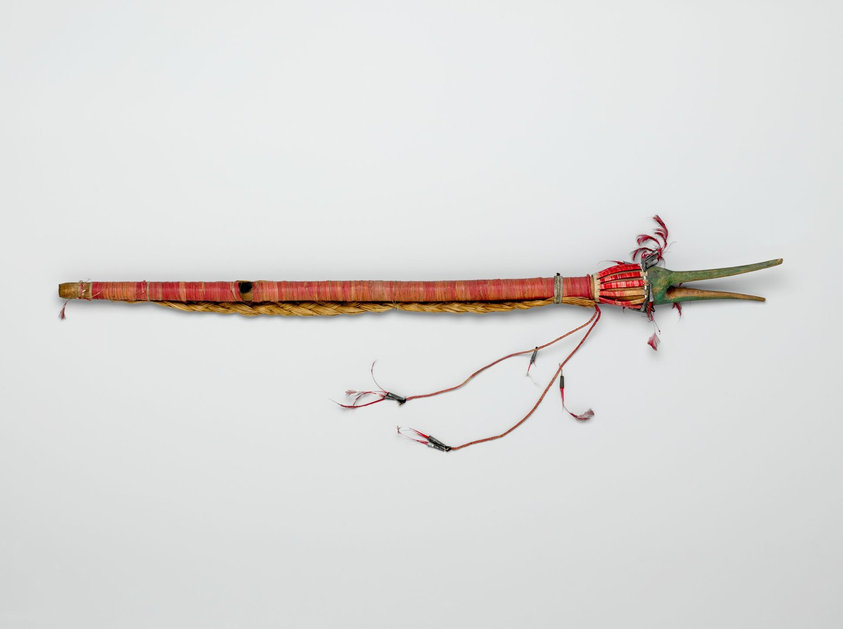
      Courting flute (siyotanka)
      Violin
      Guitar
      Gloves
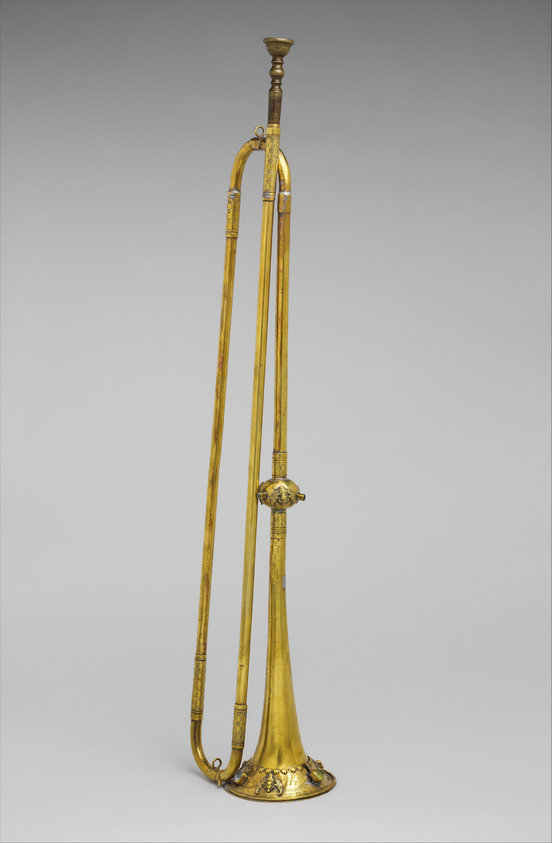
      Natural Trumpet in D
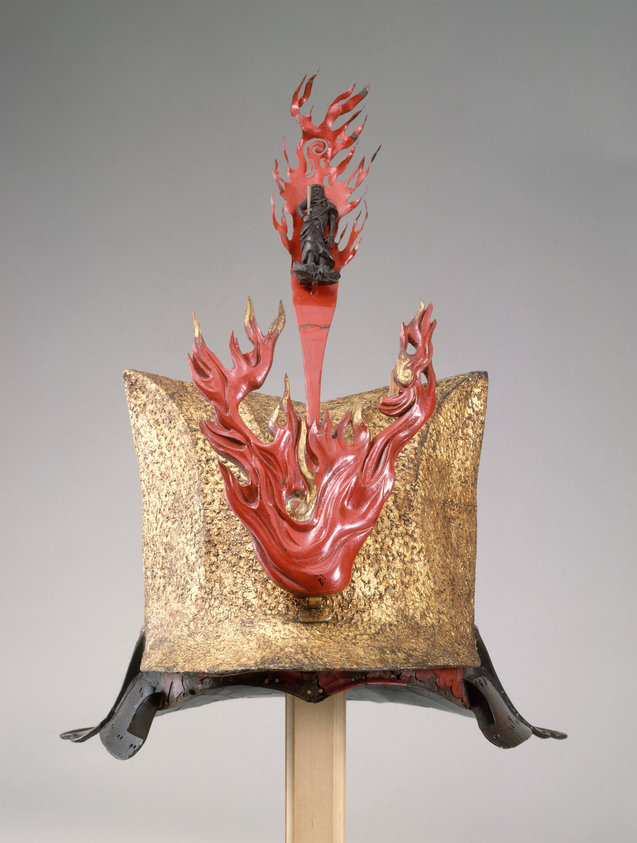
      Helmet (Zukinnari Kabuto)
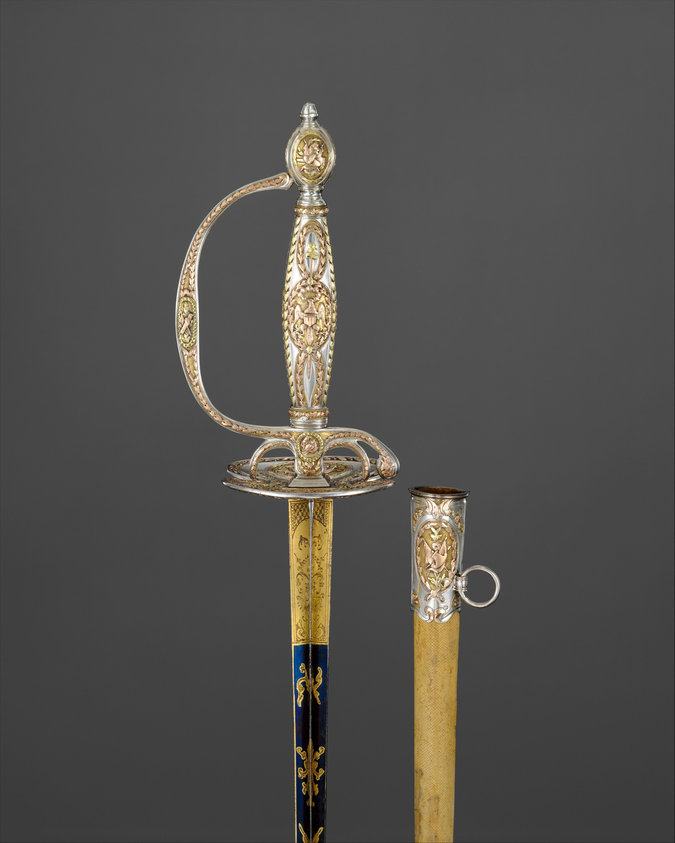
      Congressional Presentation Sword with Scabbard of Colonel Marinus Willett (1740–1830)
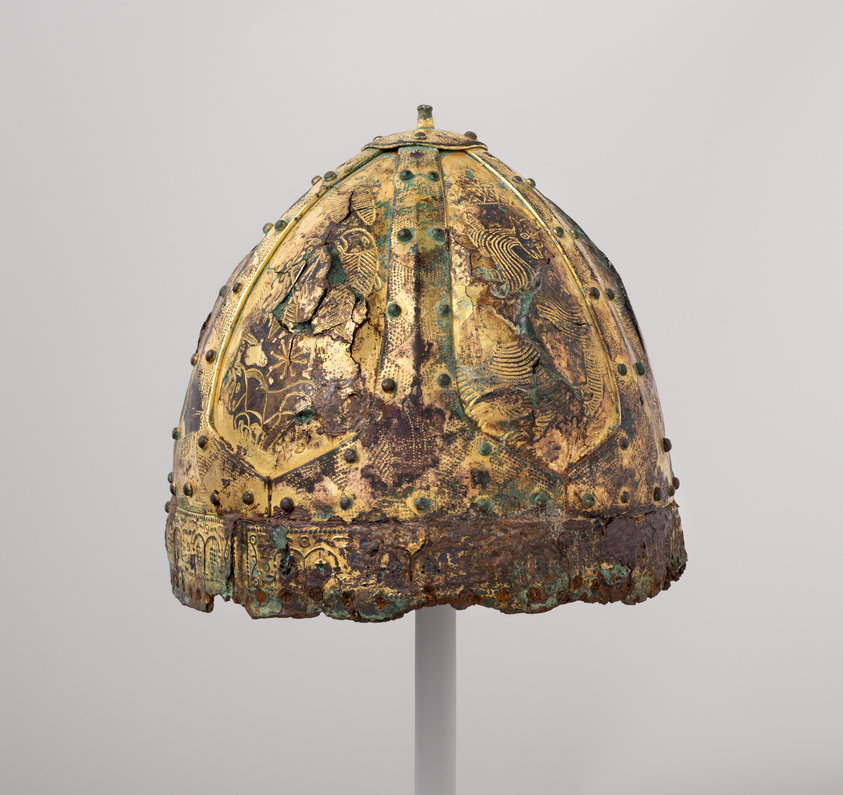
      Helmet (Spangenhelm)
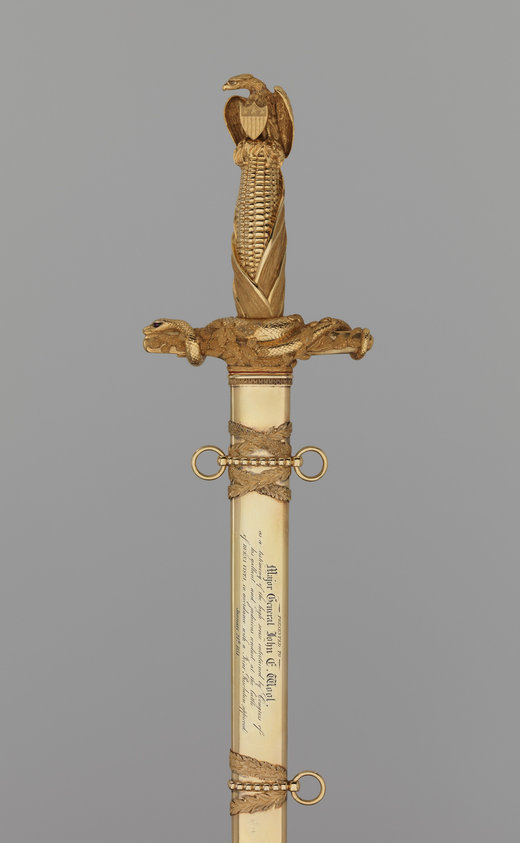
      Congressional Presentation Sword and Scabbard of Major General John E. Wool (1784–1869)
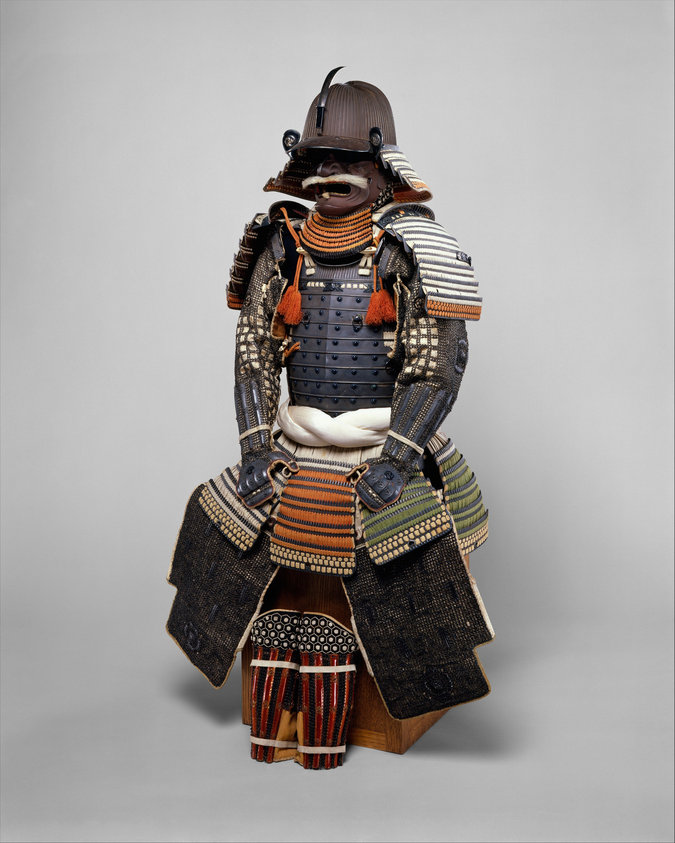
      Armor (Gusoku)
      Whistle
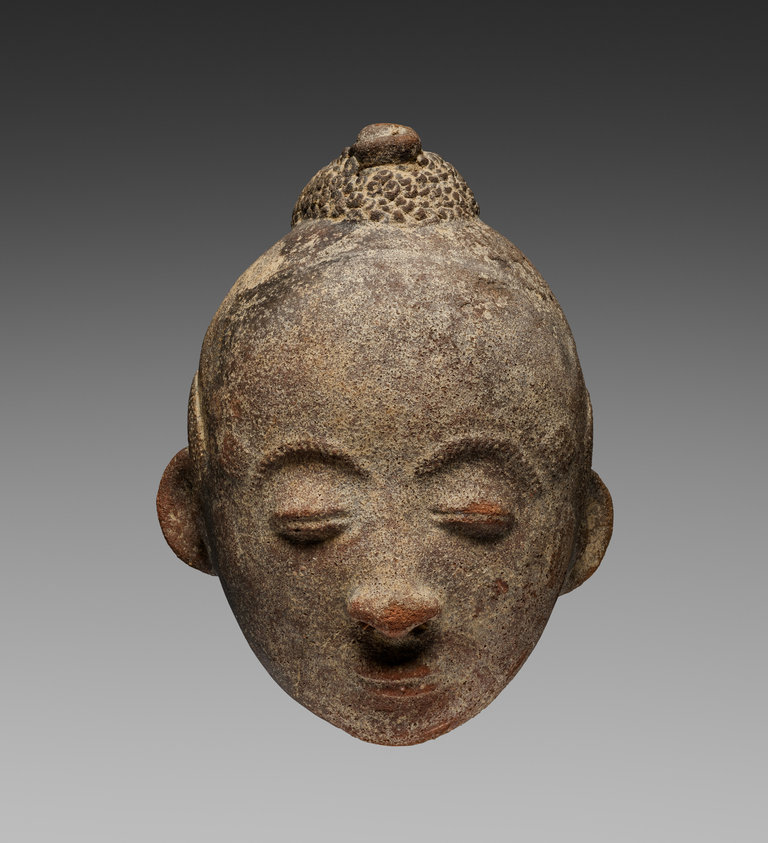
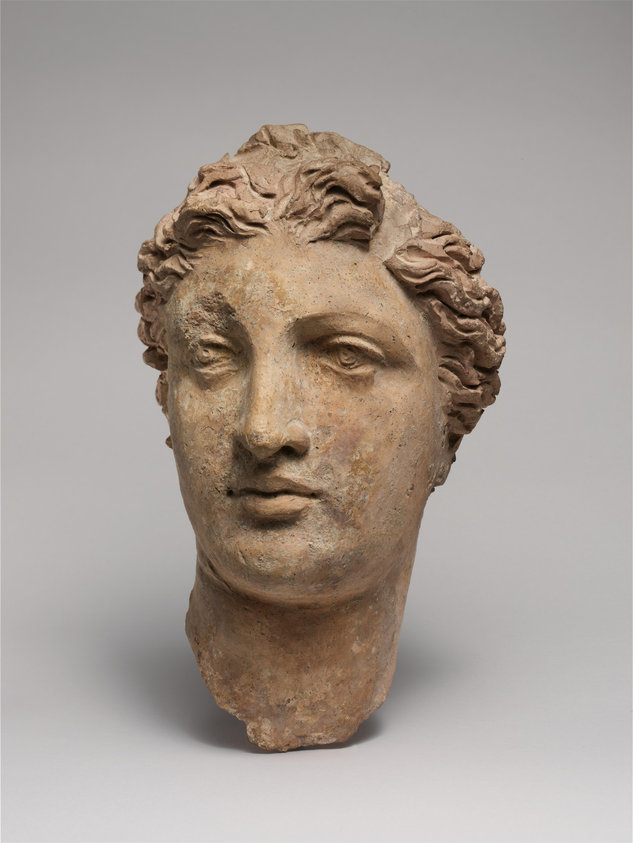
      Terracotta head of a woman
      [The Oriel Window, South Gallery, Lacock Abbey]
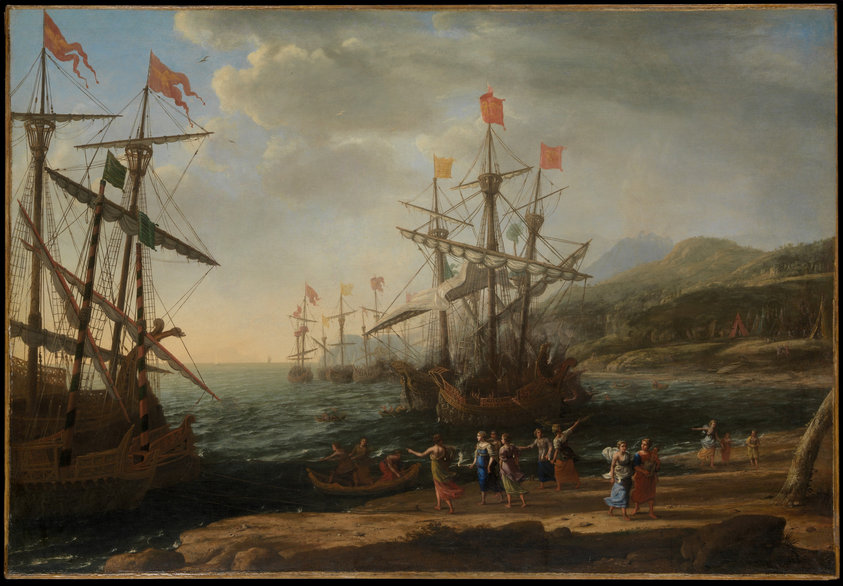
      The Trojan Women Setting Fire to Their Fleet
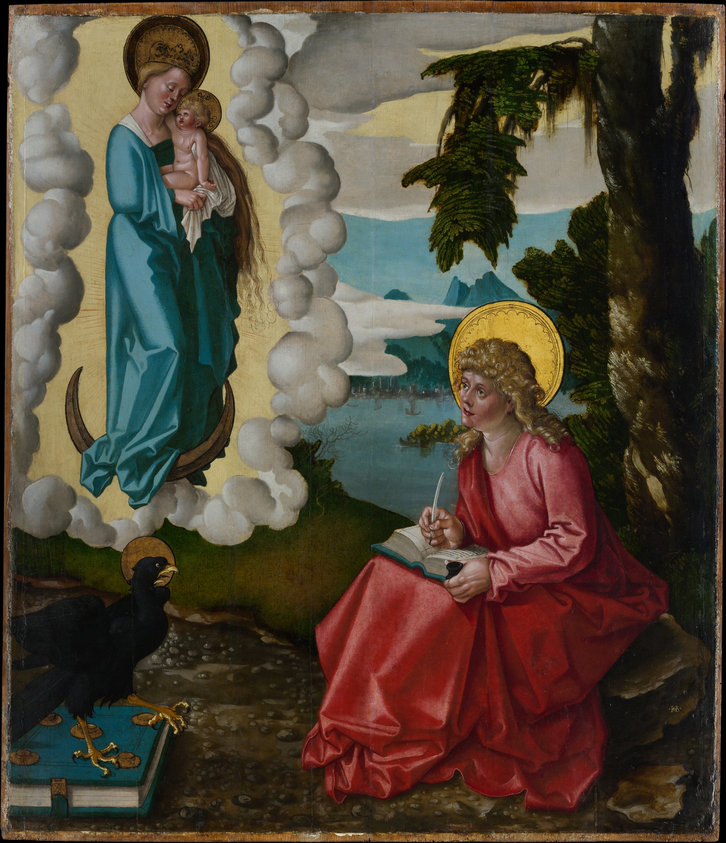
      Saint John on Patmos
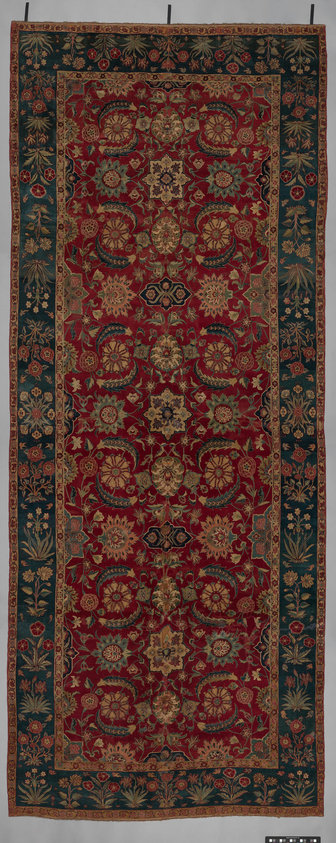
      Carpet with Scrolling Vines and Blossoms
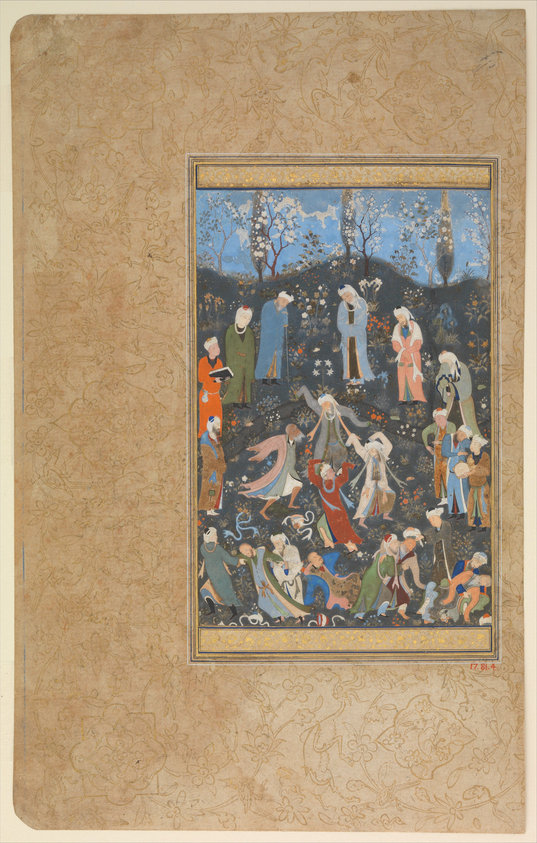
      "Dancing Dervishes", Folio from a Divan of Hafiz
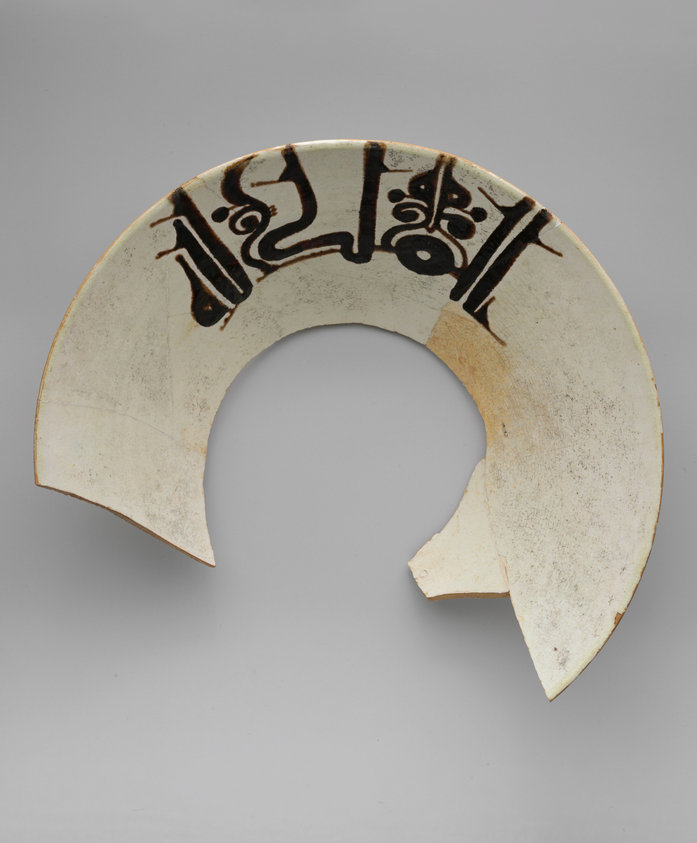
      Bowl with Inscription, "Sovereignty is God's"
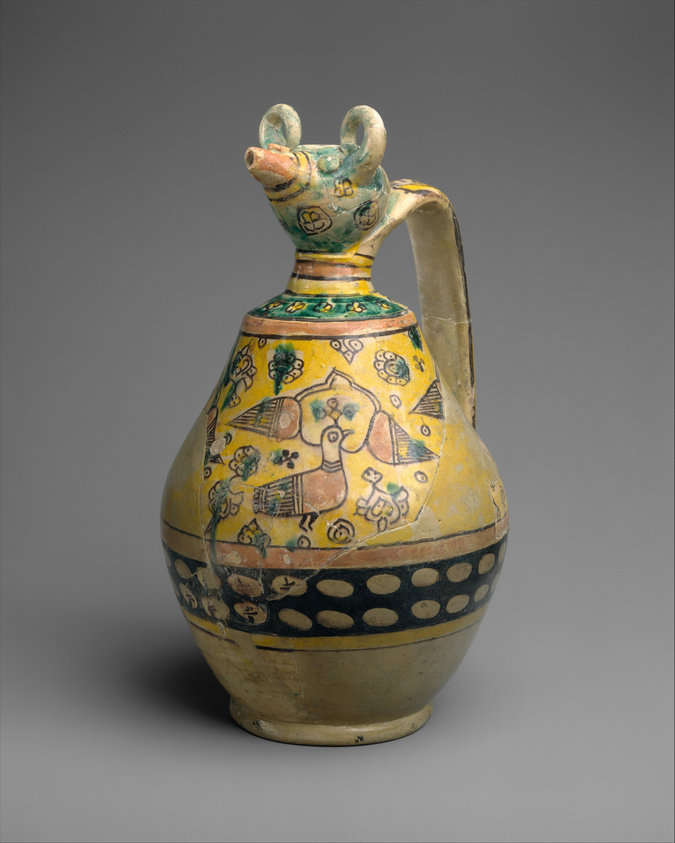
      Animal-Spouted Pitcher
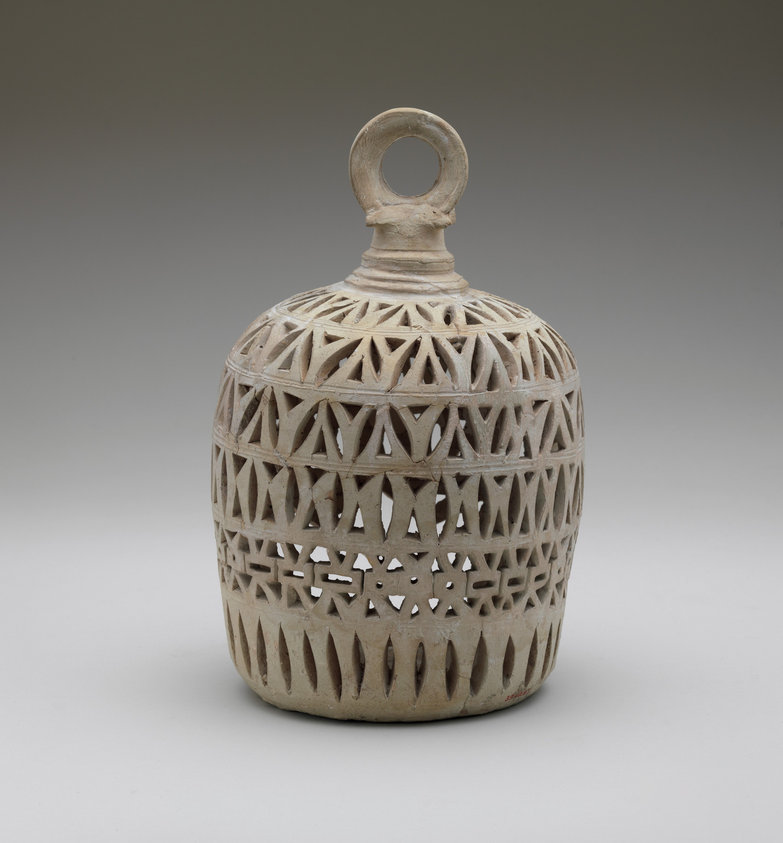
      Lantern for a Lamp
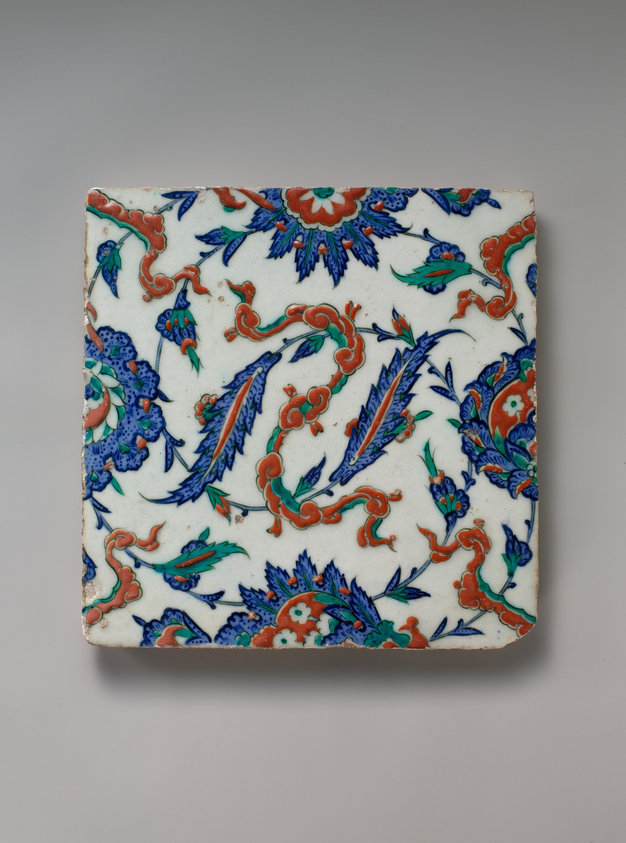
      Tile with Floral and Cloud-band Design
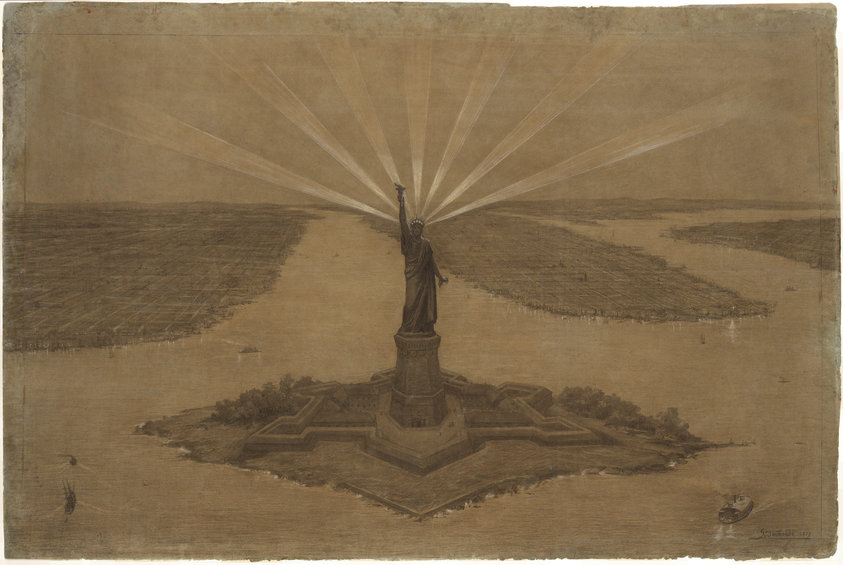
      Presentation Drawing of "The Statue of Liberty Illuminating the World"
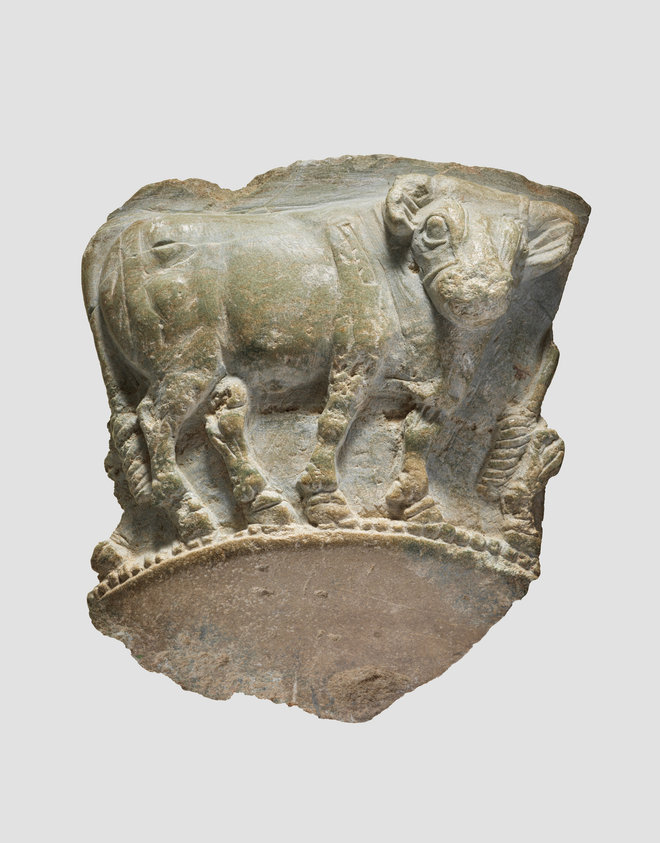
      Fragment of a bowl with a frieze of bulls in relief
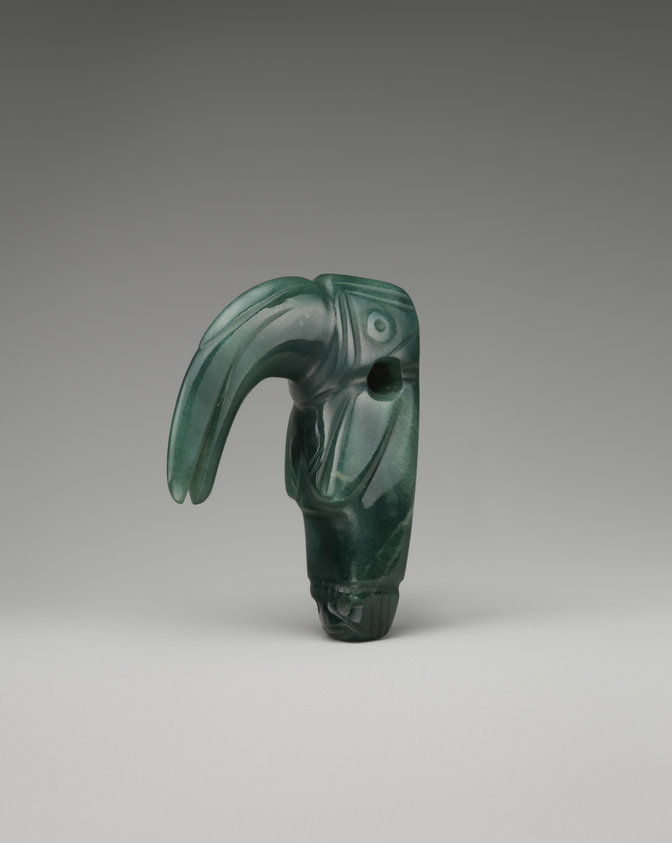
      Bird pendant
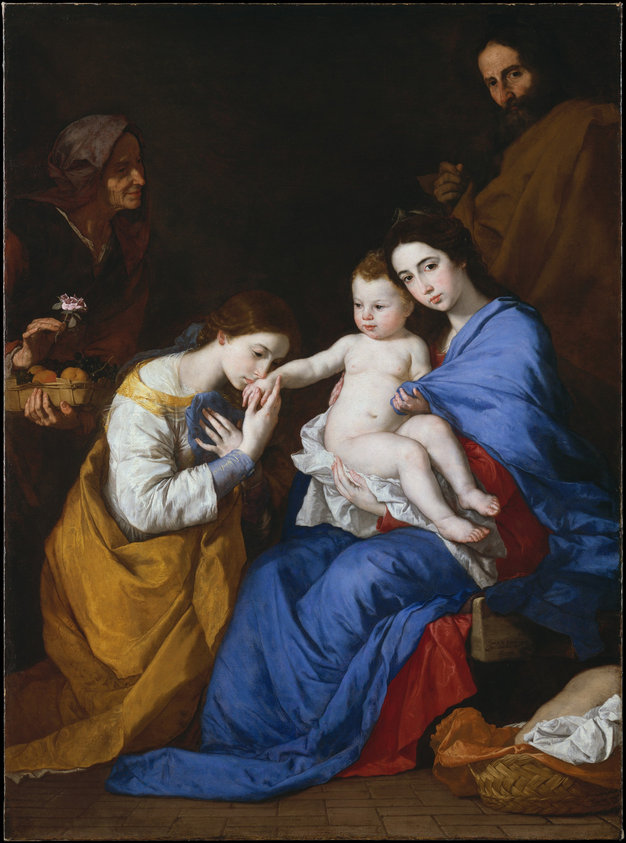
      The Holy Family with Saints Anne and Catherine of Alexandria
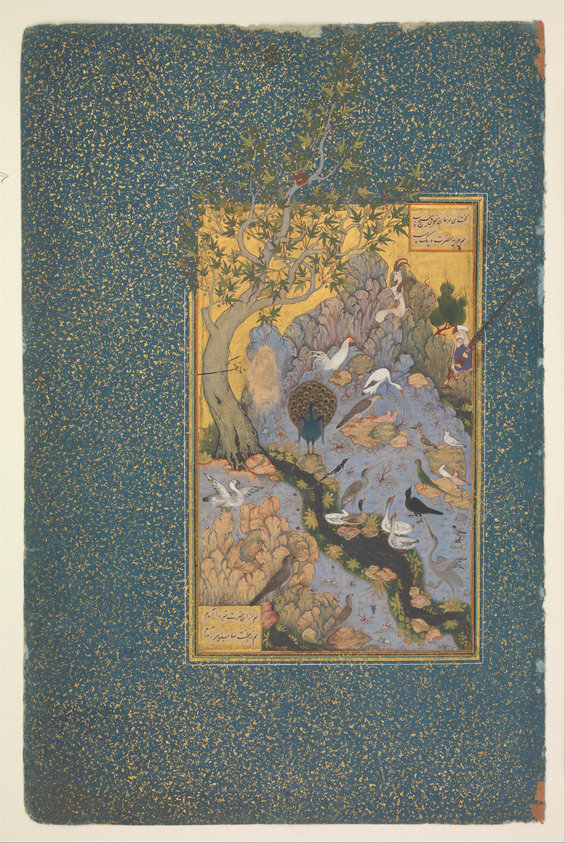
      "The Concourse of the Birds", Folio 11r from a Mantiq al-Tayr (Language of the Birds)
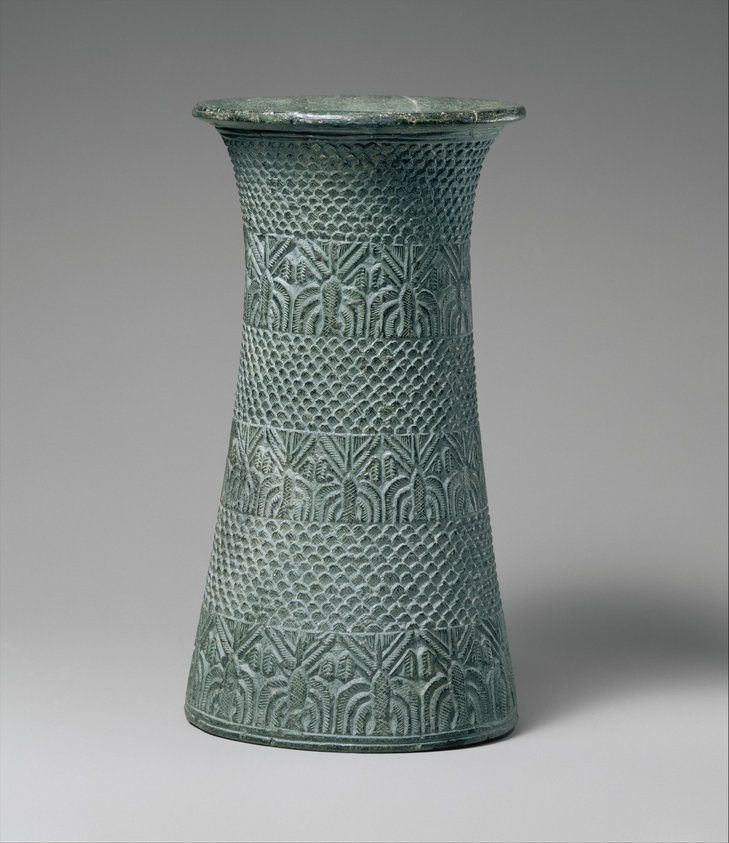
      Vase with overlapping pattern and three bands of palm trees
      Belt clasp
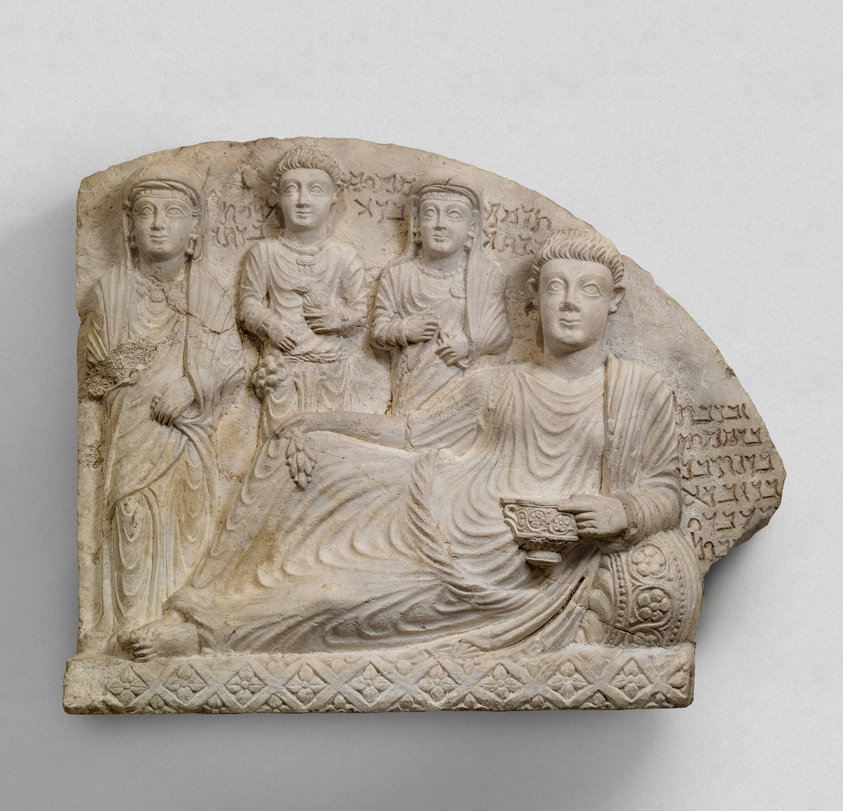
      Funerary relief
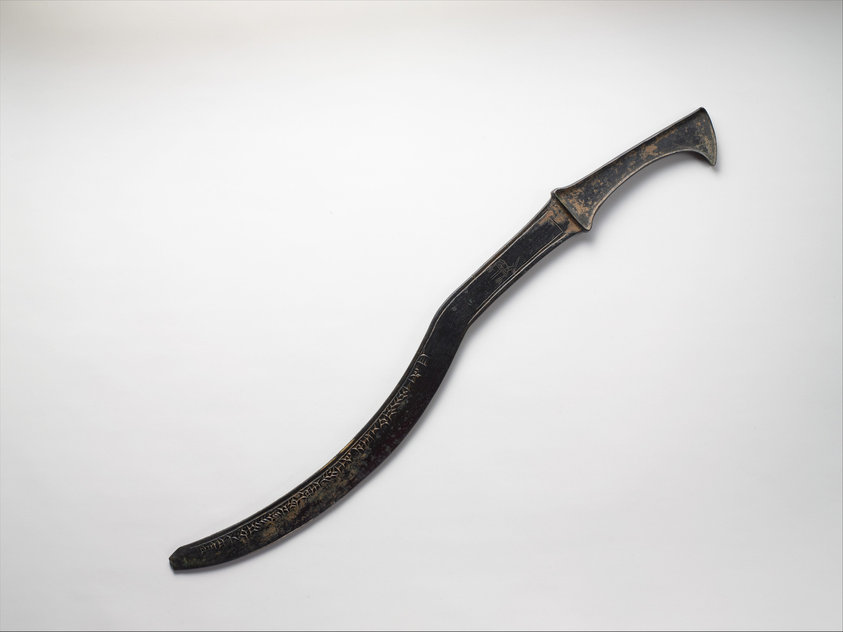
      Sickle sword
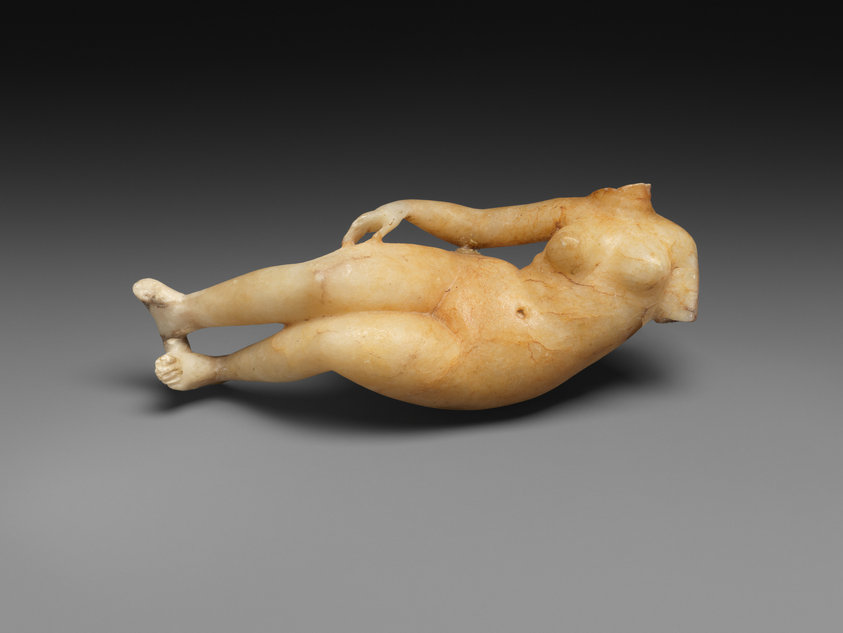
      Figure of a reclining woman
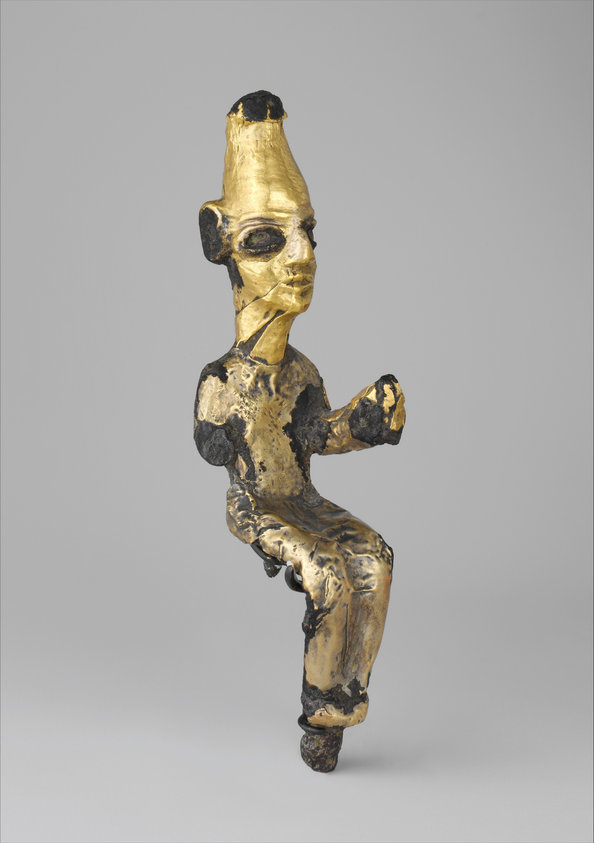
      Enthroned deity
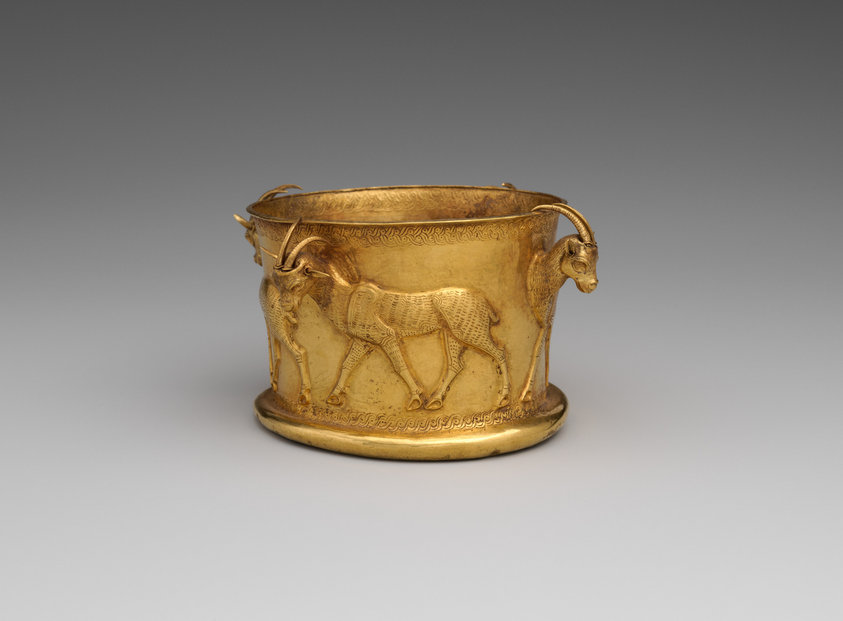
      Cup with a frieze of gazelles
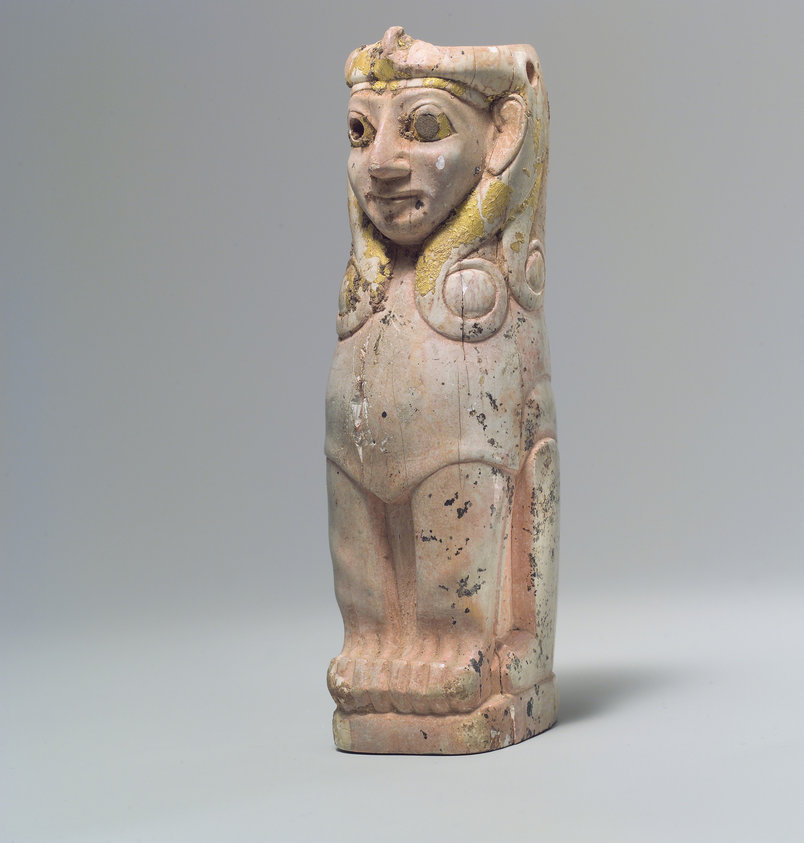
      Furniture support: female sphinx with Hathor-style curls
      Orthostat relief: lion-hunt scene
      Plaque with horned lion-griffins
      Helmet with divine figures beneath a bird with outstretched wings
      Relief: two servants bearing food and drink
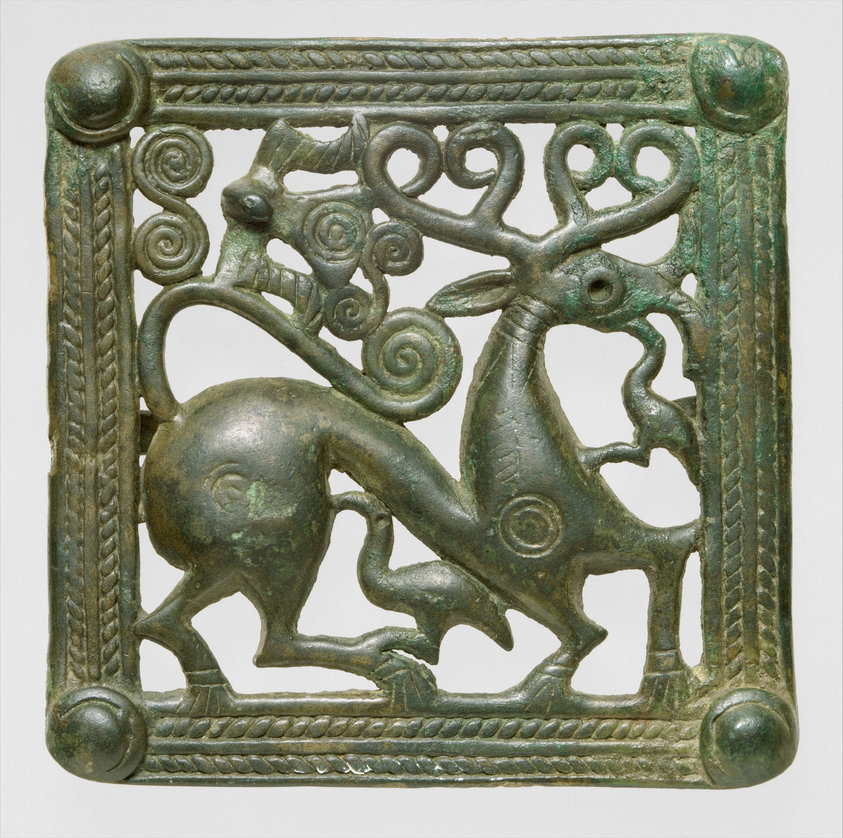
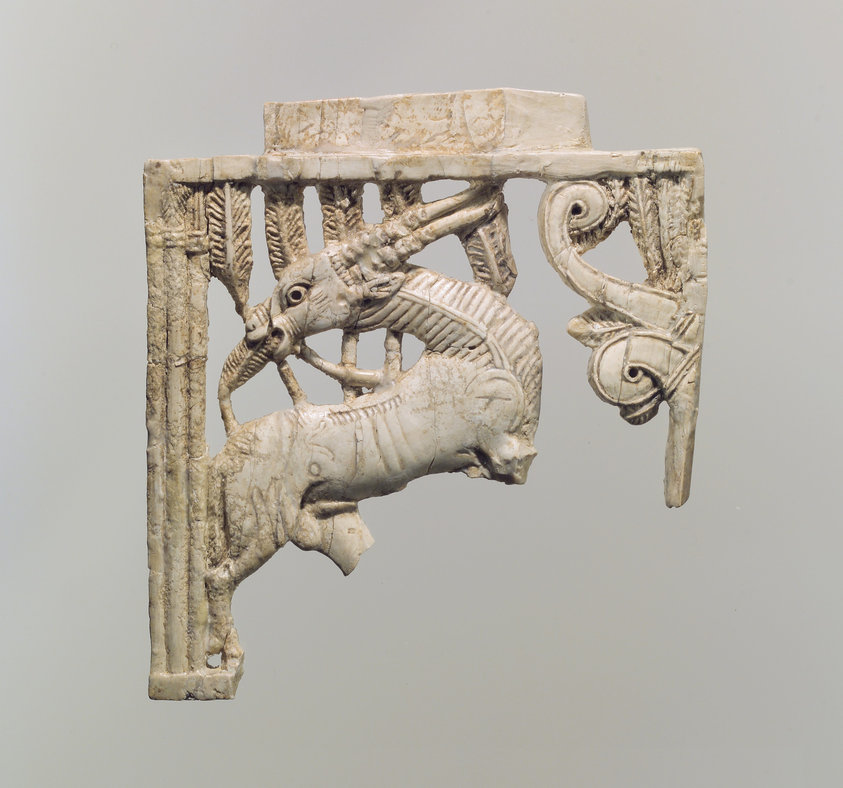
      Openwork furniture plaque with a grazing oryx in a forest of fronds
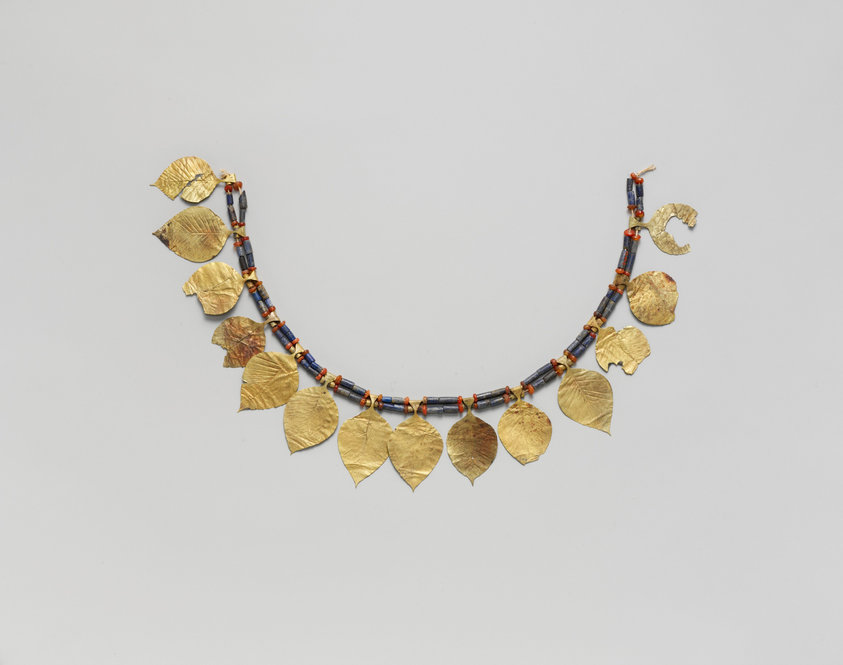
      Headdress
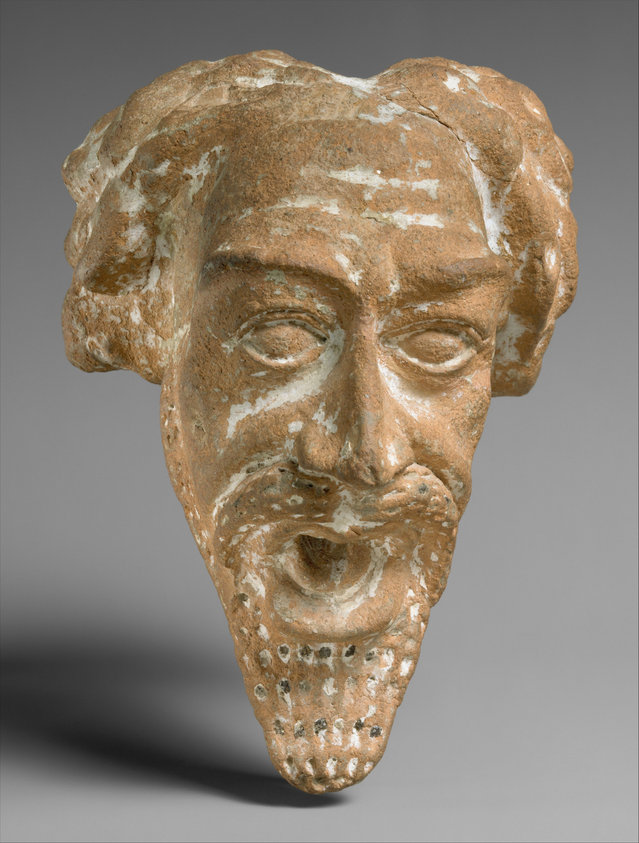
      Spout in the form of a man's head
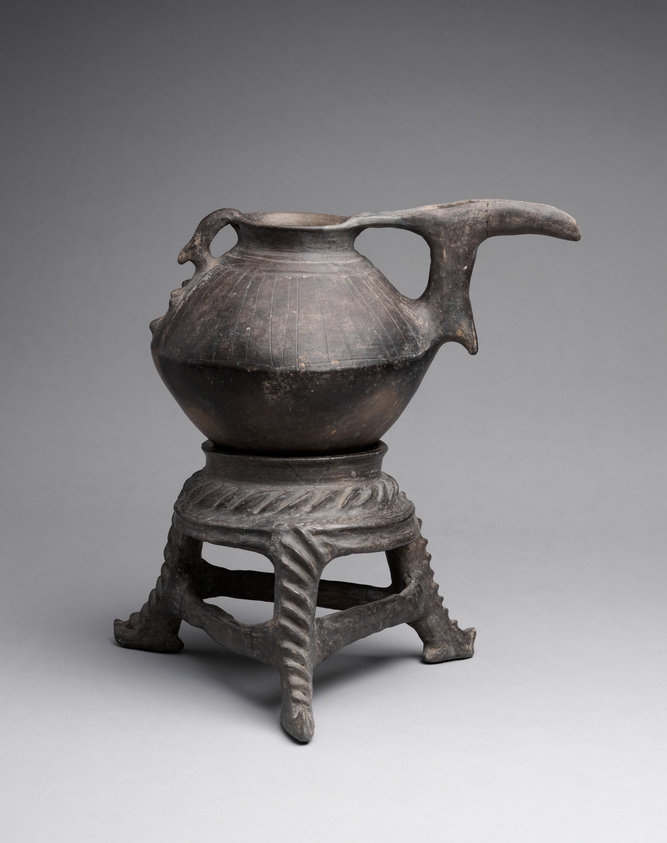
      Spouted jar
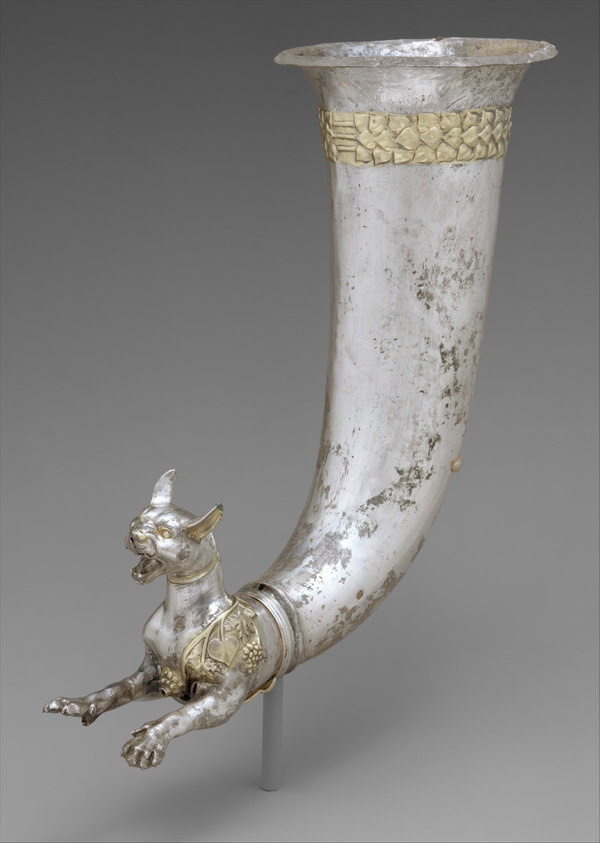
      Rhyton terminating in the forepart of a wild cat
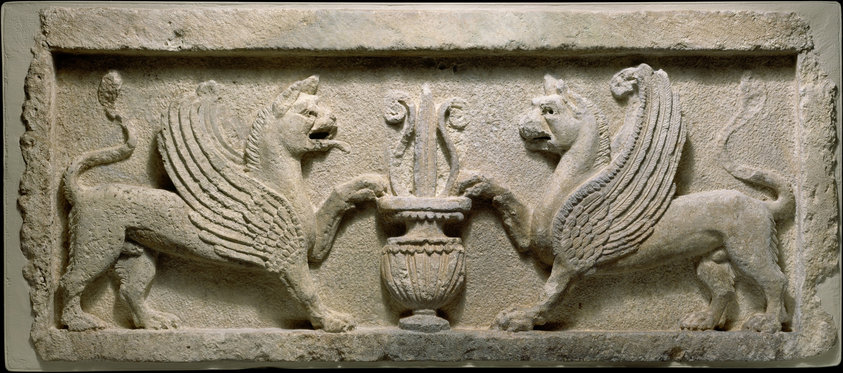
      Door lintel with lion-griffins and vase with lotus leaf
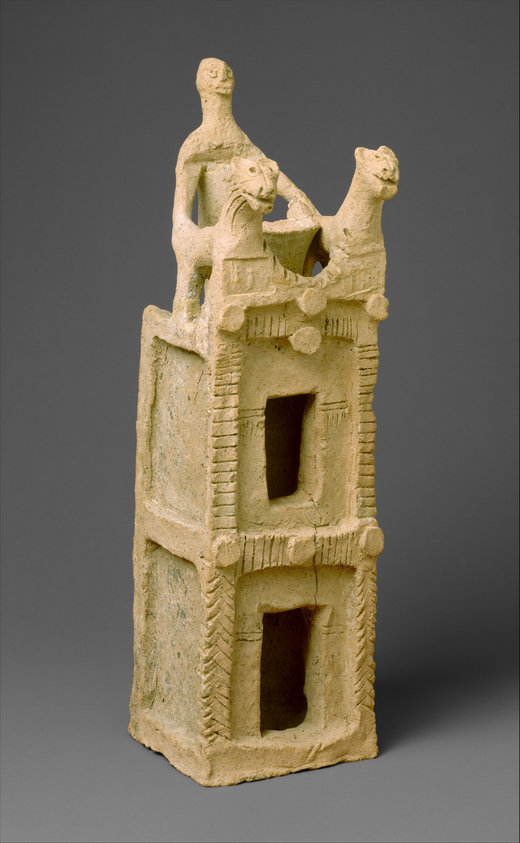
      Cult vessel in the form of a tower with cylinder seal impressions near the top
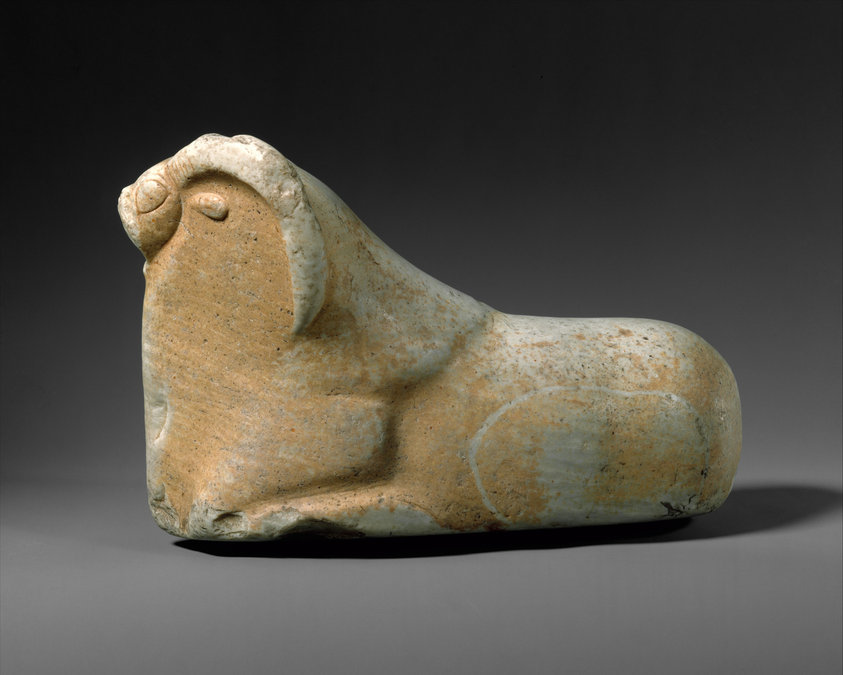
      Reclining mouflon
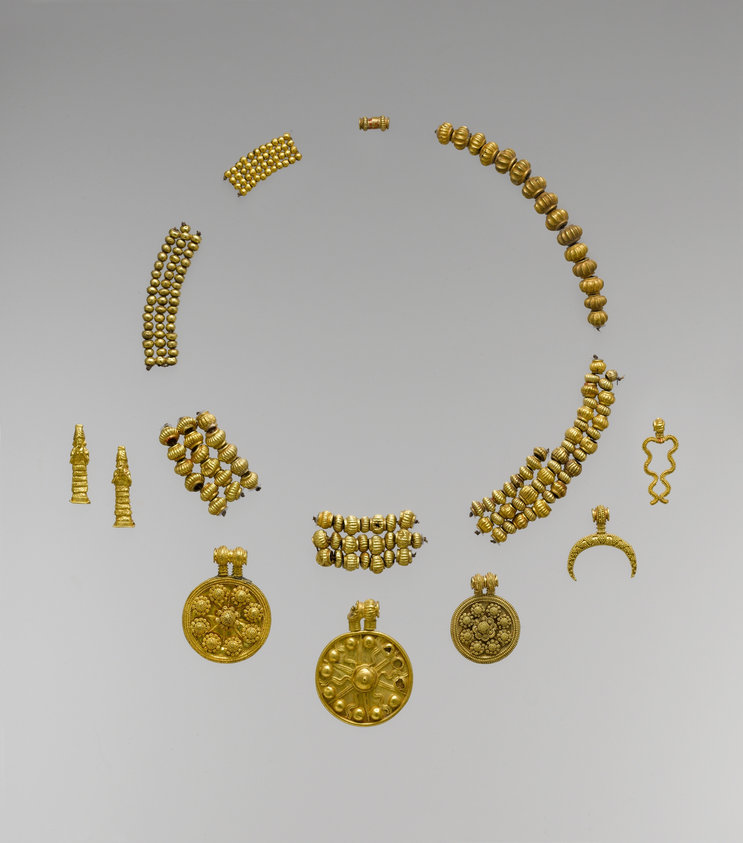
      Pendants and beads
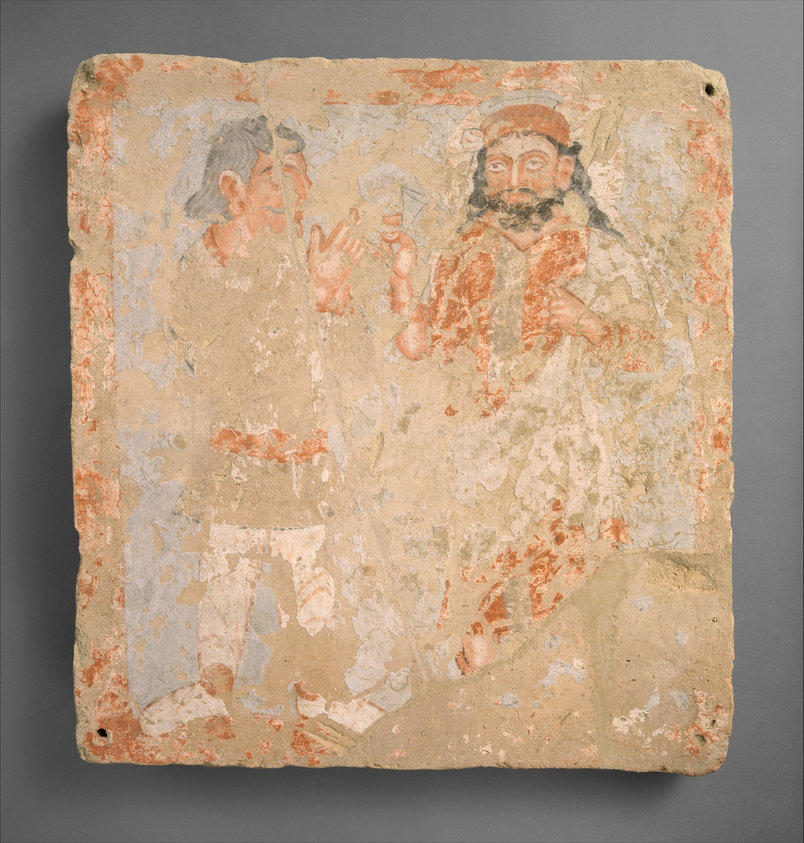
      Panel with the god Zeus/Serapis/Ohrmazd and worshiper
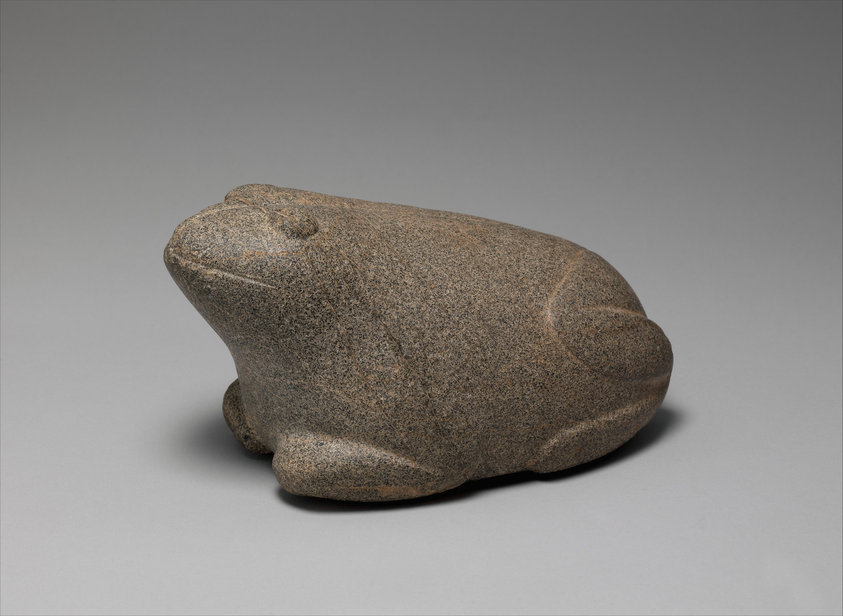
      Weight in shape of frog
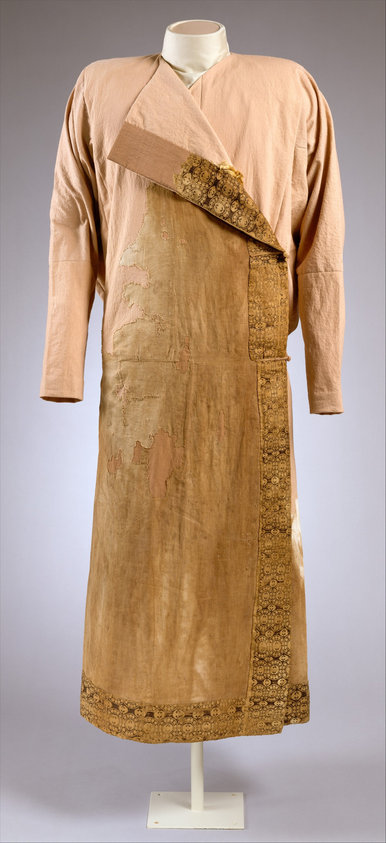
      Kaftan
      A Stallion
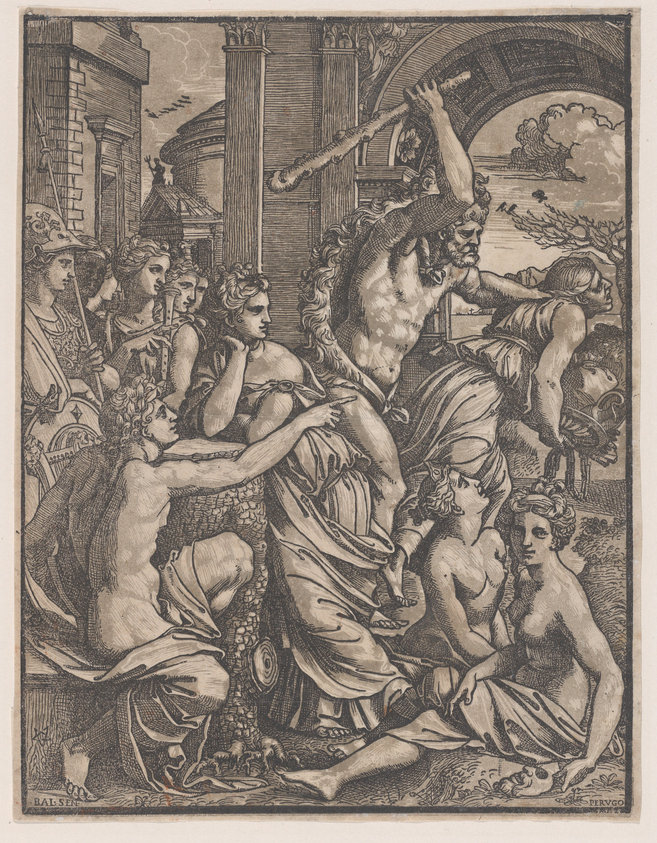
      Hercules chasing Avarice from the Temple of the Muses
      Watch
      Kneeling bull holding a spouted vessel
      Christ Carrying the Cross
      Pink and Rose
      Cottage among Trees
      Youth Playing a Pipe for a Satyr
      Frank Johnson, Leader of the Brass Band of the 128th Regiment in Saratoga, with his wife, Helen
      The Connoisseur
      Textile Fragment
      Night Rain at the Double-Shelf Stand, from the series Eight Parlor Views (Zashiki hakkei)
      Jewelry Elements
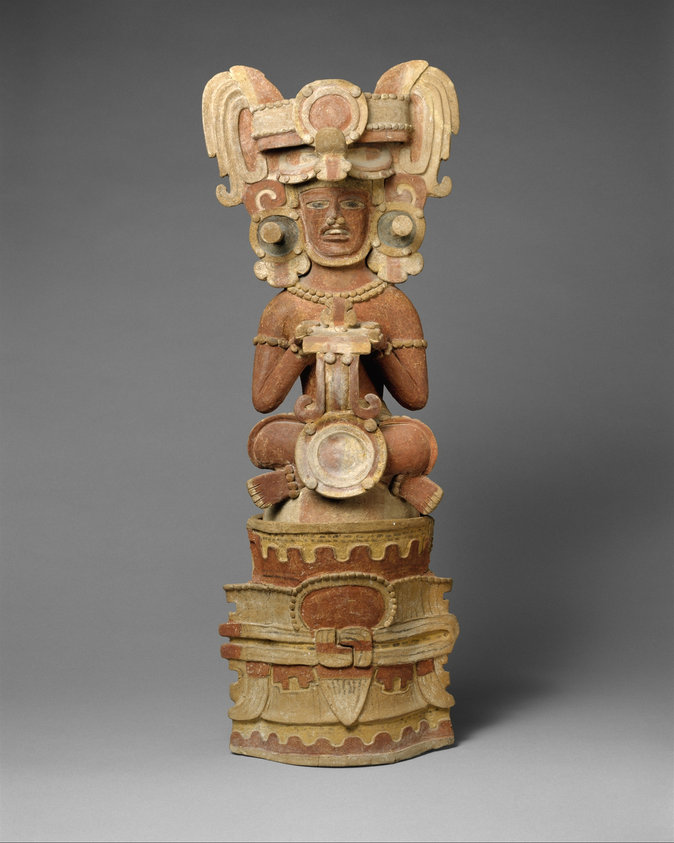
      Xantil (deity censer)
      Censer with seated king
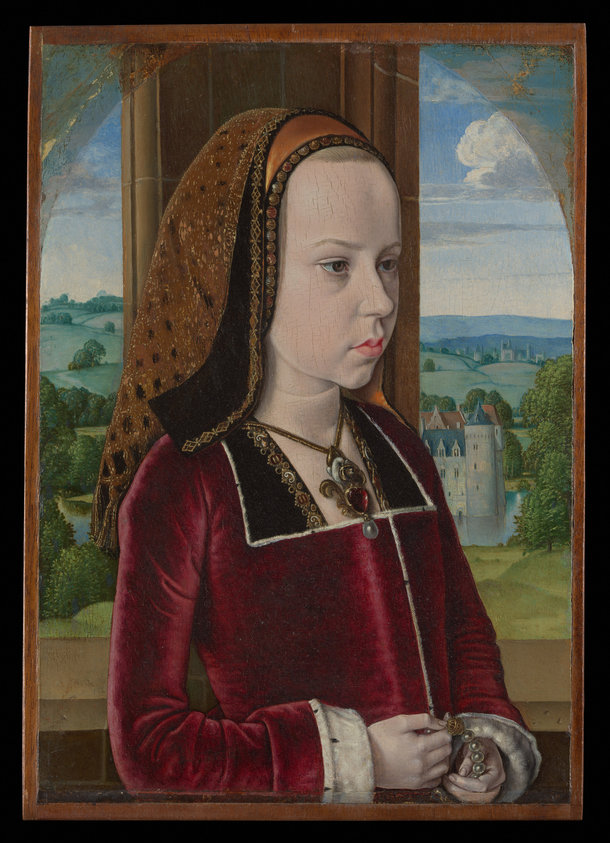
      Margaret of Austria
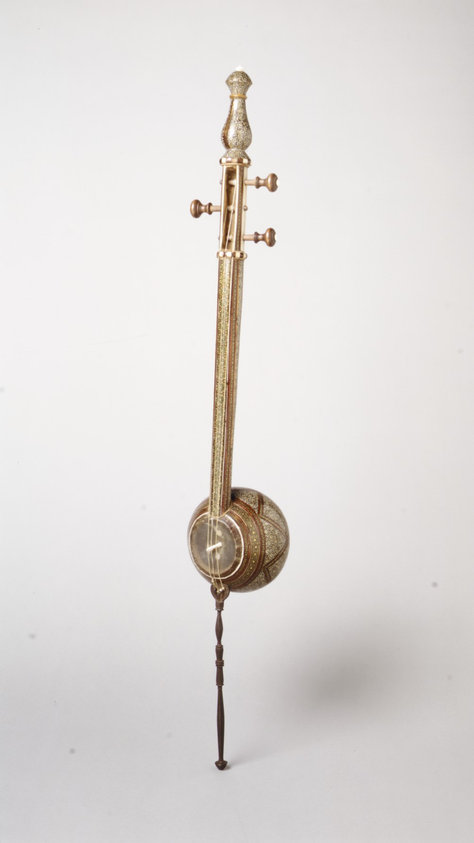
      Kamānche
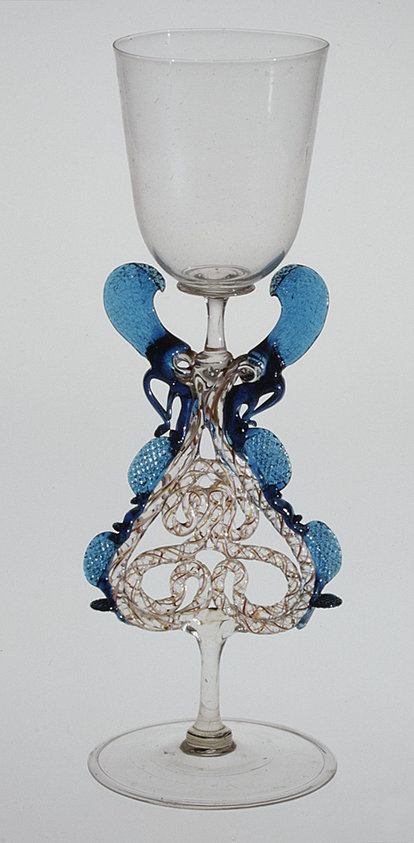
      Goblet
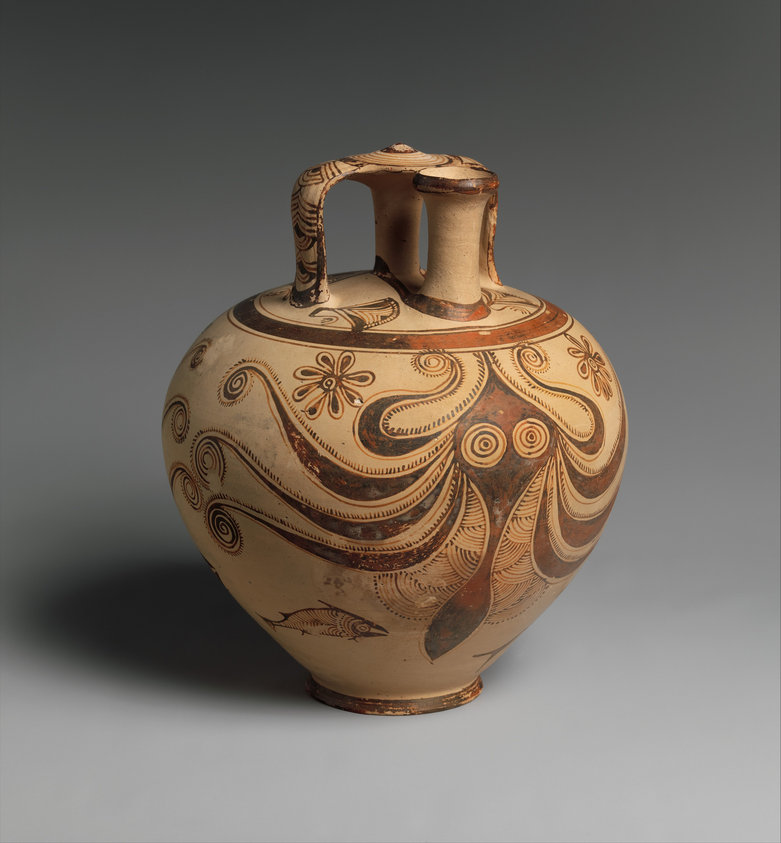
      Terracotta stirrup jar with octopus
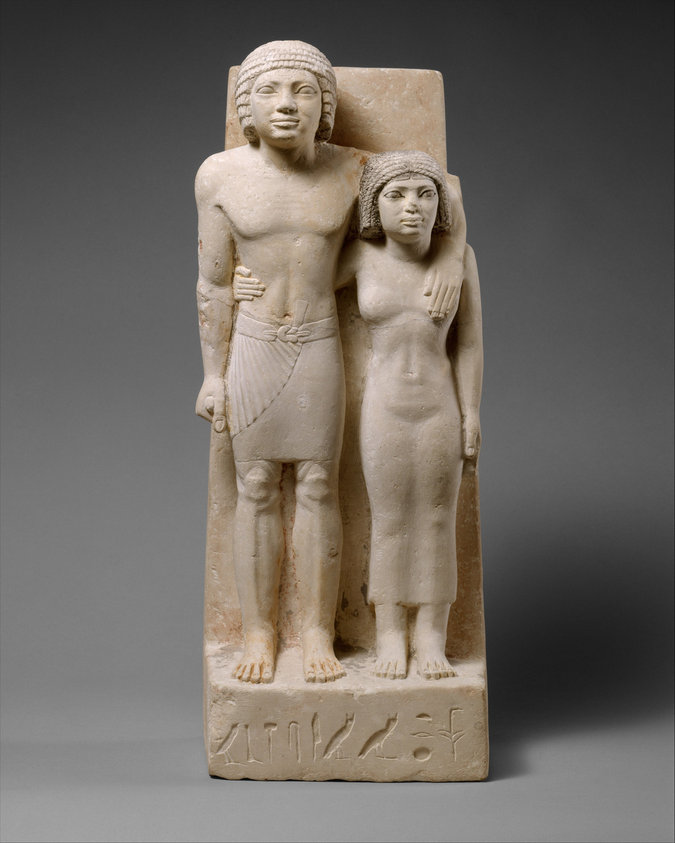
      The King's Acquaintances Memi and Sabu
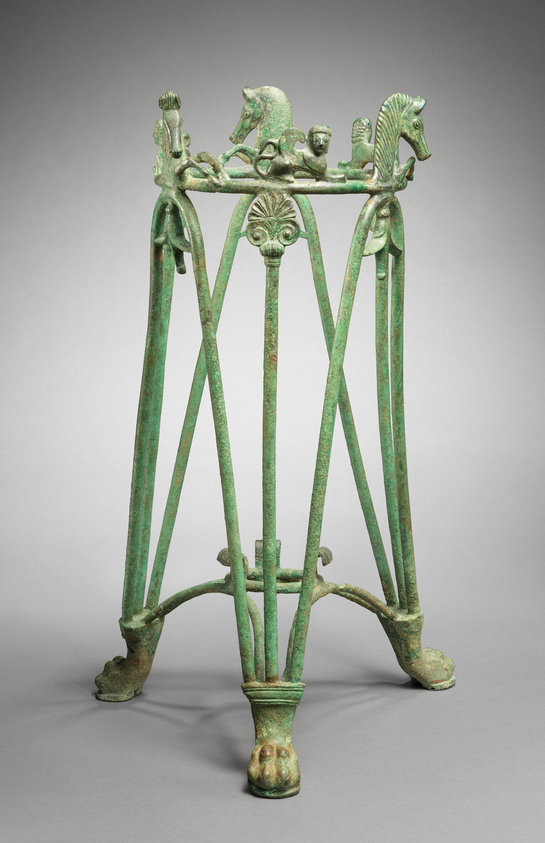
      Bronze rod tripod stand
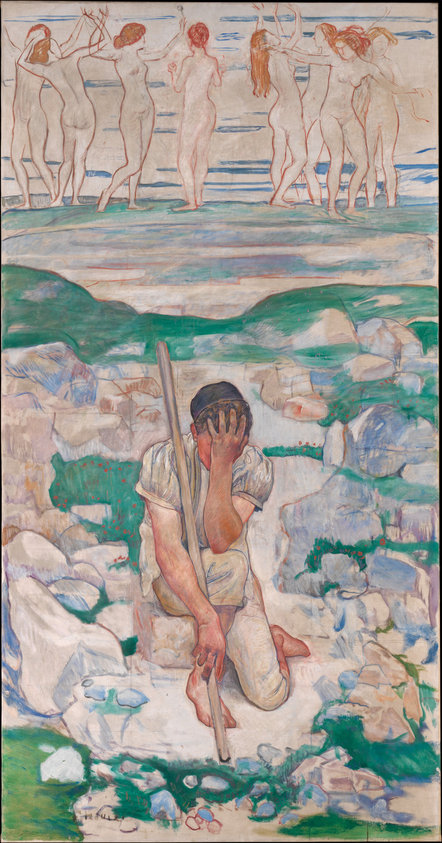
      The Dream of the Shepherd (Der Traum des Hirten)
      Strand of Beads
      Waistcoat
      Doublet
      Cape
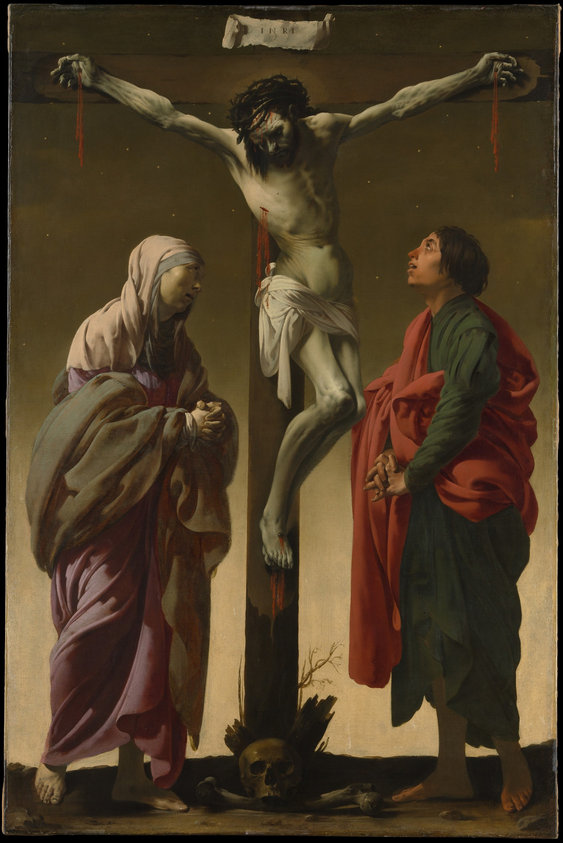
      The Crucifixion with the Virgin and Saint John
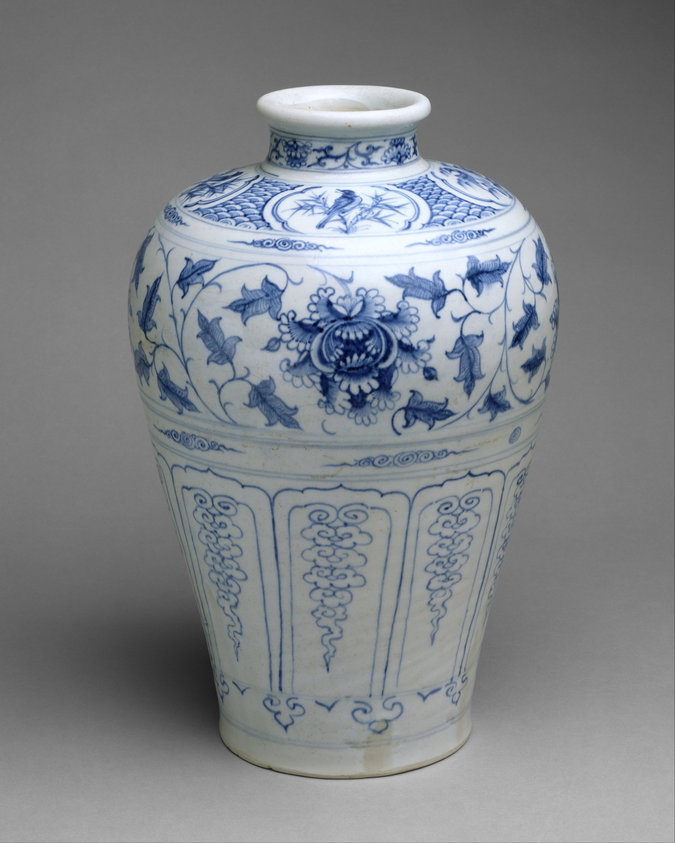
      Bottle with Birds and Peony Scroll
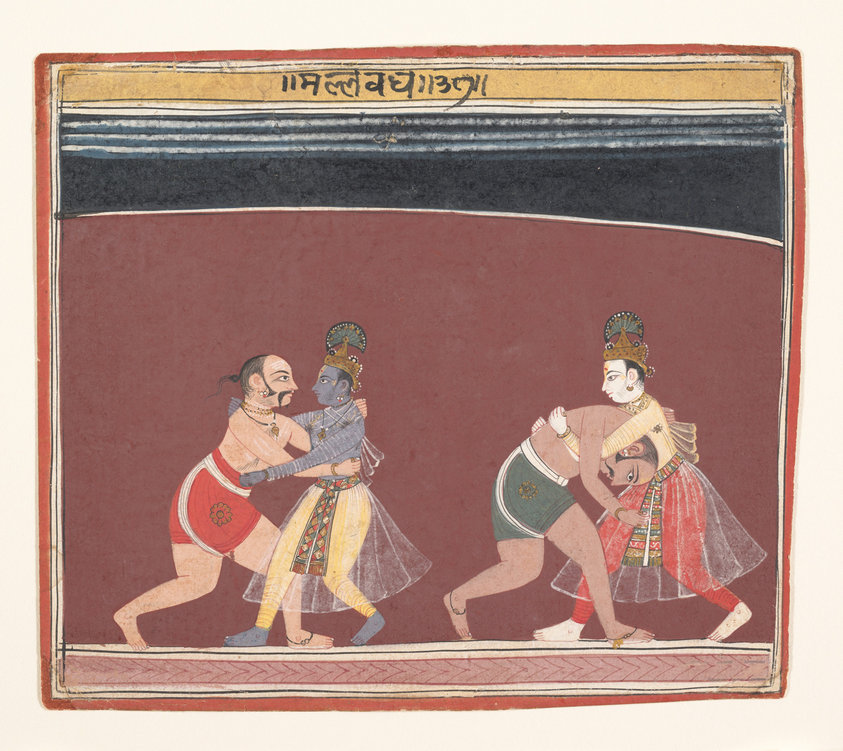
      Krishna and Balarama Fight the Evil King Kamsa’s Wrestlers: Page from a Dispersed Bhagavata Purana
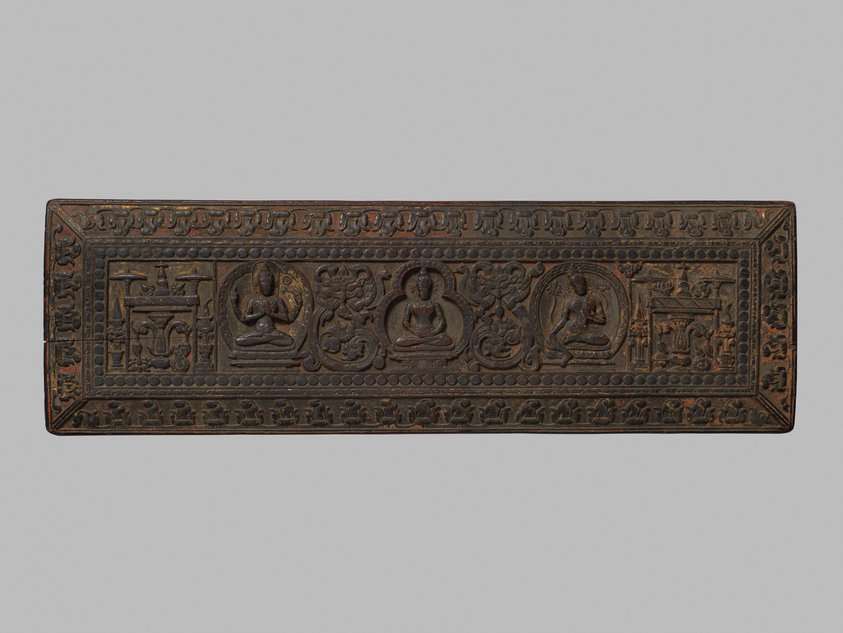
      Manuscript Cover with Prajnaparamita Attended by Sadakshari Lokeshvara and a Tara
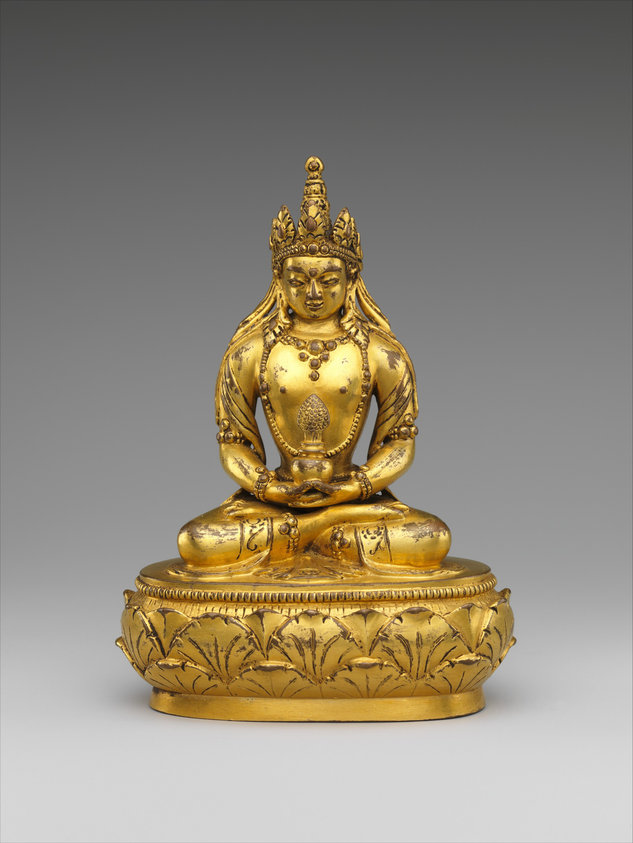
      Seated Amitayus
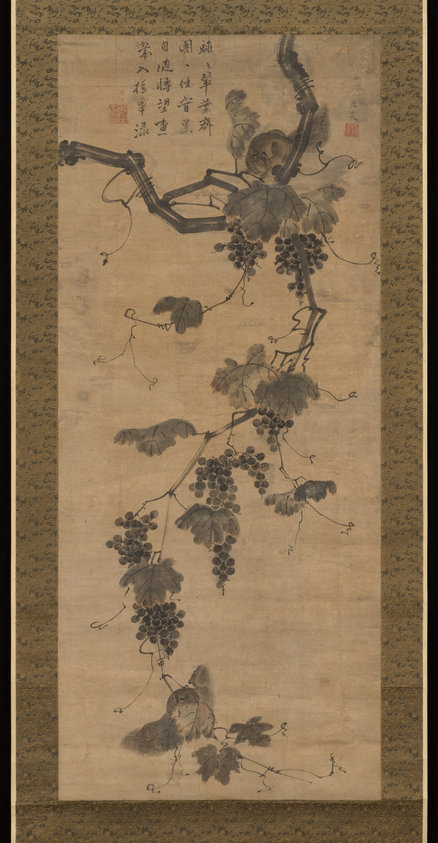
      Grapevine and Squirrels
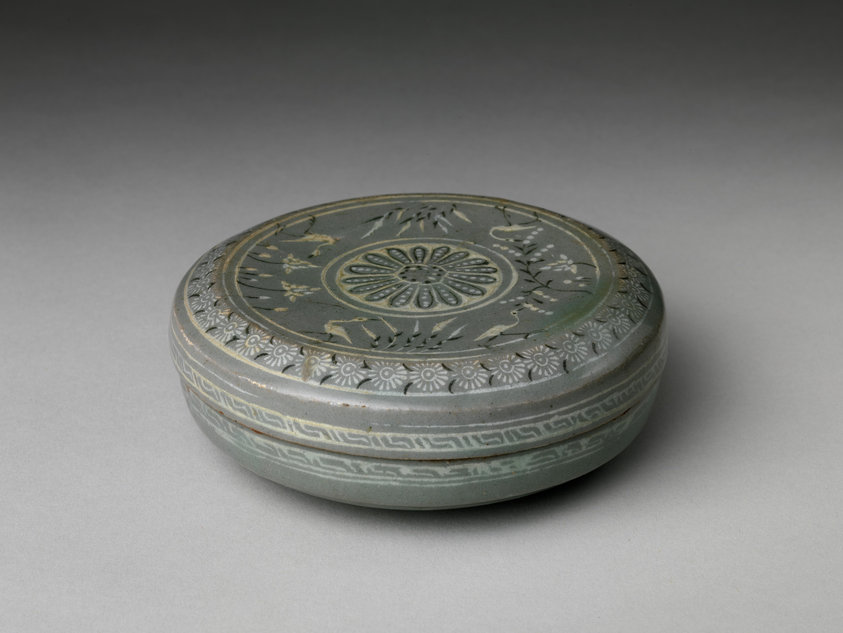
      Covered box decorated with chrysanthemums and waterfowl among lotus
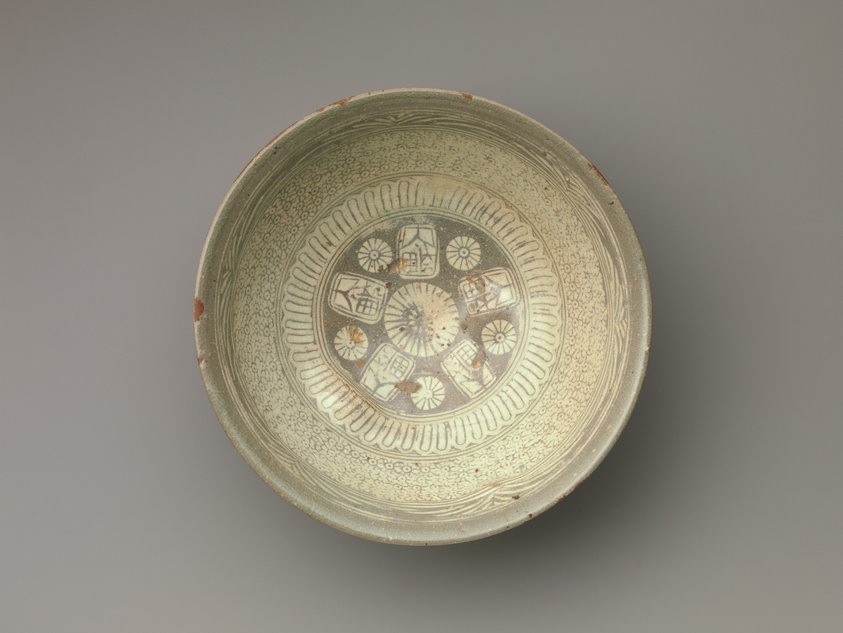
      Bowl with inscription and chrysanthemums and tortoiseshell decoration
      Mascarade à la Grecque; Suite des Vases; and [Cheminées]
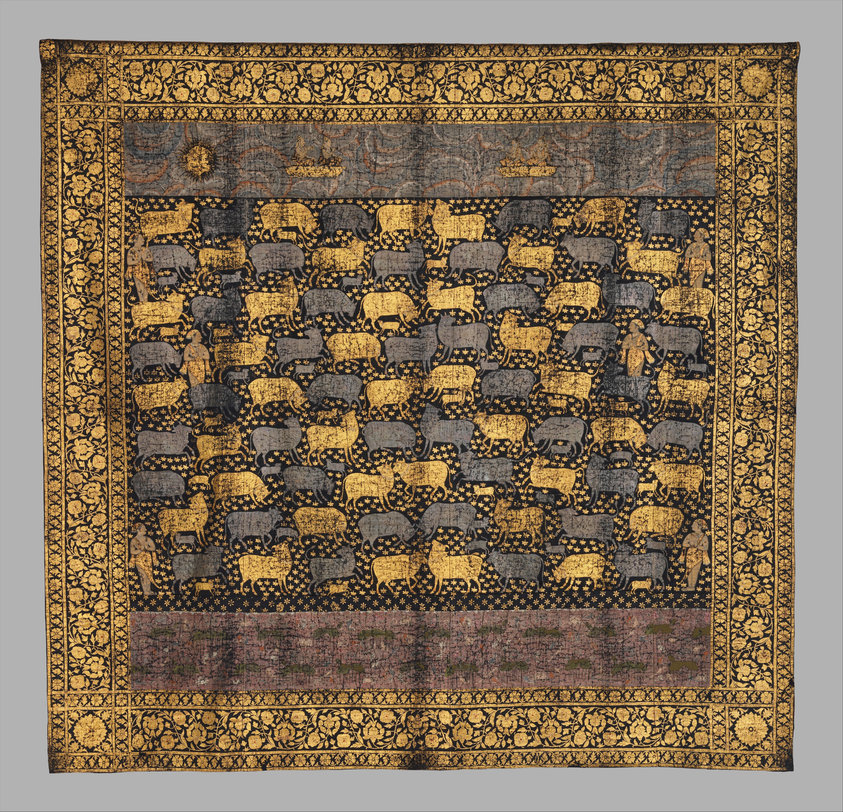
      Pichhwai for the Festival of Cows
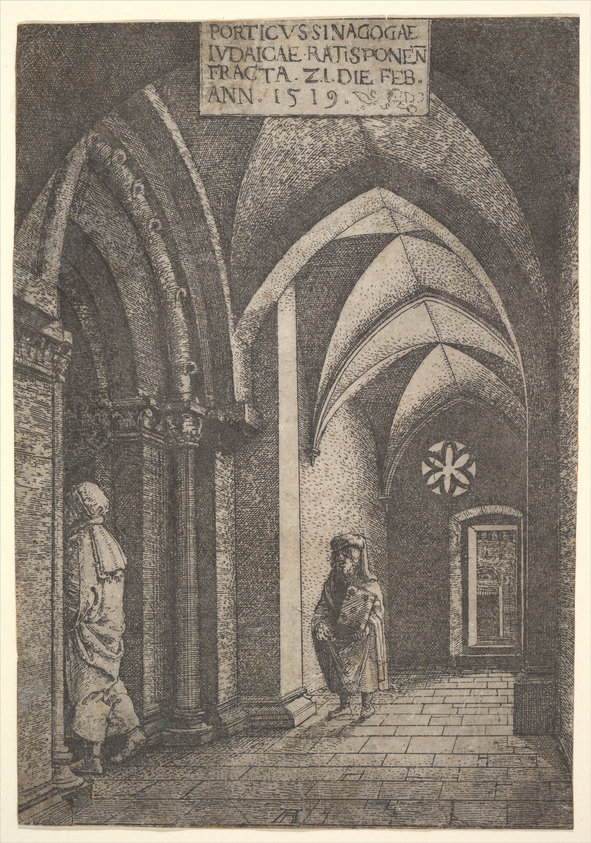
      The Entrance Hall of the Regensburg Synagogue
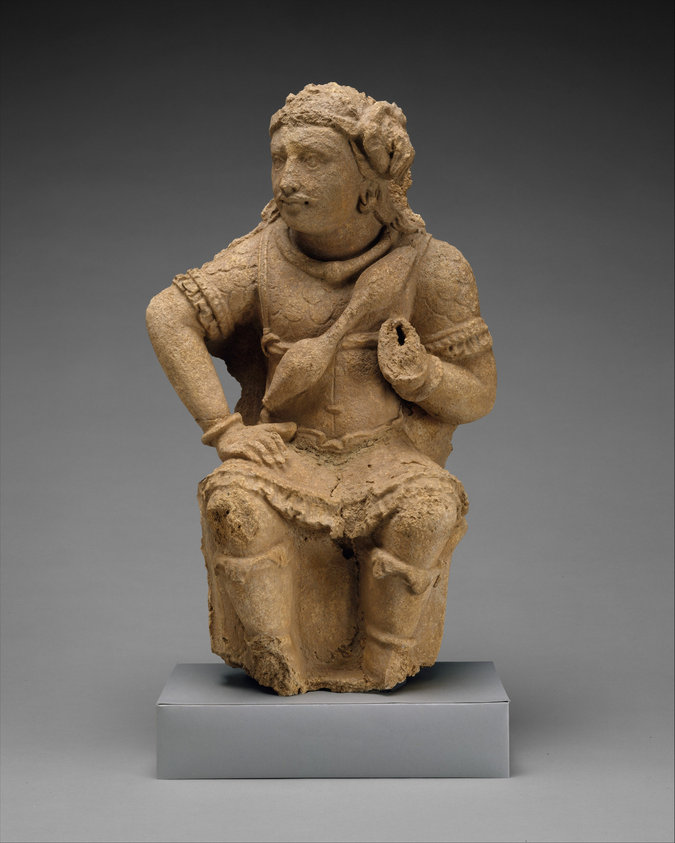
      Door Guardian (Dvarapala)
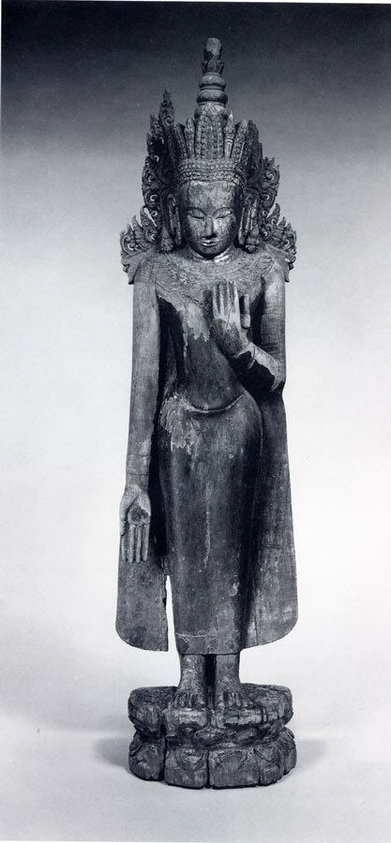
      Crowned Buddha
      Arm Band with Man's Head
      Head of Shiva (lingakosha)
      Buddha
      Standing Avalokiteshvara, the Bodhisattva of Infinite Compassion
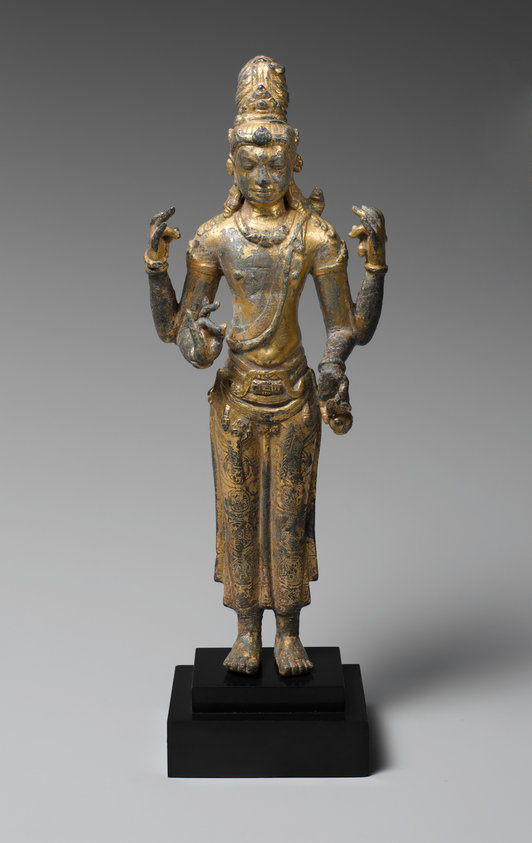
      Standing Four-Armed Shiva
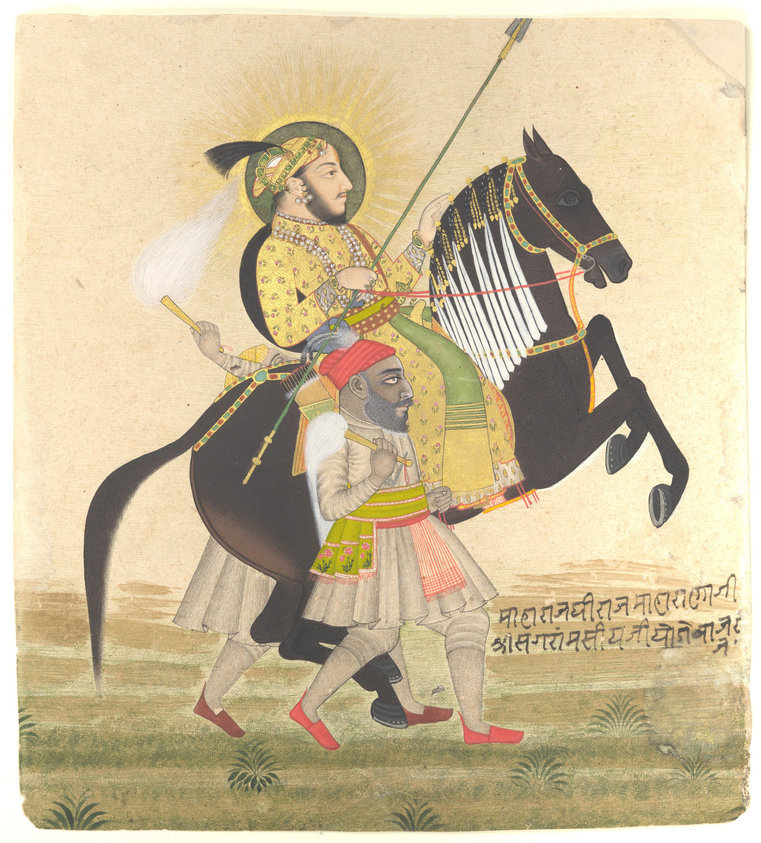
      Maharana Sangram Singh Riding a Prize Stallion
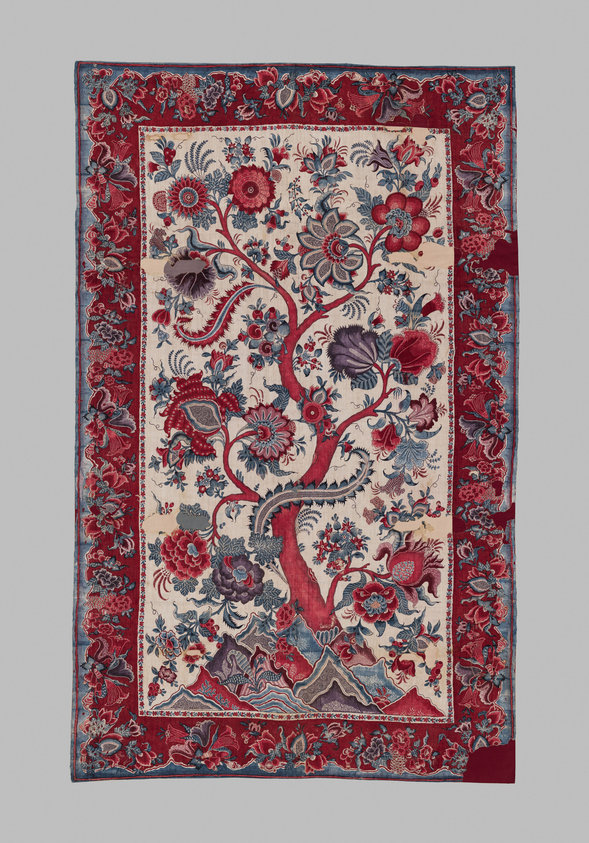
      Palampore
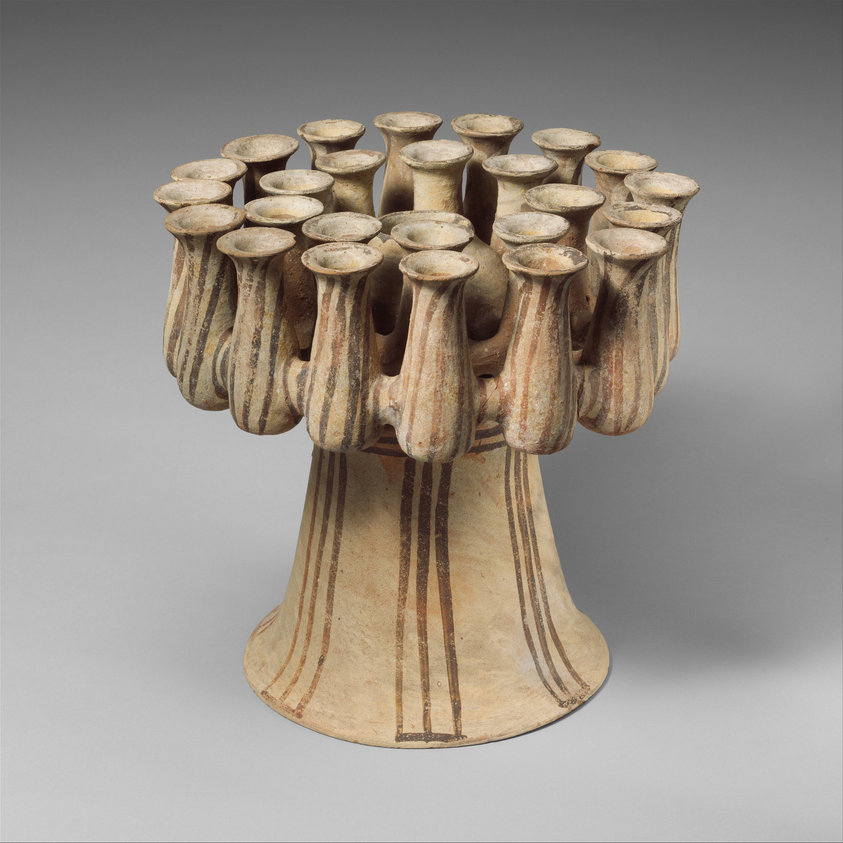
      Terracotta kernos (vase for multiple offerings)
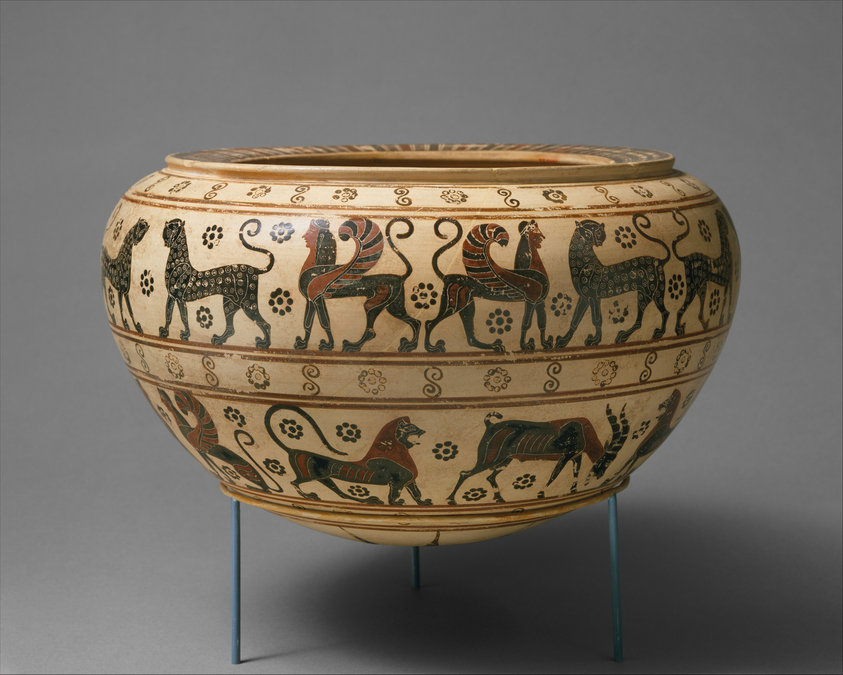
      Terracotta dinos (mixing bowl)
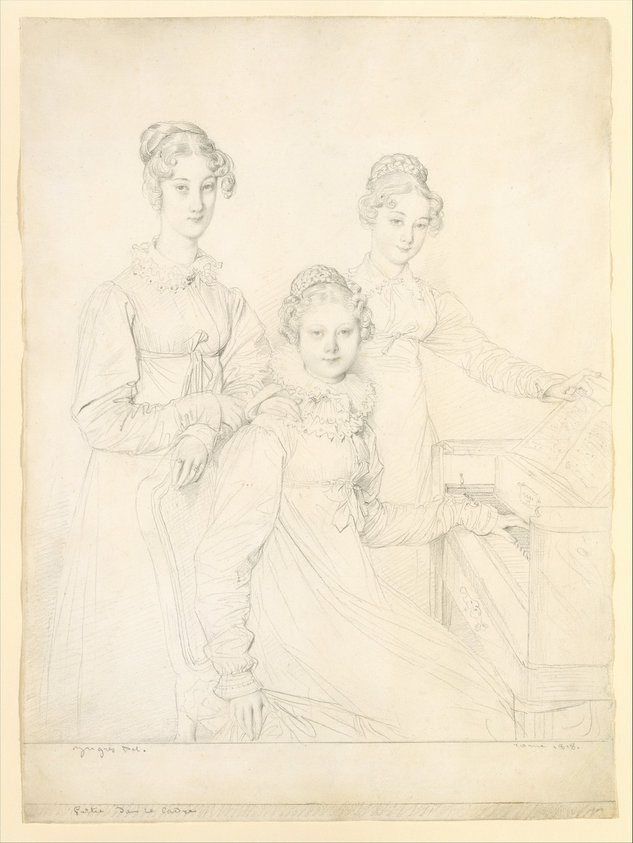
      The Kaunitz Sisters (Leopoldine, Caroline, and Ferdinandine)
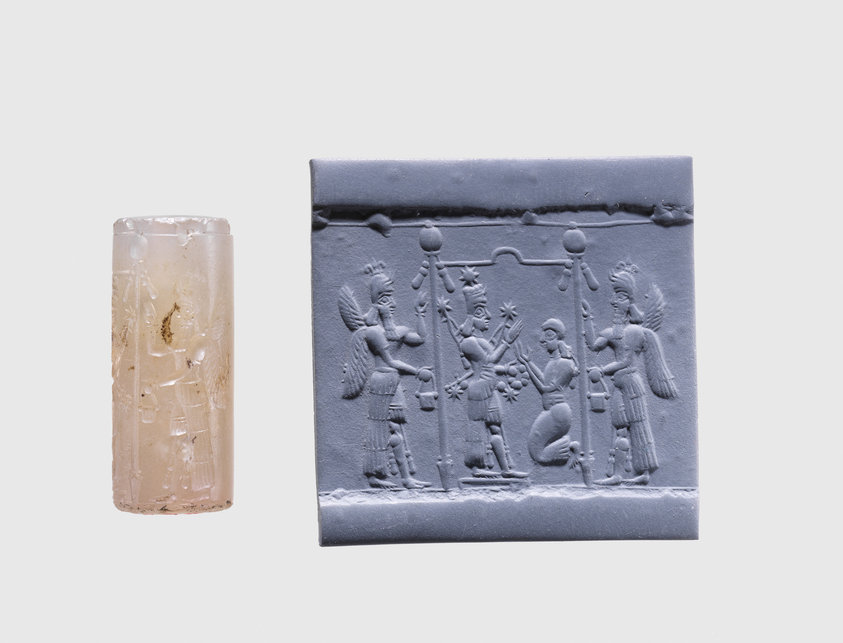
      Cylinder seal with cultic scene
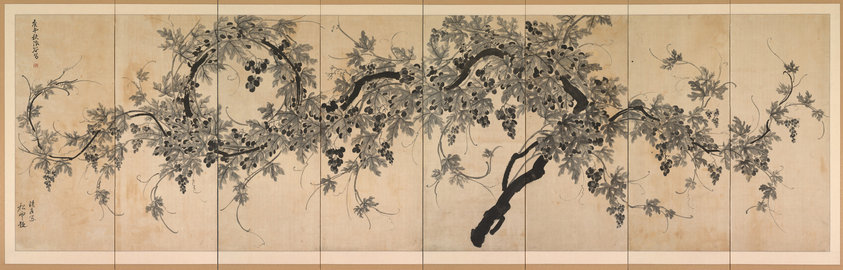
      Grapevine
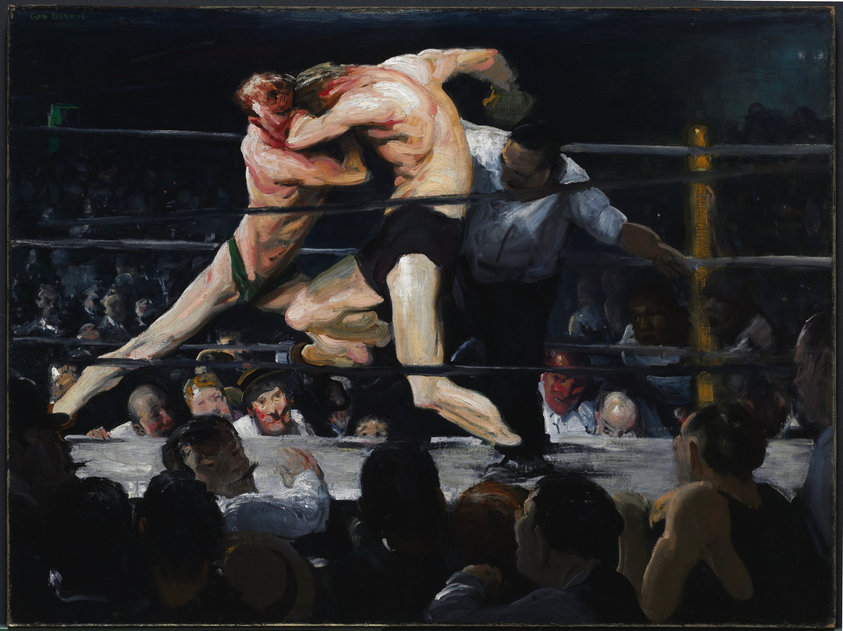
      Stag at Sharkey's
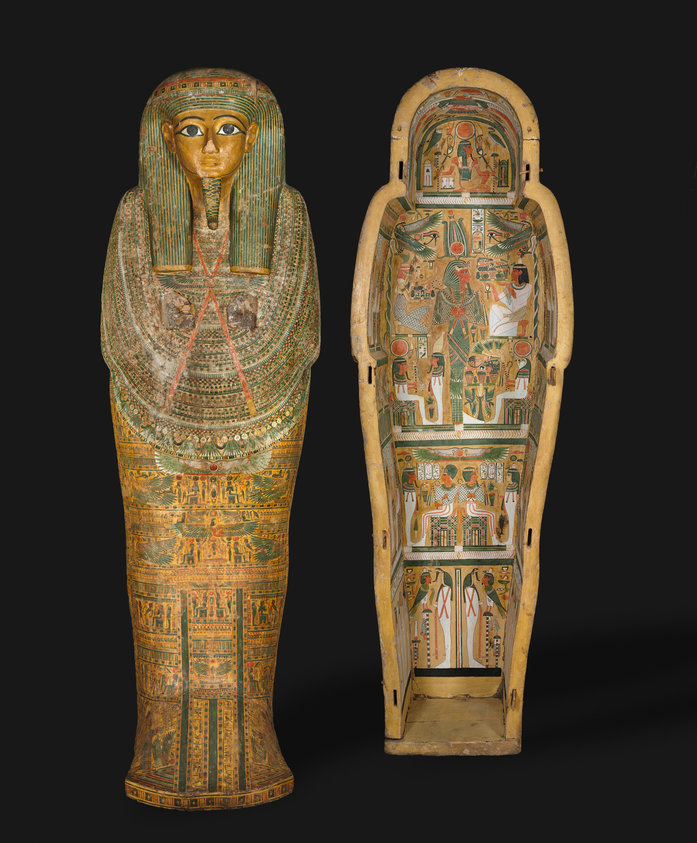
      Coffin of Bakenmut
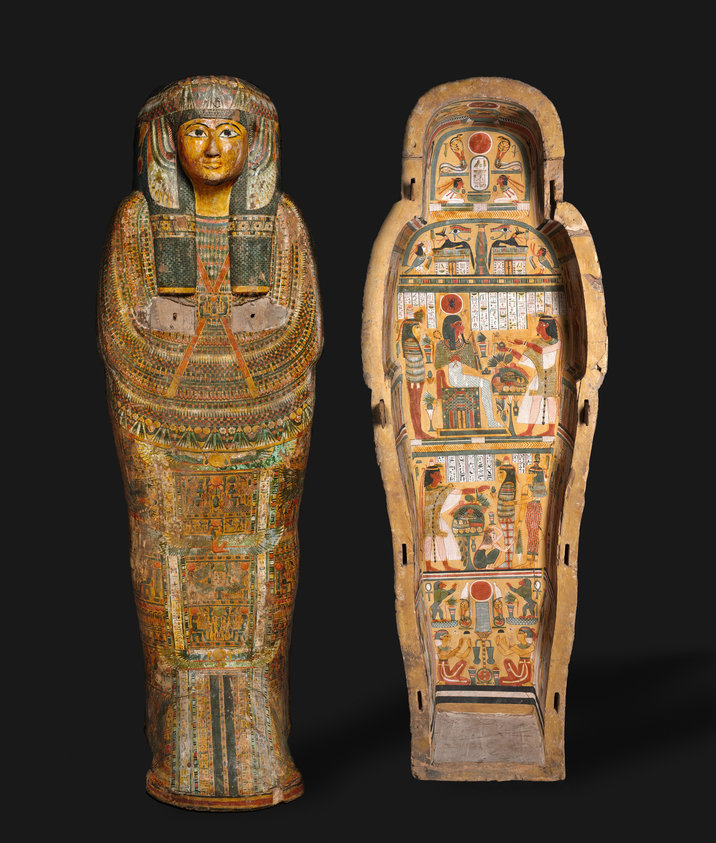
      Coffin of Nesykhonsu
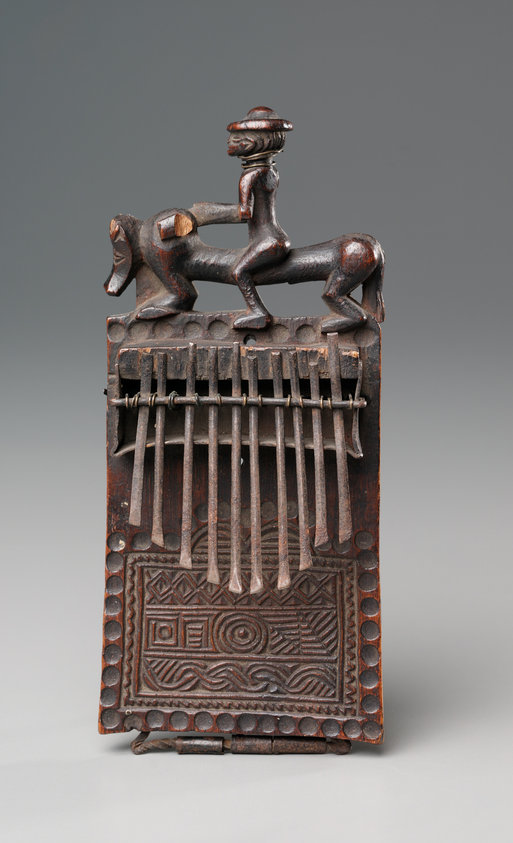
      Lamellophone (chisanji)
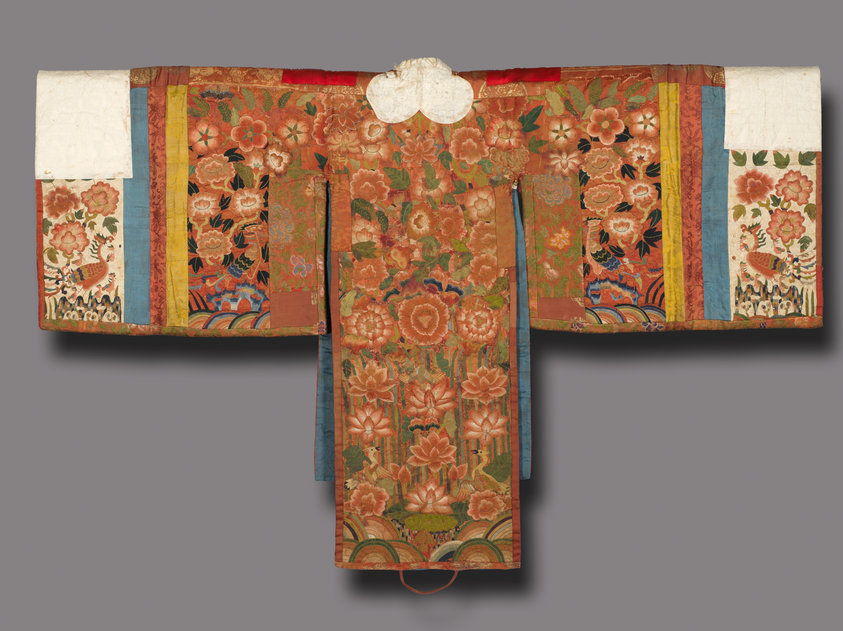
      Bridal Robe (Hwarot)
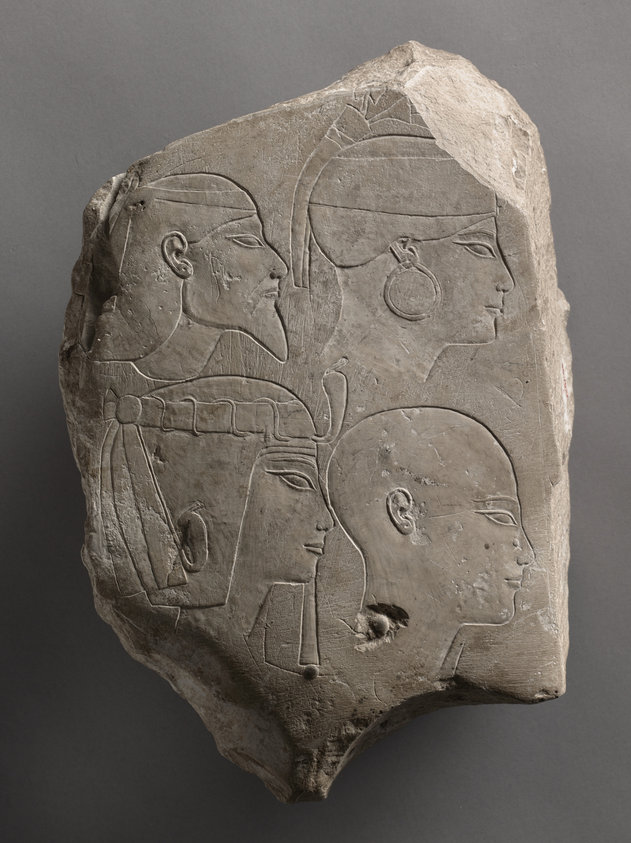
      Trial Piece Worked on Both Sides
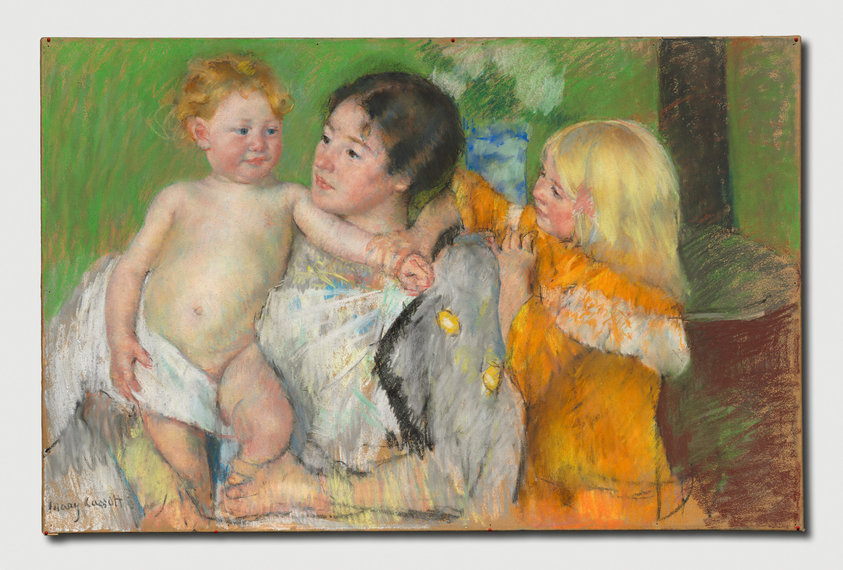
      After the Bath
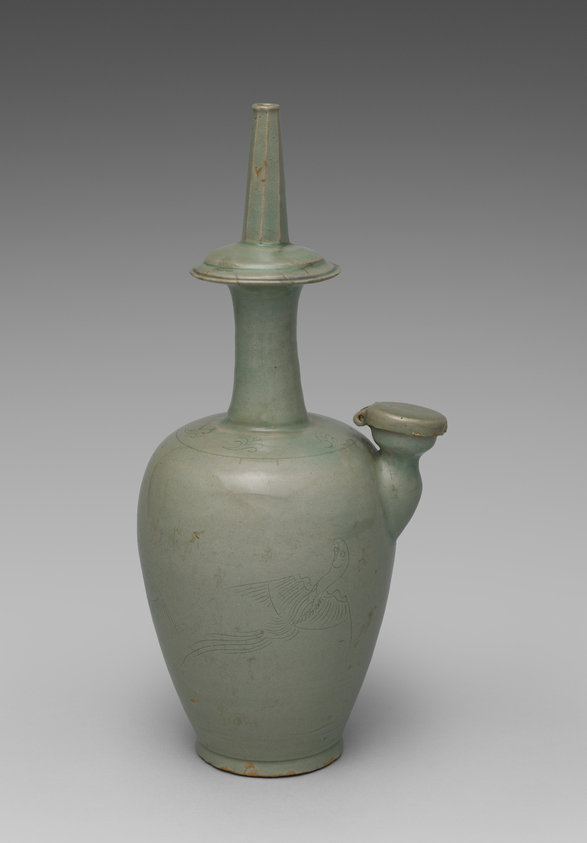
      Water Ewer for Rituals (Kundika) with Incised Parrot Design
      Table Fountain
      Ivory Plaque with Enthroned Mother of God ("The Stroganoff Ivory")
      Orpheus
      Royal Carpet with Silk and Metal Thread
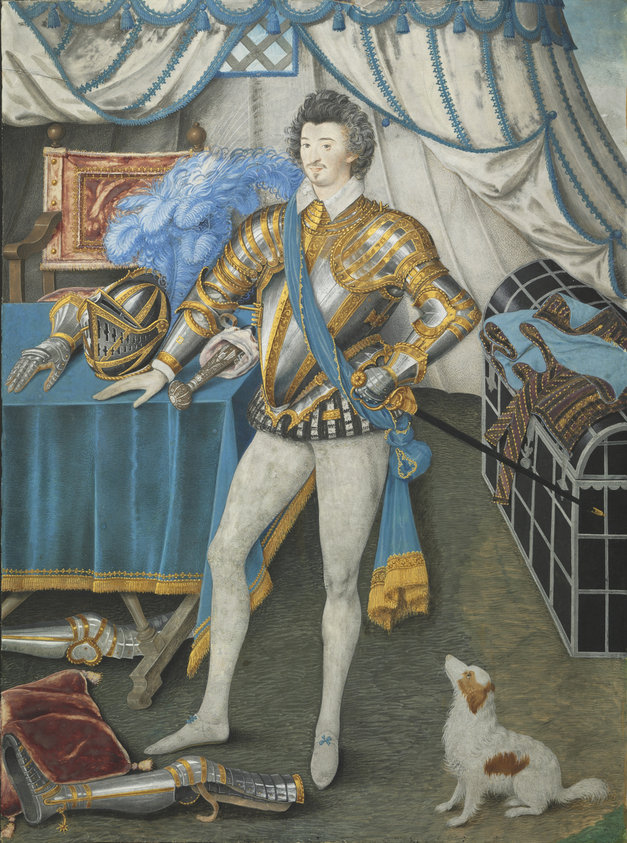
      Sir Anthony Mildmay, Knight of Apethorpe, Northamptonshire
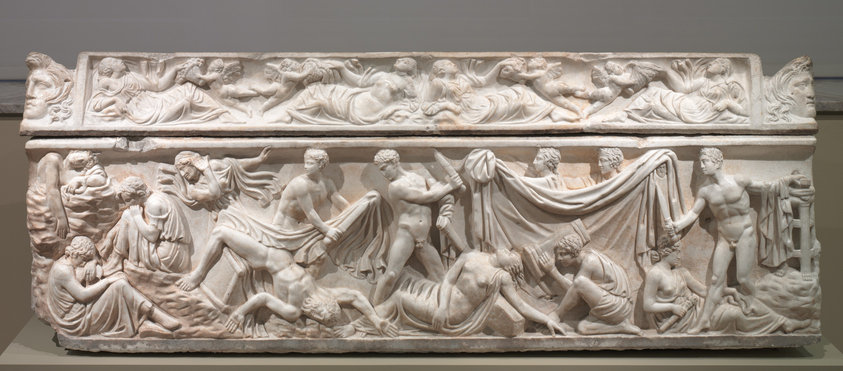
      Sarcophagus
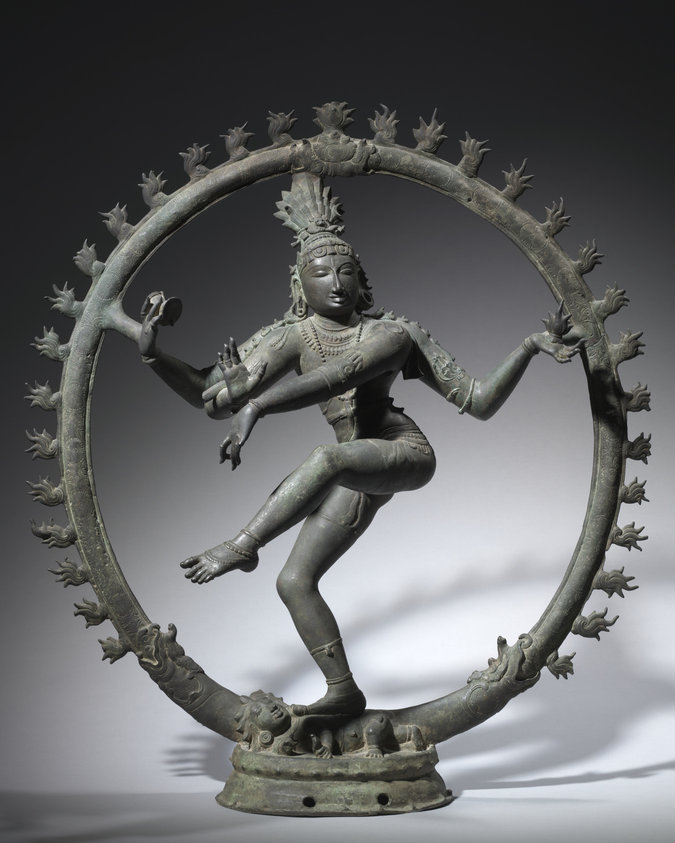
      Nataraja, Shiva as the Lord of Dance
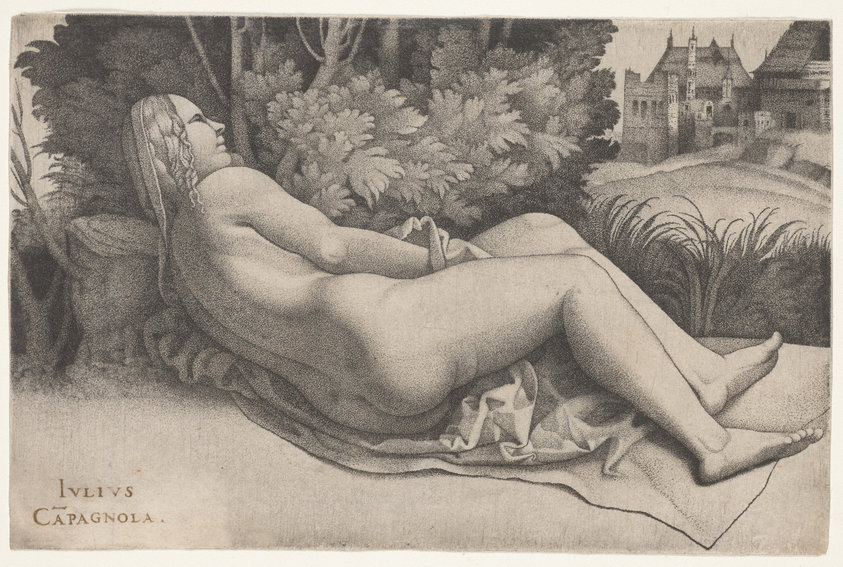
      Venus Reclining in a Landscape
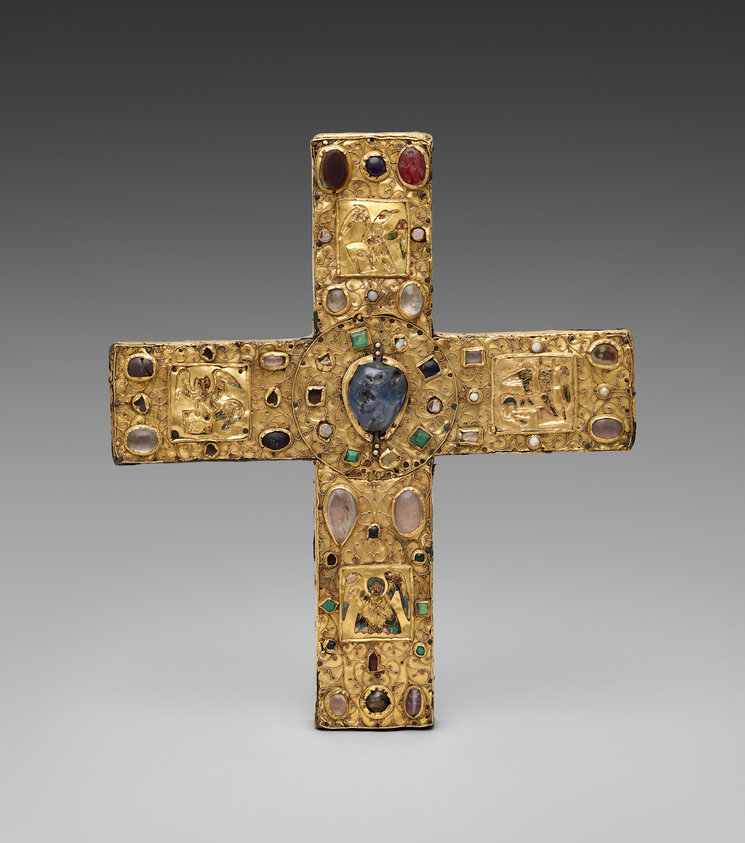
      Ceremonial Cross of Countess Gertrude
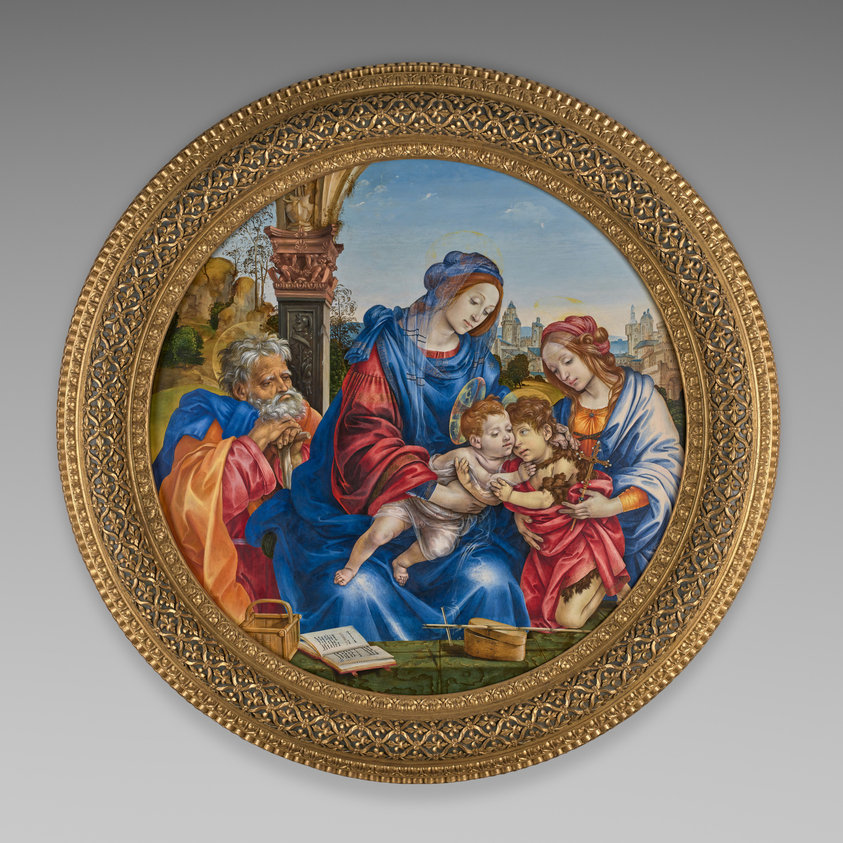
      The Holy Family with Saint John the Baptist and Saint Margaret
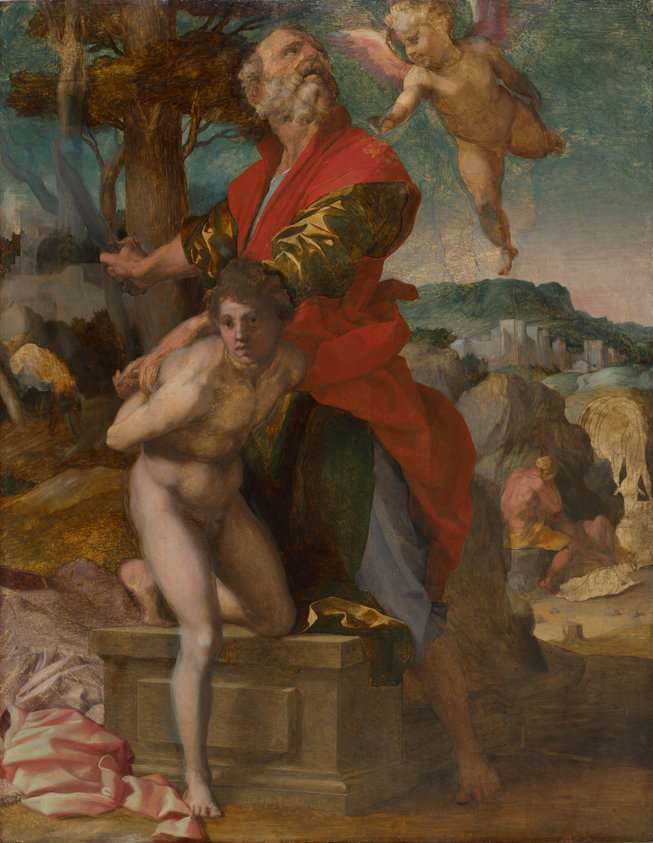
      The Sacrifice of Isaac
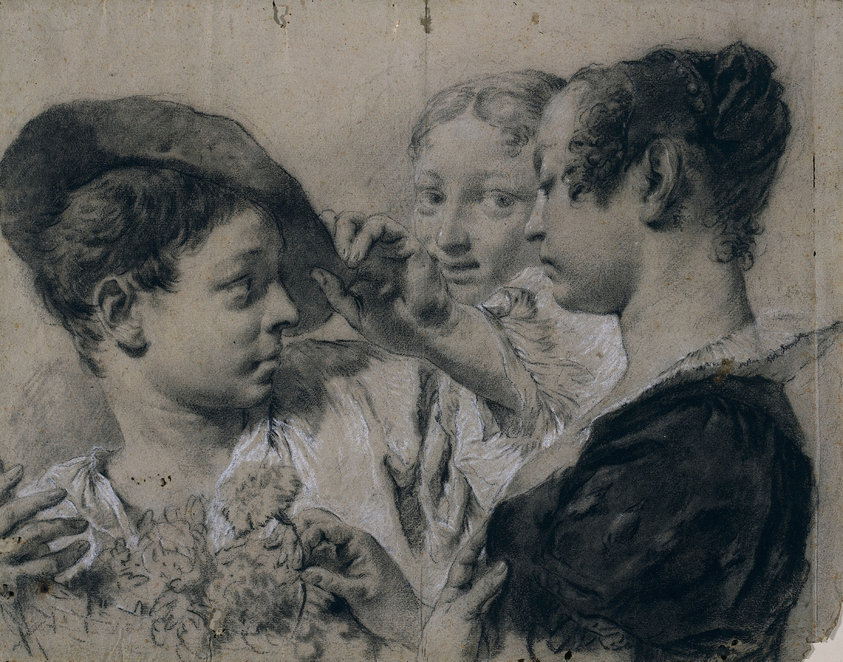
      A Young Woman Buying a Pink from a Young Man
      Plaque
      Ancestral Commemorative Head (uhunmwun-elao)
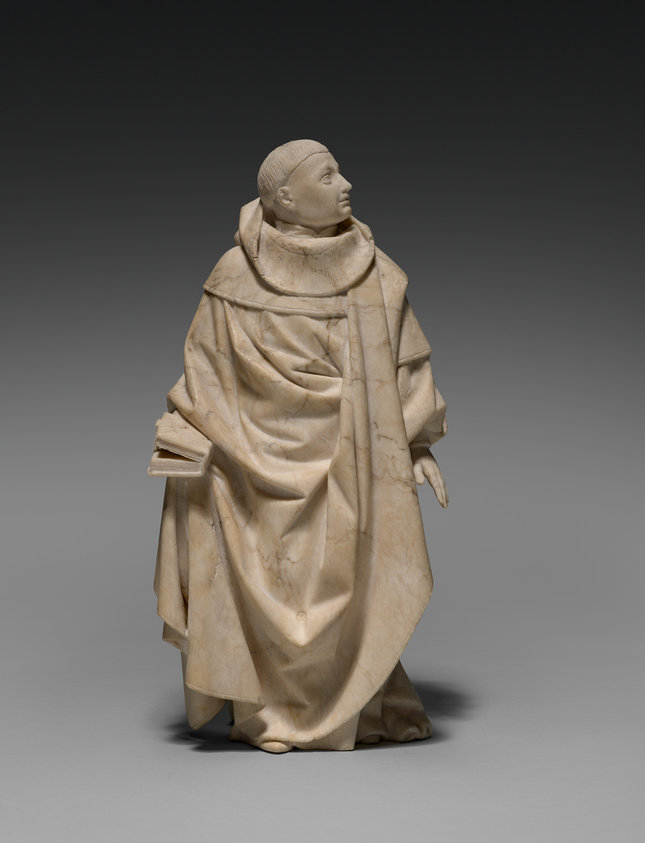
      Mourner from the Tomb of John the Fearless and Margaret of Bavaria
      Study for the Nude Youth over the Prophet Daniel (recto); Figure Studies for the Sistine Ceiling (verso)
      Cloth with Procession of Figures
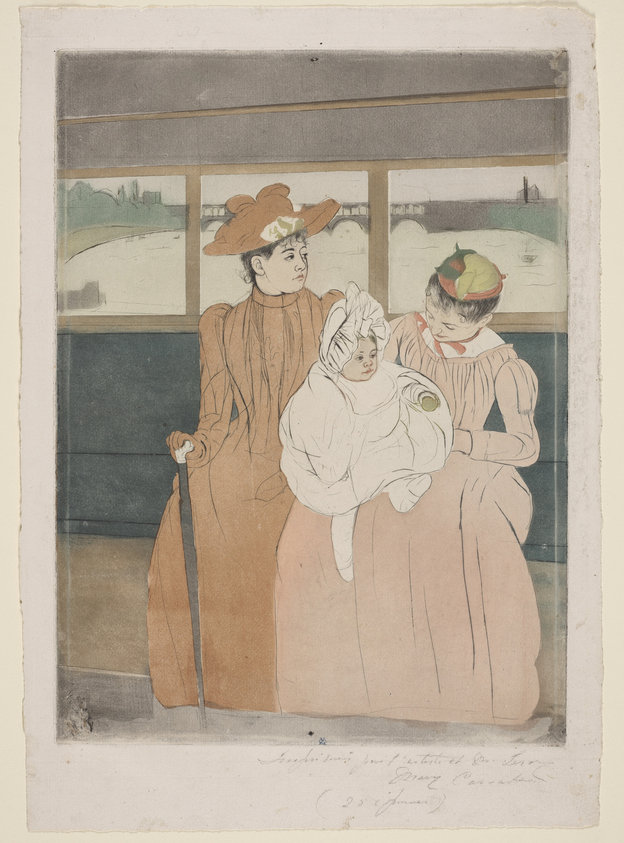
      In the Omnibus
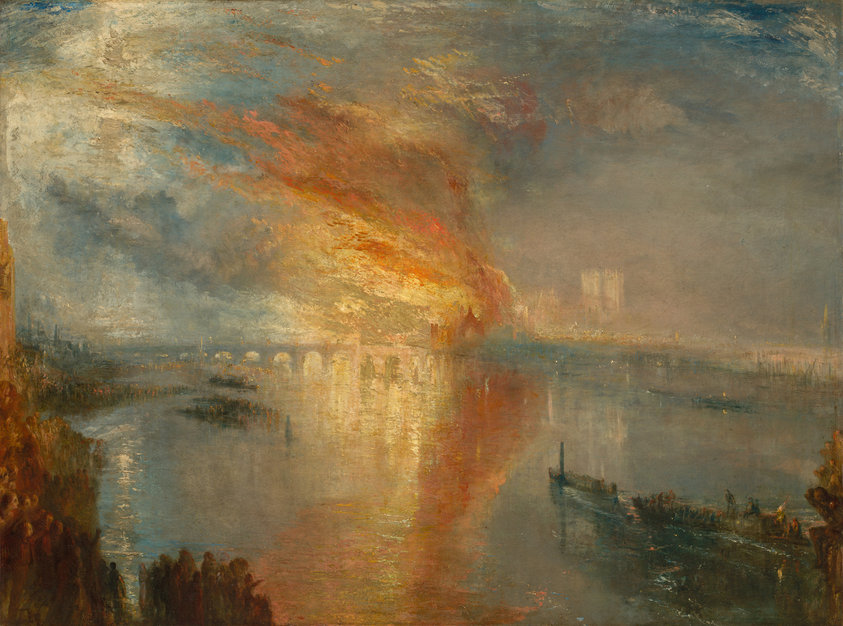
      The Burning of the Houses of Lords and Commons, 16 October 1834
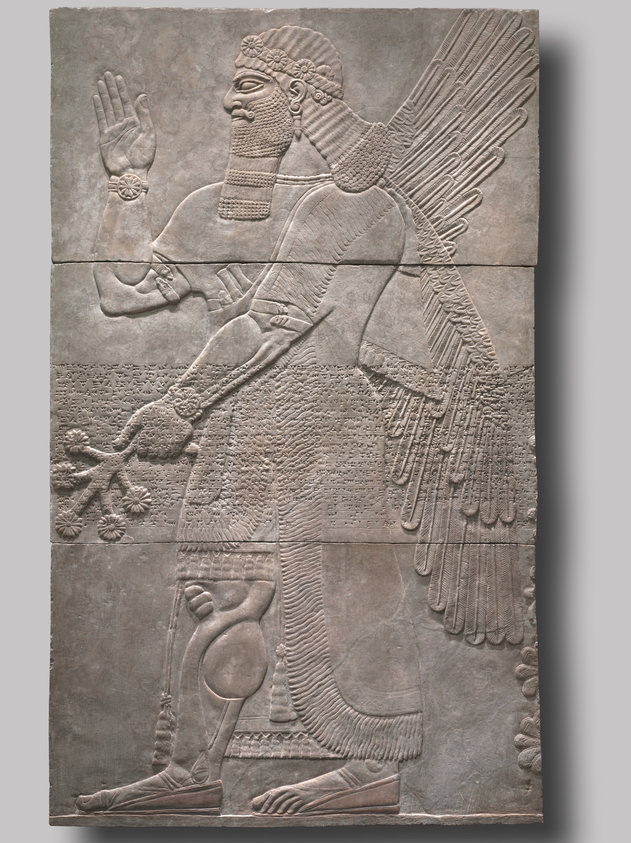
      Saluting Protective Spirit
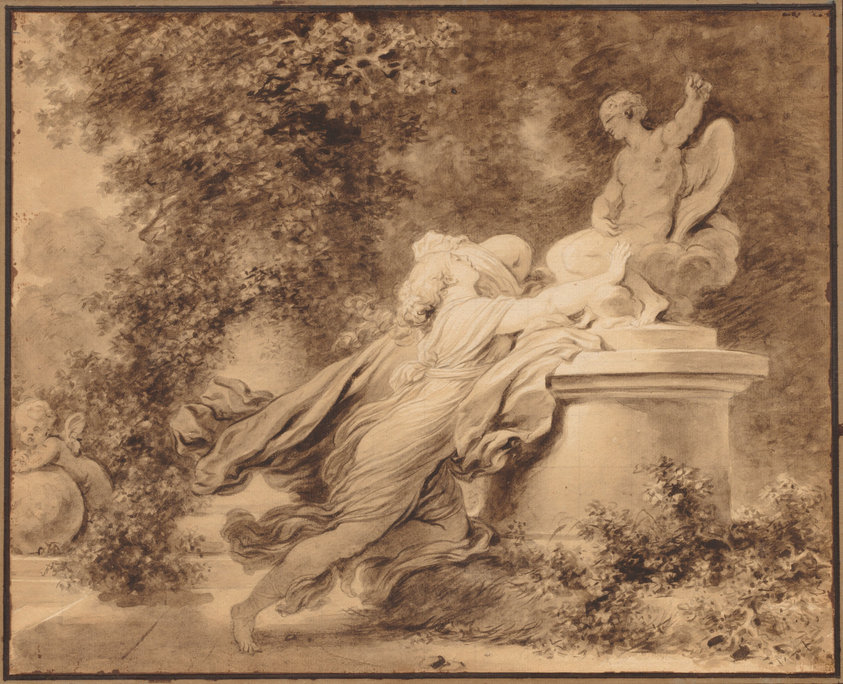
      Invocation to Love
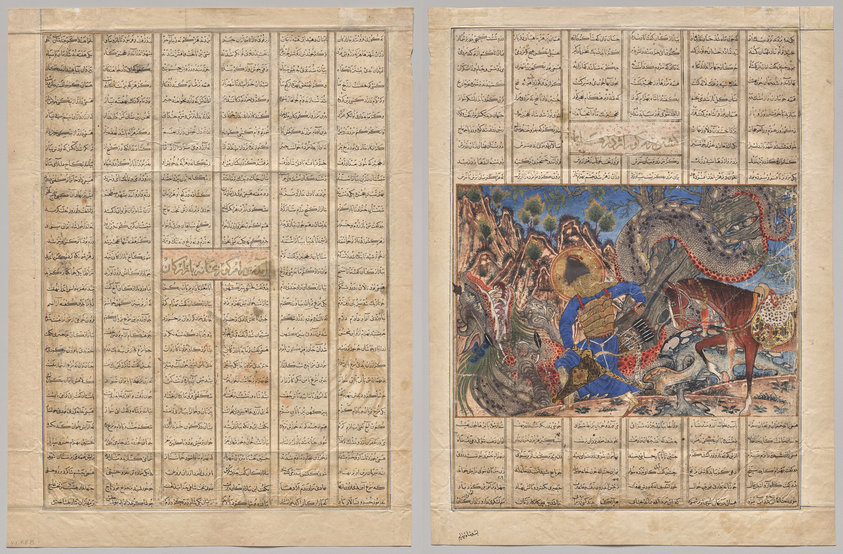
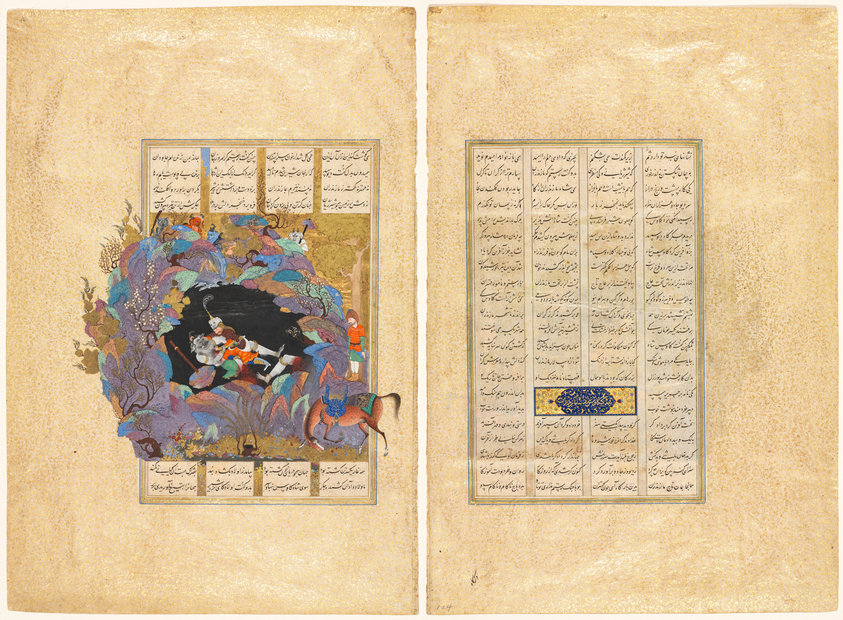
      Bahram Gur Arrives at the House of a Merchant, text page (recto); Bahram Gur Slays a Dragon (verso), from a Shahnama (Book of Kings) of Firdausi (940–1019 or 1025), known as the Great Mongol Shahnama
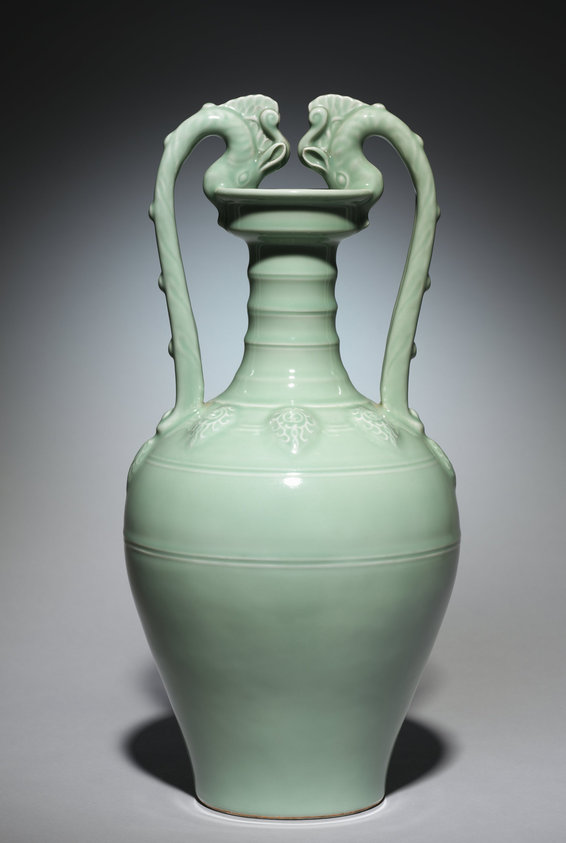
      Amphora Vase
      The Wade Cup with Animated Script
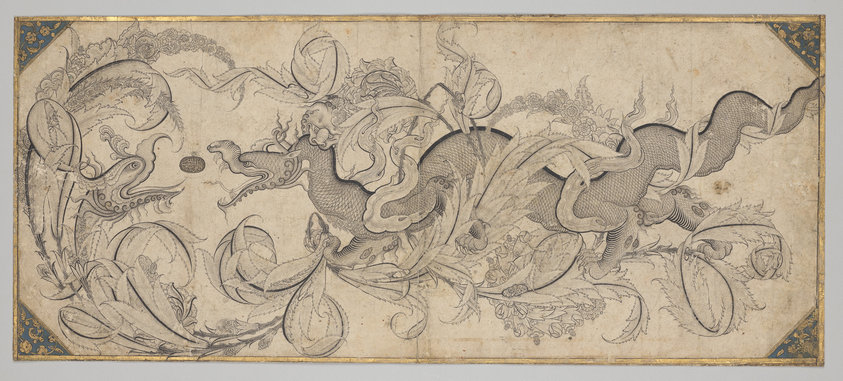
      Dragon in foliage with lion and phoenix heads
      Sleep and Death Cista Handle
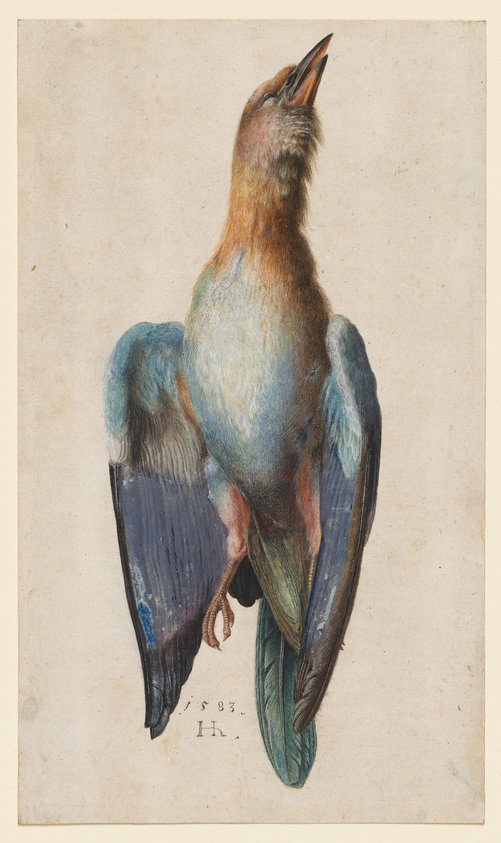
      Dead Blue Roller
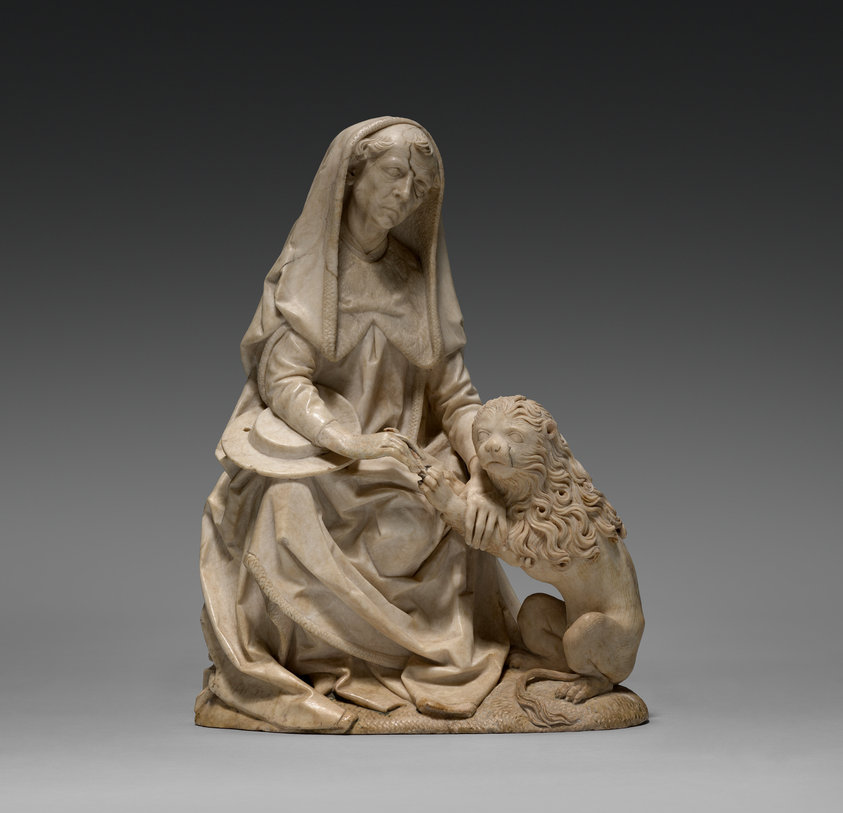
      Saint Jerome and the Lion (From the former Church of St. Peter in Erfurt)
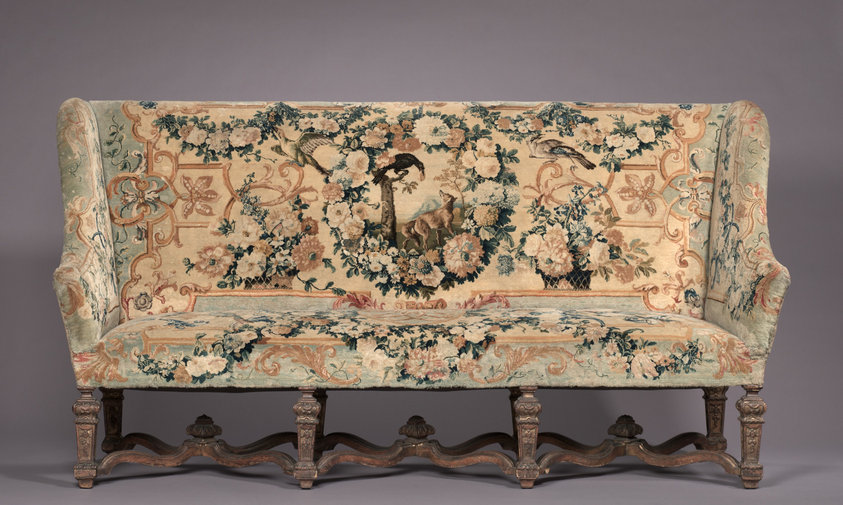
      Set of Four Armchairs and Settee
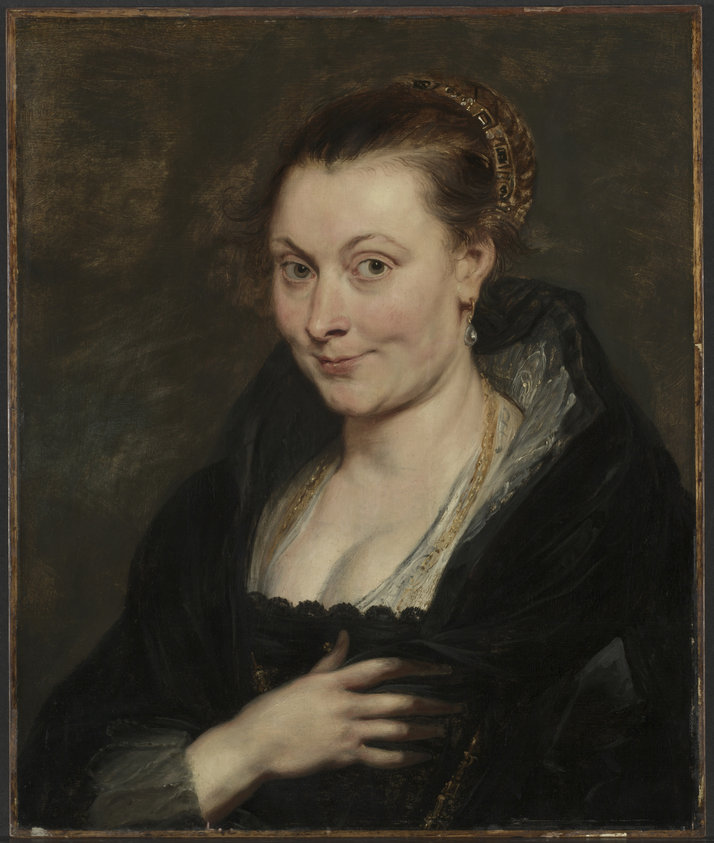
      Portrait of Isabella Brant
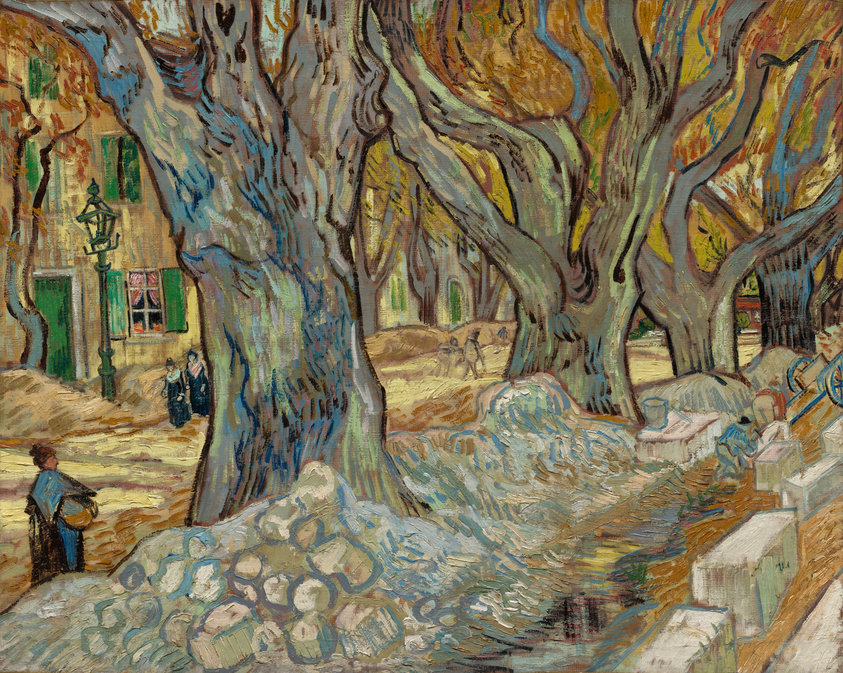
      The Large Plane Trees (Road Menders at Saint-Rémy)
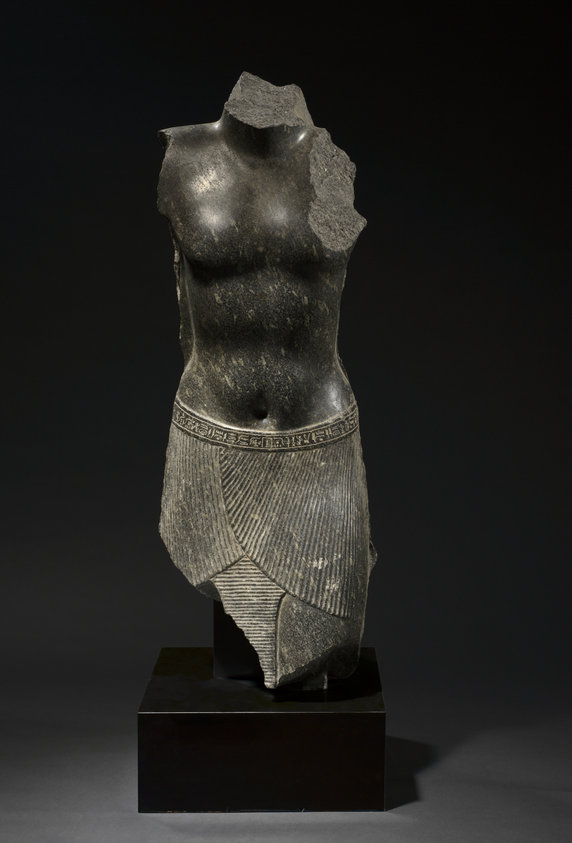
      Torso of Amenpayom
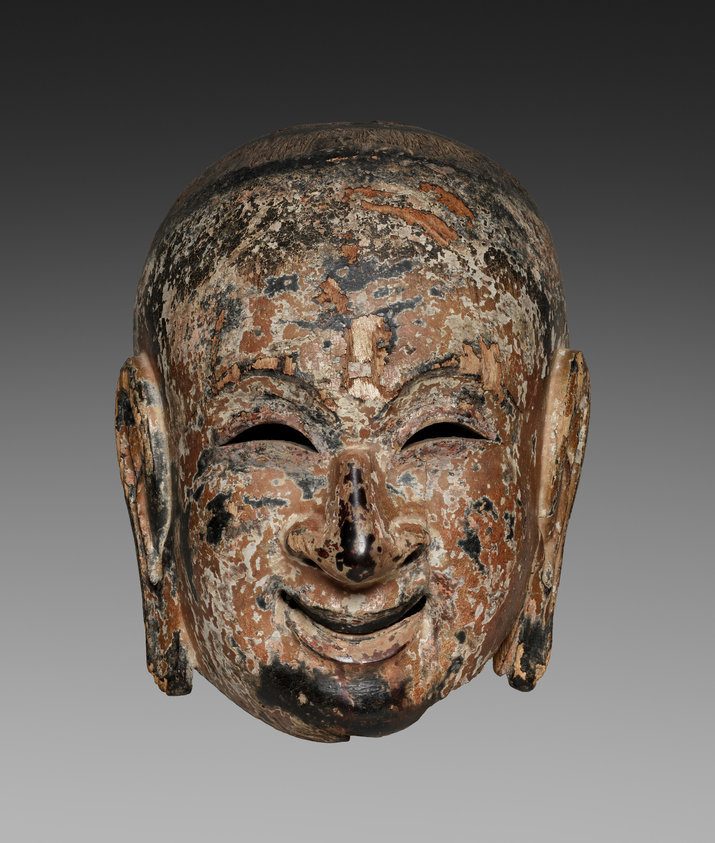
      Gigaku Mask of Young Persian Boy (Taikōji)
      Cabinet
      Church Bells Ringing, Rainy Winter Night
      View of Venice
      Equestrian Portrait of the Emperor Maximilian
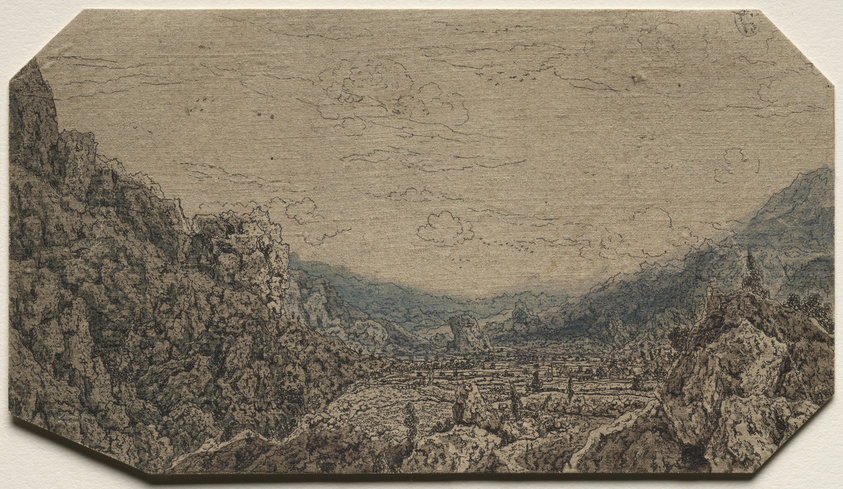
      Enclosed Valley
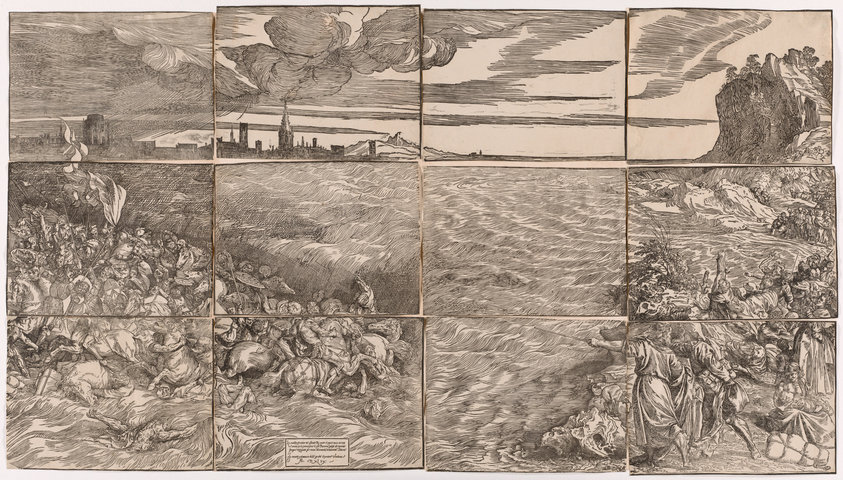
      The Submersion of Pharaoh's Army in the Red Sea
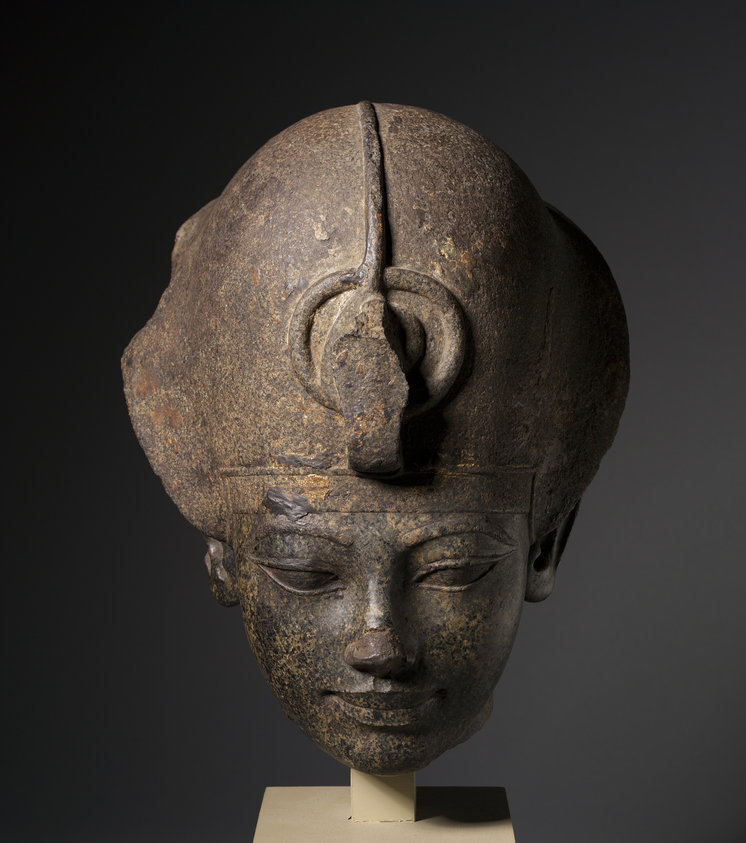
      Head of Amenhotep III Wearing the Blue Crown
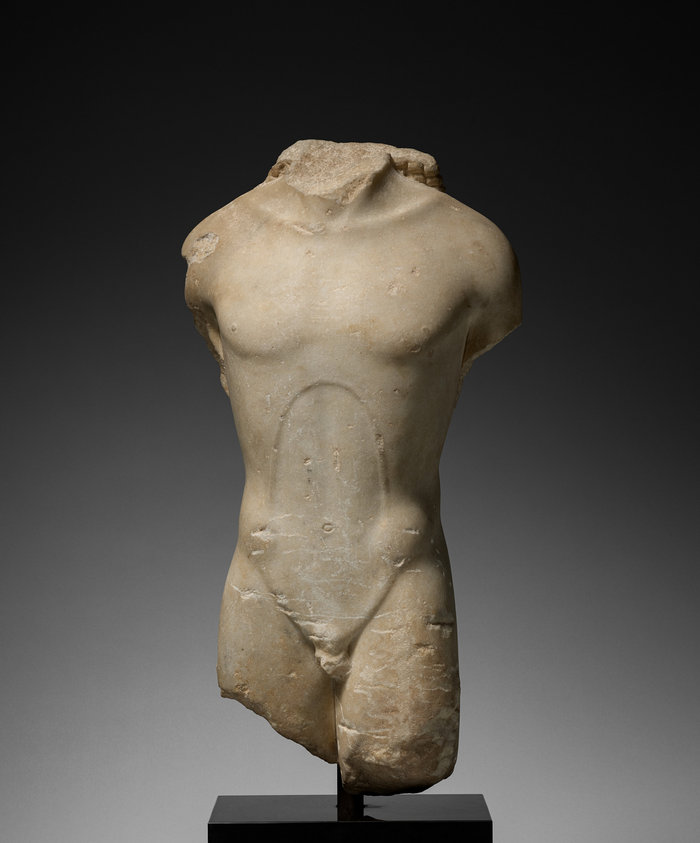
      Torso of a Kouros
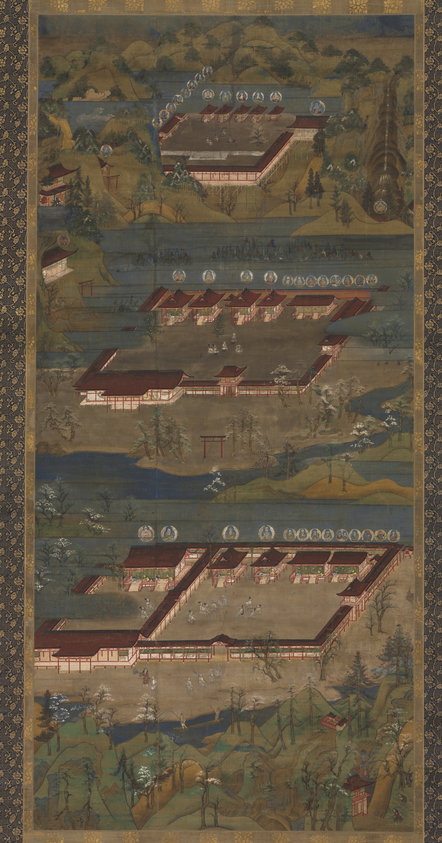
      Mandala of the Three Shrines at Kumano
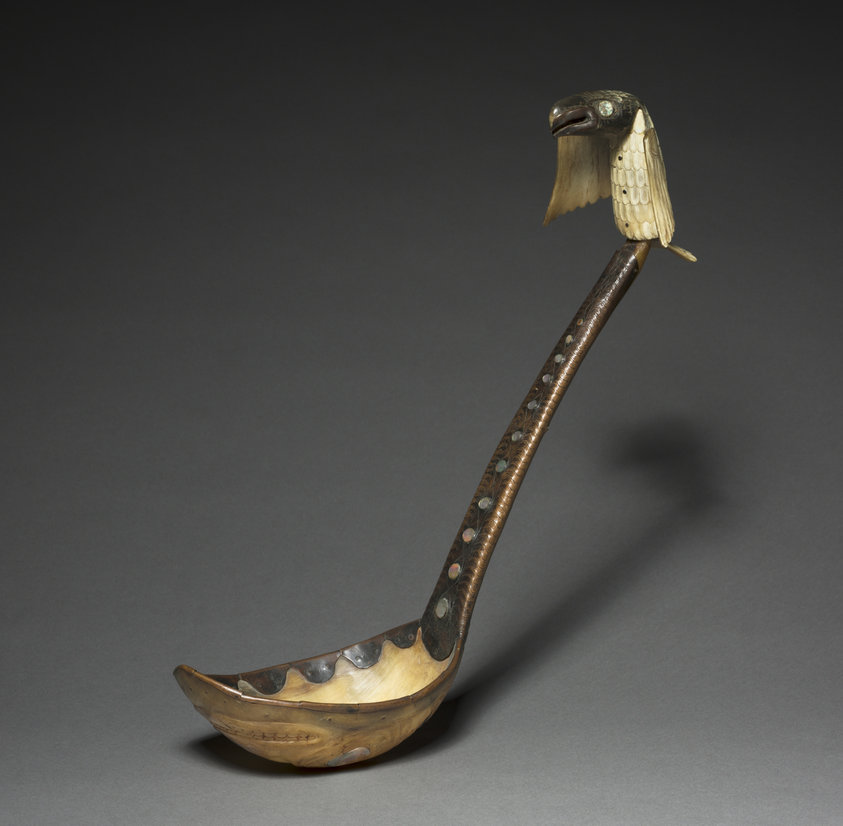
      Feast Ladle
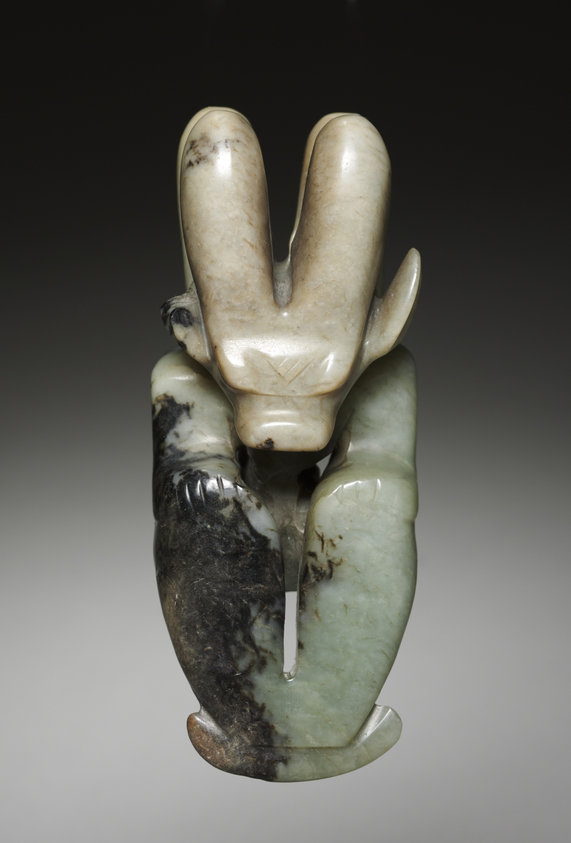
      Amulet in the Form of a Seated Figure with Bovine Head
      Brush Washer
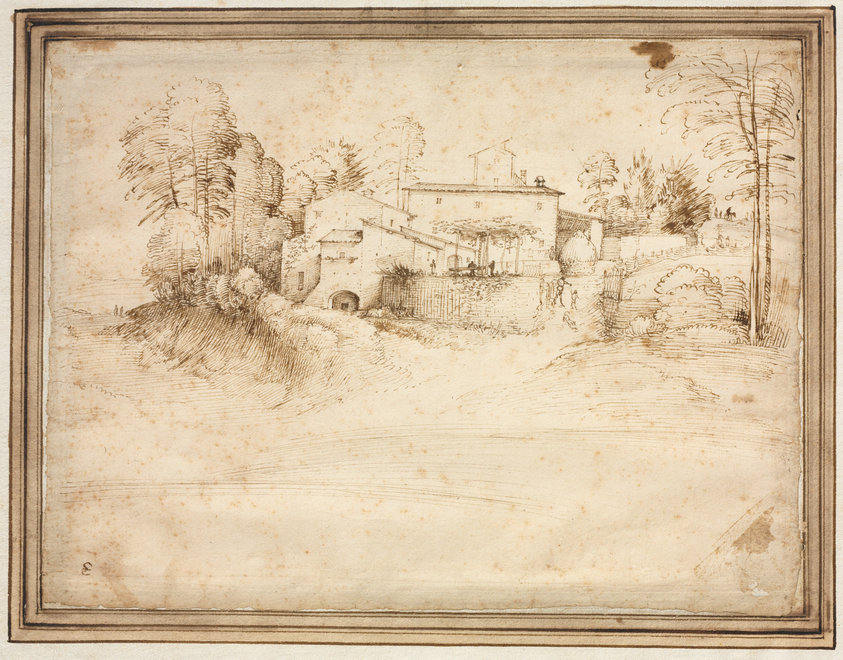
      Farmhouse on the Slope of a Hill
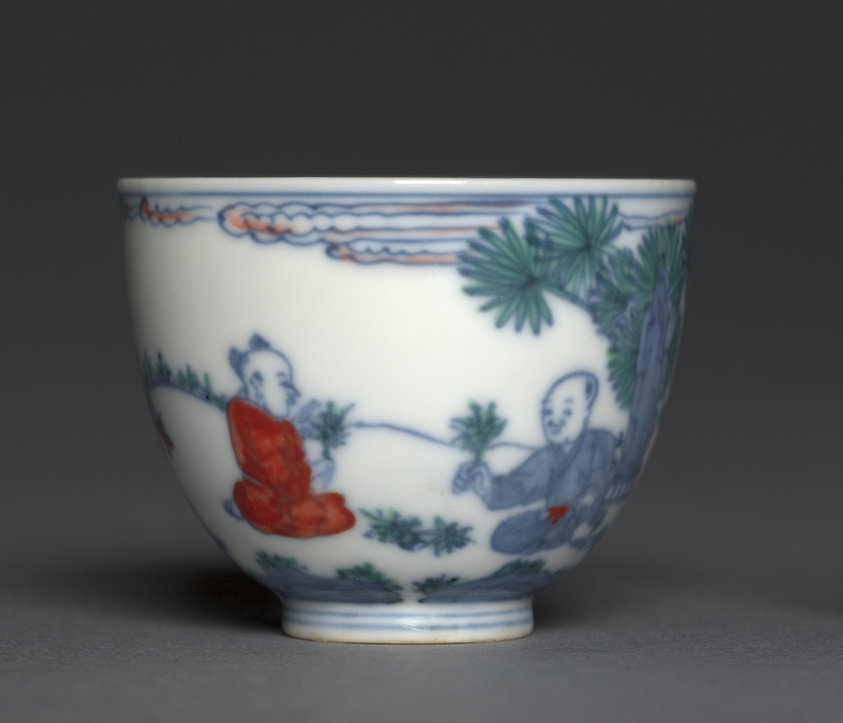
      Wine Cup with Children at Play
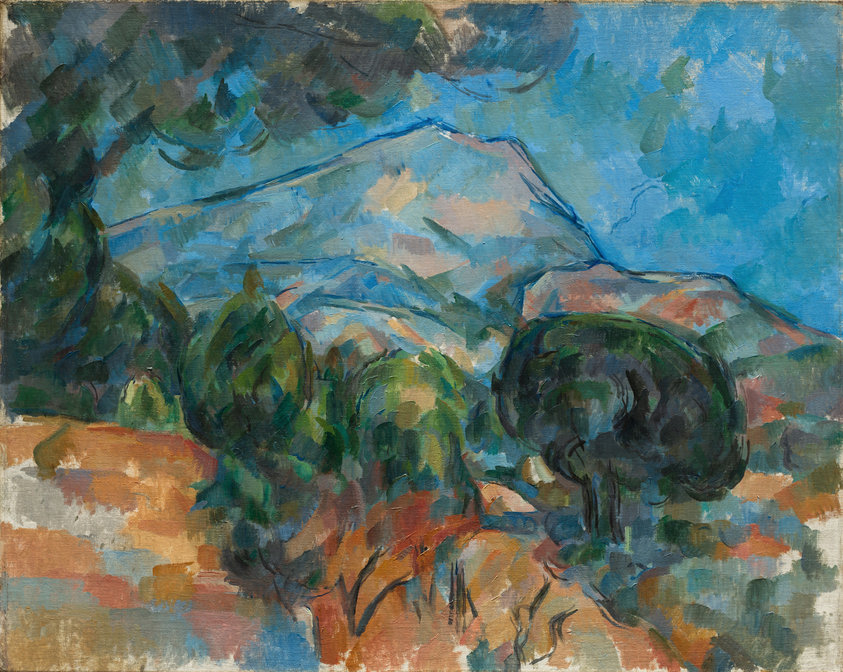
      Mount Sainte-Victoire
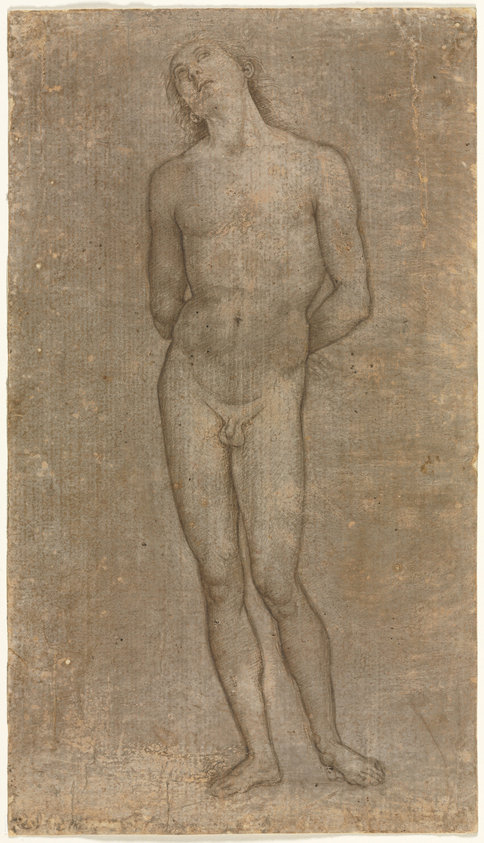
      Saint Sebastian
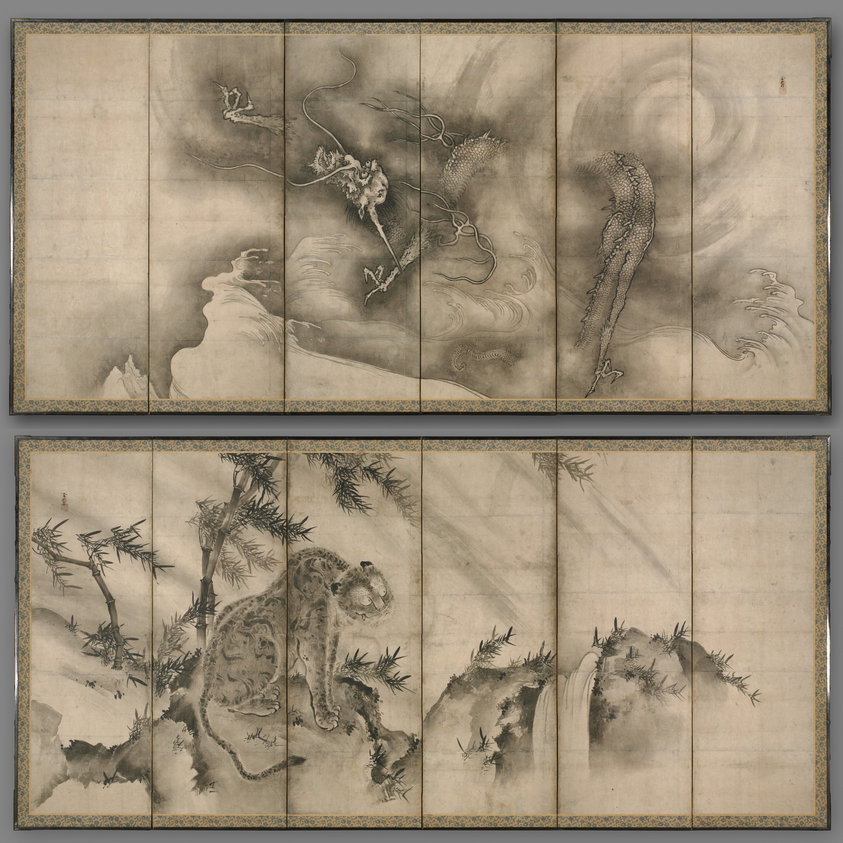
      Dragon and Tiger
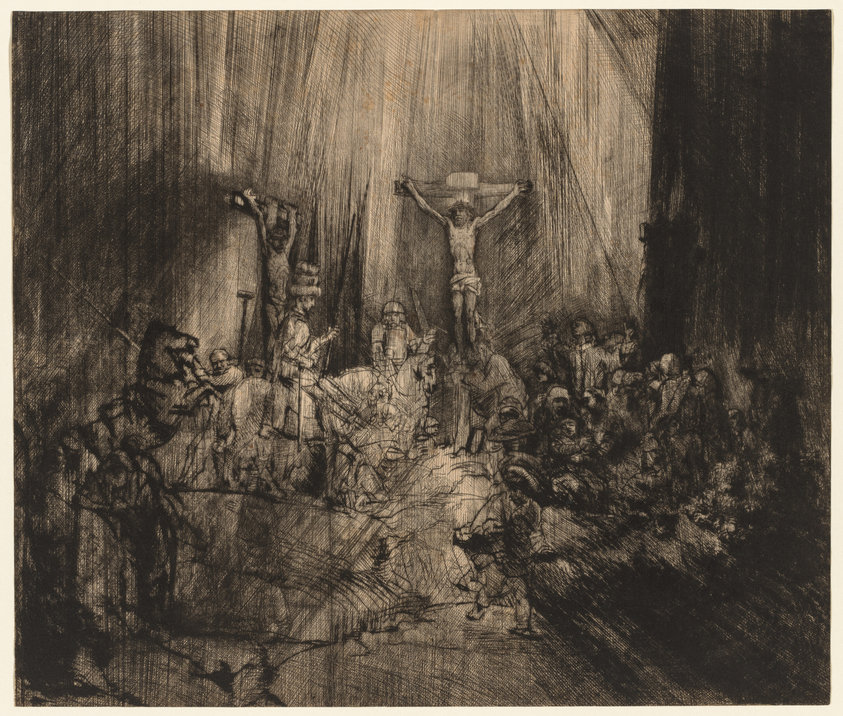
      Christ Crucified Between the Two Thieves: 'The Three Crosses'
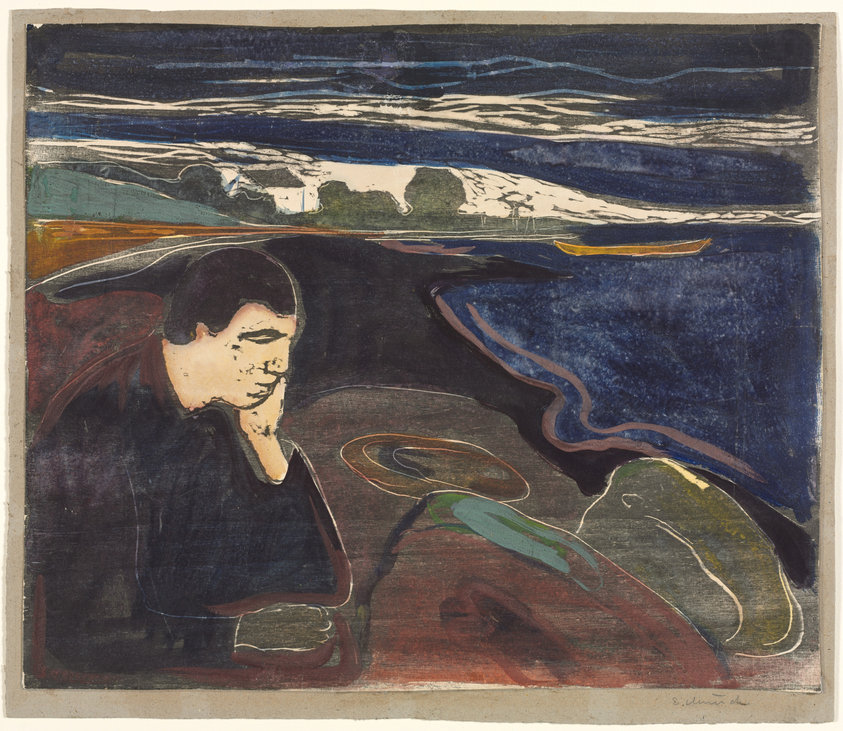
      Evening, Melancholy I
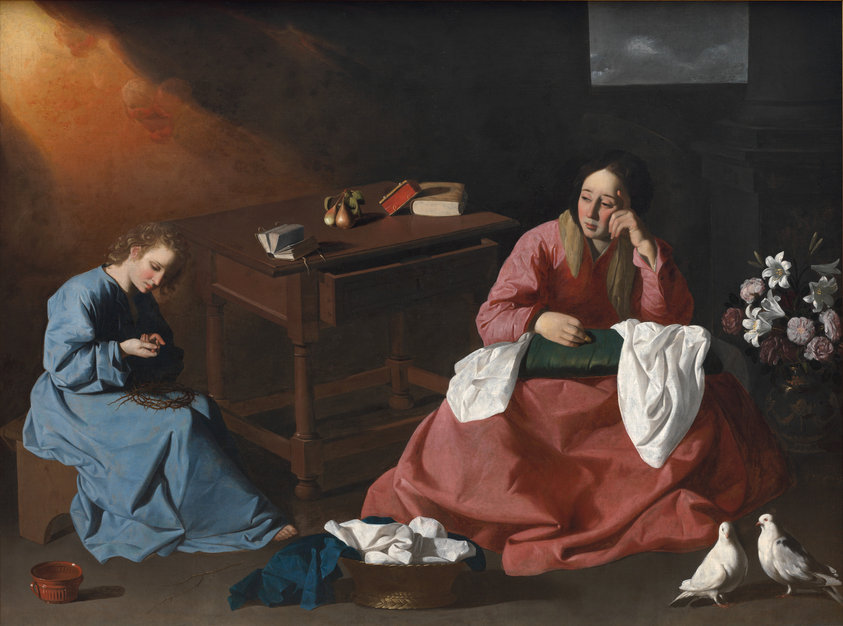
      Christ and the Virgin in the House at Nazareth
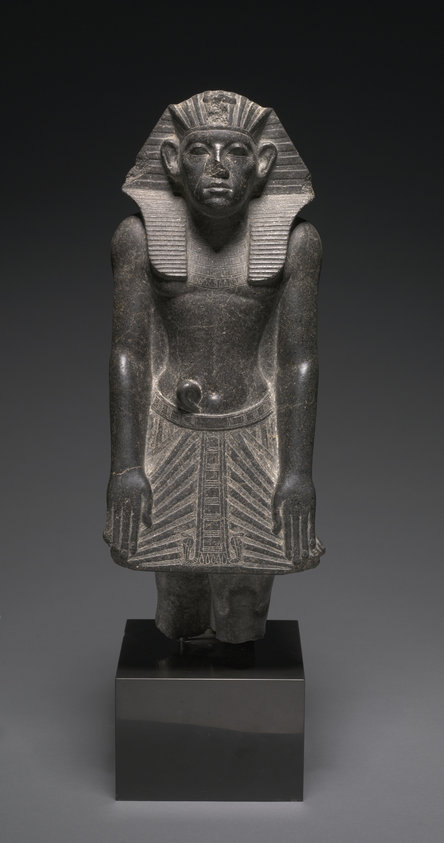
      Statue of Amenemhat III
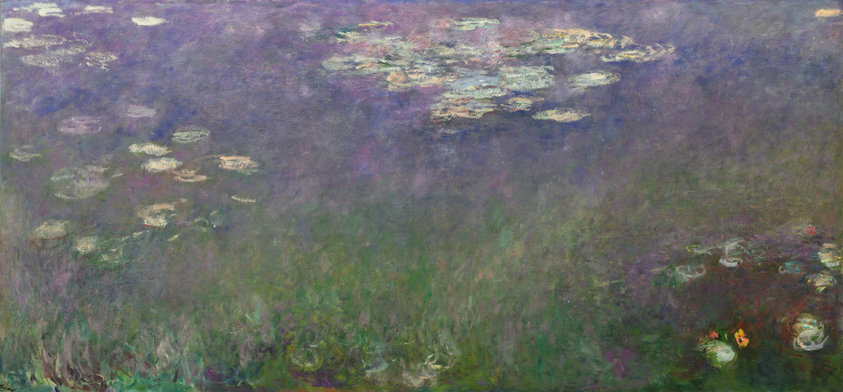
      Water Lilies (Agapanthus)
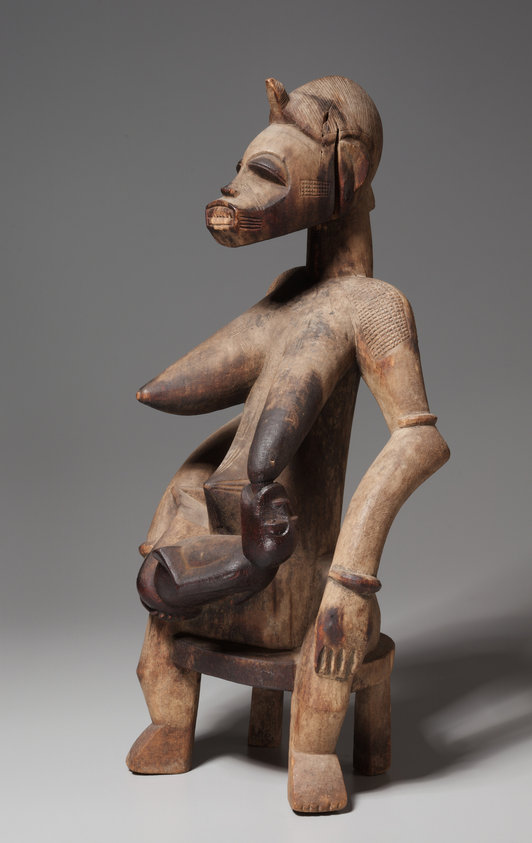
      Nursing Woman with Child
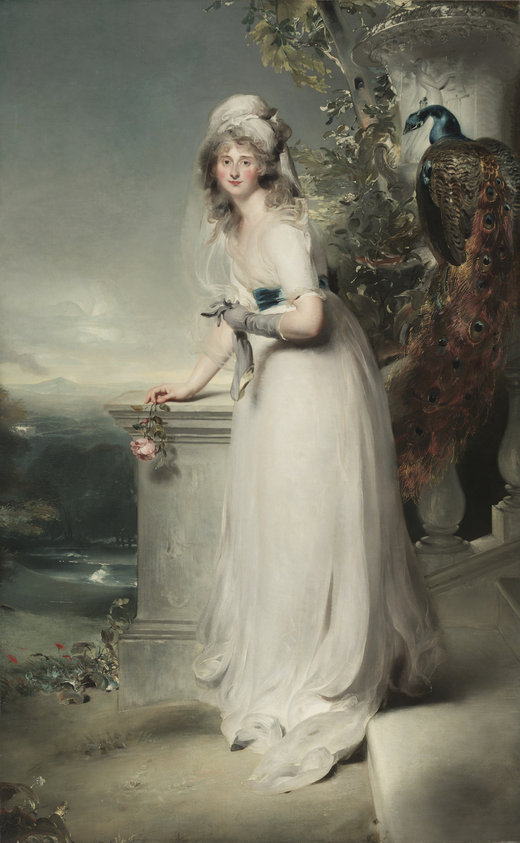
      Portrait of Catherine Grey, Lady Manners
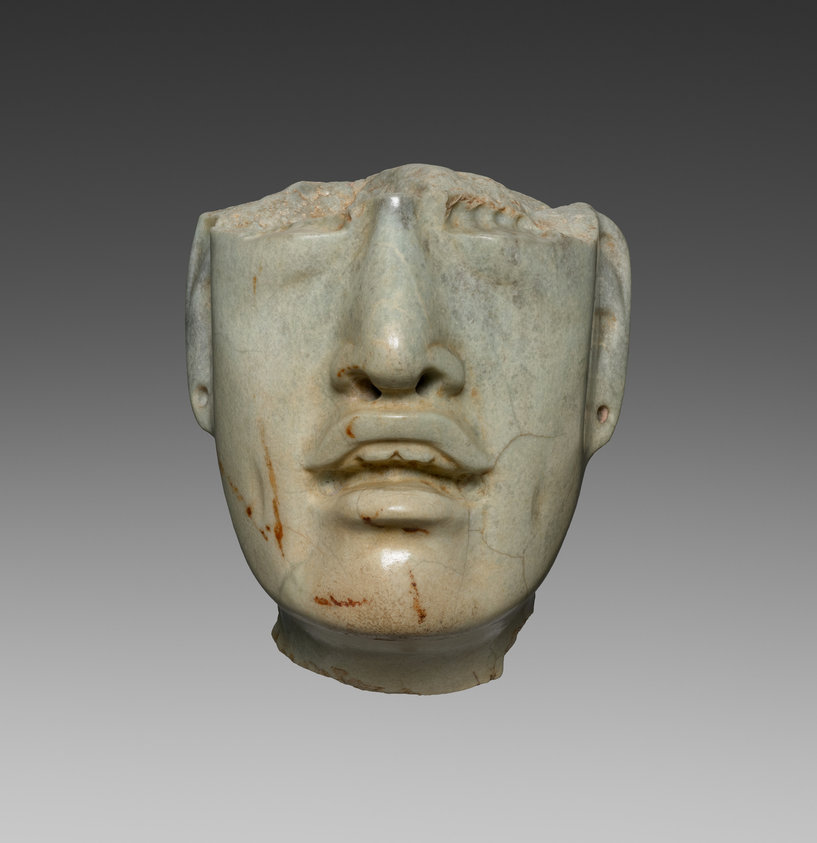
      Head Fragment
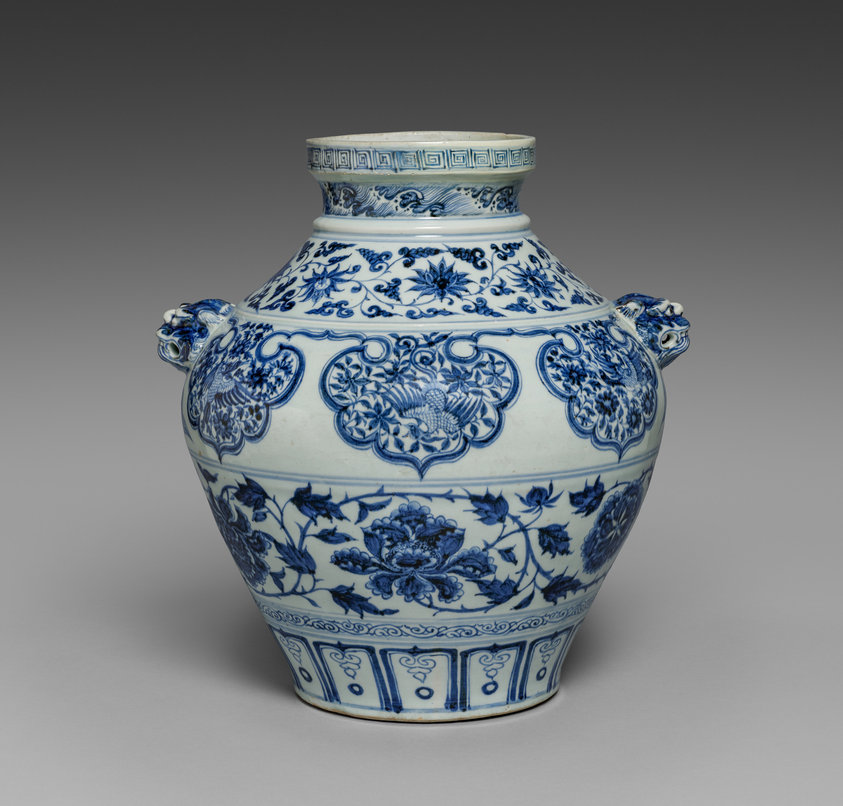
      Jar with Lion-Head Handles
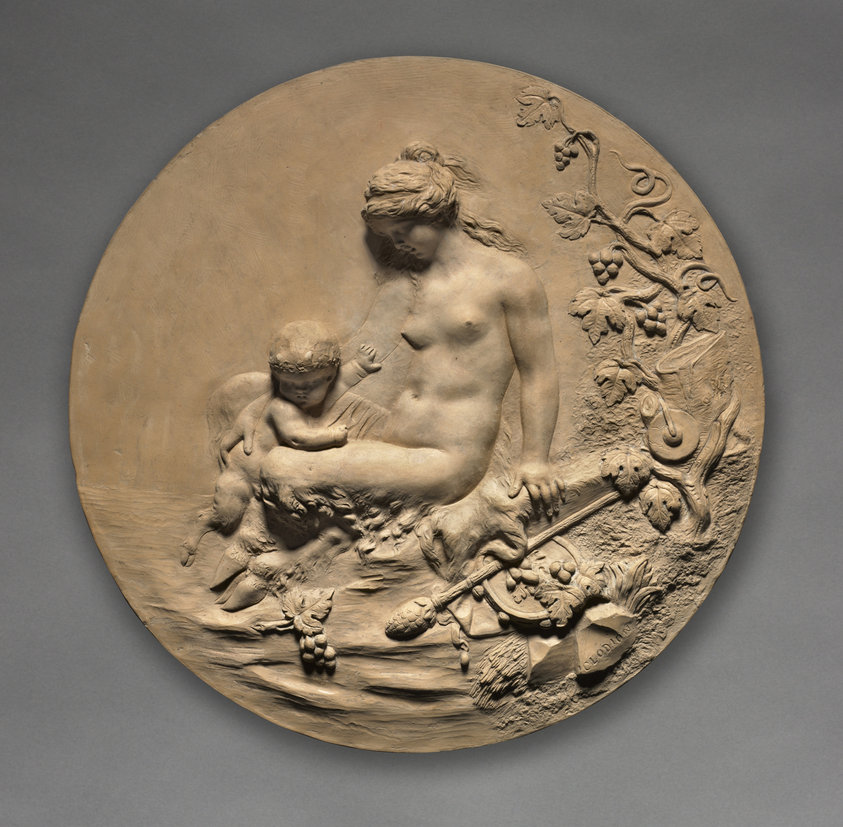
      Satyress and Child
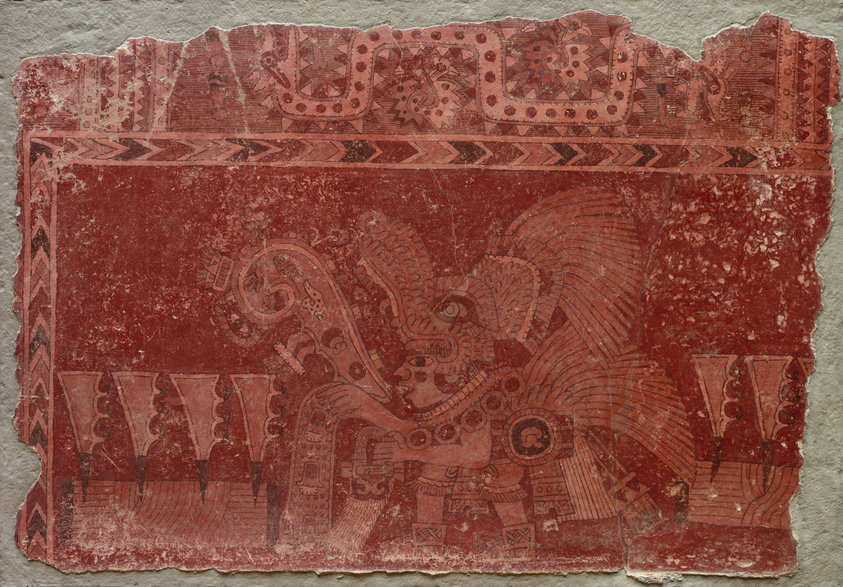
      Mural Fragment with Elite Male and Maguey Cactus Leaves
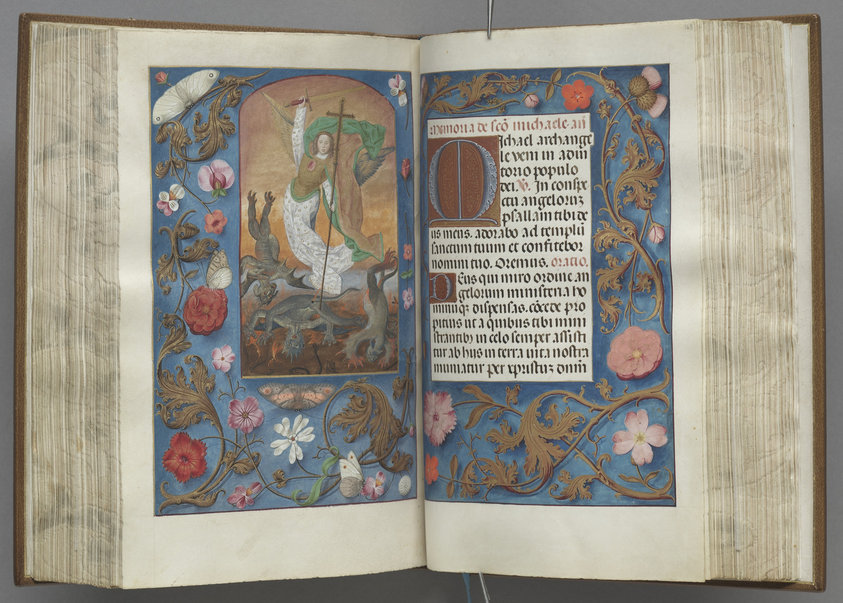
      Hours of Queen Isabella the Catholic, Queen of Spain
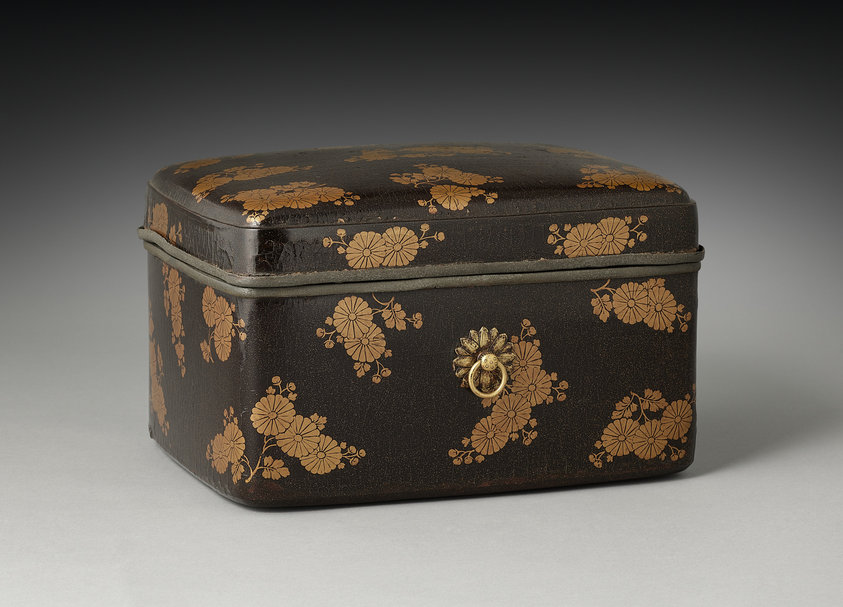
      Cosmetics Box with Chrysanthemums
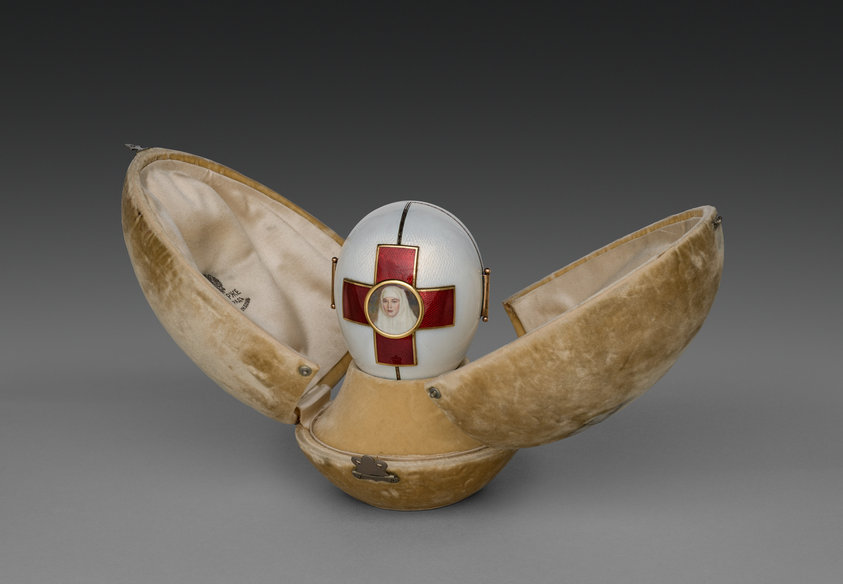
      Imperial Red Cross Easter Egg
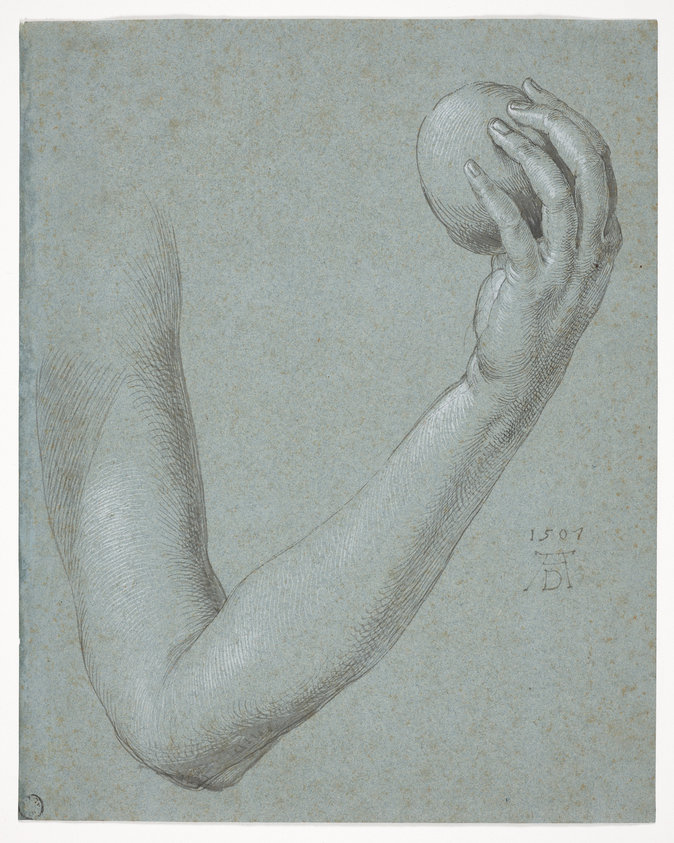
      Arm of Eve
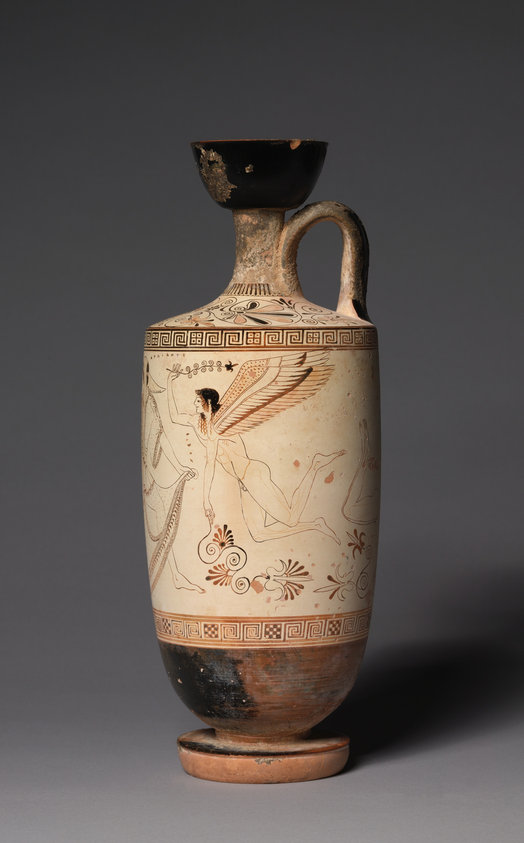
      White-Ground Lekythos (Oil Vessel): Atalanta and Erotes
      Selections from the New Collection of Japanese Poems from Ancient and Modern Times (Shinkokin wakashū) with Printed Designs of Chinese Lions and Crab Finger Grass
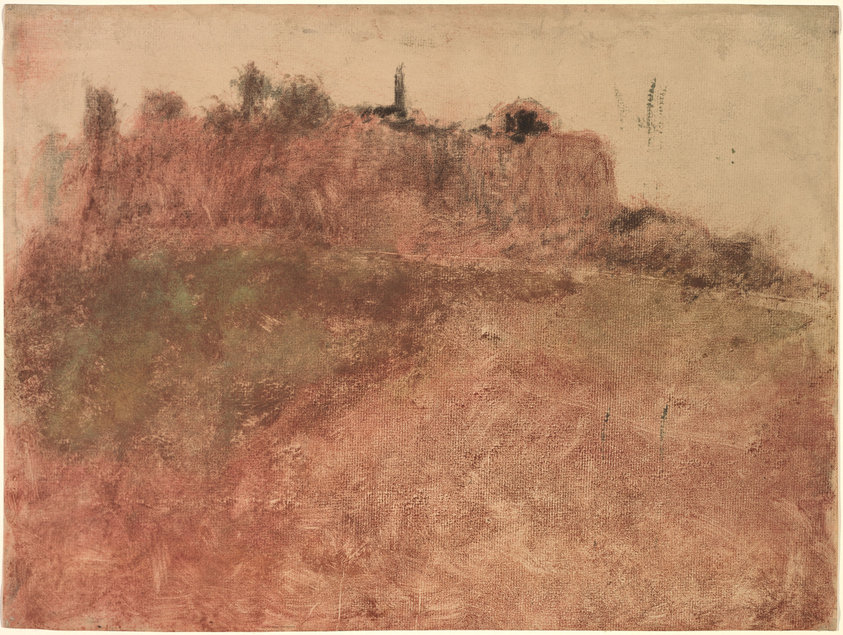
      Estérel Village
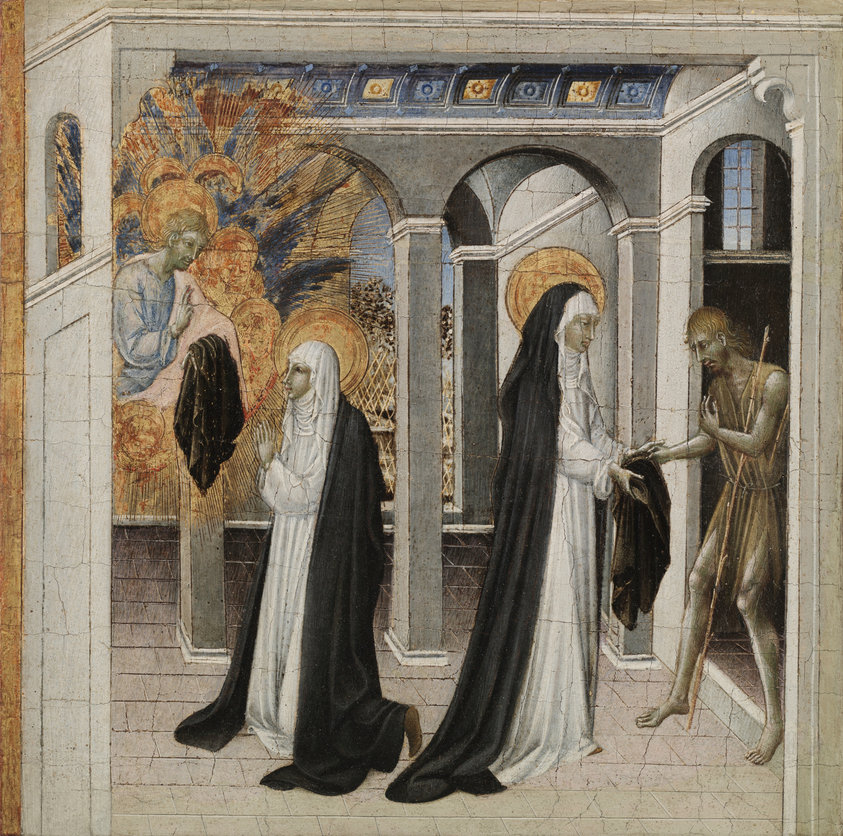
      St. Catherine of Siena and the Beggar
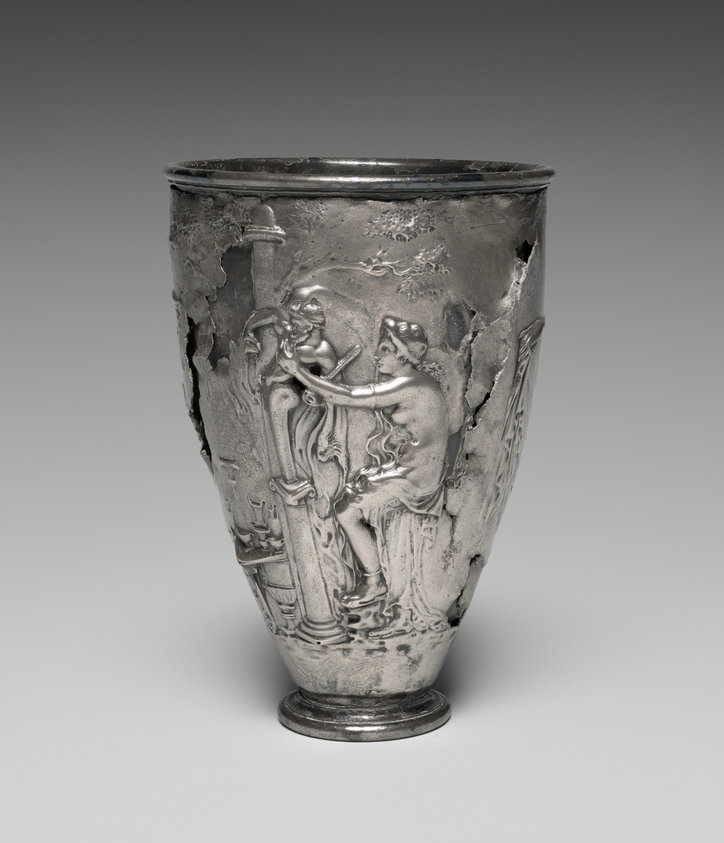
      The Vicarello Goblet
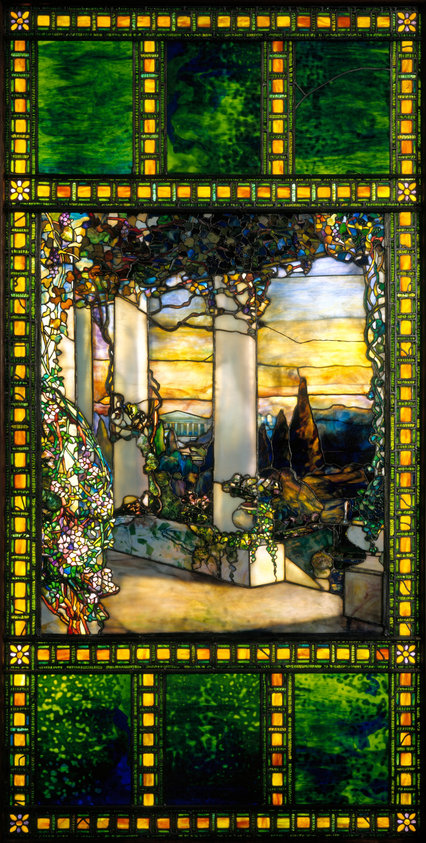
      Hinds House Window
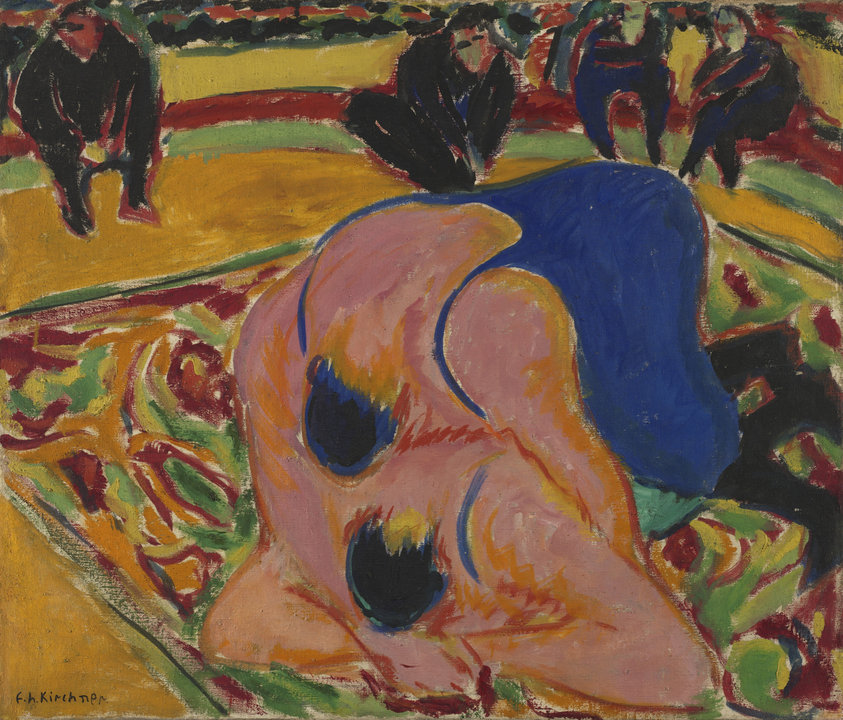
      Wrestlers in a Circus
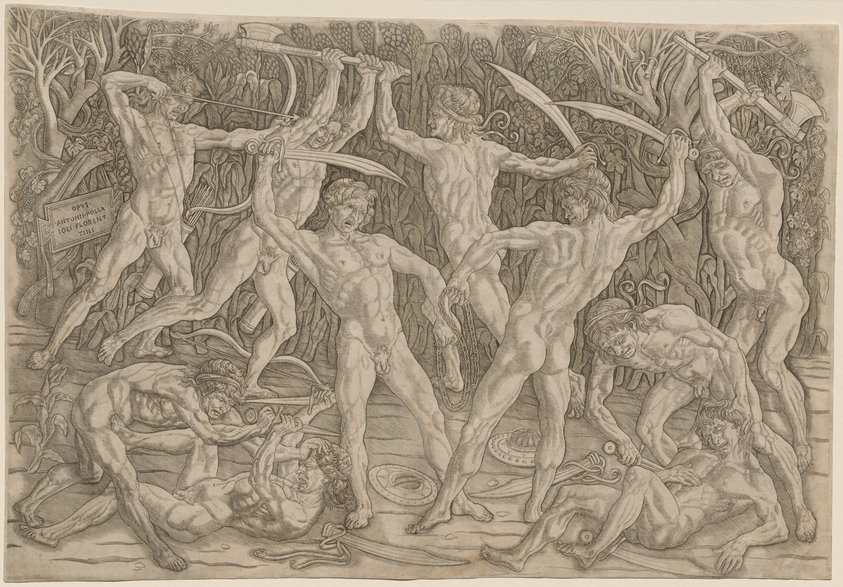
      Battle of the Nudes
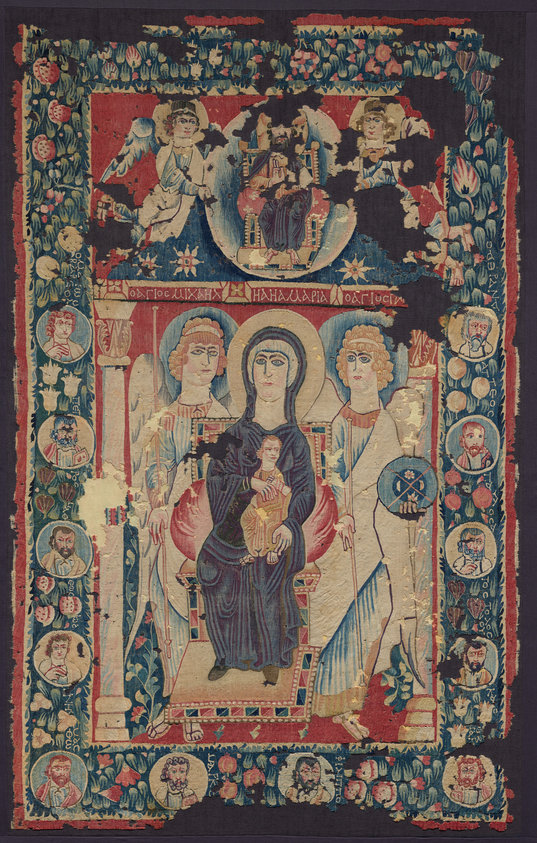
      Icon of the Virgin and Child
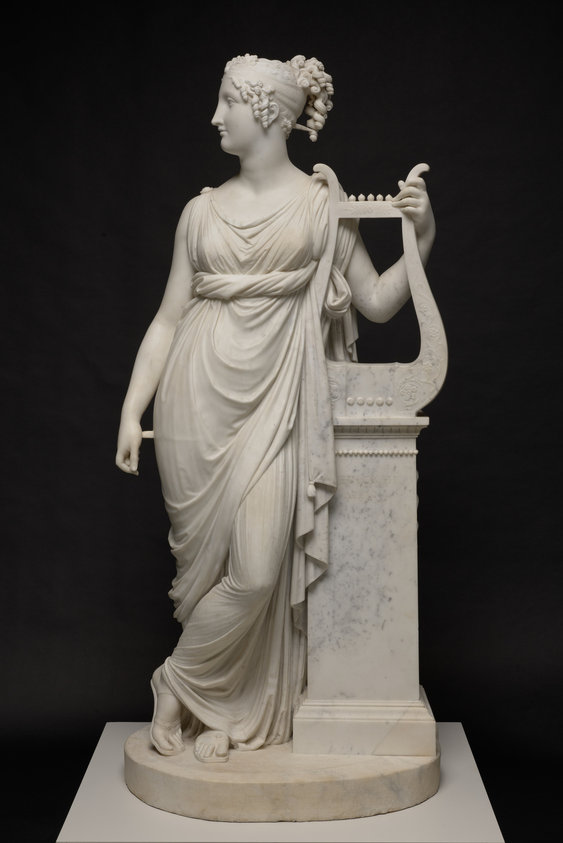
      Terpsichore Lyran (Muse of Lyric Poetry)
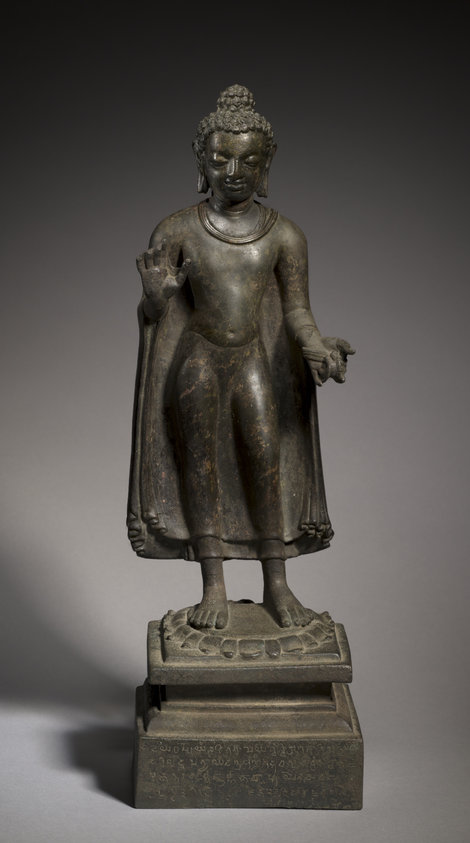
      Standing Buddha
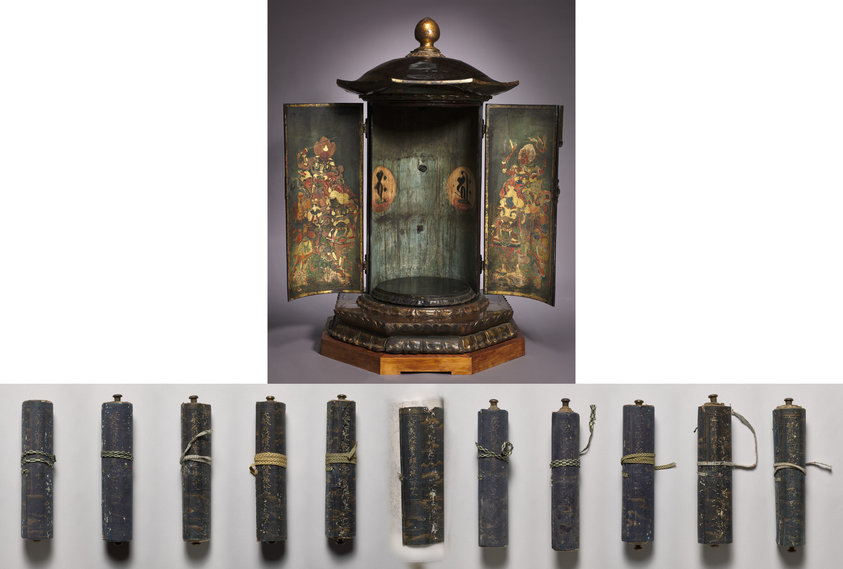
      Repository for the Great Perfection of Wisdom Sutra and Eleven Volumes of the Great Perfection of Wisdom Sutra
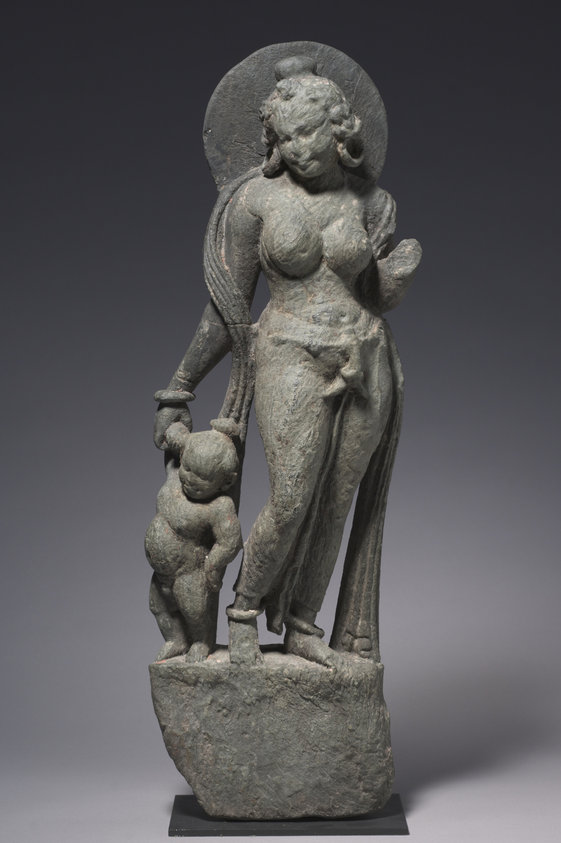
      Mother Goddess
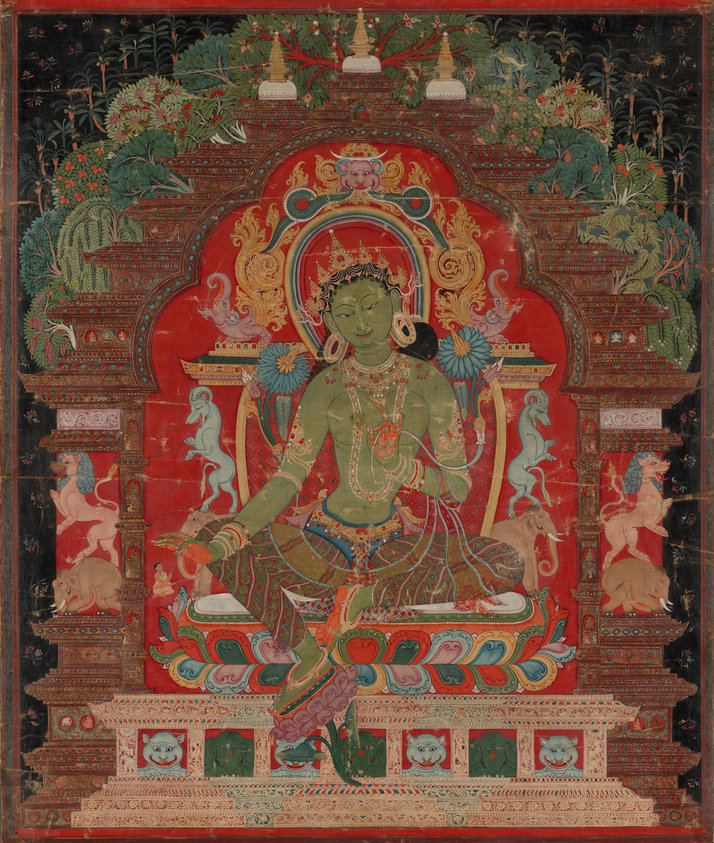
      Green Tara
      Danaë
      Funerary Portrait of a Young Girl
      Vase with Golden Pheasants
      Buddha
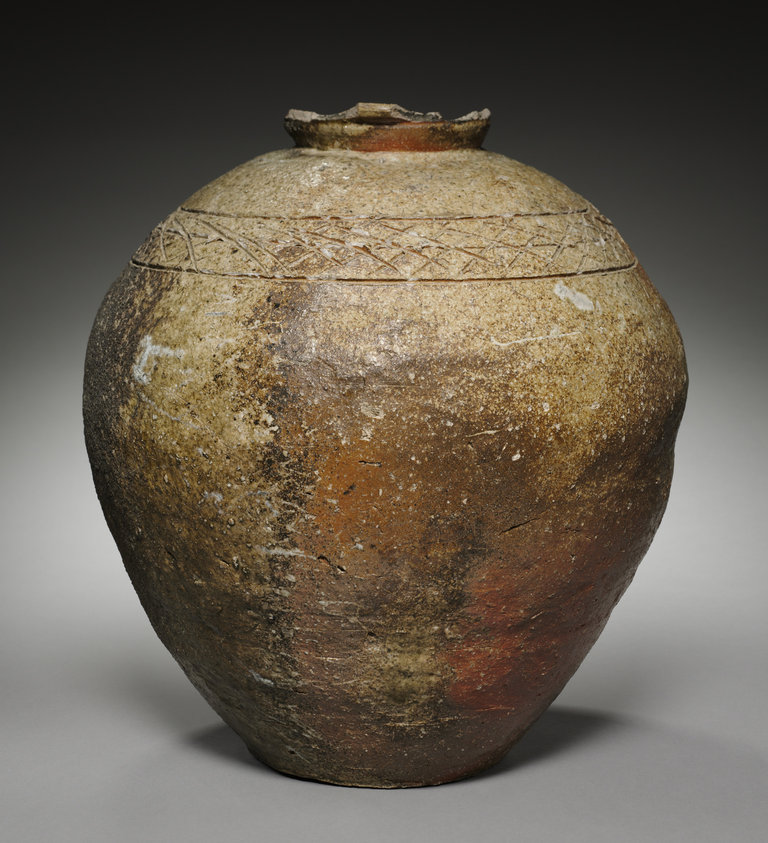
      Storage Jar
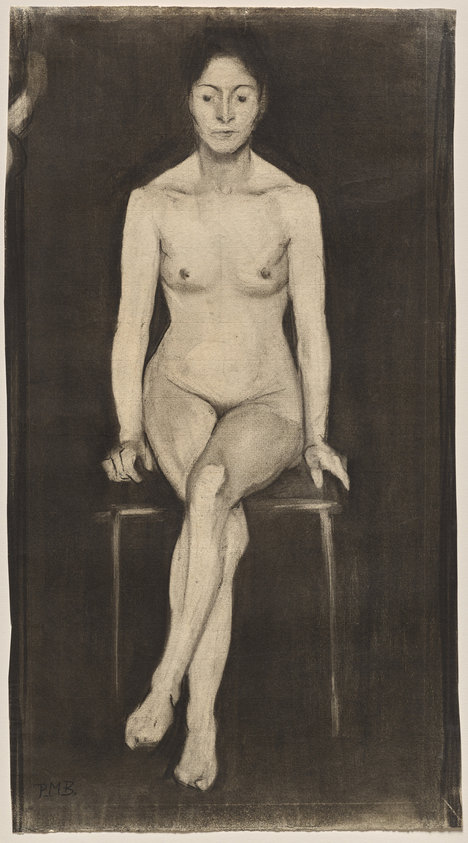
      Seated Female Nude (Self-Portrait?)
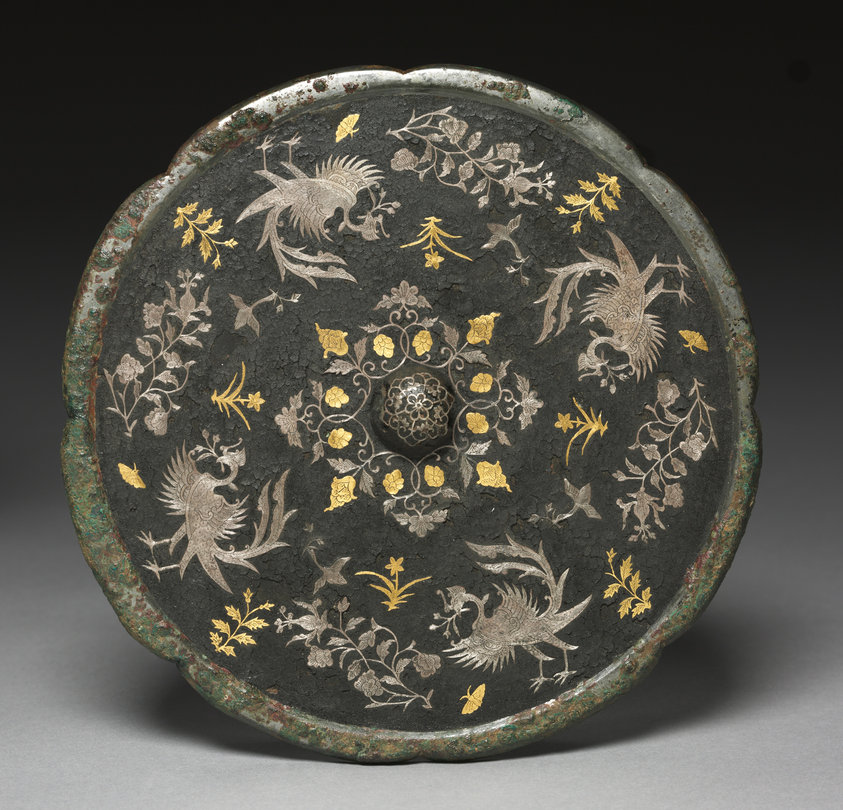
      Mirror with Phoenixes, Birds, Butterflies, and Floral Sprays
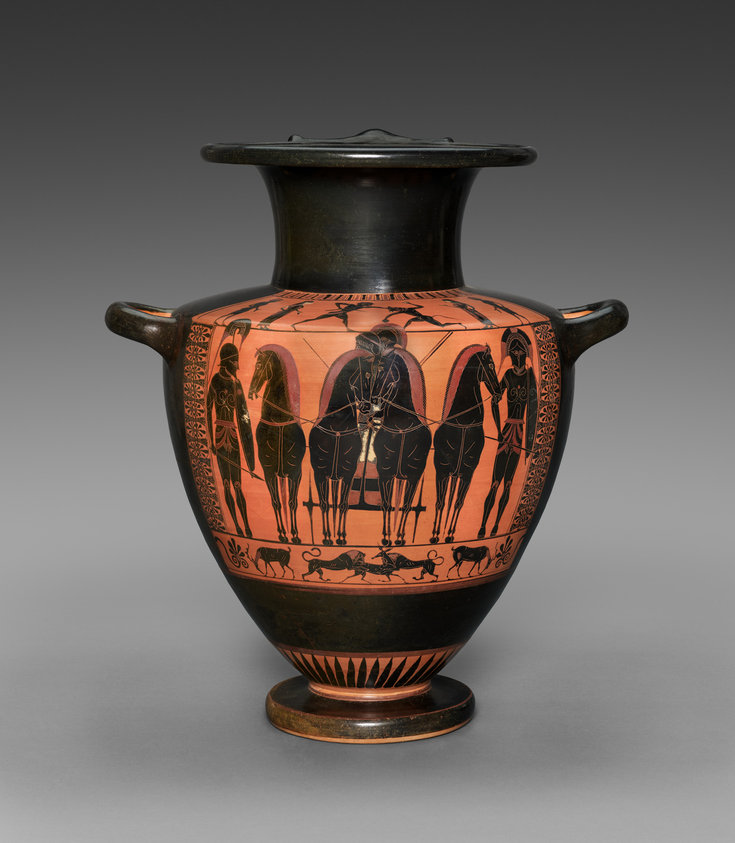
      Black-Figure Hydria (Water Vessel): Frontal Quadriga (Body); Theseus and Minotaur (Shoulder)
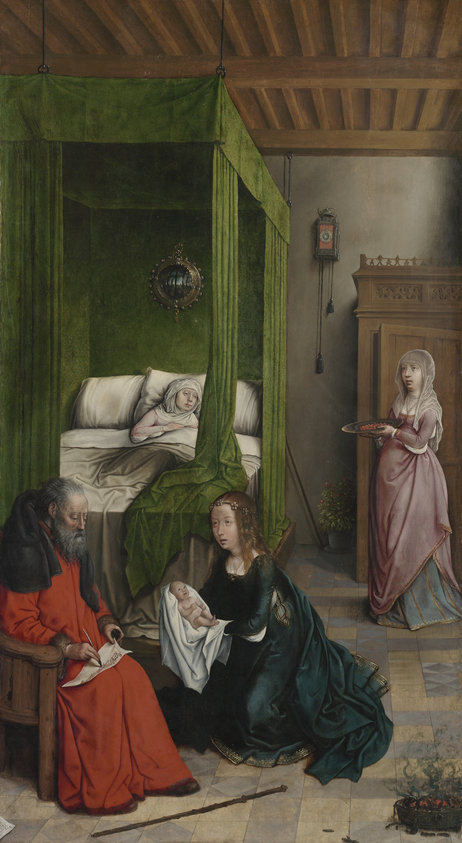
      The Birth and Naming of John the Baptist
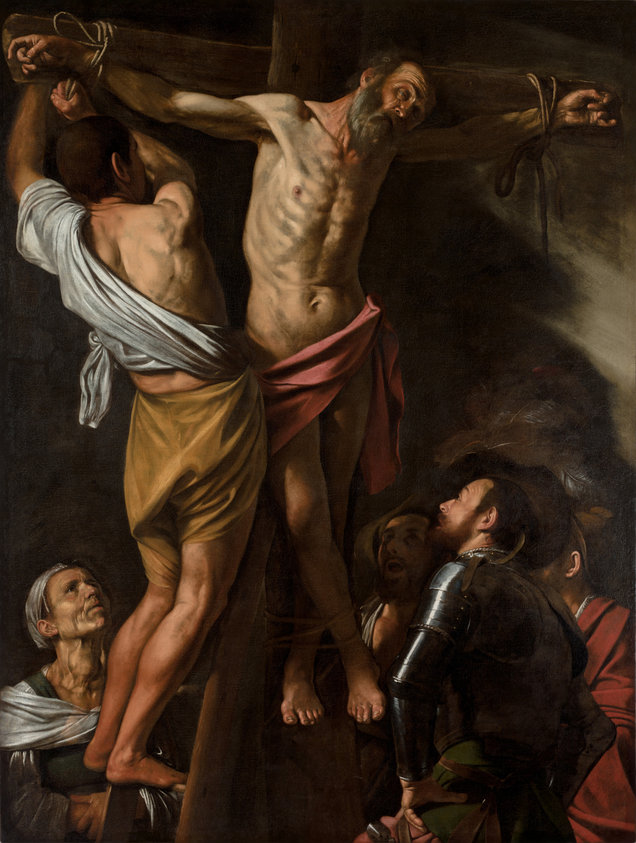
      The Crucifixion of Saint Andrew
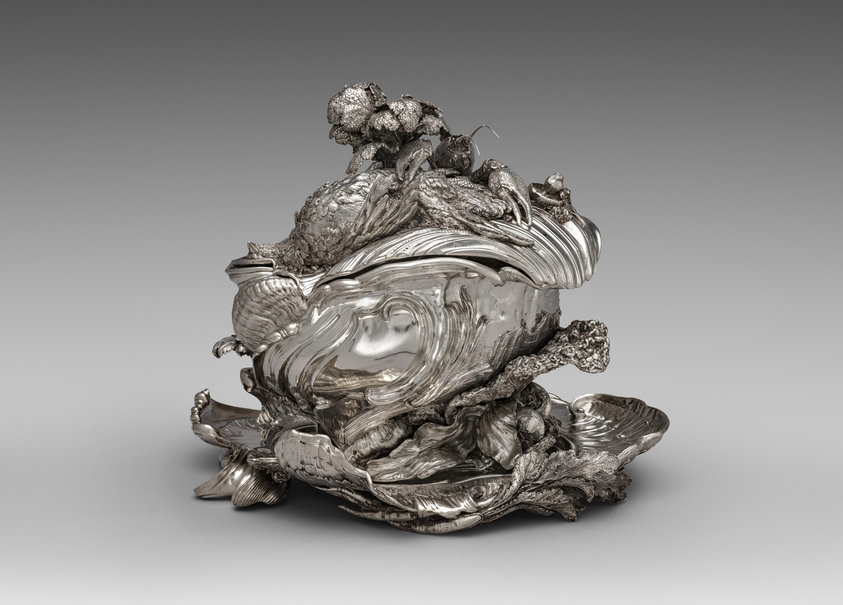
      Covered Tureen on Stand (Pot-à-oille)
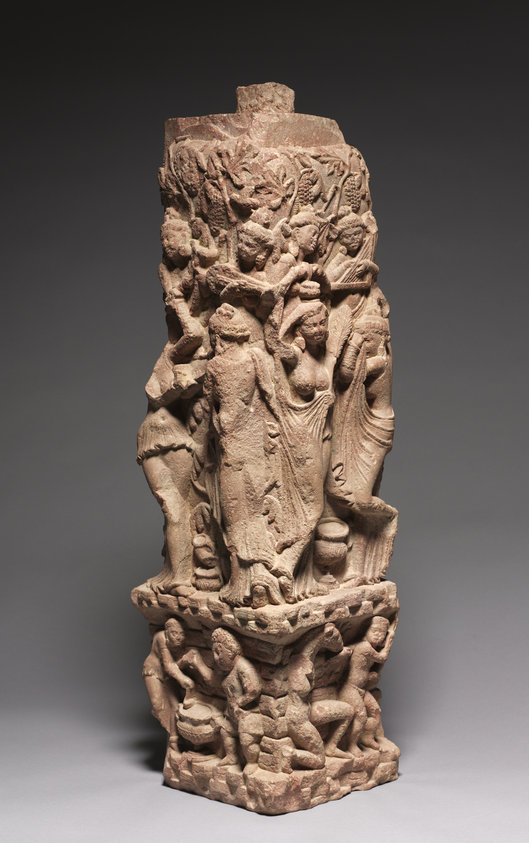
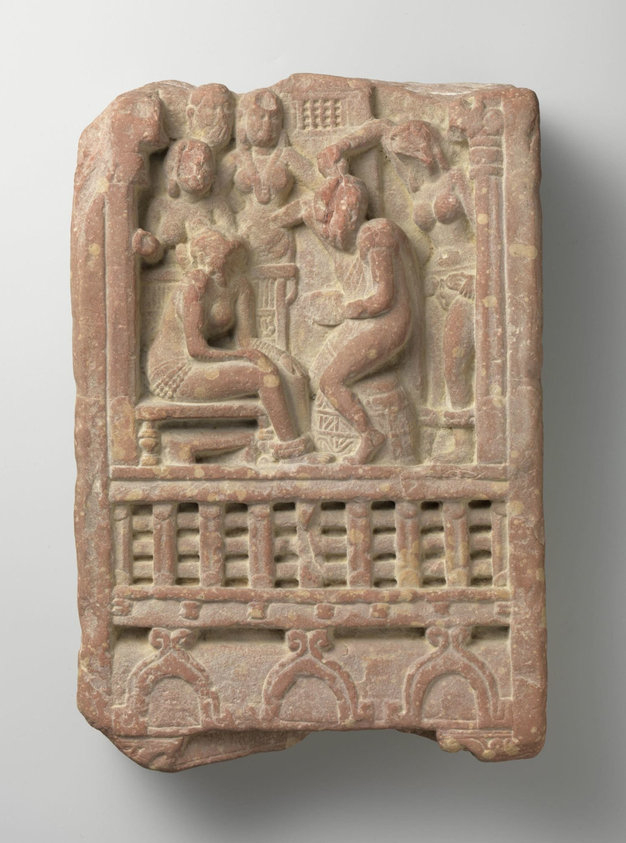
      Corner Railing Pillar with Drinking Scenes, Yakshis, and Musicians
      Raft Cup
      François Tronchin
      Hide Shirt
      Figure of a Warrior
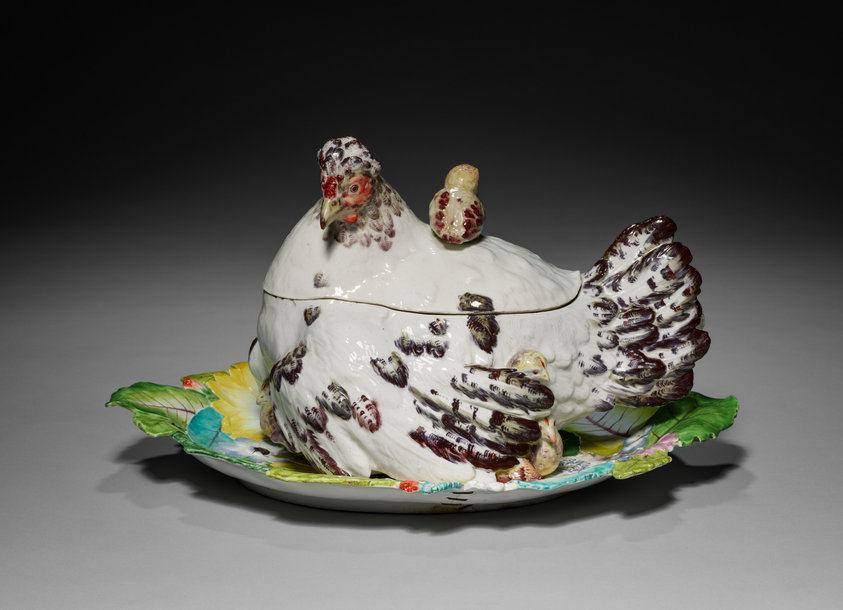
      Hen and Chicks Covered Tureen on Stand
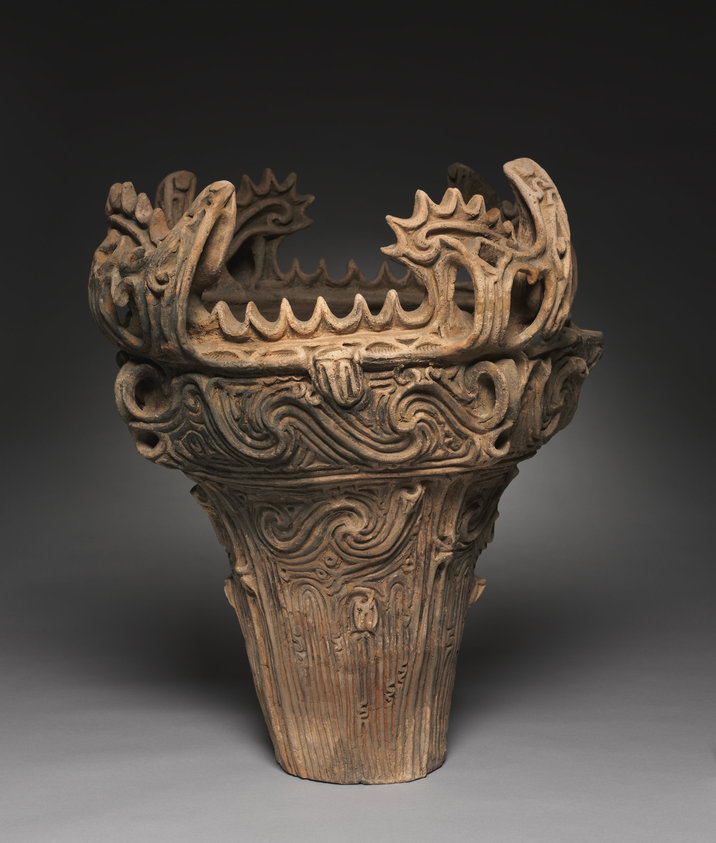
      Fire-flame Cooking Vessel (Ka'en Doki)
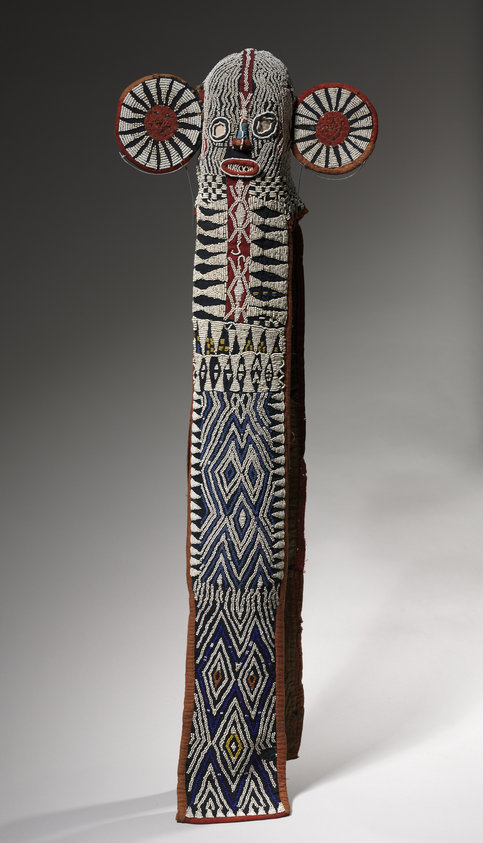
      Mask (mbap mteng): Elephant (aka)
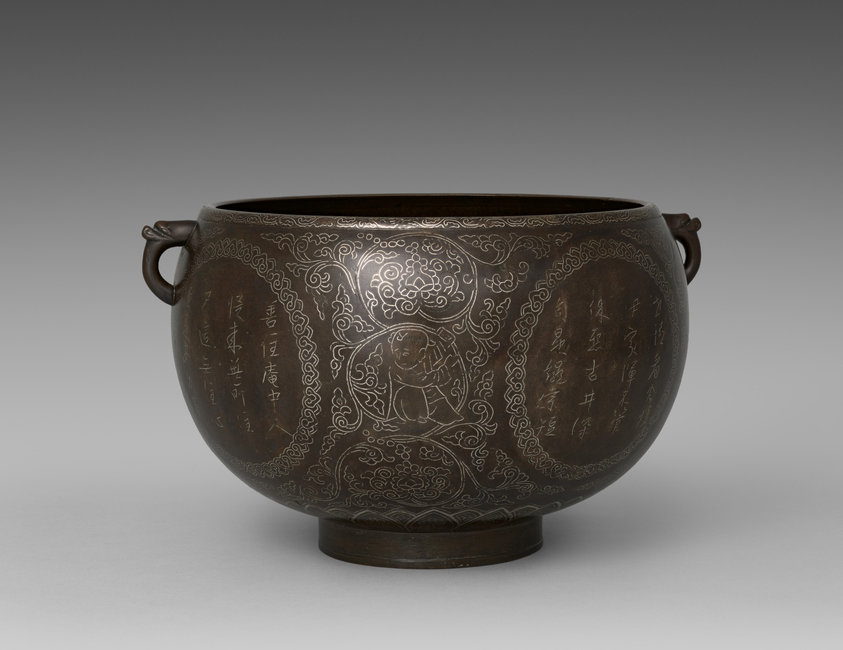
      Basin with Inscribed Figures and Calligraphy
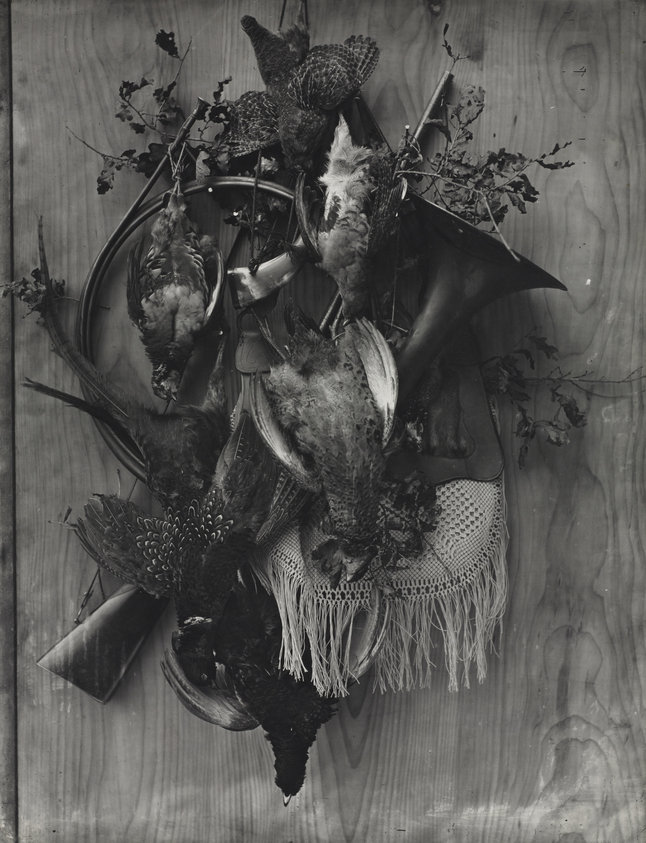
      Trophy of the Hunt
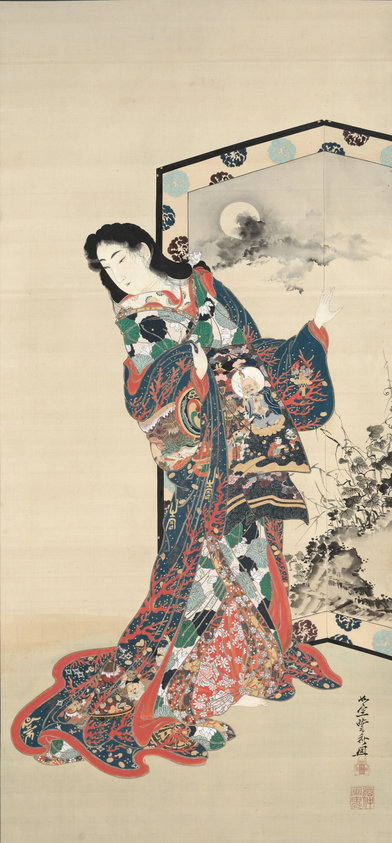
      Hell Courtesan
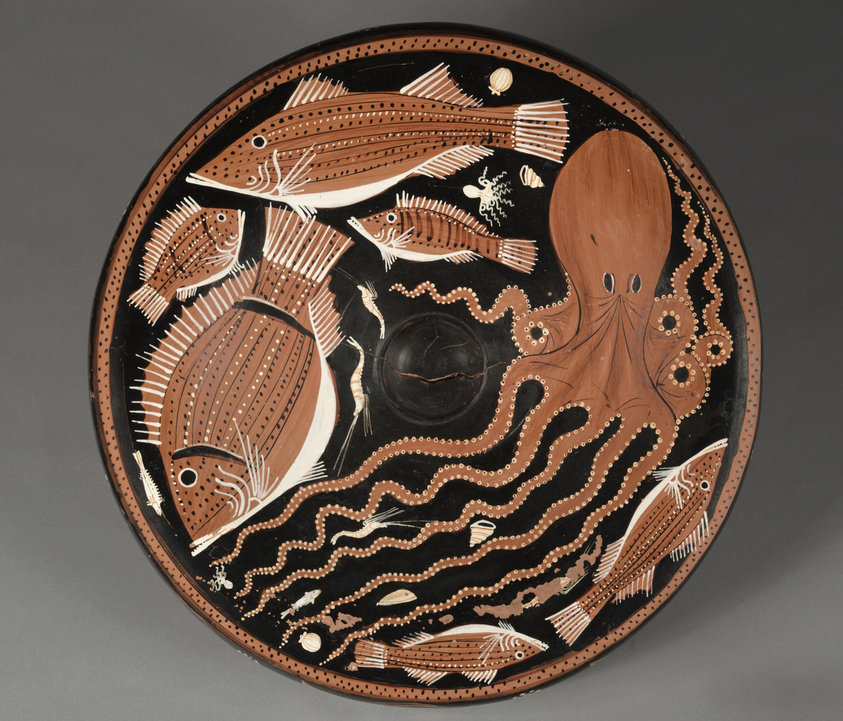
      Red-Figure Fish Plate: Octopi, Mullet, Bream, Shellfish
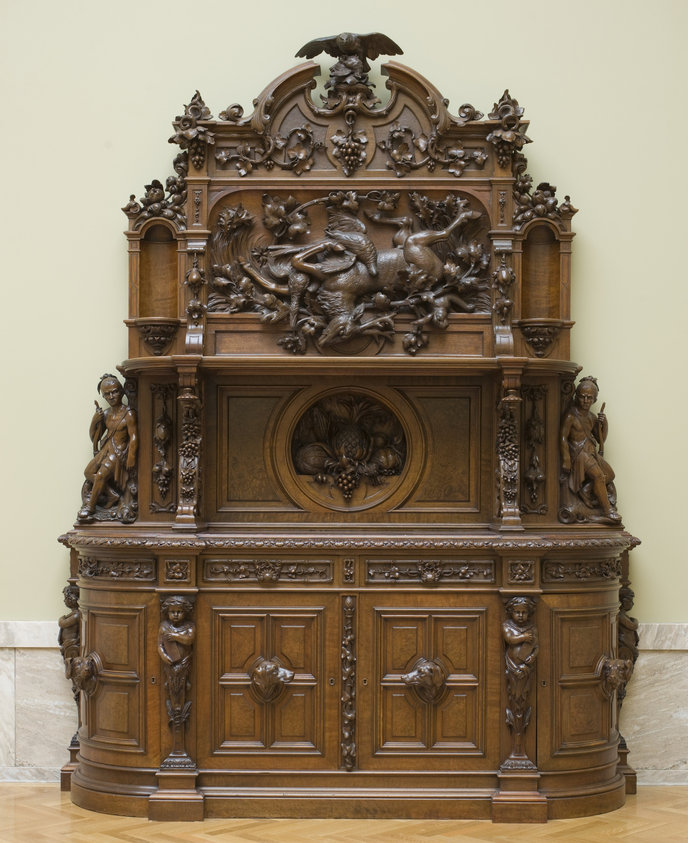
      Sideboard
      Jar with Dragon and Clouds Design
      Buddhist Priest's Ceremonial Robe
      Rustam's seventh course: He kills the White Div, folio 124 from a Shah-nama (Book of Kings) of Firdausi (Persian, about 934–1020)
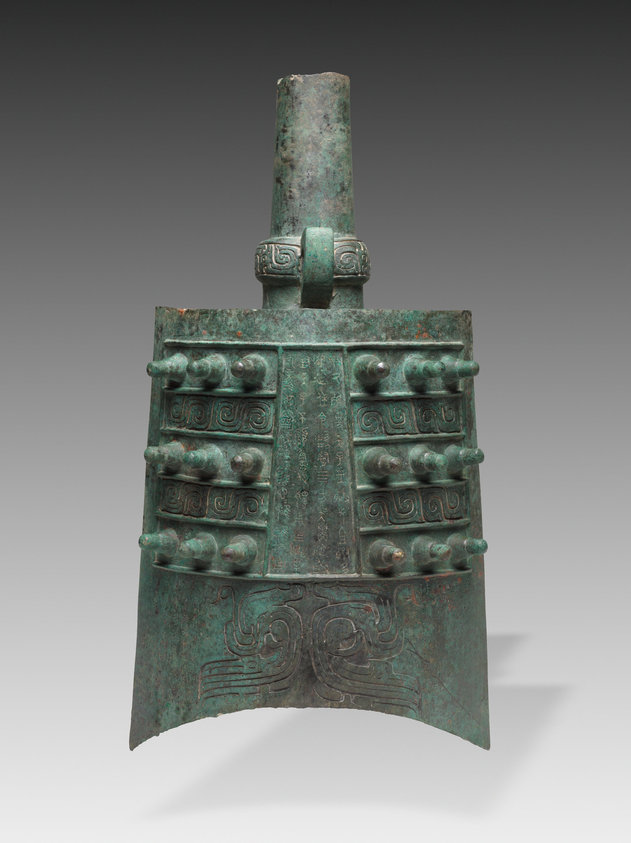
      Bell (Lai Zhong)
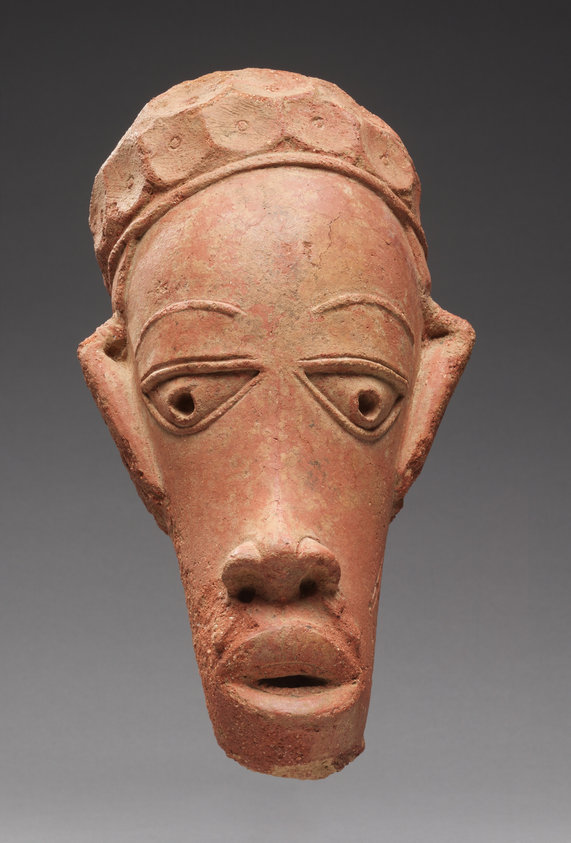
      Memorial head (nsodie)
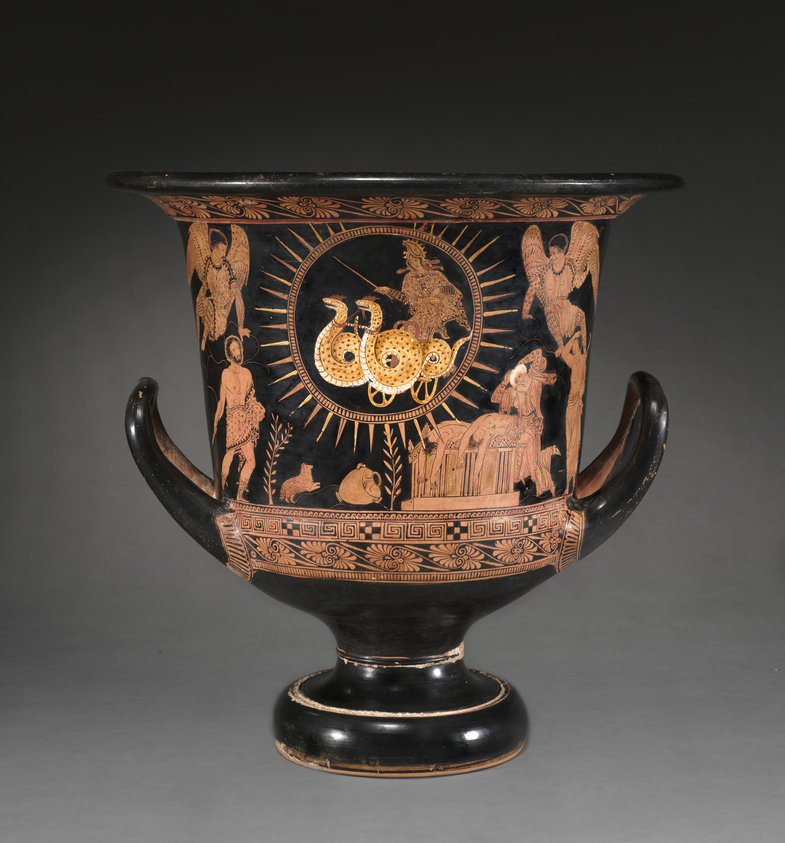
      Red-Figure Calyx-Krater (Mixing Vessel): Medea in Chariot (A); Telephos with Baby Orestes (B)
      Tea Table
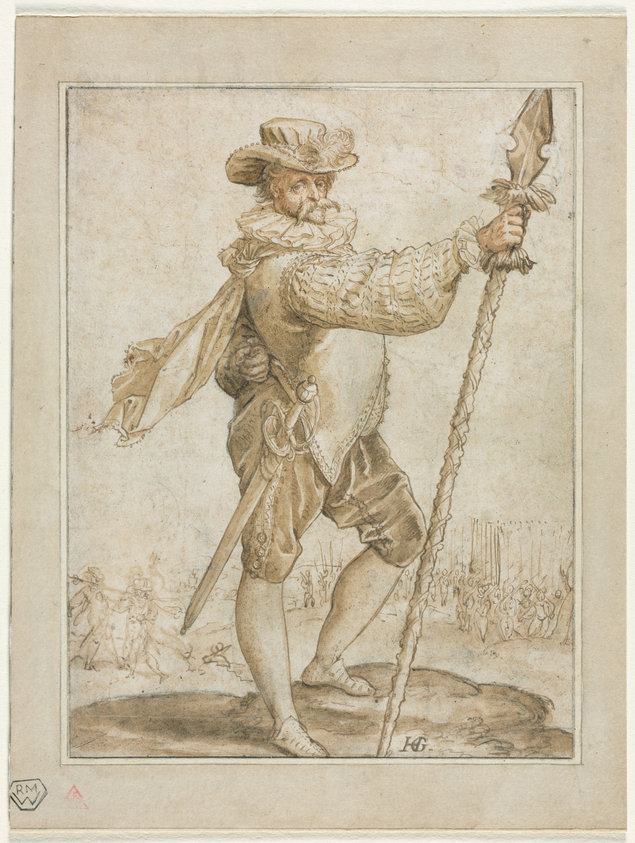
      Standing Officer Holding a Boar's Spear
      Avatamsaka Sutra No. 78
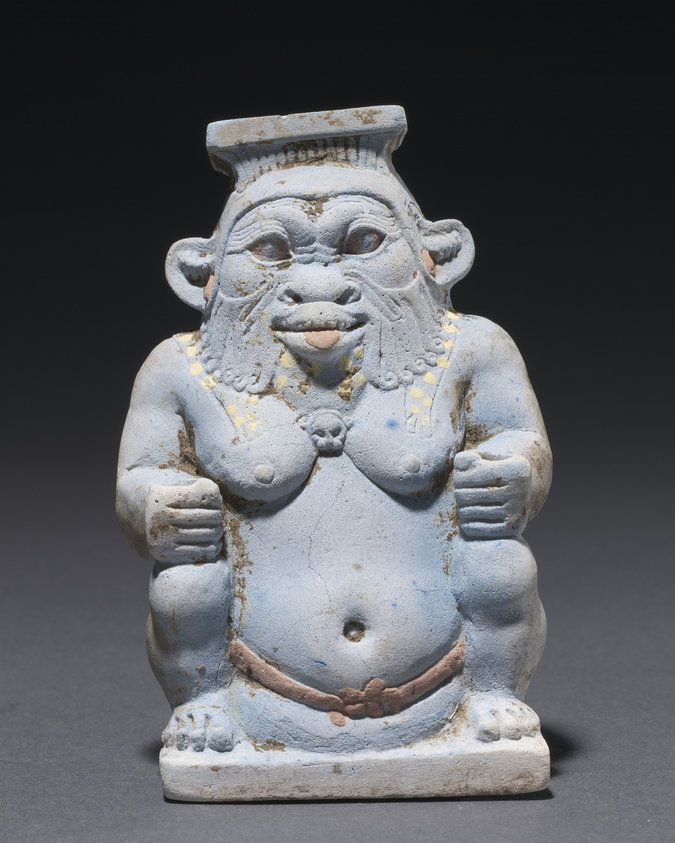
      Cosmetic Jar in the Form of the God Bes
      Head
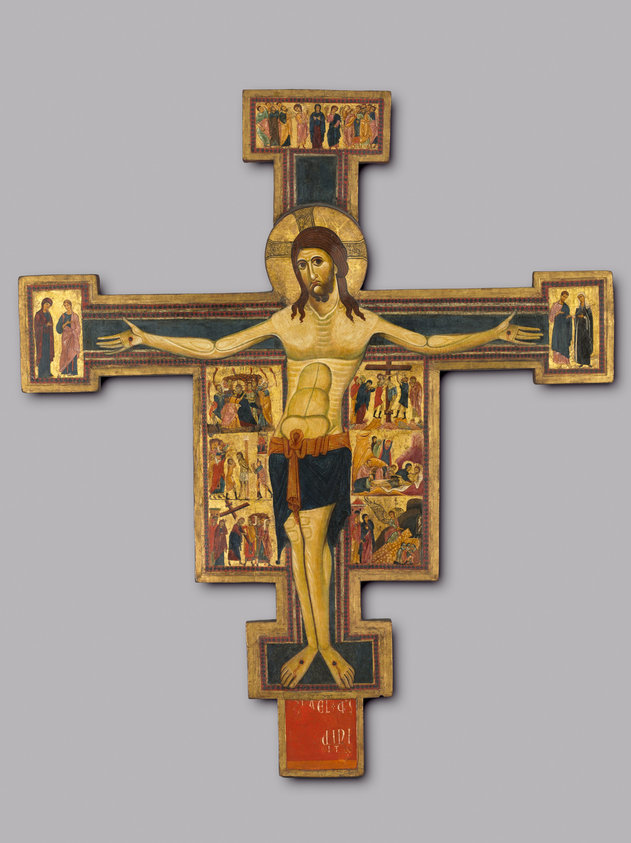
      Crucifix with Scenes of the Passion
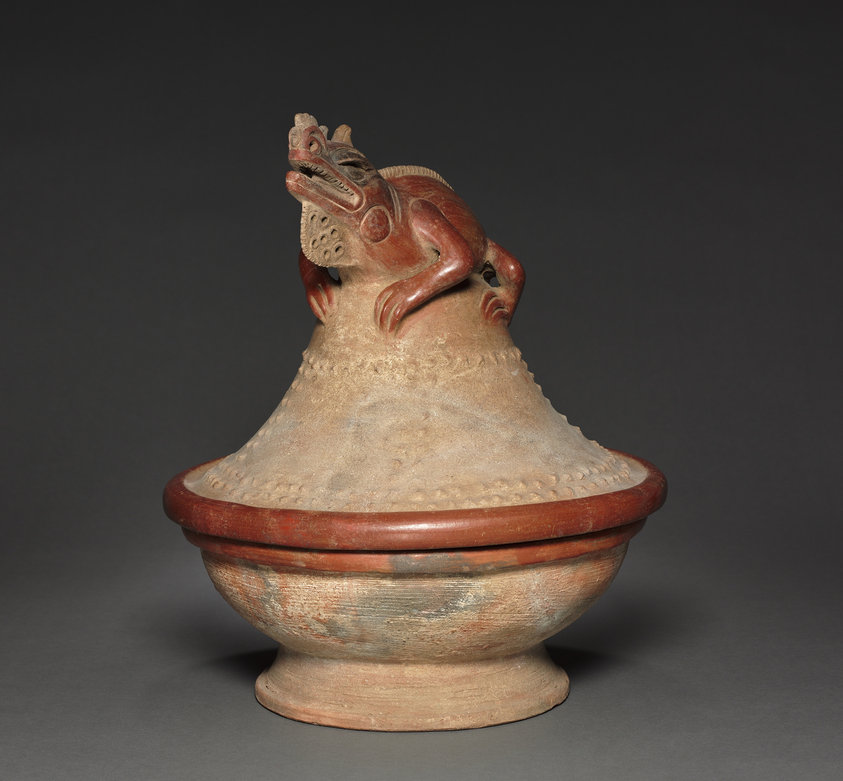
      Lidded Bowl with Iguana
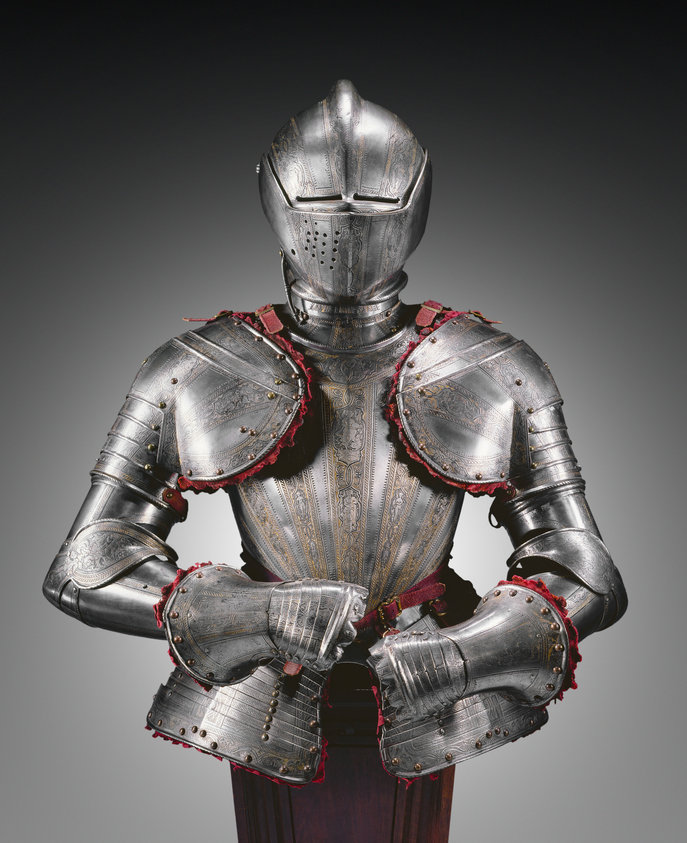
      Half Armor for the Foot Tournament
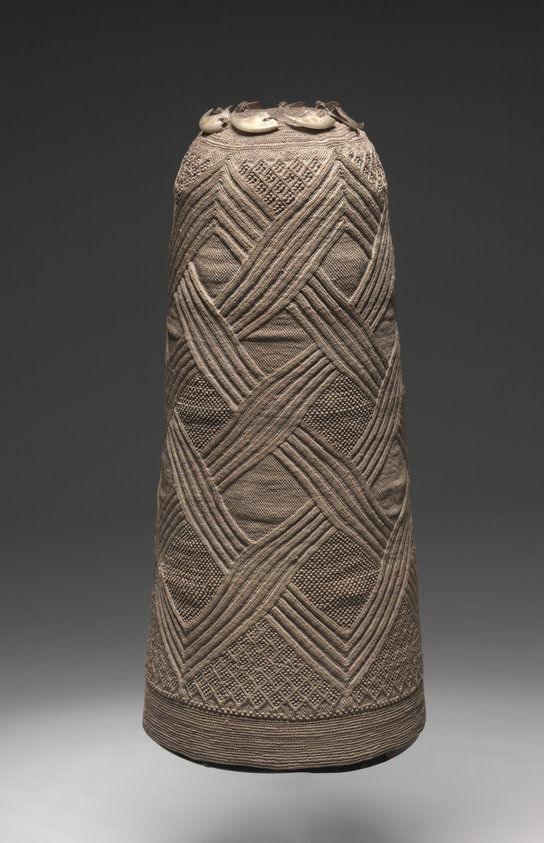
      Prestige Cap (mpu ngola)
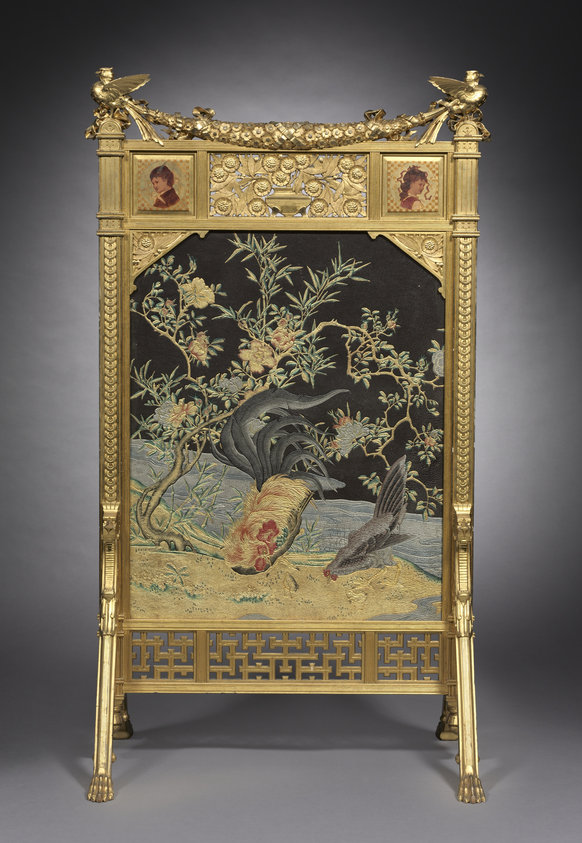
      Fire Screen
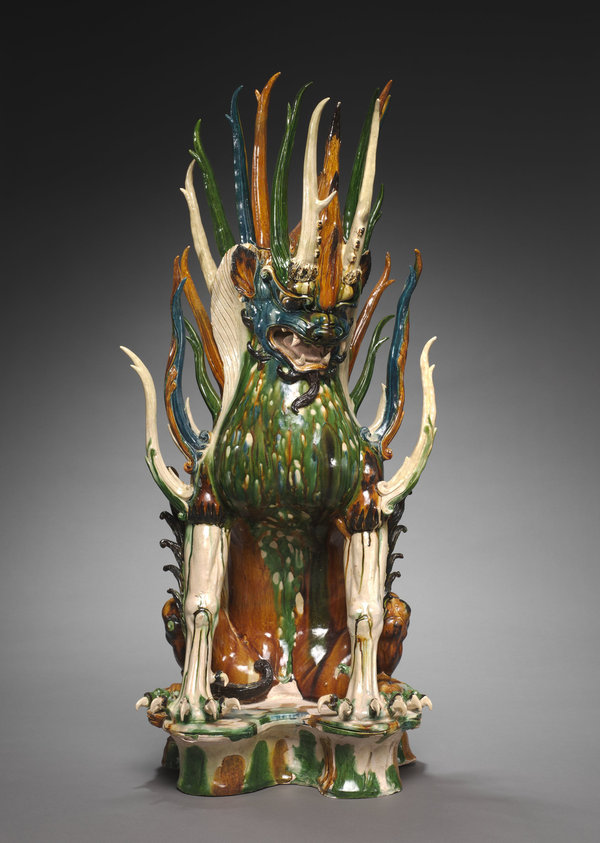
      Tomb Guardian with Animal Head
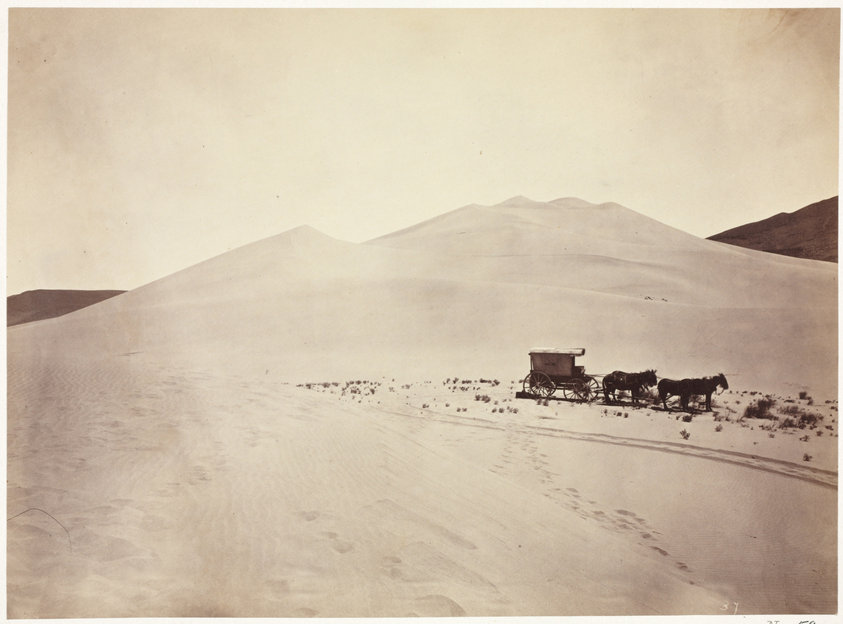
      Sand Dunes, Carson Desert, Nevada
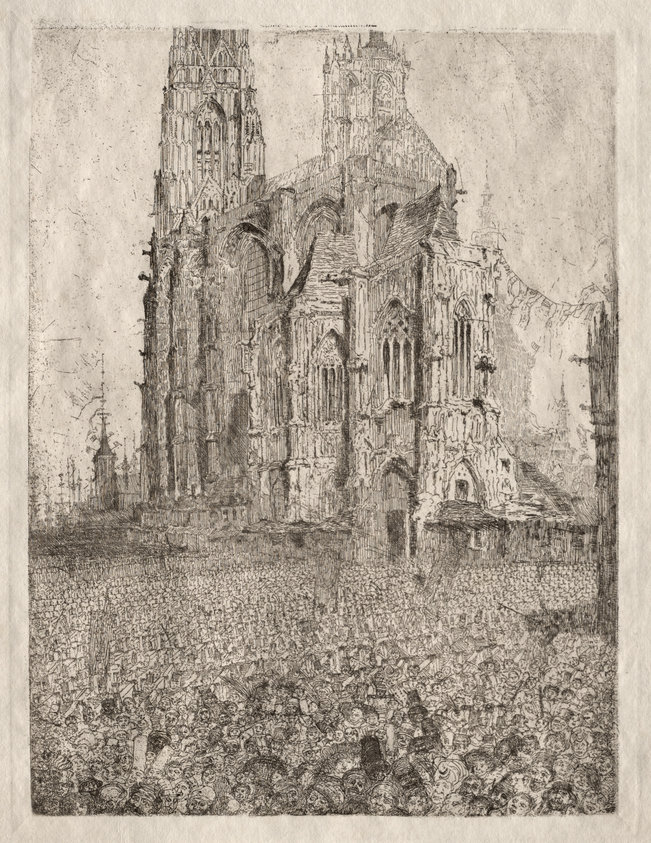
      The Cathedral
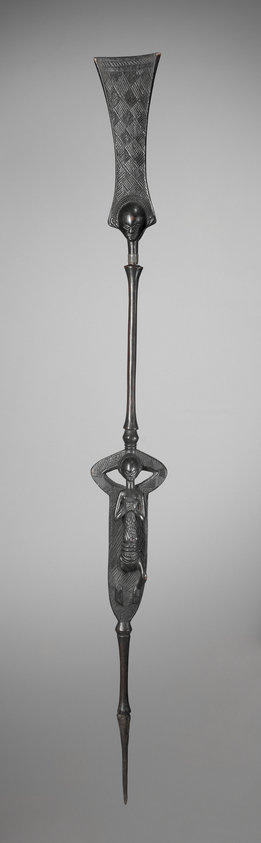
      Staff of Office
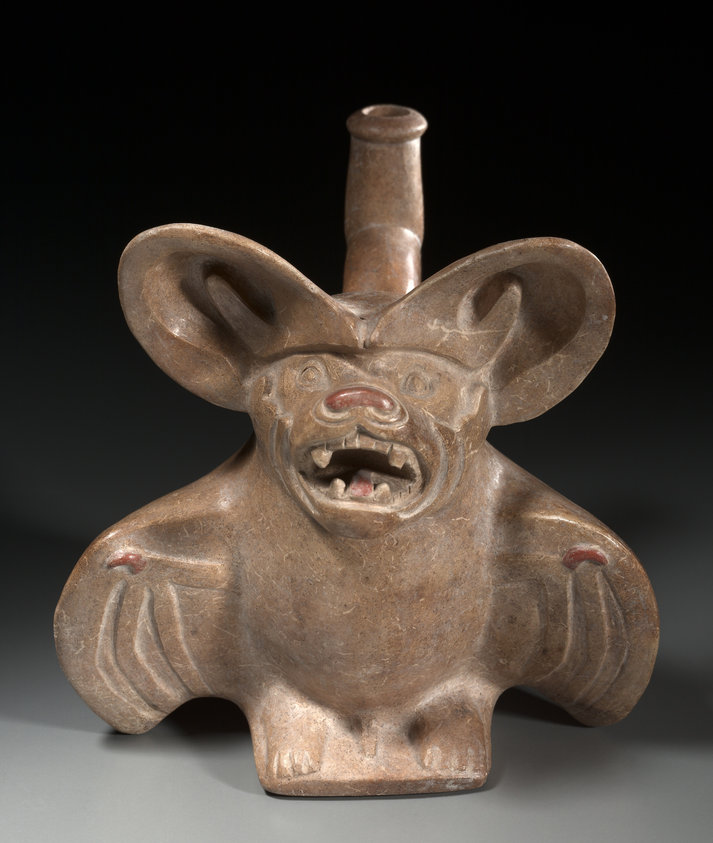
      Big-Eared Brown Bat Vessel
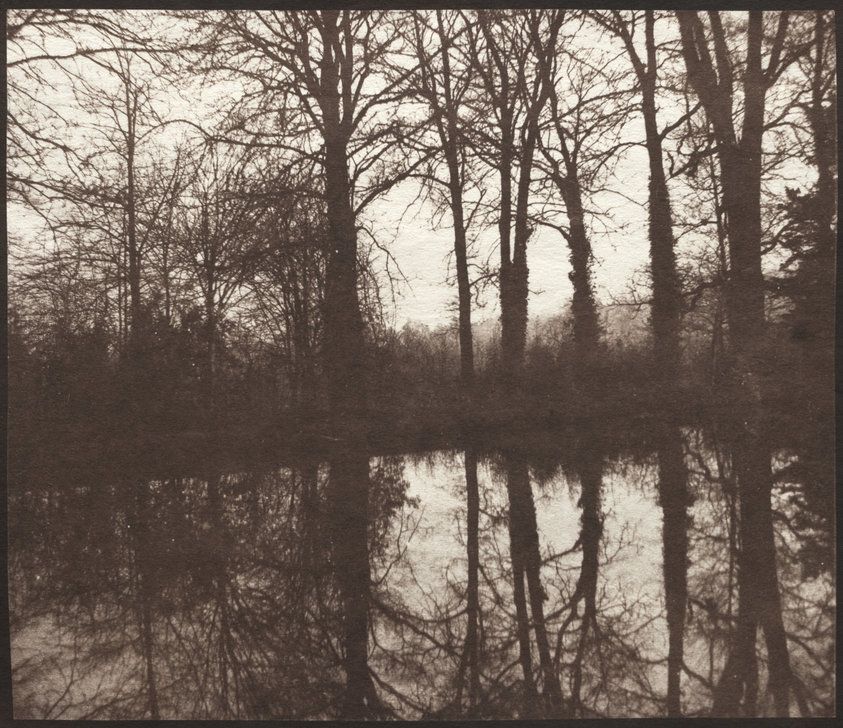
      Winter Trees Reflected in a Pond
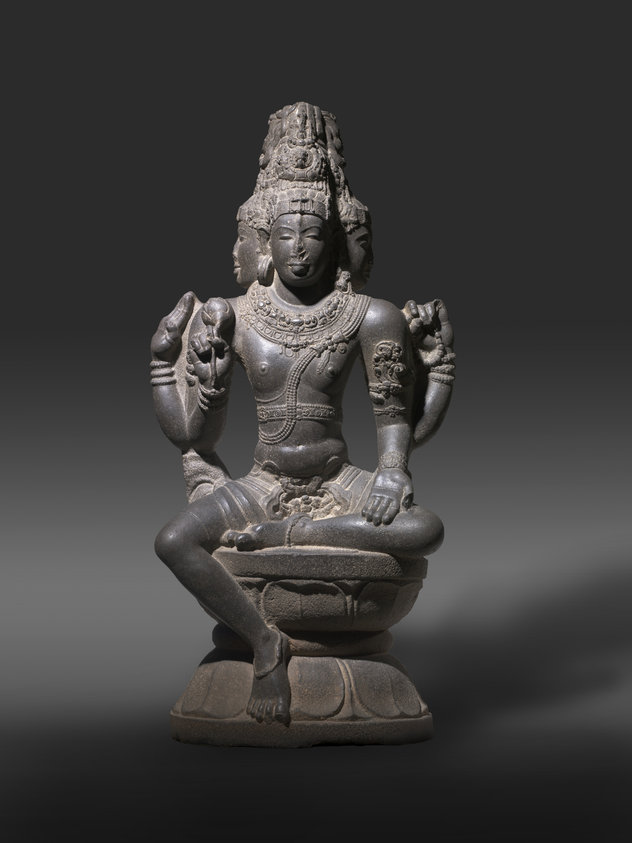
      Brahma-Shiva
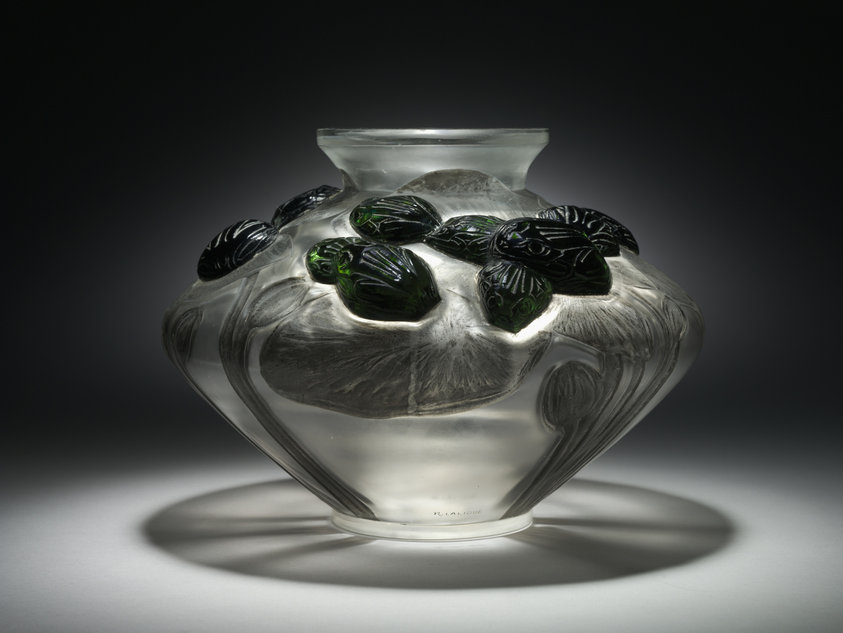
      Frogs and Lily Pads (Grenouilles et Nénuphars) Vase
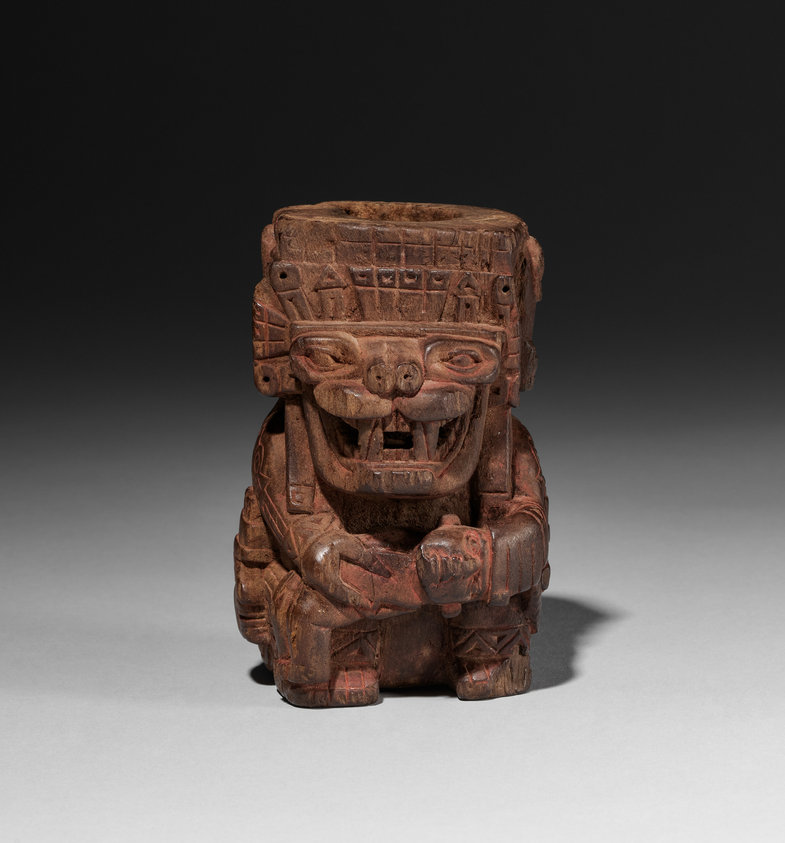
      Sacrificer Container
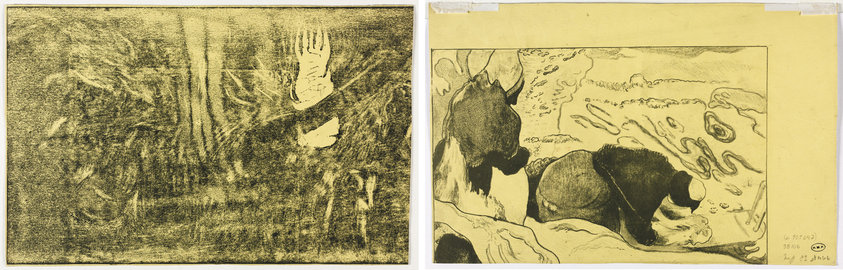
      The Devil Speaks (Mahna No Varua Ino) (recto); Women Washing Clothes (verso)
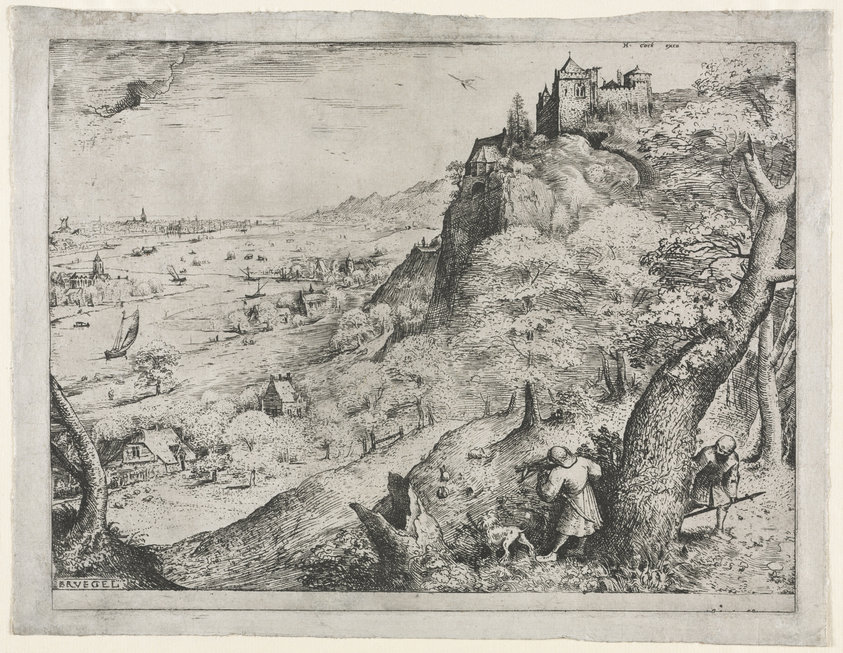
      The Rabbit Hunt
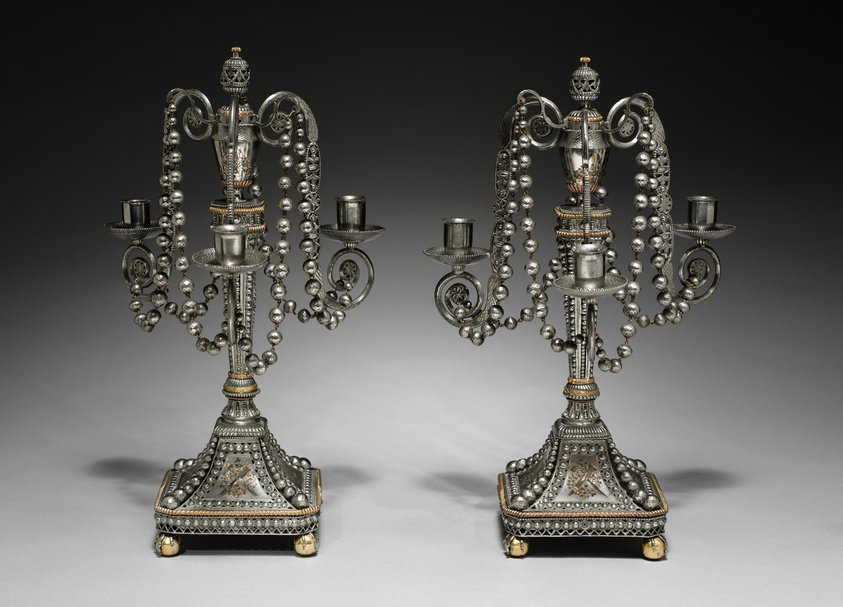
      Pair of Candelabra
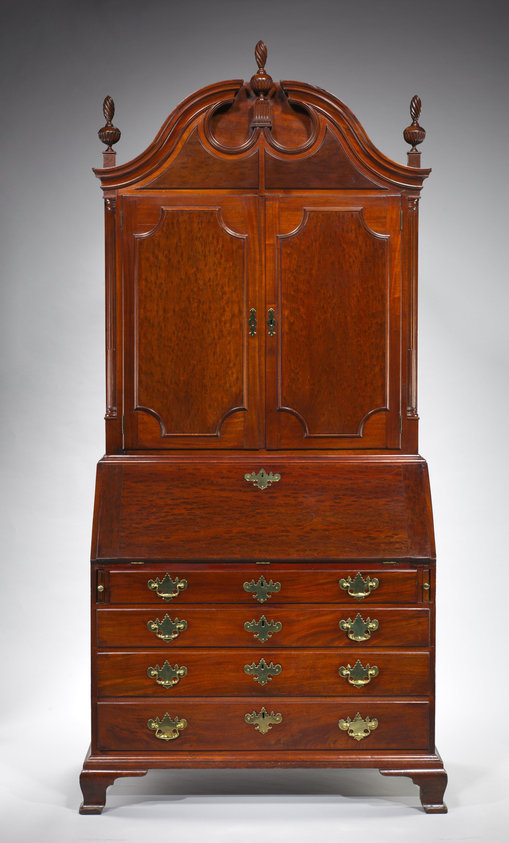
      Desk and Bookcase
      Figural Pendant
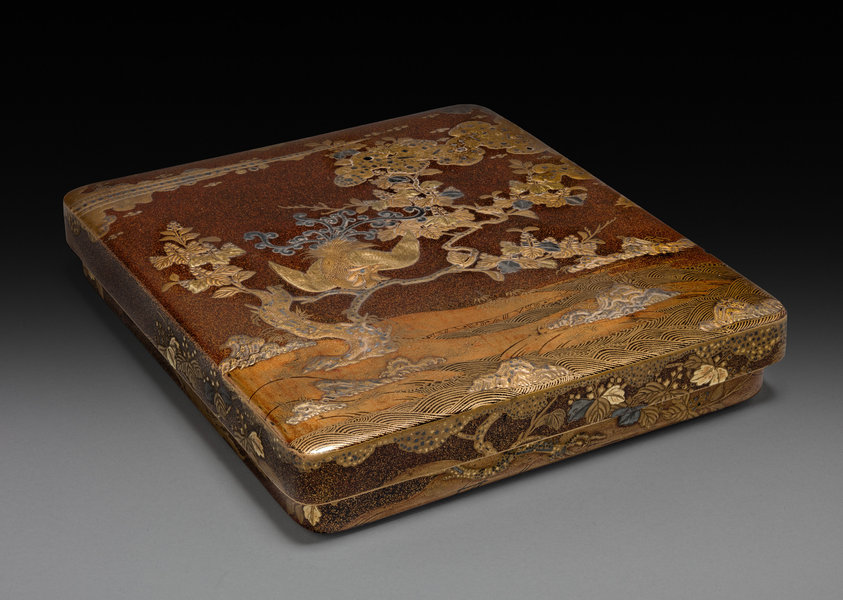
      Writing Box (Suzuribako) with Phoenix in Paulownia
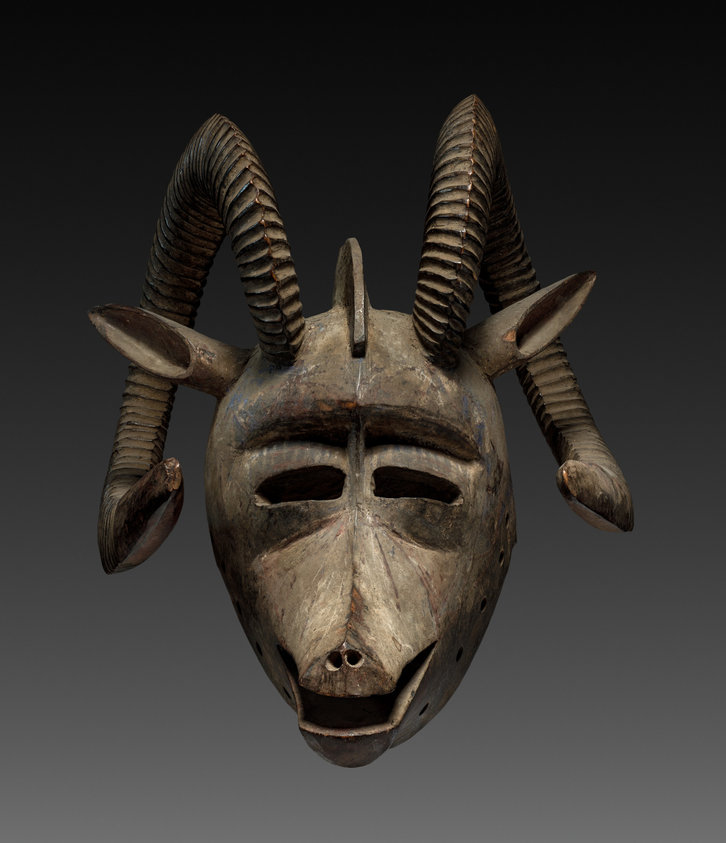
      Ram Mask (Bolo)
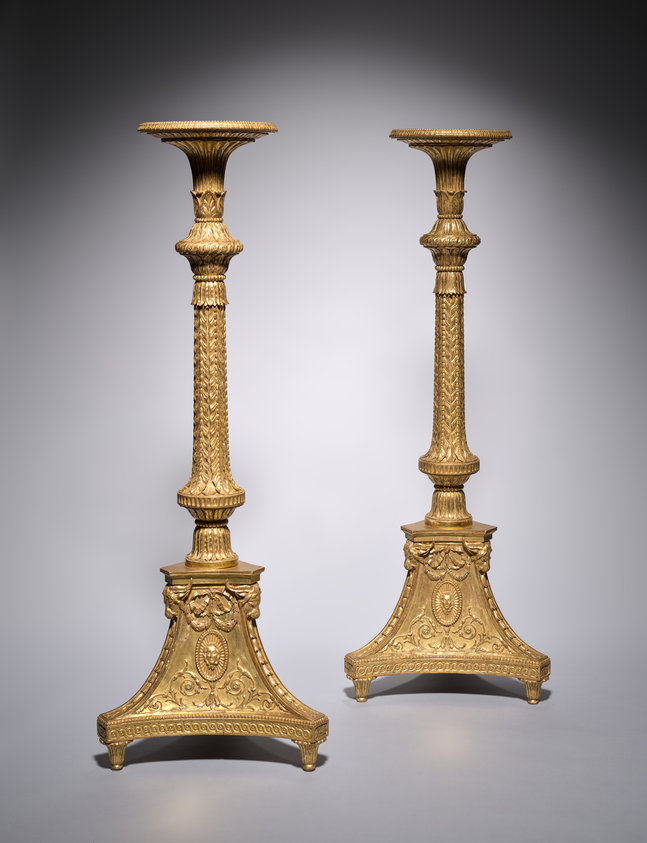
      Pair of Candle Stands (torchères)
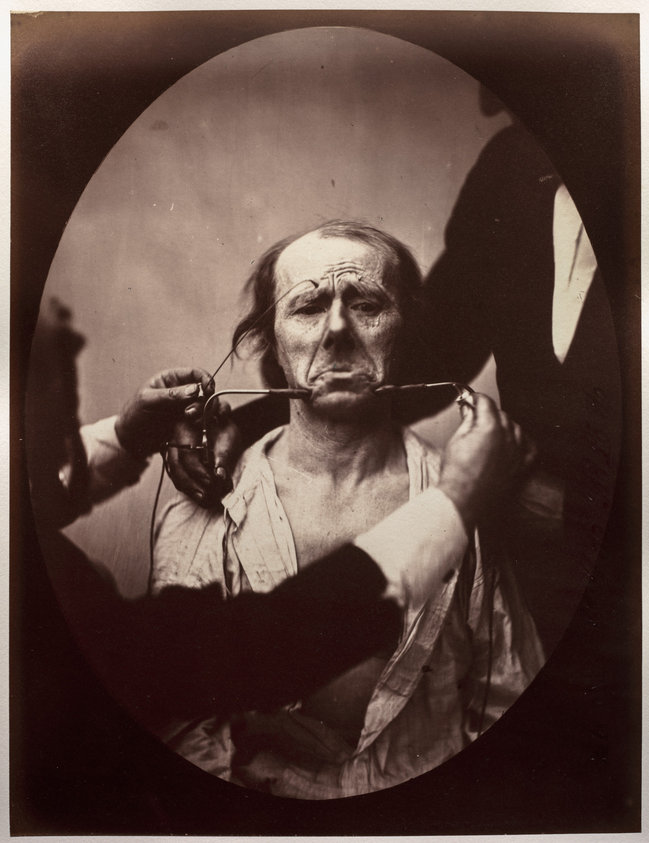
      Figure 45: Contraction électrique forte des triangulaires des lèvres et des sourciliers: douleur et déspoir
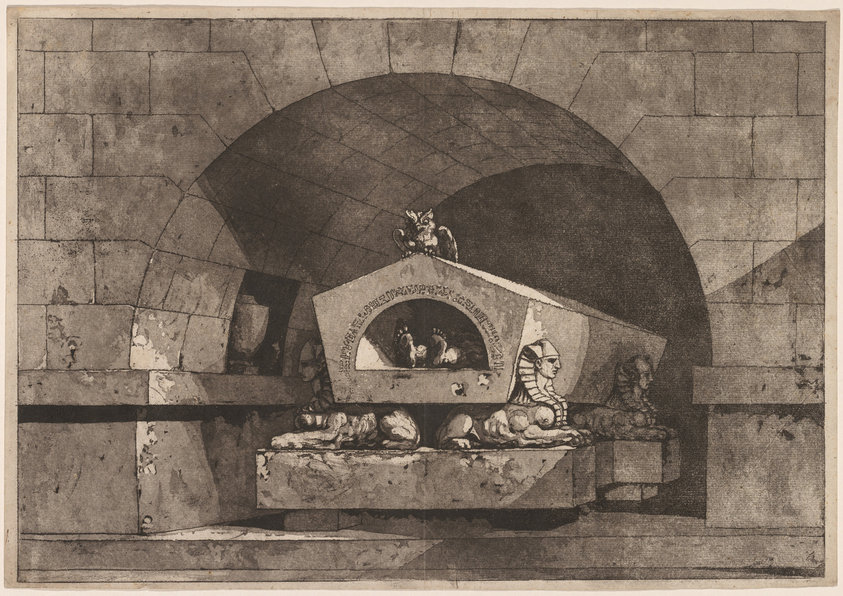
      Tomb with Sphinxes and an Owl
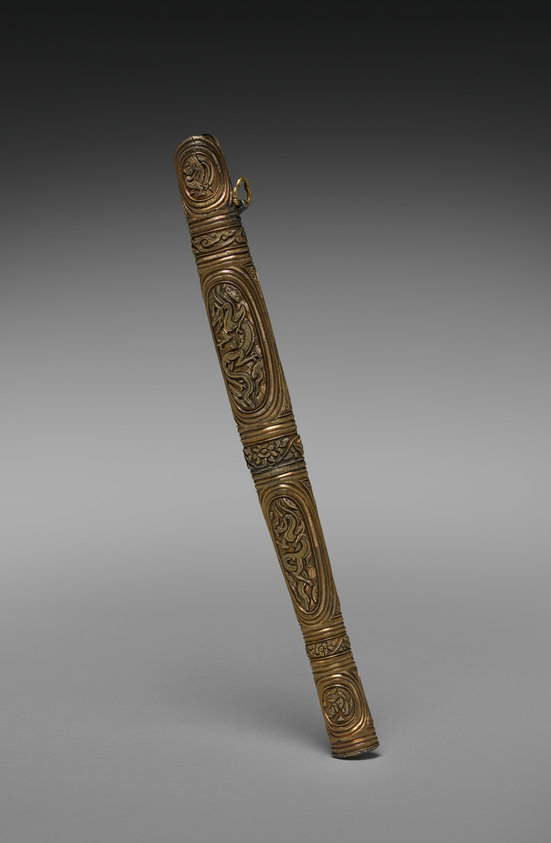
      Knife Sheath
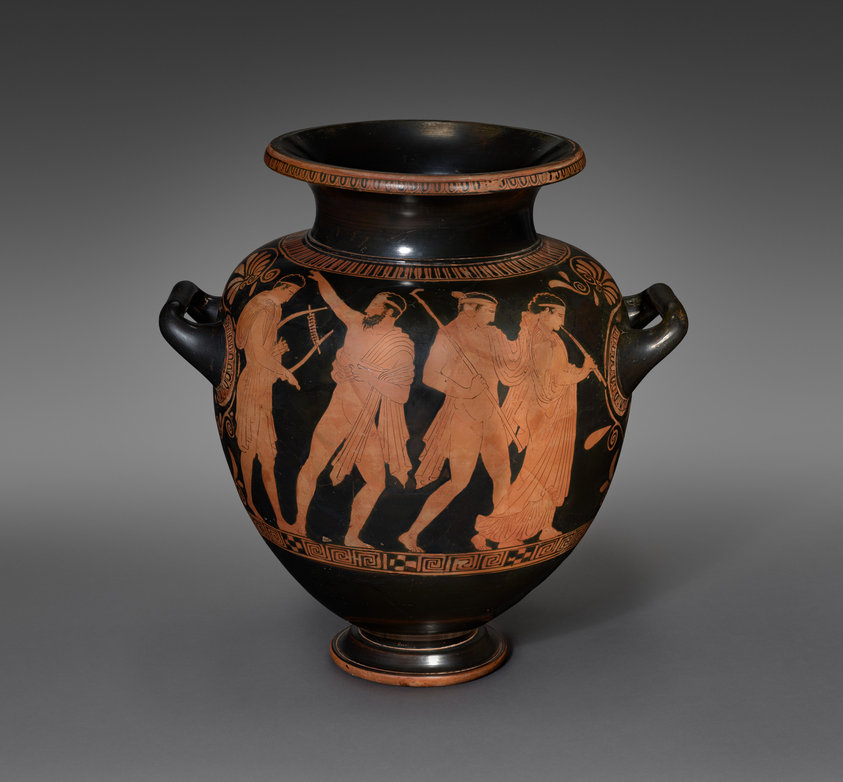
      Red-Figure Stamnos (Mixing/Storage Vessel): Komos (Musicians and Revelers)
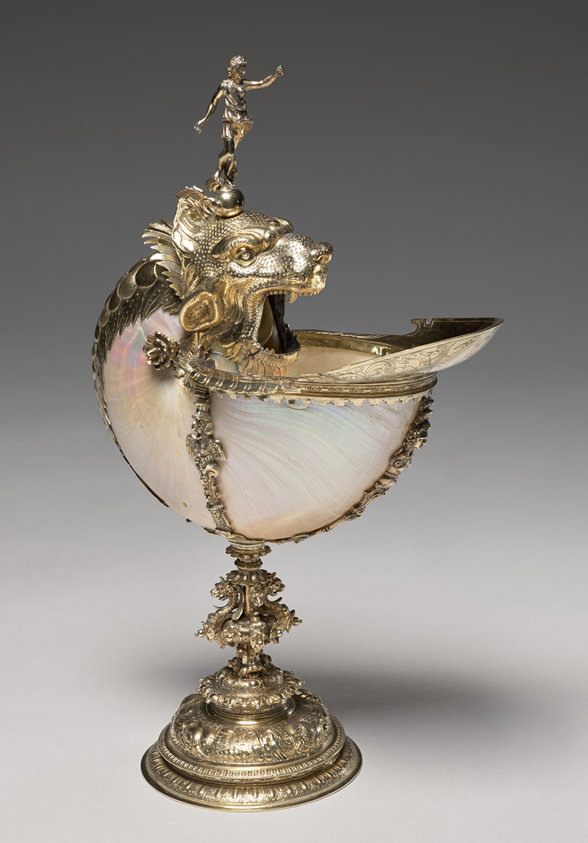
      Nautilus Cup
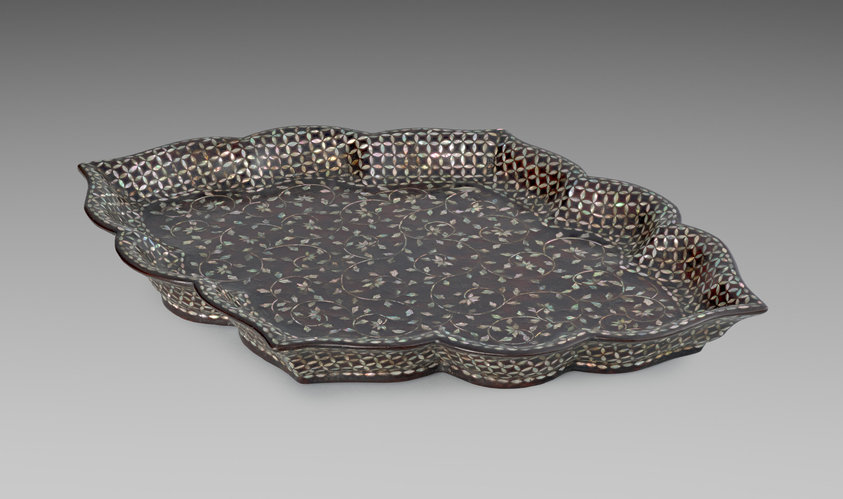
      Foliate-Shaped Tray with Mother-of-Pearl Inlay
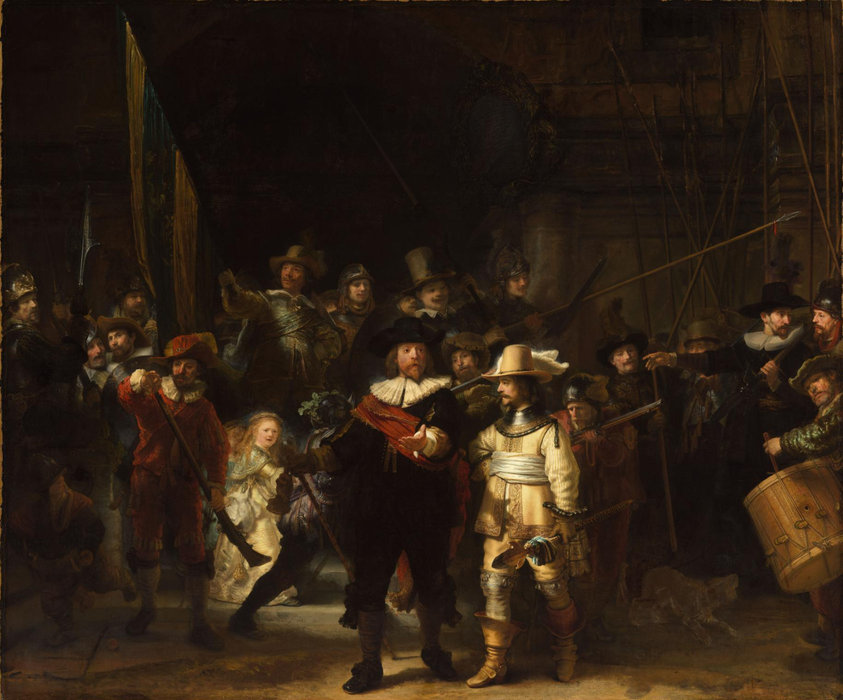
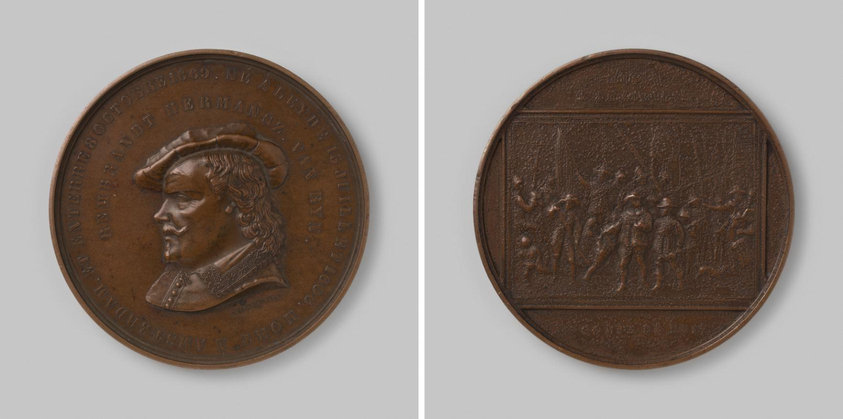
      The Night Watch Militia Company of District II under the Command of Captain Frans Banninck Cocq
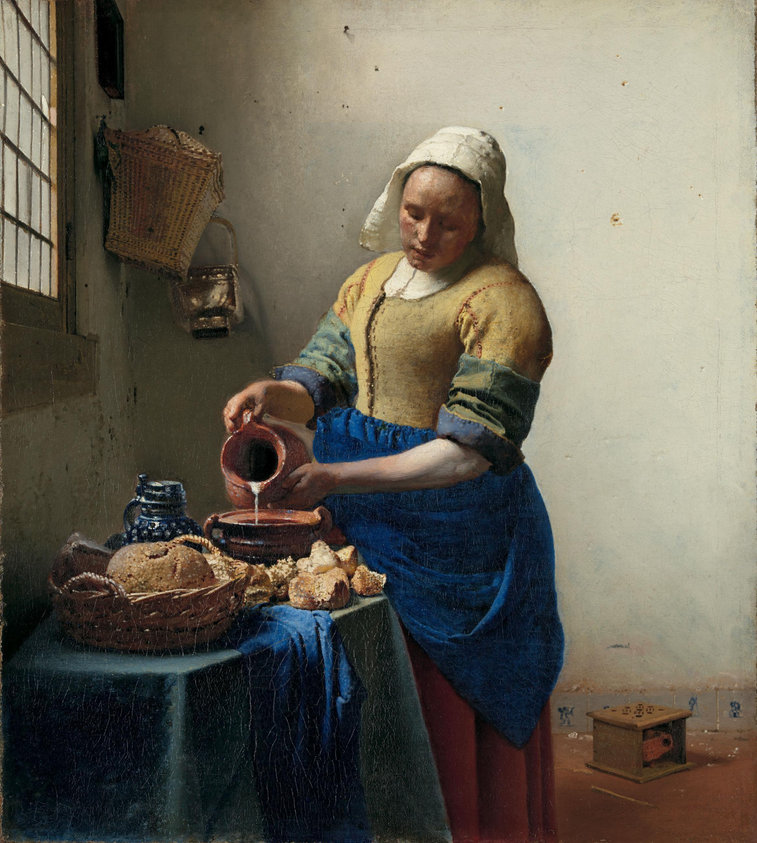
      The Milkmaid
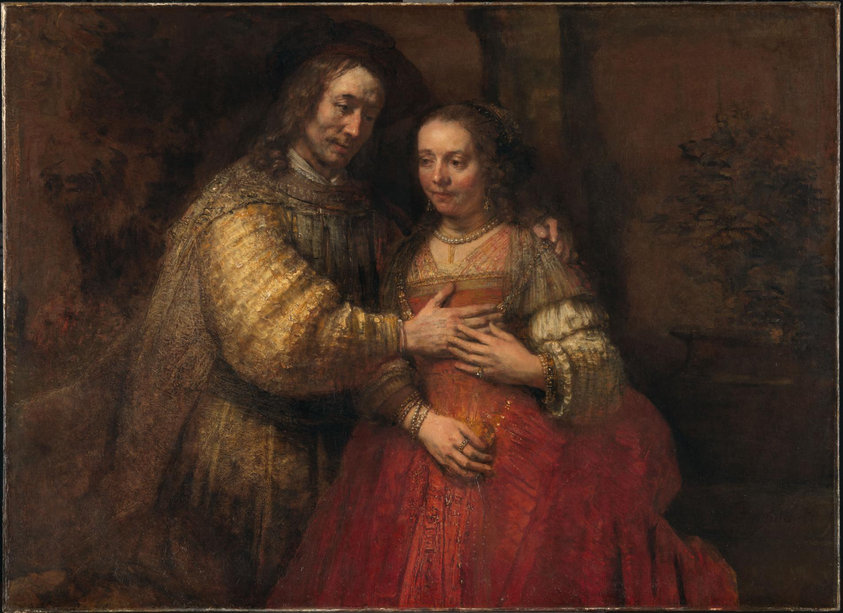
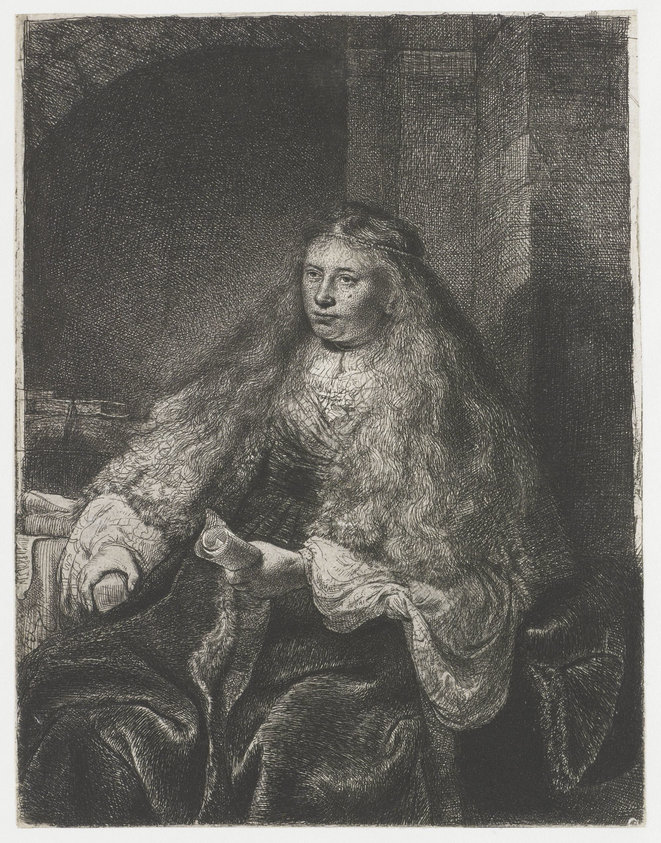
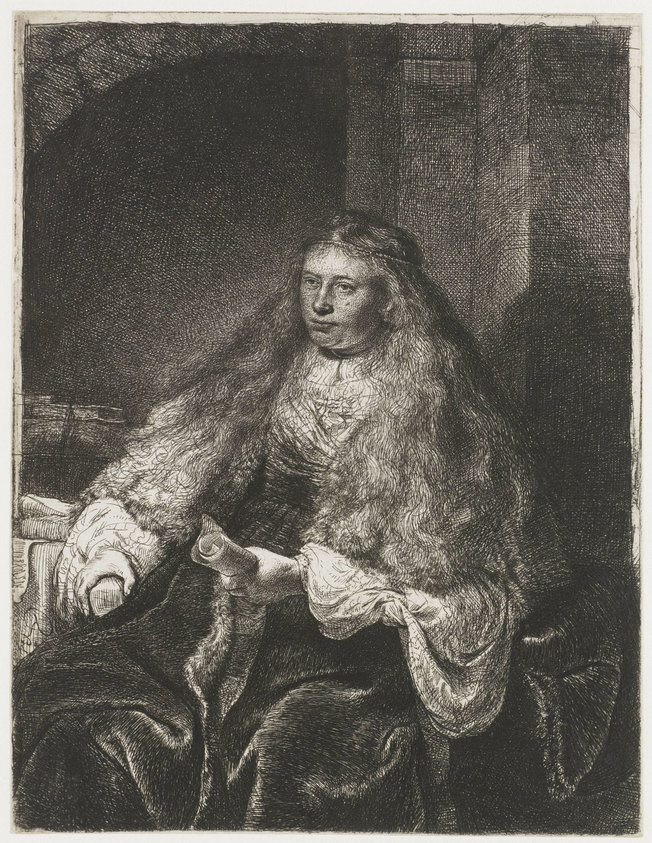
      Isaac and Rebecca, Known as ‘The Jewish Bride’
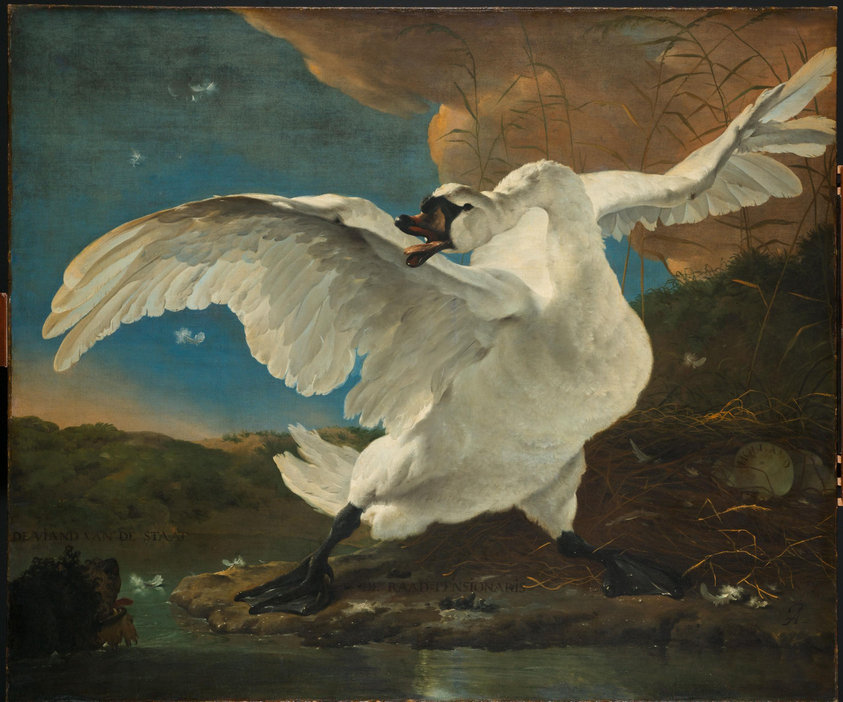
      The Threatened Swan
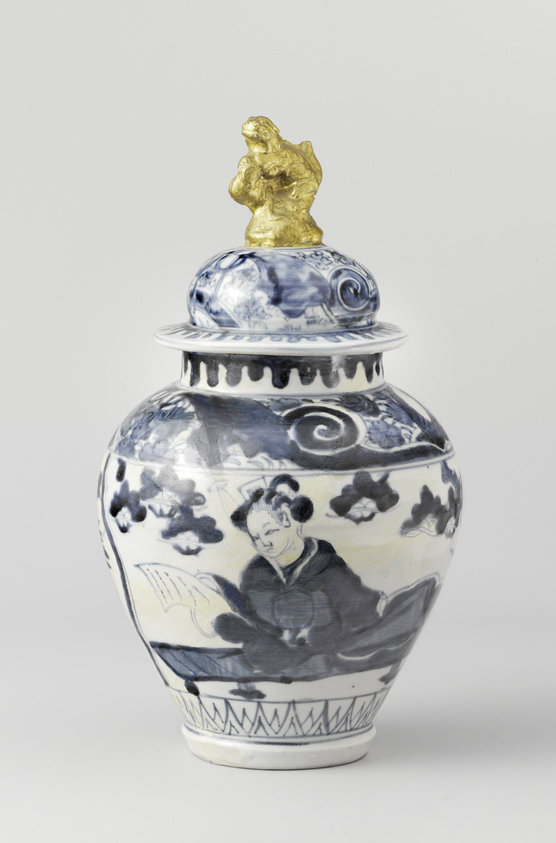
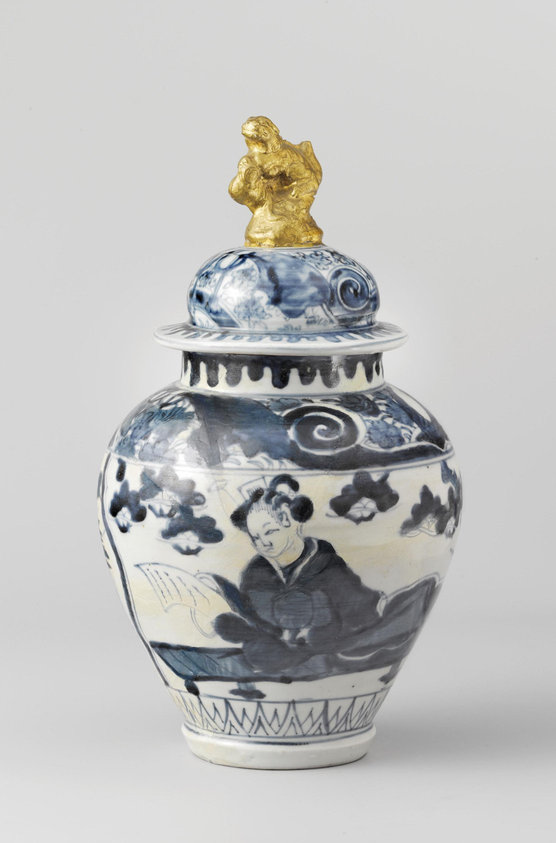
      Ovoid covered jar with a woman reading a letter and finial in the shape of a shishi
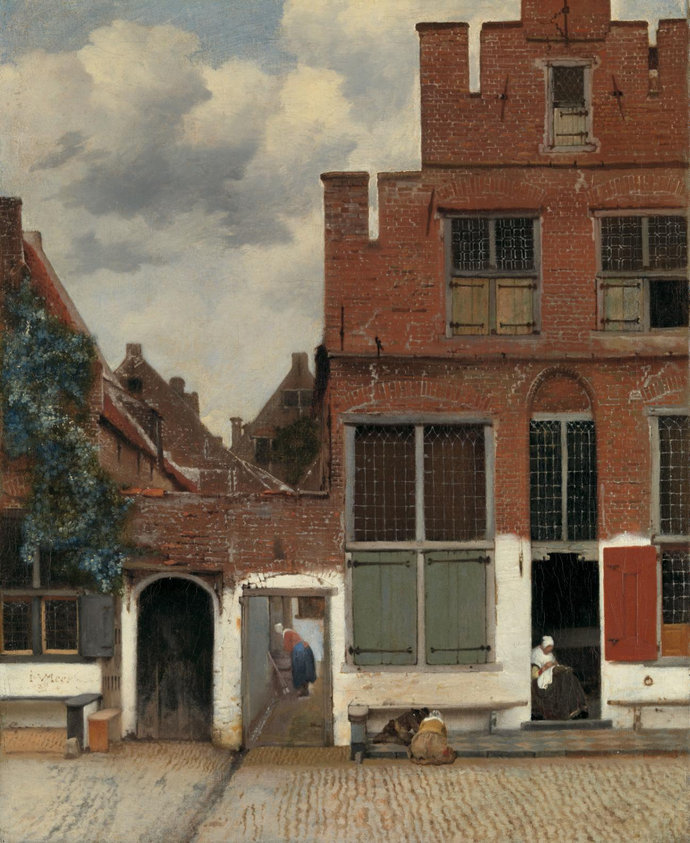
      View of Houses in Delft, Known as ‘The Little Street’
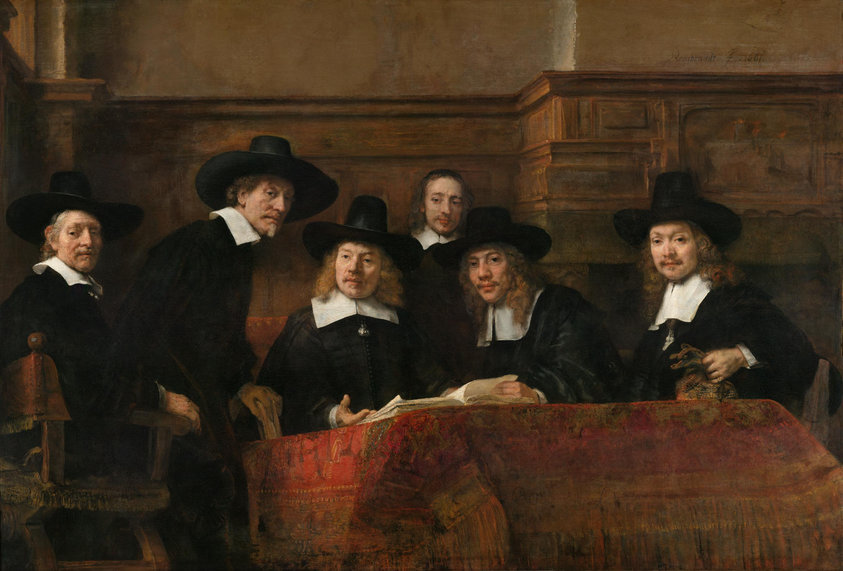
      The Sampling Officials of the Amsterdam Drapers’ Guild, Known as ‘The Syndics’
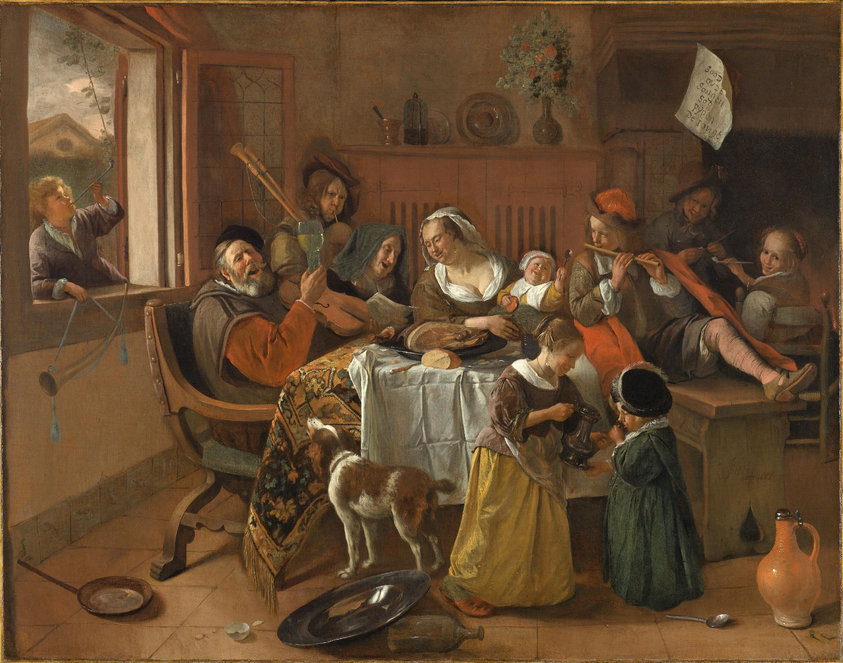
      The Merry Family
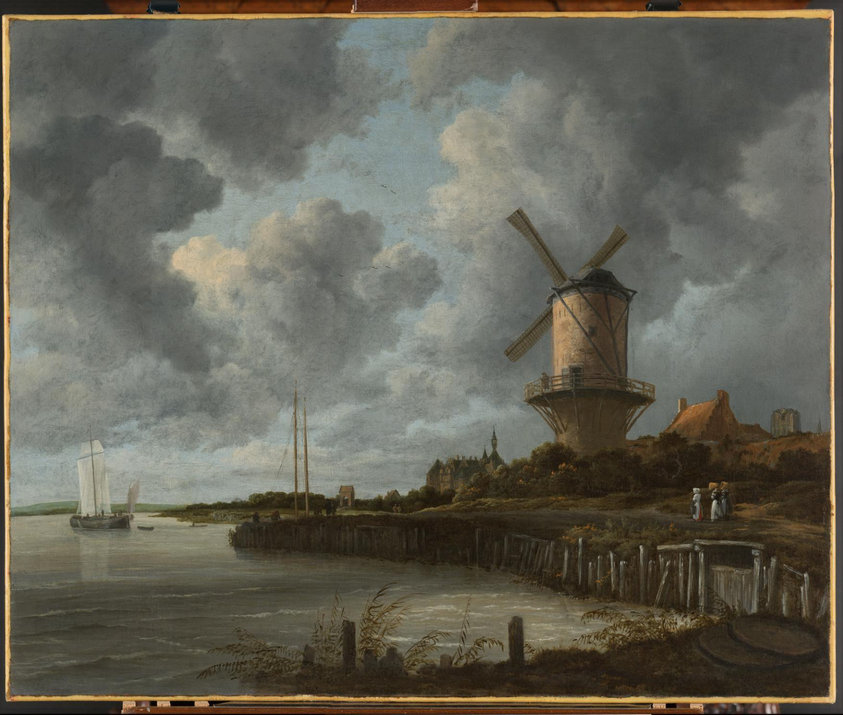
      The Windmill at Wijk bij Duurstede
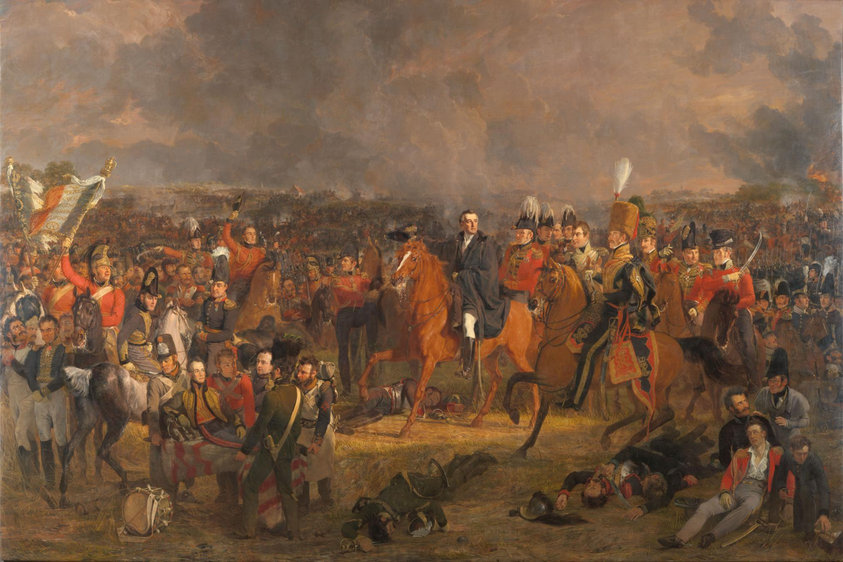
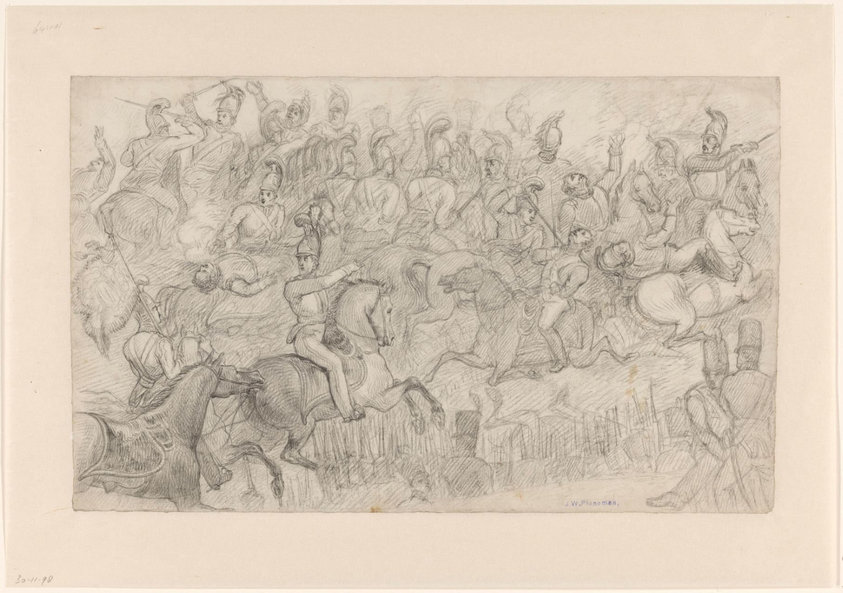
      The Battle of Waterloo
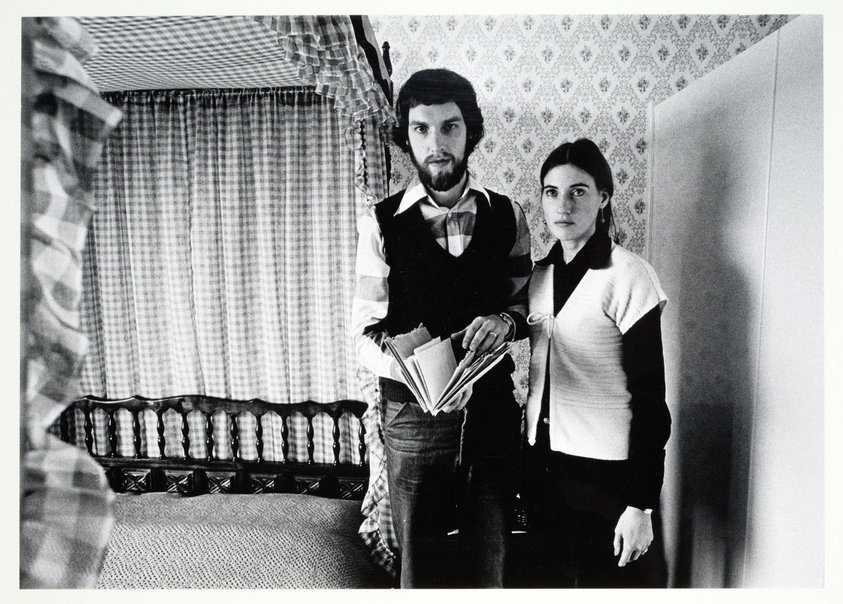
      Portrait of a Young Unemployed Couple, Hengelo
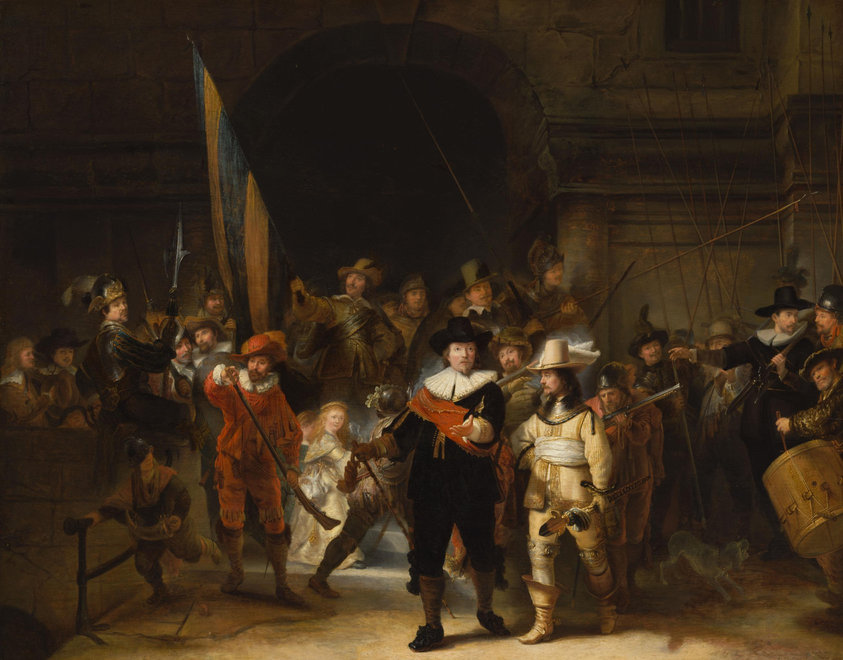
      Copy of The Night Watch
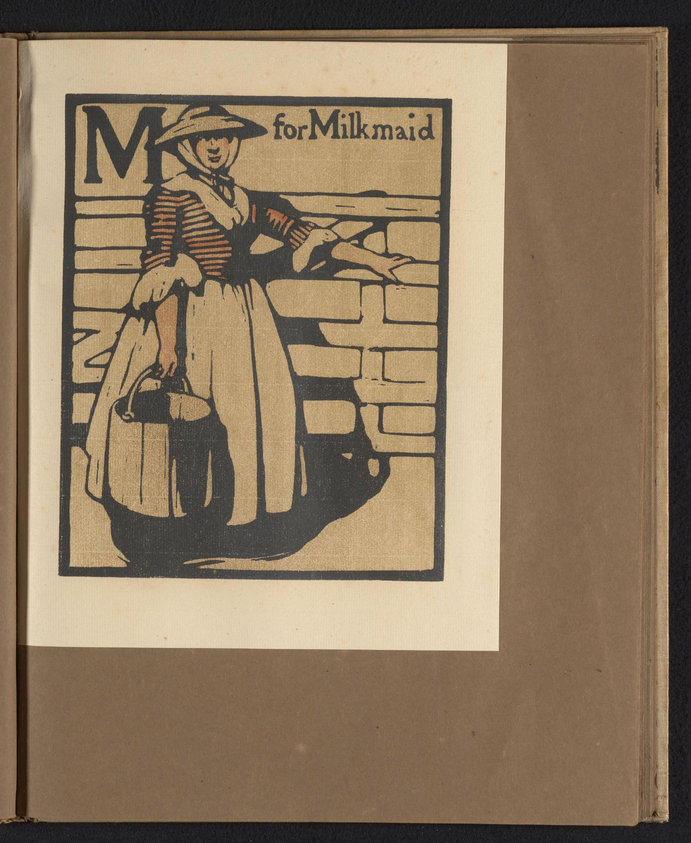
      M for Milkmaid
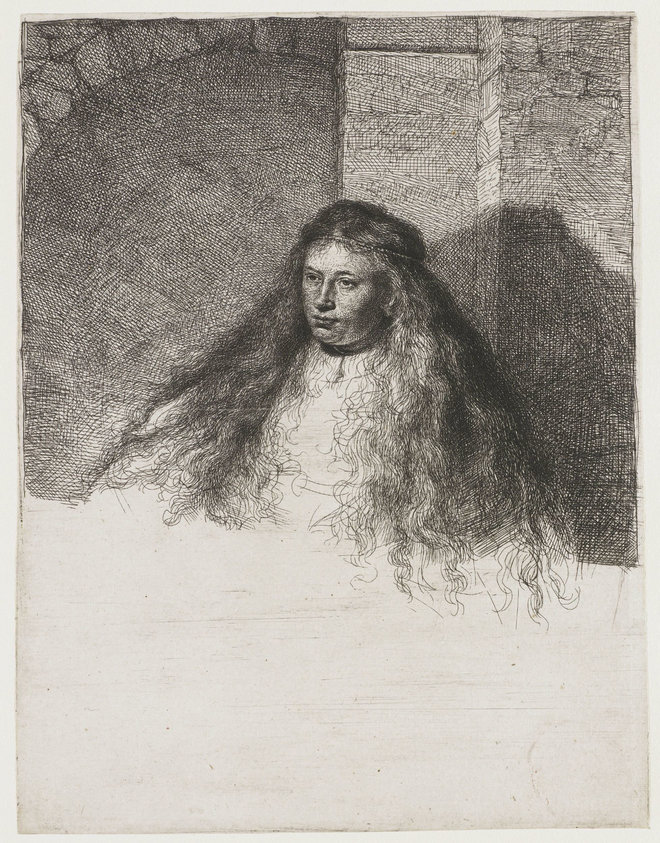
      The great Jewish bride
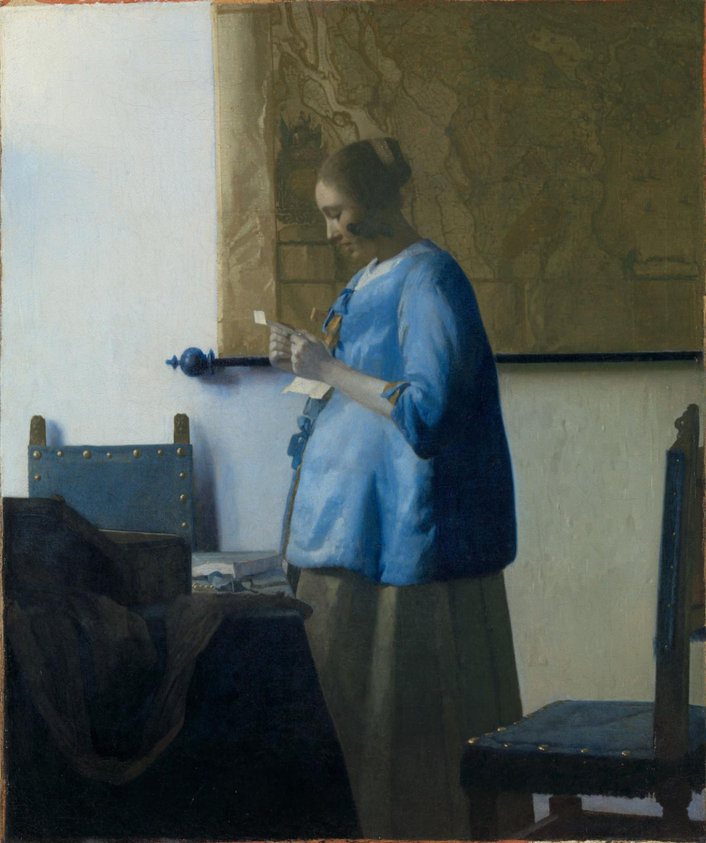
      Woman Reading a Letter
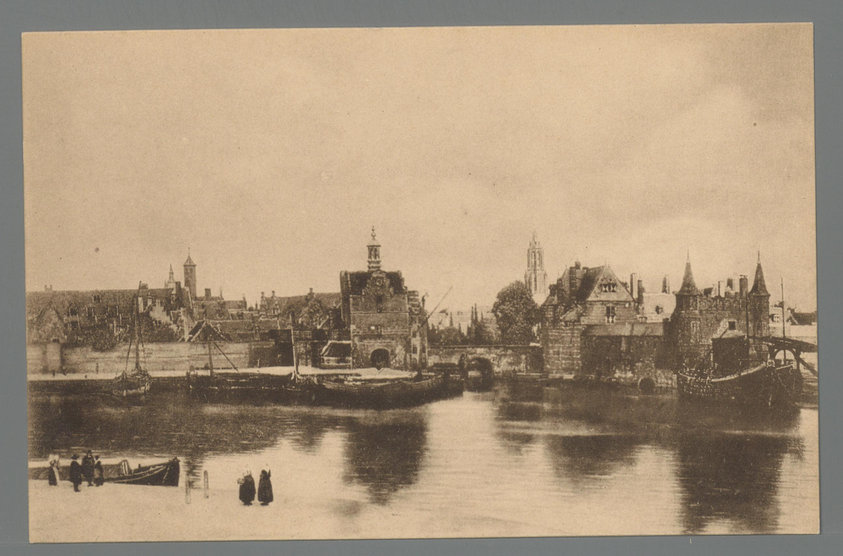
      Johannes Vermeer. Gezicht op Delft / Vue de Delft / View of Delft / Ansicht von Delft
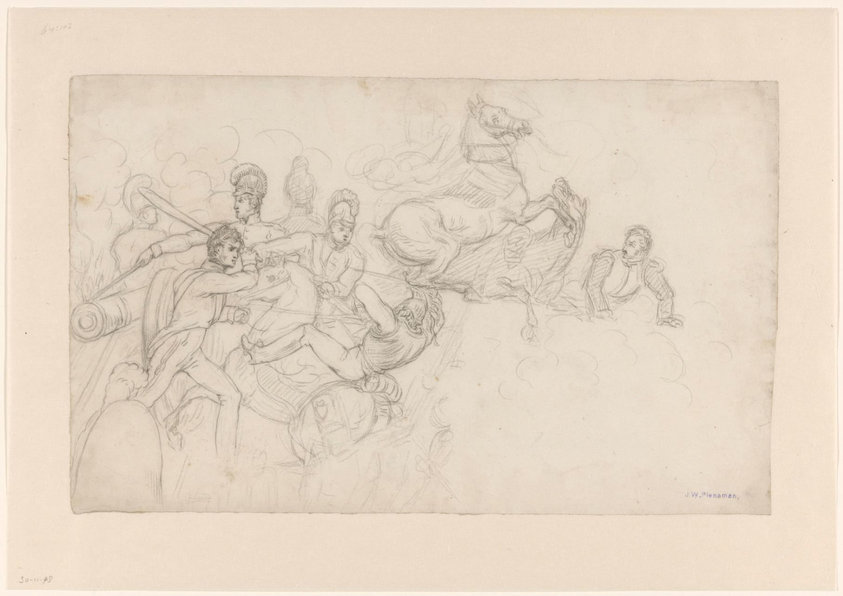
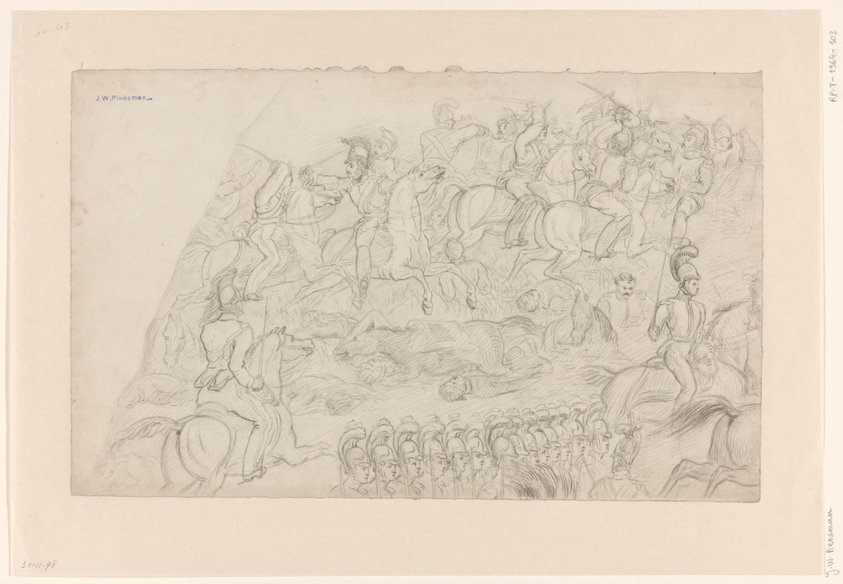
      Study for The Battle of Waterloo
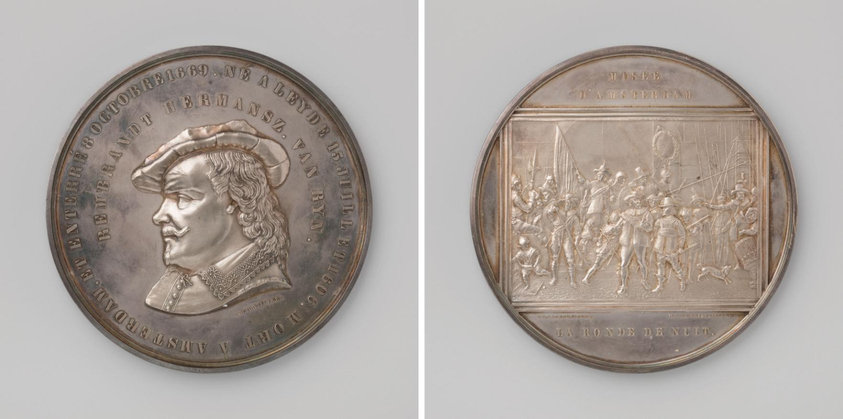
      The Night Watch by Rembrandt van Rijn
      The great Jewish bride
      Woman Reading a Letter
      Study for The Battle of Waterloo
      The Night Watch by Rembrandt van Rijn
      The great Jewish bride
      Ovoid covered jar with a woman reading a letter and finial in the shape of a shishi
      Study for The Battle of Waterloo
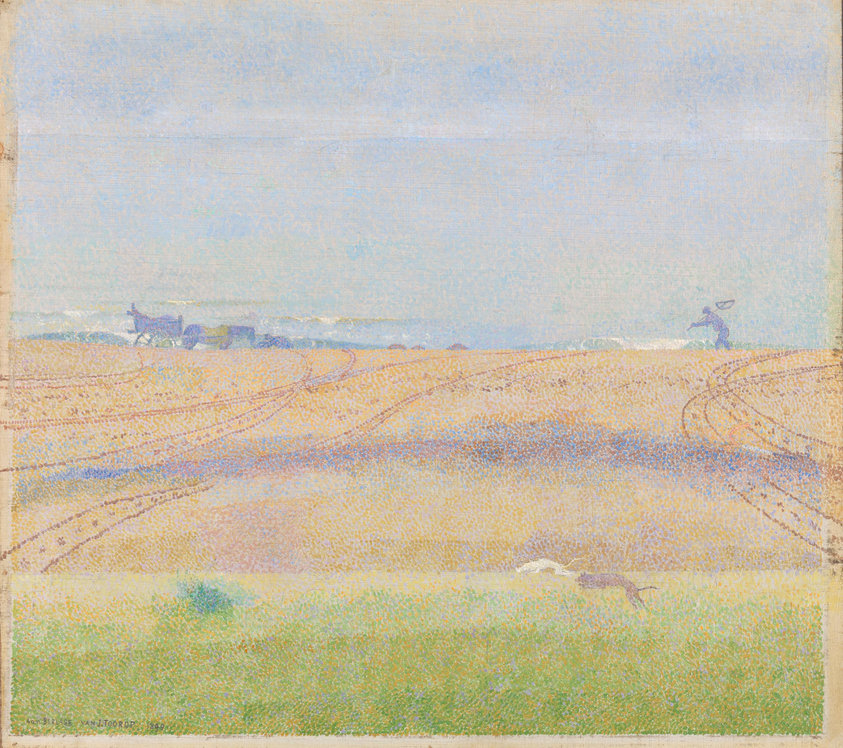
      Misty Sea
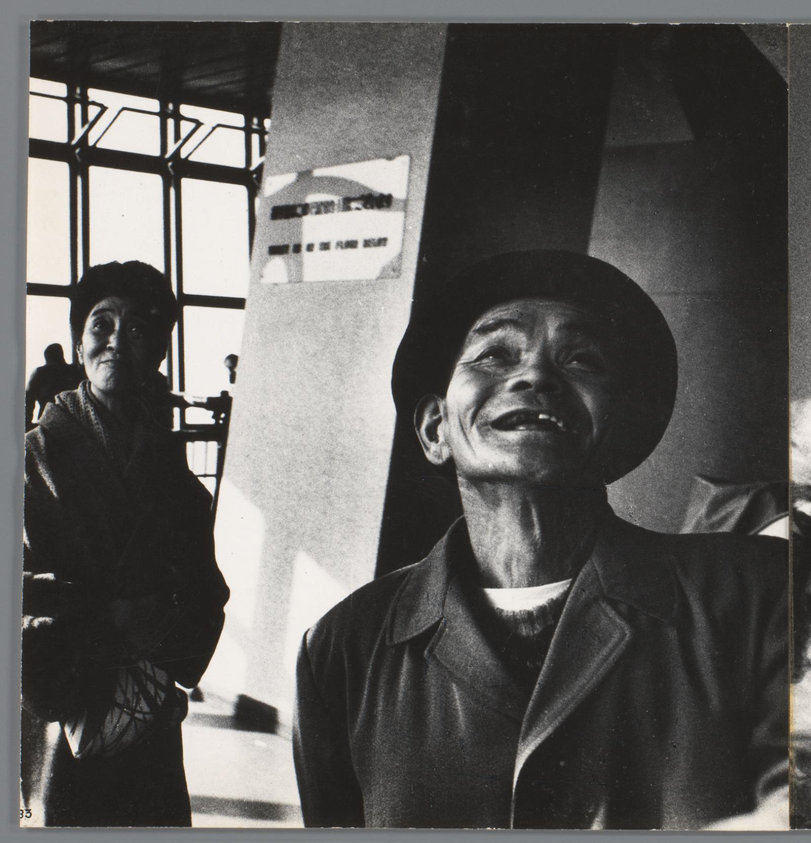
      Man en vrouw bovenin de Tokyo Tower
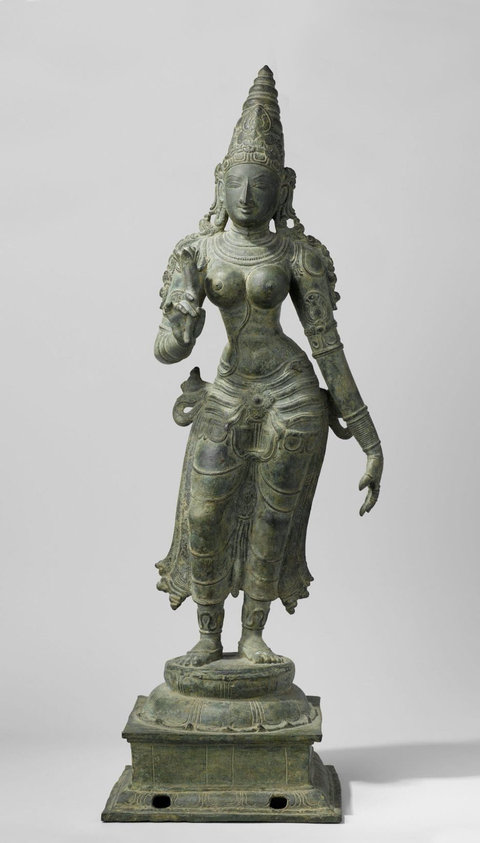
      Uma
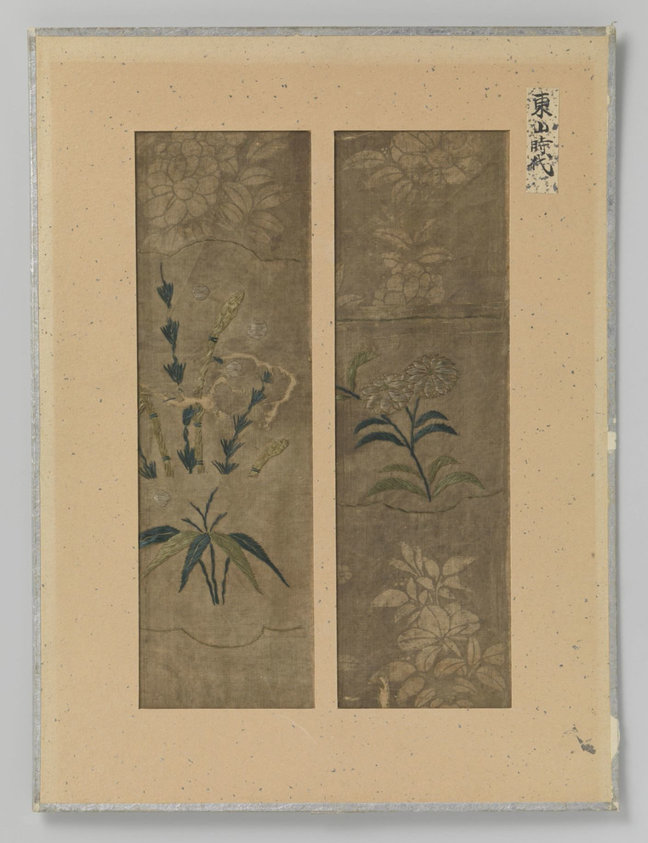
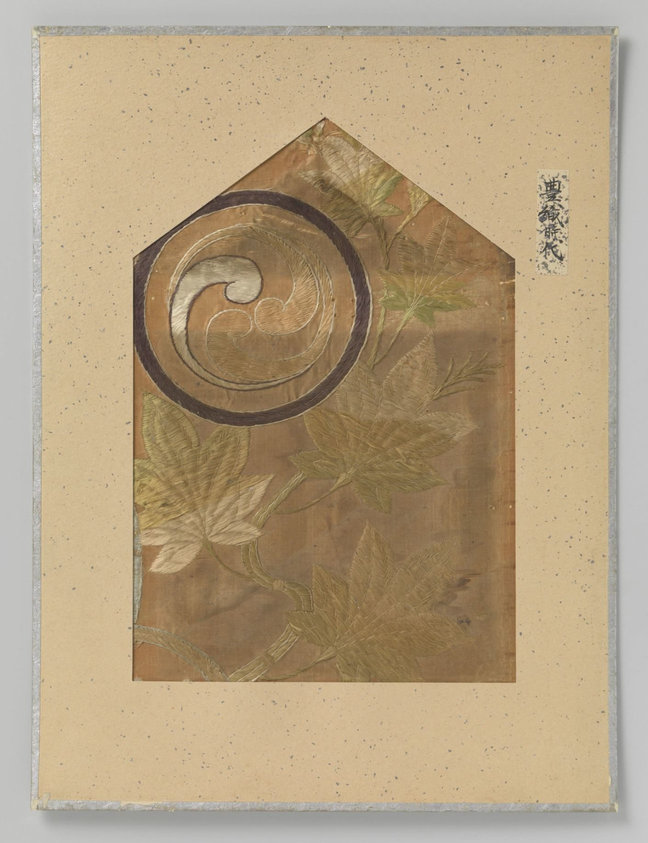
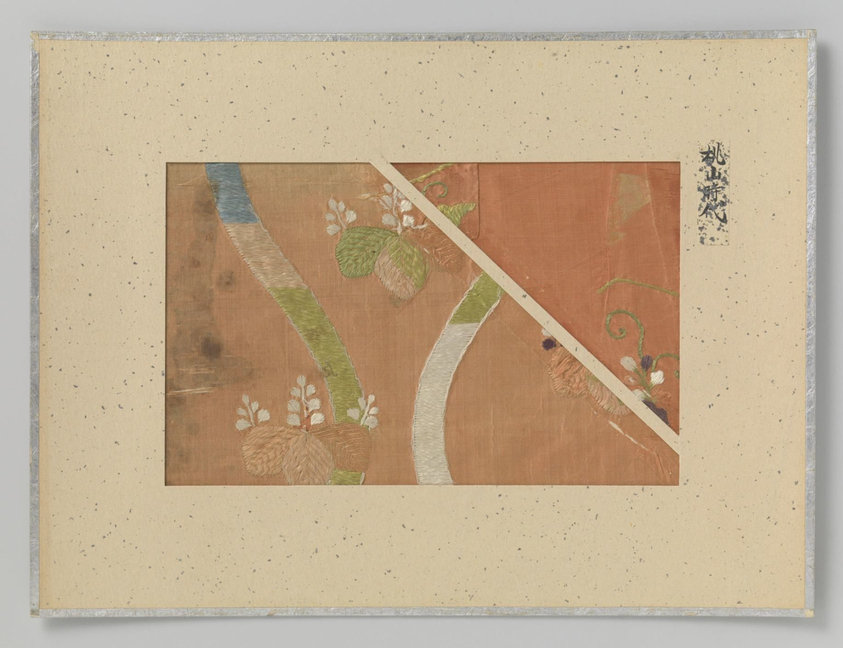
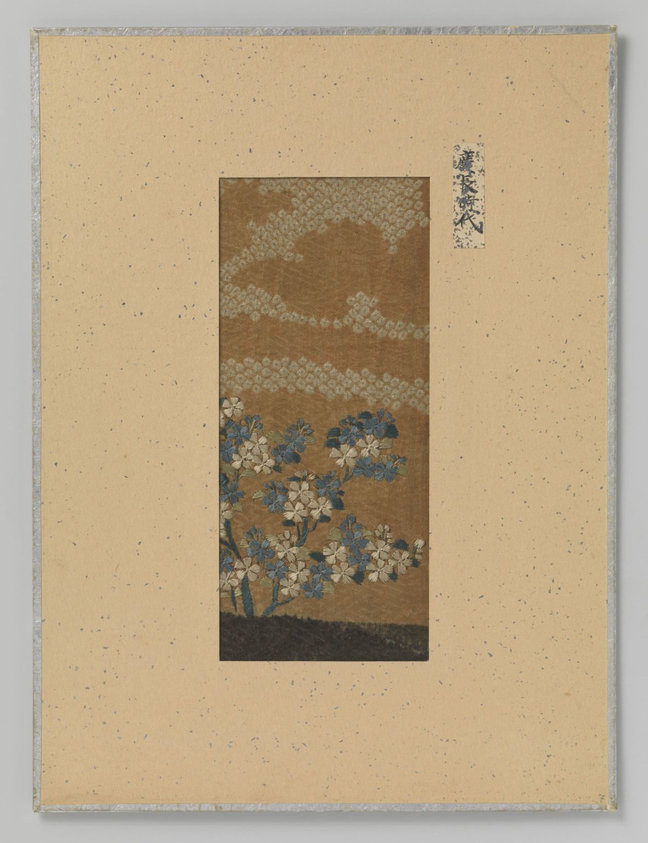
      Twee textielfragmenten op een blad, borduursel en druk op zijde
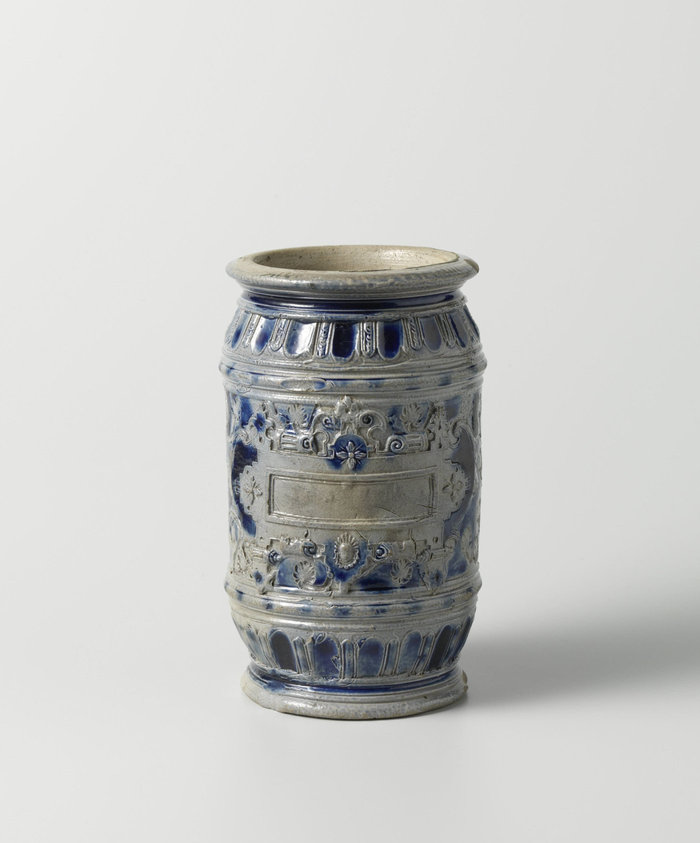
      Apothecary jar
      Reukflacon
      Two Ge
      Stoel van kersen(?)hout, met beklede zitting, rechthoekig rugraam met opengewerkte vaas met guirlandes en rozetten
      Gedicht op de zilveren bruiloft van Ludolph Simon de With en Maria de Wit, 15 augustus 1771
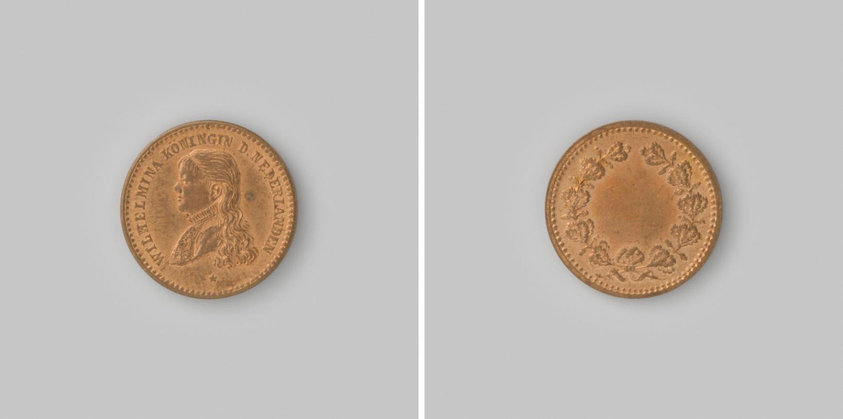
      Wilhelmina Koningin der Nederlanden
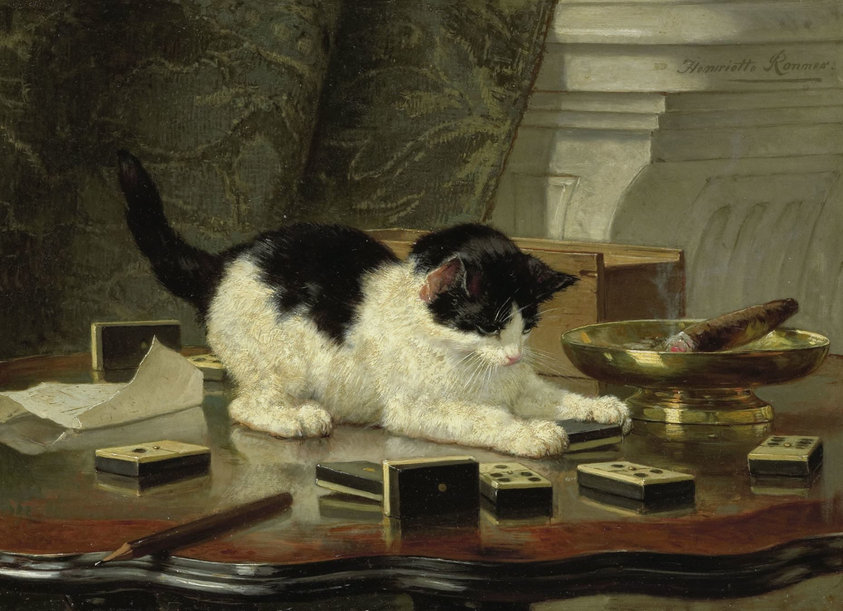
      Cat at Play
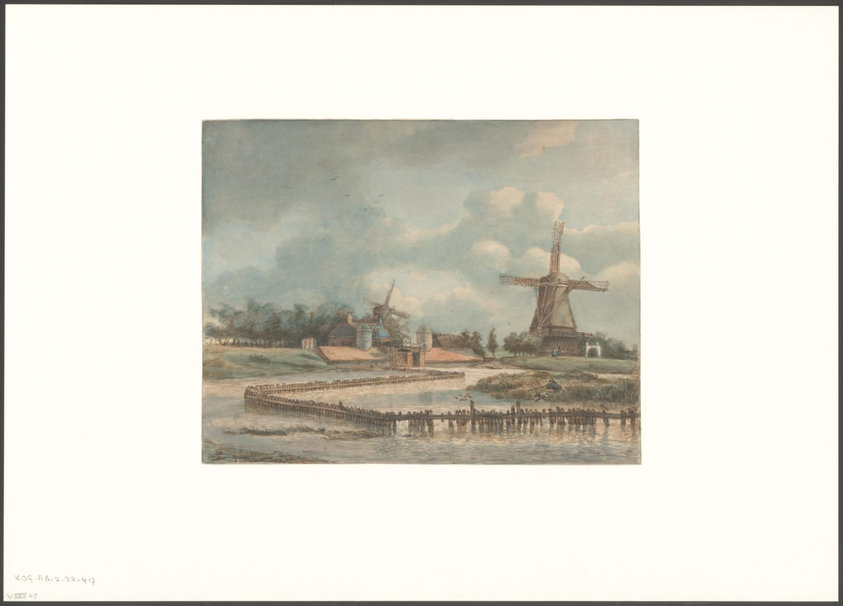
      Gezicht op bolwerk Westerbeer
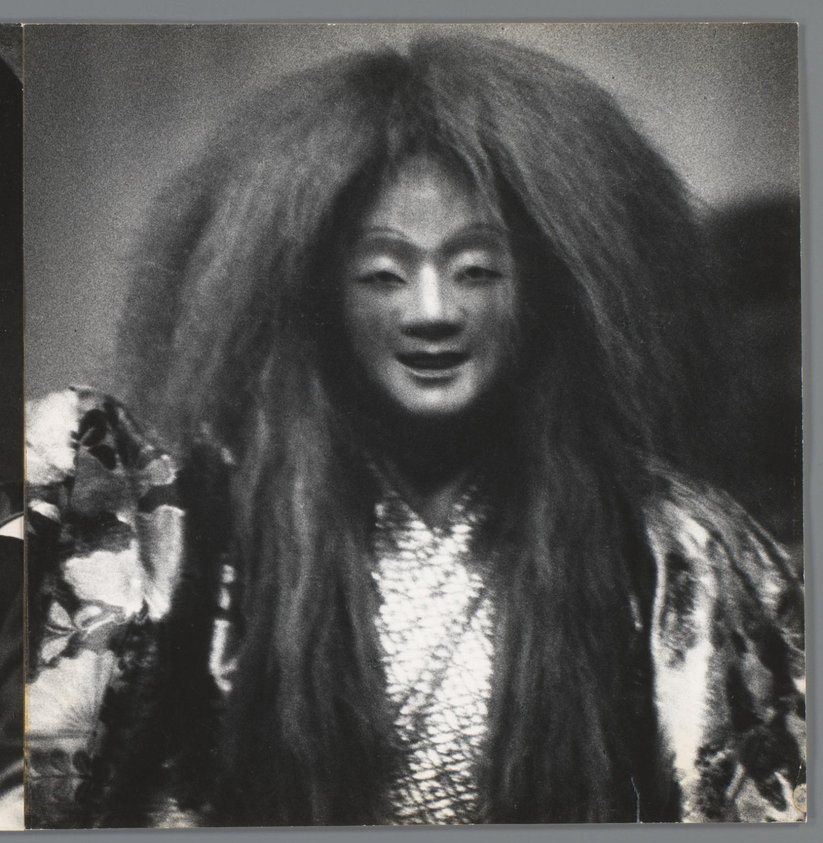
      Acteur in een Noh-theaterstuk, Tokyo
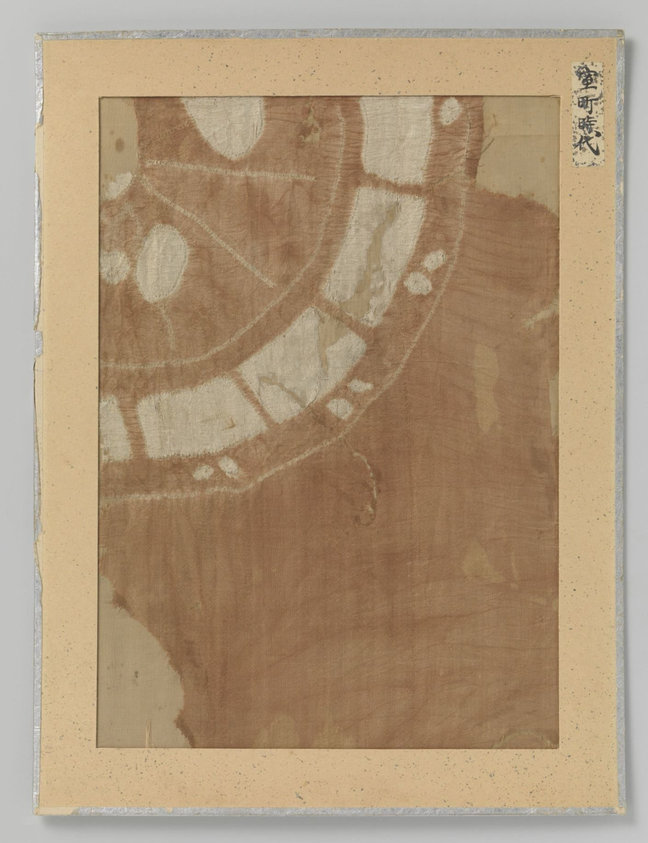
      Textielfragment, shibori-zome op zijde
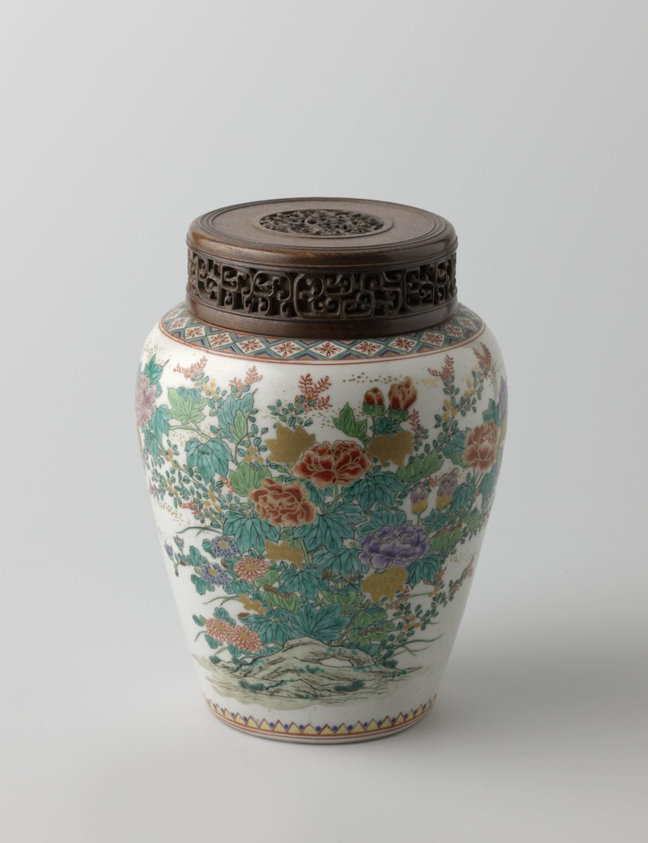
      Jar with wooden cover and two large flower groups
      Ornament voor de houten steel van een ge
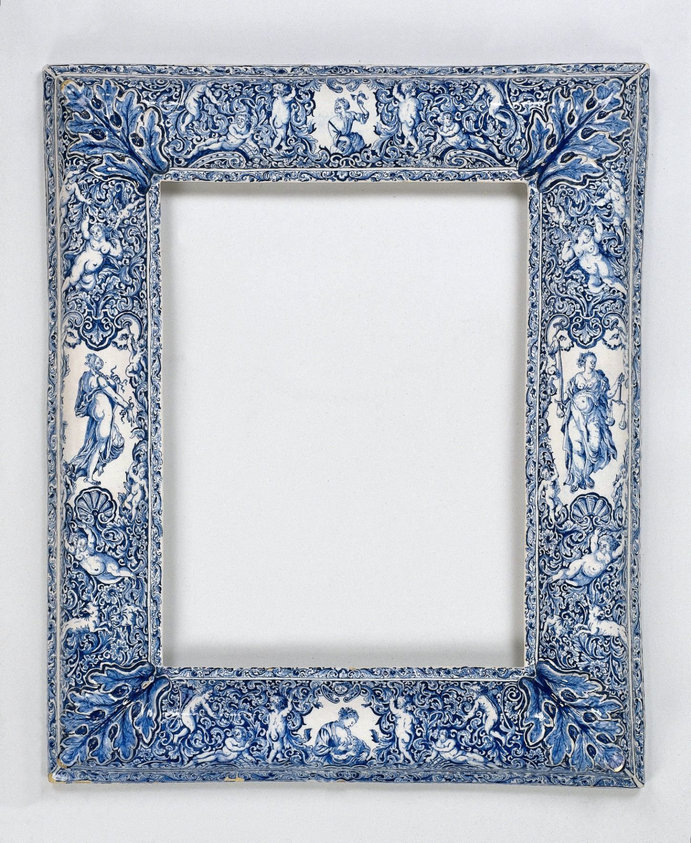
      Spiegellijst, beschilderd met vier allegorische vrouwenfiguren
      De Kroonprins van Oranje in de Slag bij Waterloo 1815
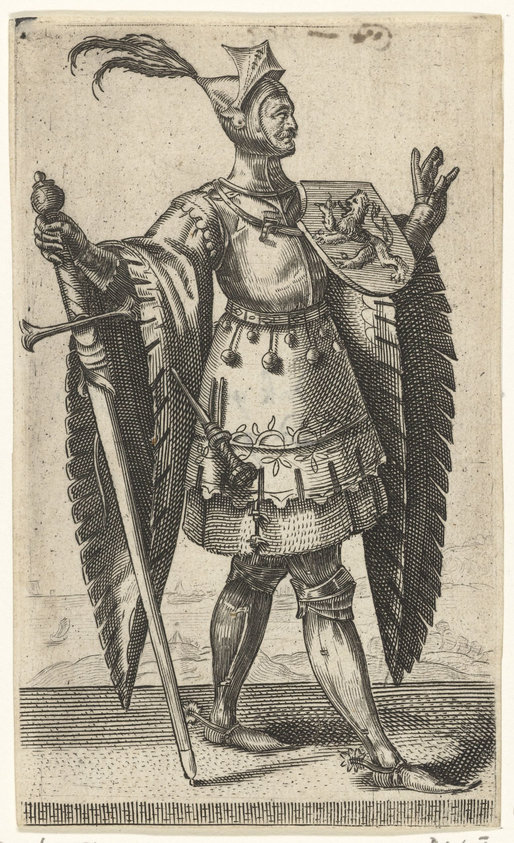
      Graven en gravinnen van Holland
      Gezicht op bolwerk Oosterbeer met molen de Gooyer
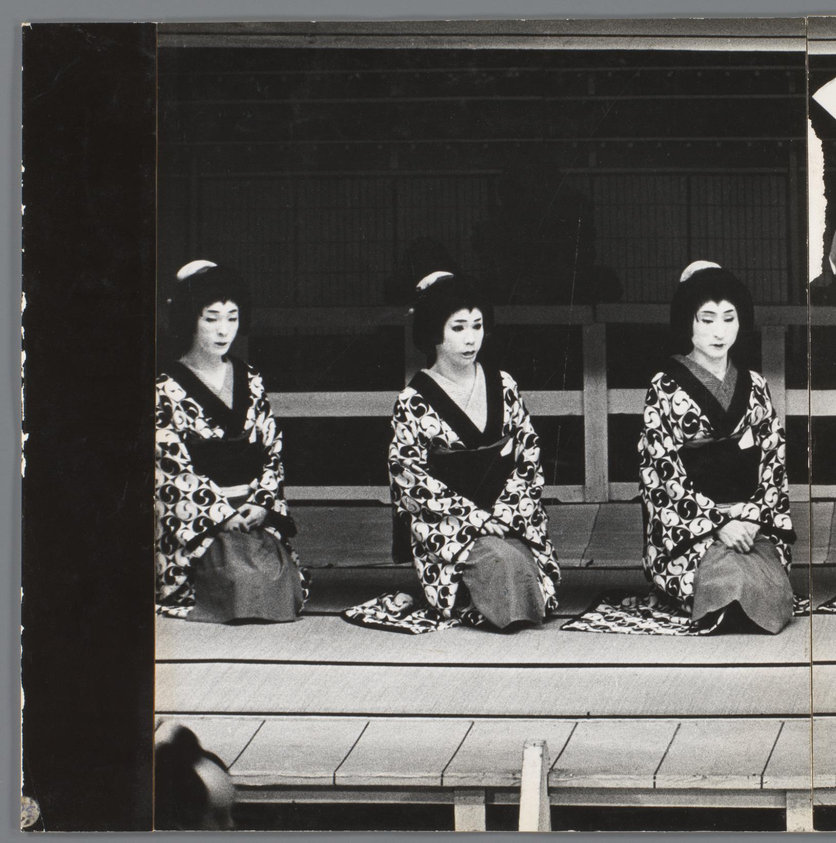
      Acteurs tijdens een kabuki-voorstelling in Kabukiza, Tokyo
      Heavenly beauty
      Dagger-axe
      Wainscoting with chimneypiece, wallpanels and a portico
      Het verdrag van Björkö
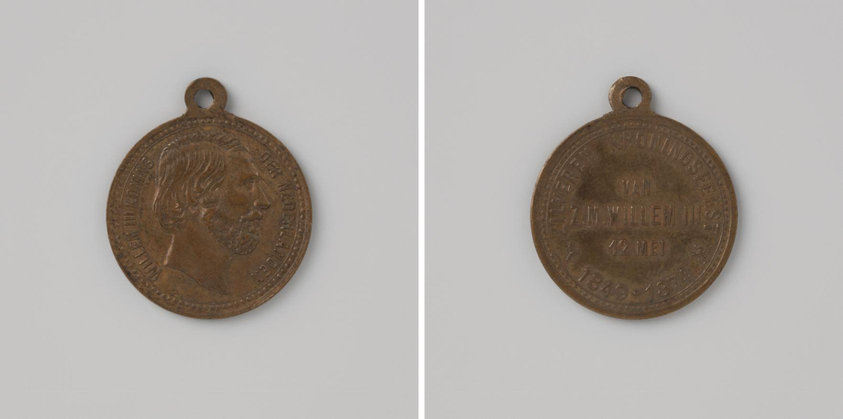
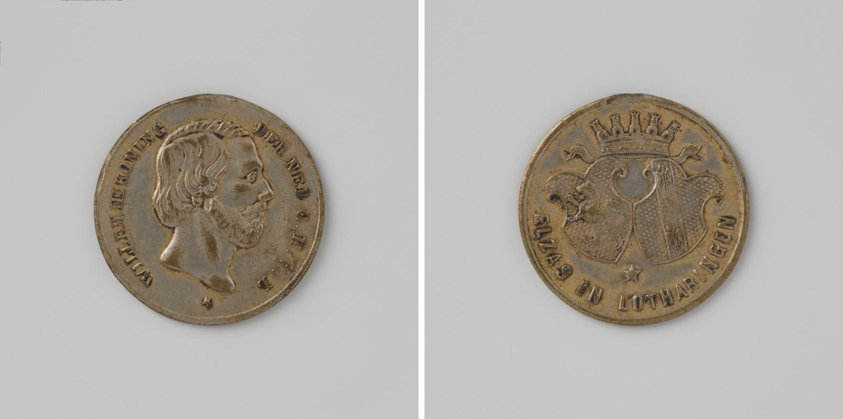
      Vijfentwintigjarig regeringsjubileum van Koning Willem III 1874
      Portraits of Surinamese Girls
      Graven en gravinnen van Holland
      Acteurs tijdens een kabuki-voorstelling in Kabukiza, Tokyo
      Shiva Nataraja
      Fragment textiel
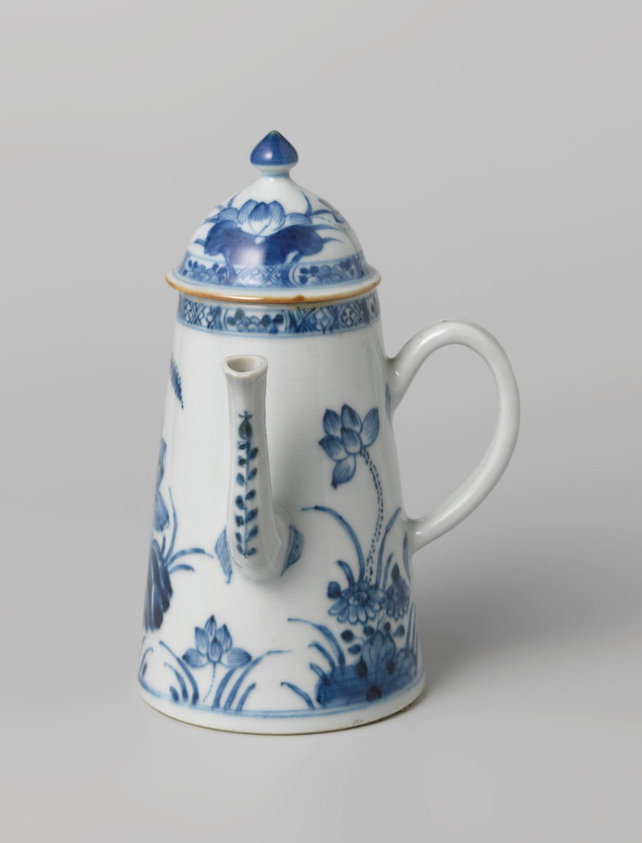
      Conical coffee pot with flowering lotus
      Hanger
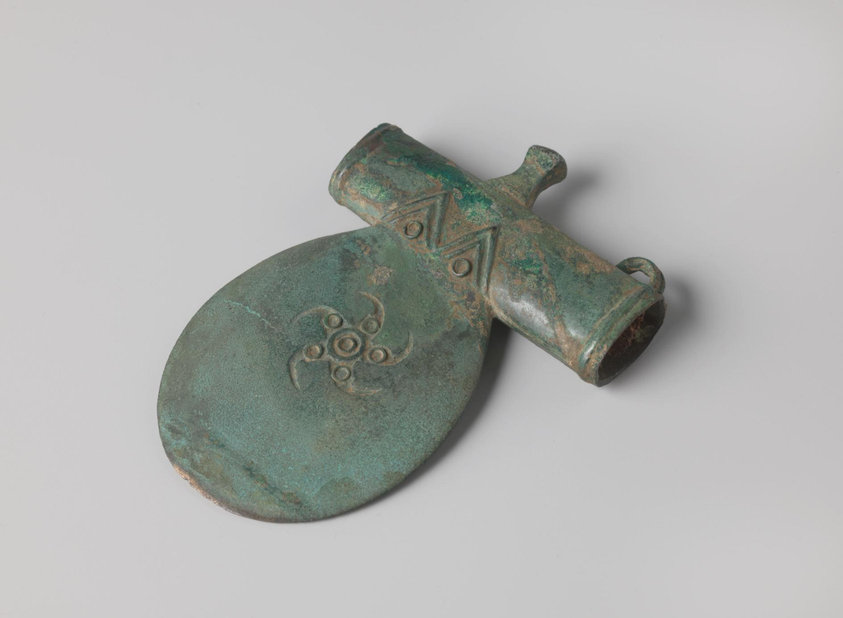
      Ceremoniële bijl in Ordos-stijl
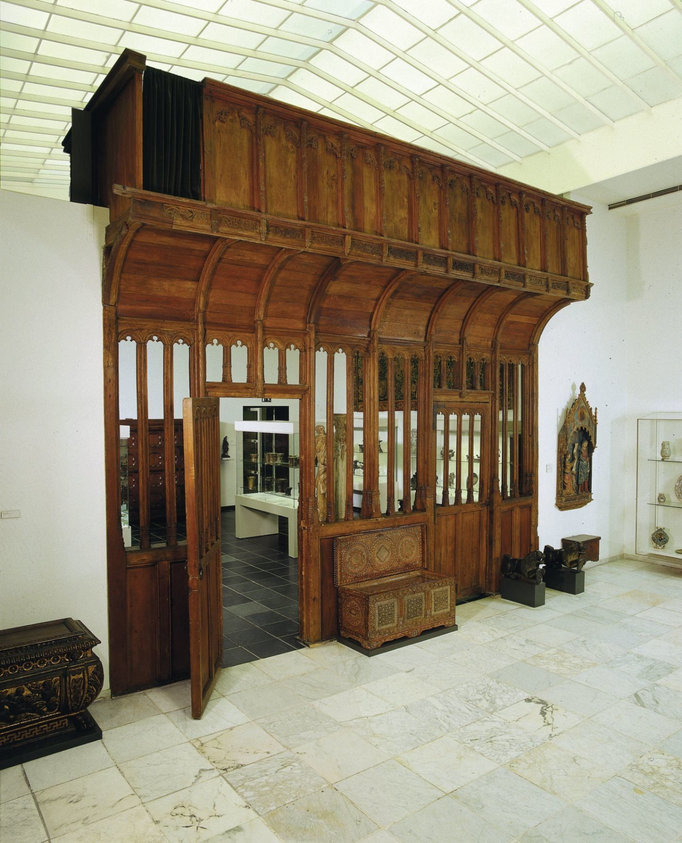
      Oksaal (koorafscheiding), afkomstig uit de kerk te Helvoirt
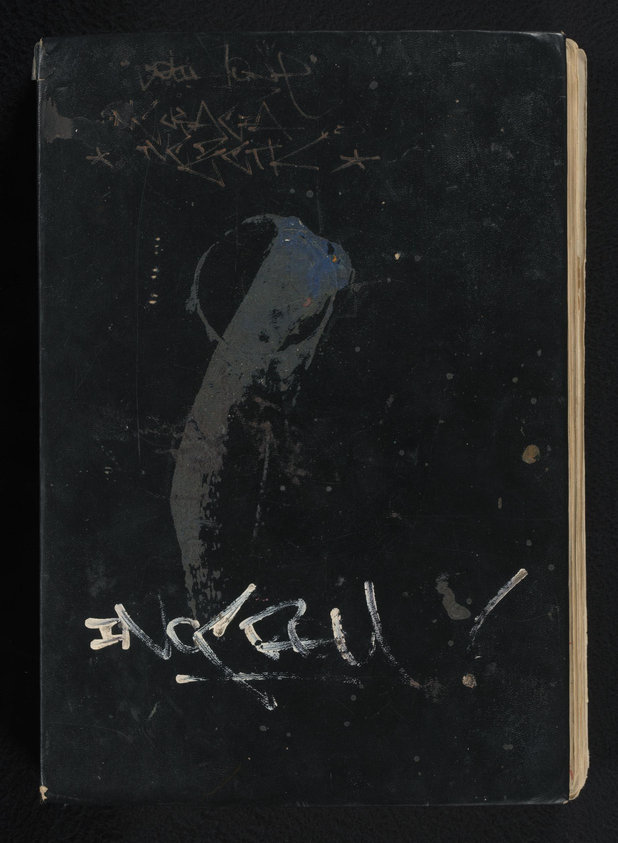
      Blackbook I
      Koning Willem III in de Frans-Duitse Oorlog 1870
      Portraits of Surinamese Girls
      Portret van Arnulf, graaf van Holland
      Portret van een onbekende jongen in schooluniform, Osaka
      Female nature spirit
      Twee fragmenten textiel
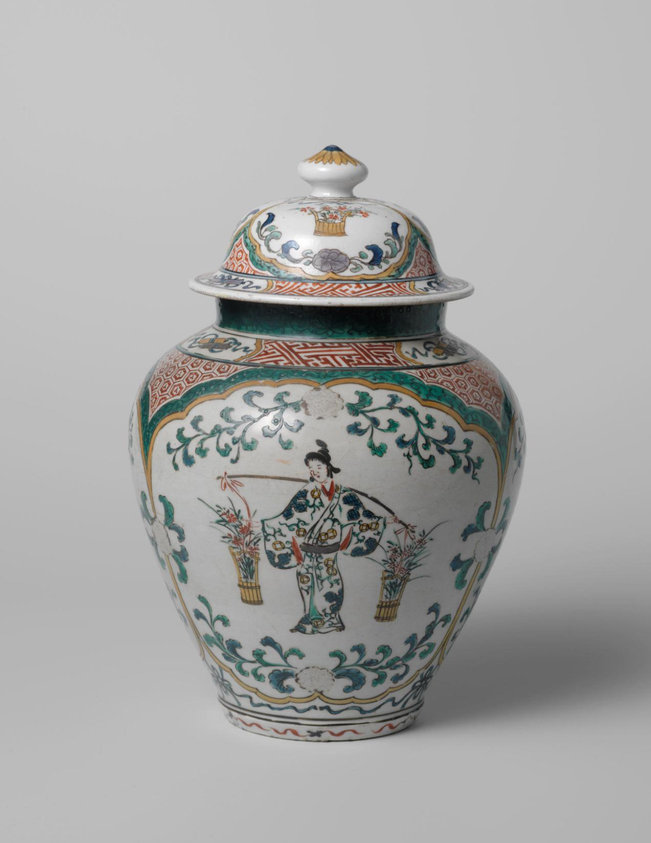
      Ovoid jar with women with a yoke in scalloped panels
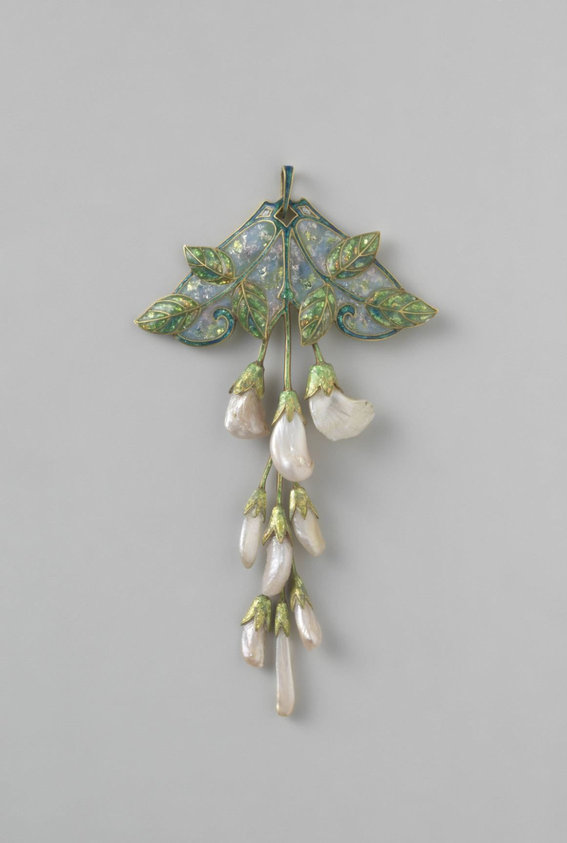
      Hanger in de vorm van een tak blauwe regen
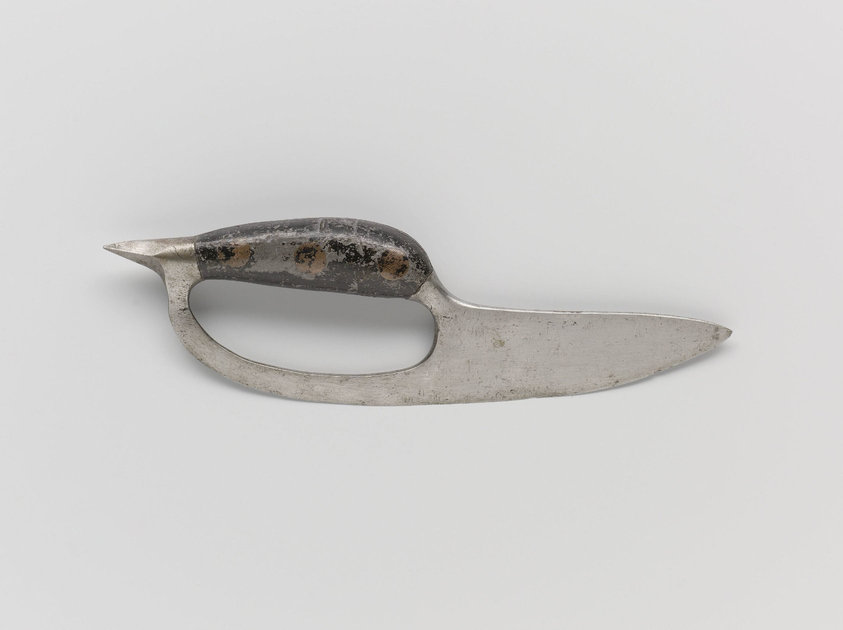
      Boarding knife
      Altaar van de Rooms Katholieke kerk te Rijsbergen
      Wilhelmina Koningin der Nederlanden
      Portraits of Surinamese Girls
      Portret van Dirk III, graaf van Holland
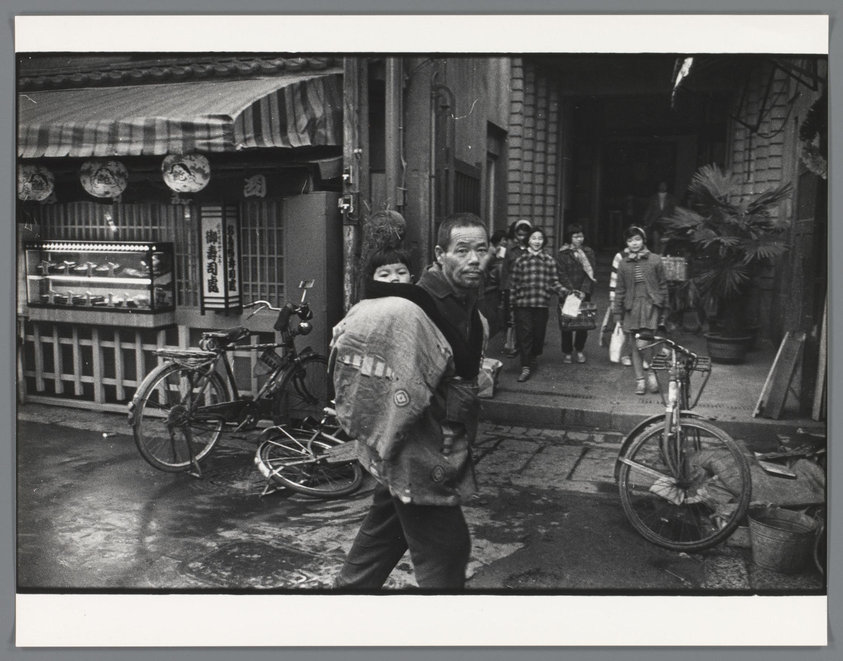
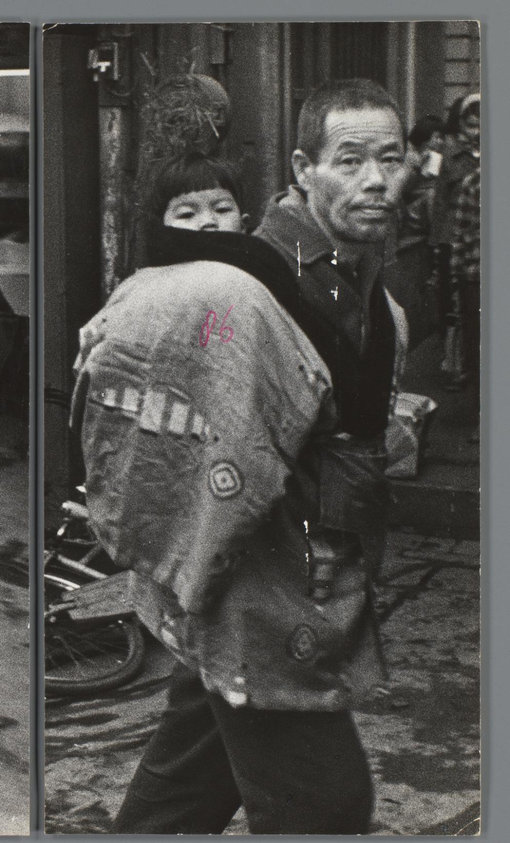
      Man met peuter op de rug, Osaka
      Fragment of a doorpost
      Fragment textiel
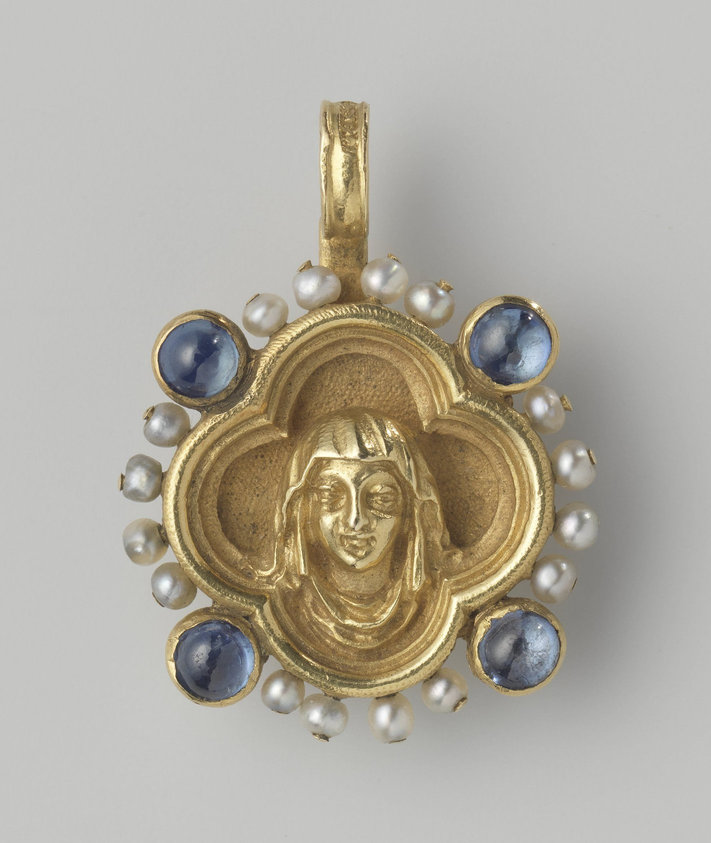
      Collier met hanger
      Swivel musketoon
      Cabinet of a Militia Company
      Duits liefdespenninkje
      Graven en gravinnen van Holland
      Man met peuter op de rug, Osaka
      Fragment of a doorpost
      Fragment textiel
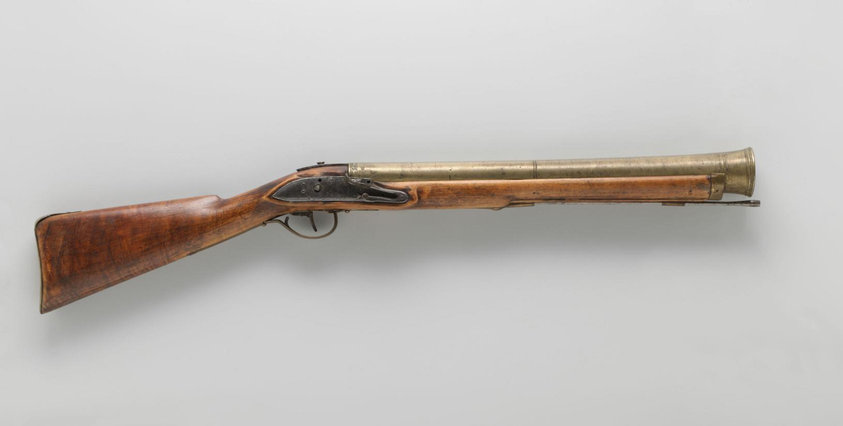
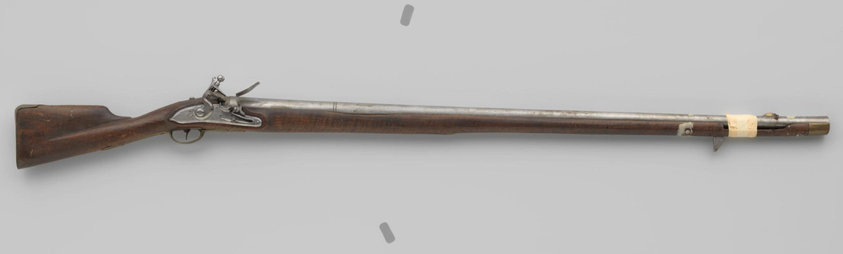
      Flintlock rampart gun
      Kast van eikenhout met één-deurs bovenkast en tweedeurs onderkast
      Beroemde blikken op de Oostelijke hoofdstad
      Vijfentwintigjarig regeringsjubileum van Koning Willem III 1874
      Portret van Floris I, graaf van Holland
      Man met peuter op de rug, Osaka
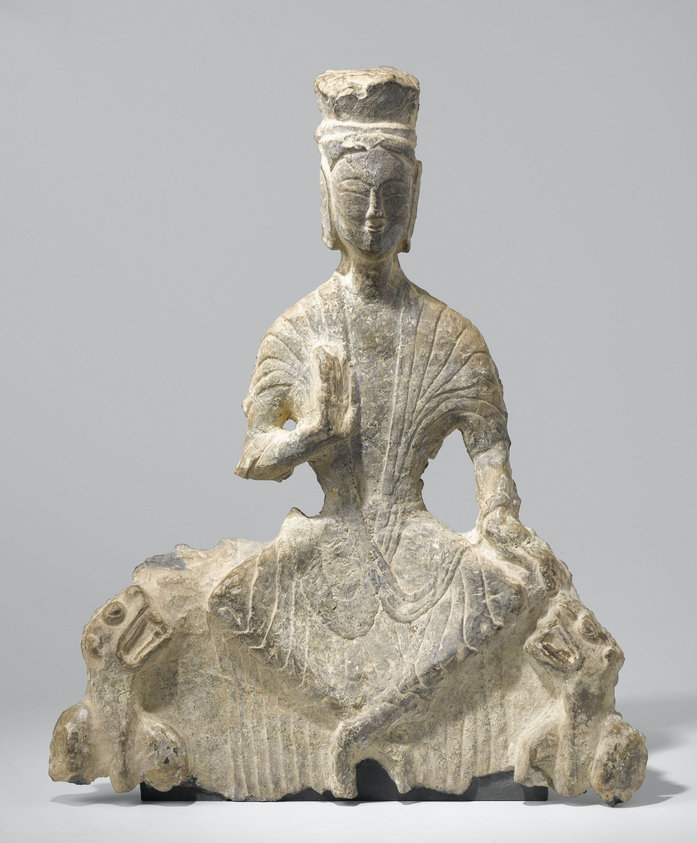
      The bodhisattva Maitreya
      Lontslotmusket met vuursteenslot uit latere periode
      Cupboard
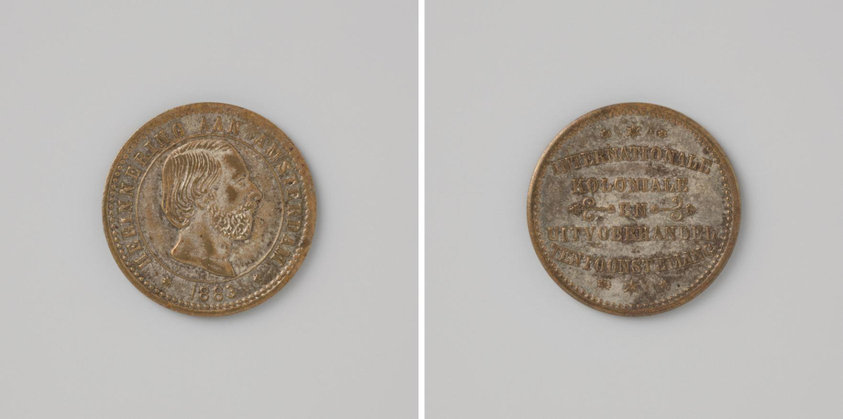
      Internationale Koloniale en Uitvoerhandel-Tentoonstelling te Amsterdam 1883
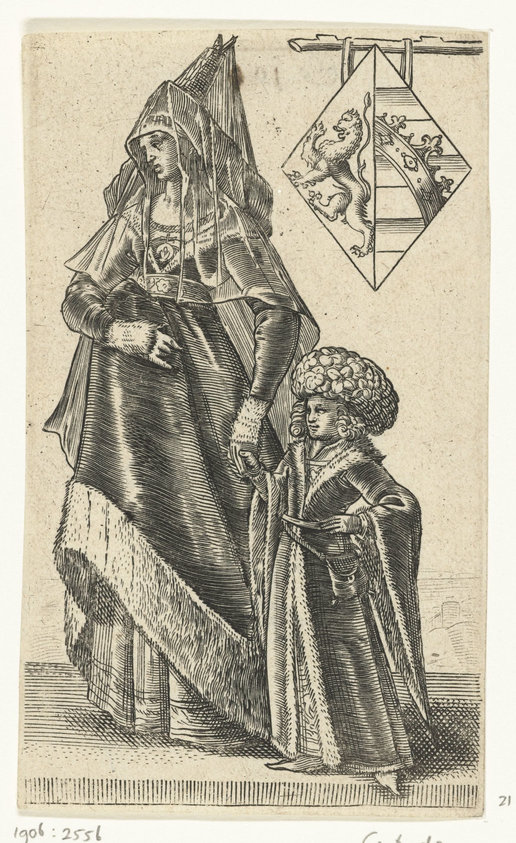
      Portret van Geertruida van Saksen
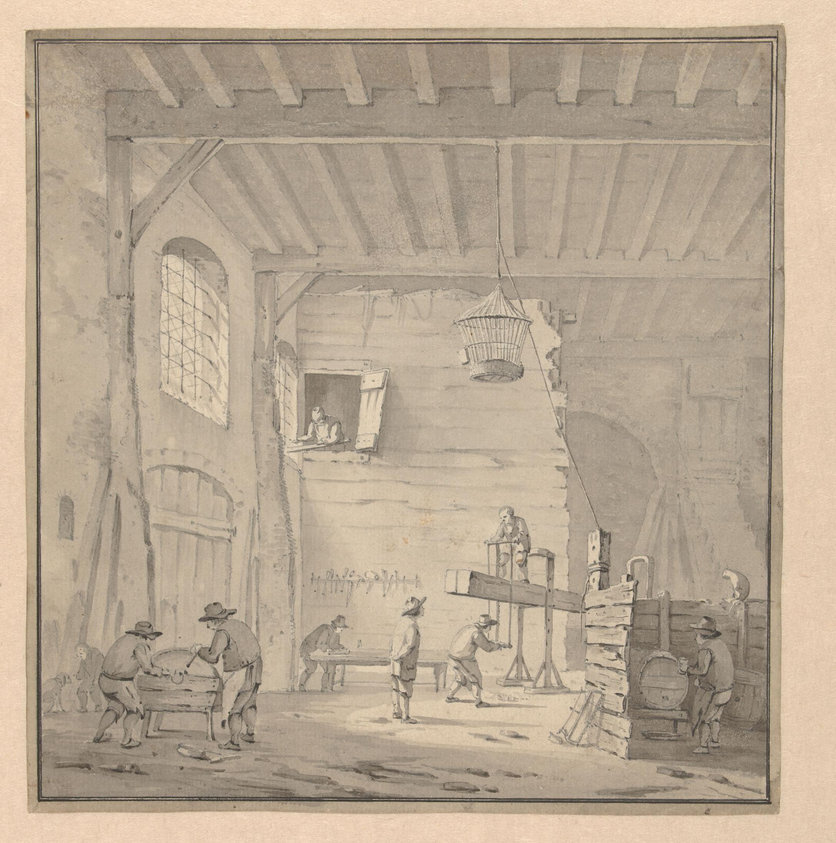
      Interieur van een timmermanswerkplaats
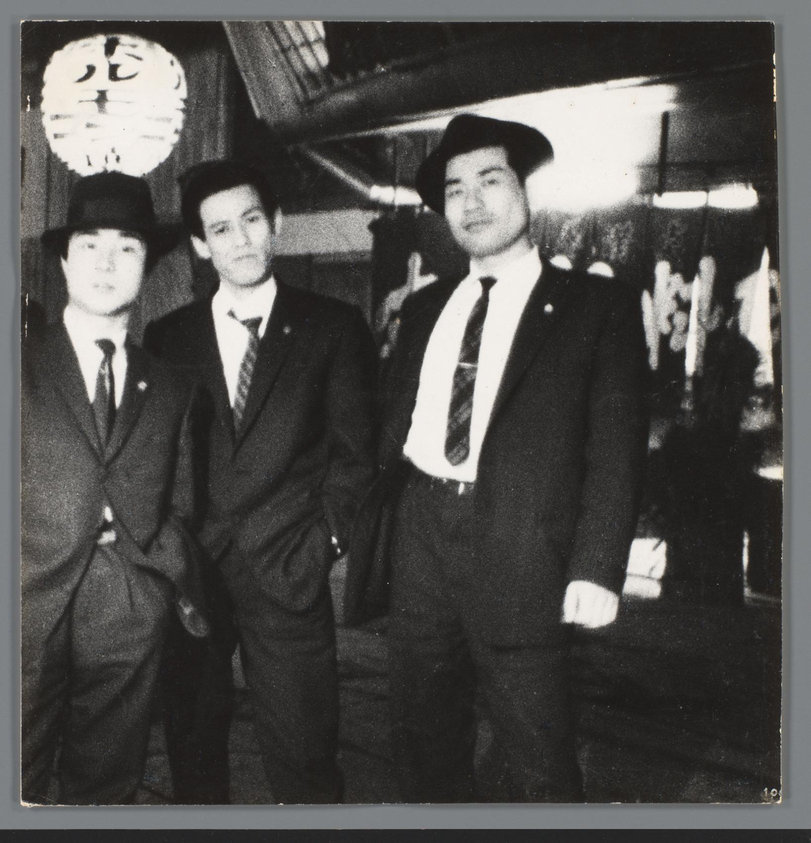
      Portret van drie onbekende Yakuza-mannen in Kamagasaki, Osaka
      Head of the Buddha
      Cylindrical covered jar on foot with precious objects and antiquities
      Hanger op voetstuk met Amphitrite op een dolfijn
      Vuursteen donderbus
      Kast met het wapen Alberda
      Grensafbakening in Yperen 1777
      Grafmonument met alliantiewapen en vier kwartierwapens
      Twee Yakuza-leden op straat in Kamagasaki, Osaka
      Ovoid covered jar with flower scrolls in lappet borders
      Makara-shaped Pendant
      Corsesca
      Kast, kussenkast met kapitelen met cherubs. Kussens met festoenen
      Gezicht op bolwerk Westerbeer
      Heavenly beauty
      Covered cylindrical beaker with leaf-motif
      Hanger in de vorm van een kruis
      Paardenschender of gleve
      Commode
      Brandspuitpenning van Amsterdam, wijk 7 nummer D4
      The Adoration of the Magi
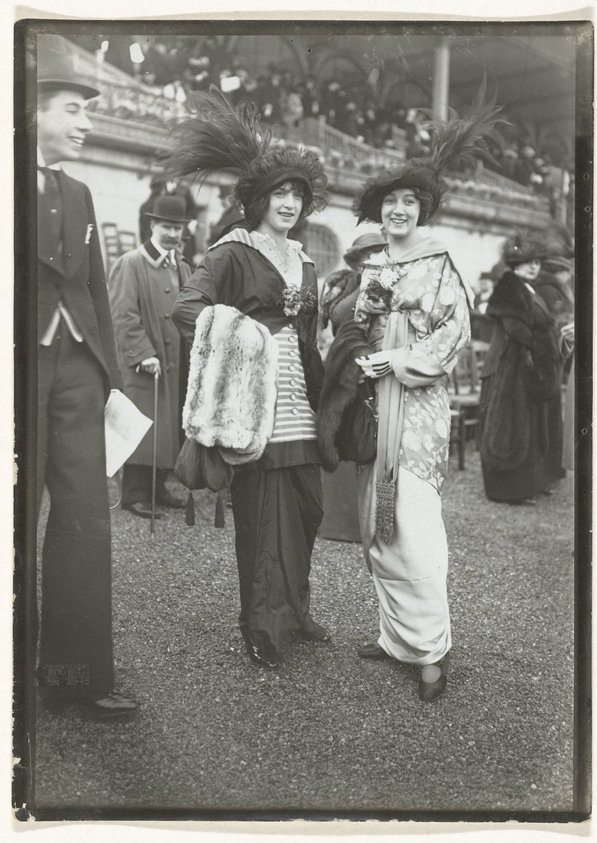
      Twee vrouwen tussen publiek tijdens paardenraces, Hippodrome de Longchamp in het Bois de Boulogne
      The bodhisattva Maitreya
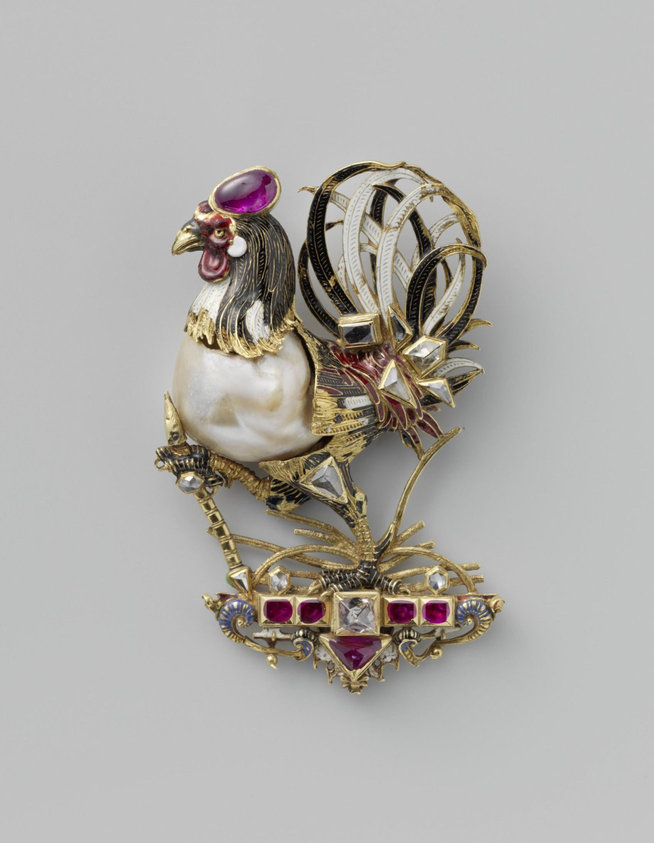
      Pendant in the form of a cock
      Walbus met vuursteenslot
      Mirrored cabinet
      A bodhisattva
      Siermes
      Cupboard
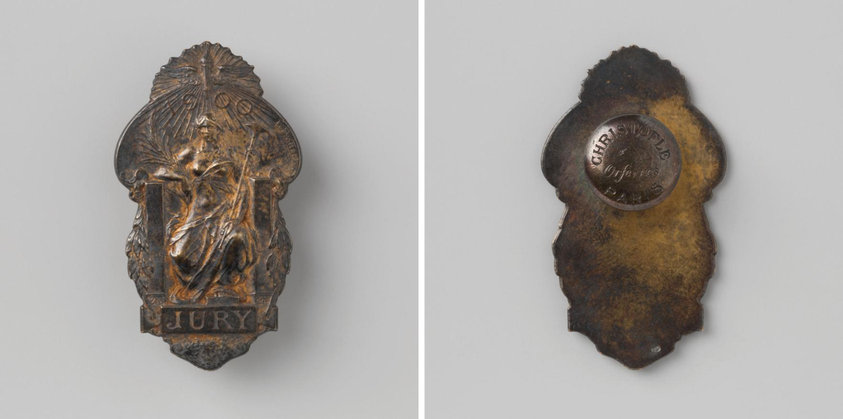
      Franse button voor juryleden bij onbekende gelegenheid, 1900
      Fragment van een muurschildering
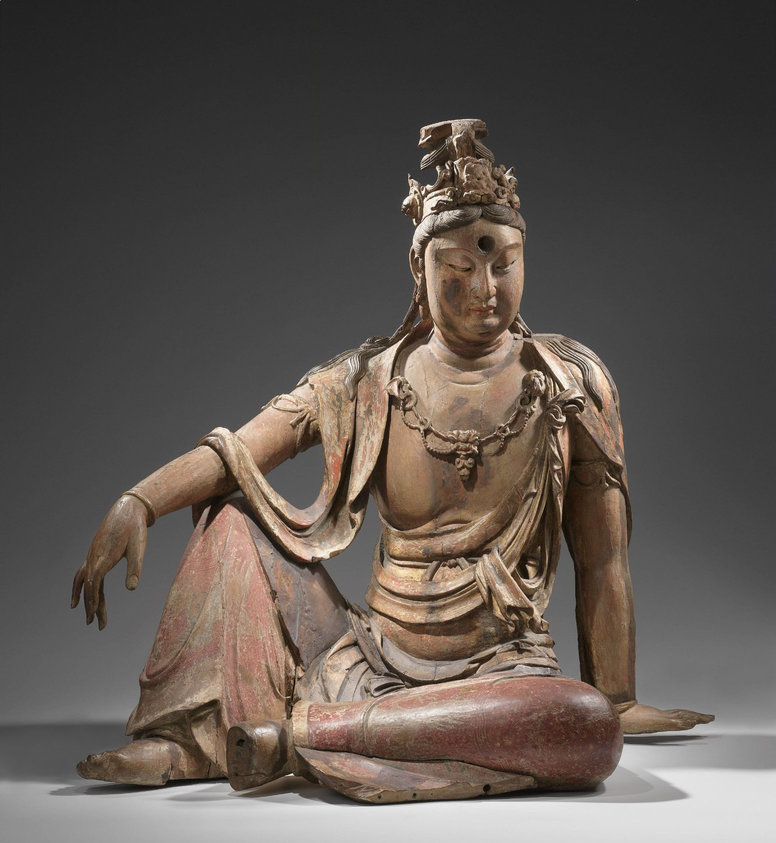
      Guanyin
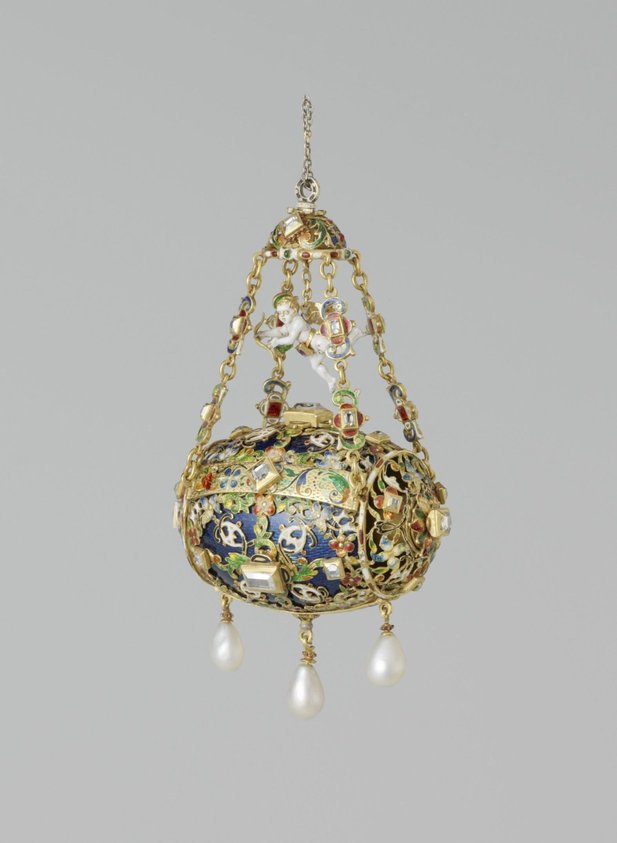
      Hanger in de vorm van een reukbal
      Donderbus buitgemaakt op Lombok in 1894
      Cabinet Decorated with Episodes from the Parable of the Prodigal Son
      Honderd gezichten op de berg Fuji - deel drie
      Draagteken van de Illustere Lieve Vrouwen Broederschap te 's Hertogenbosch
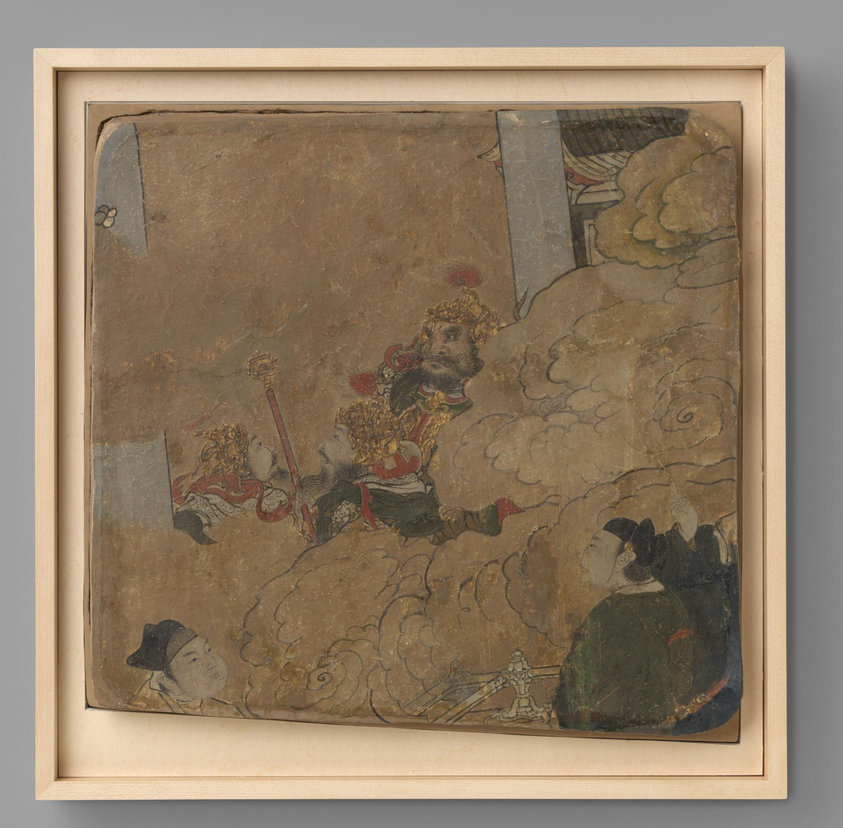
      Ingelijste muurschildering voorstellende Xiwangmu en dienaressen
      Torso of a goddess
      Musketoon
      Cabinet
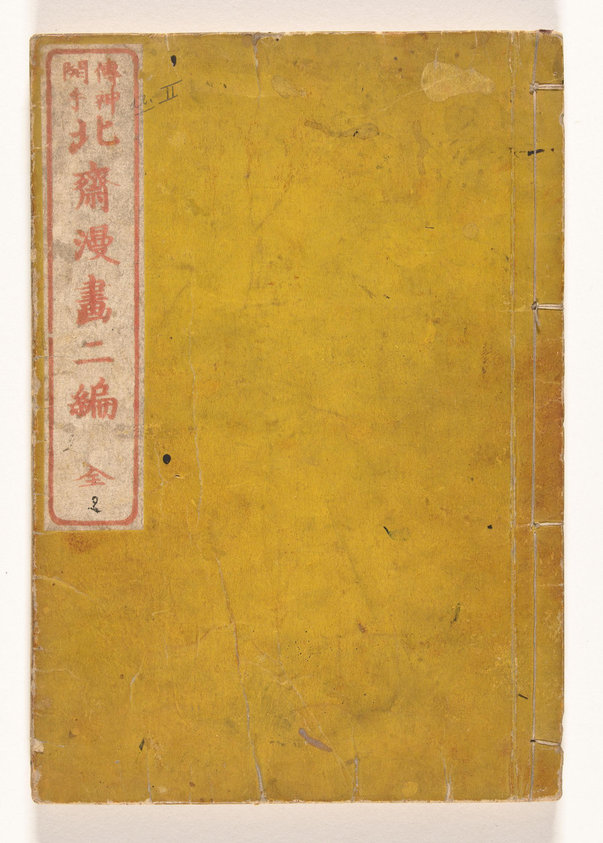
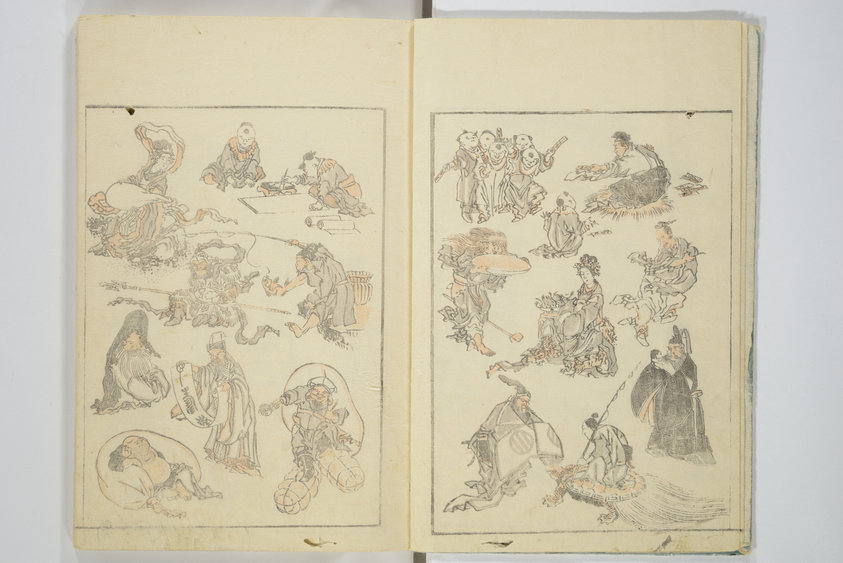
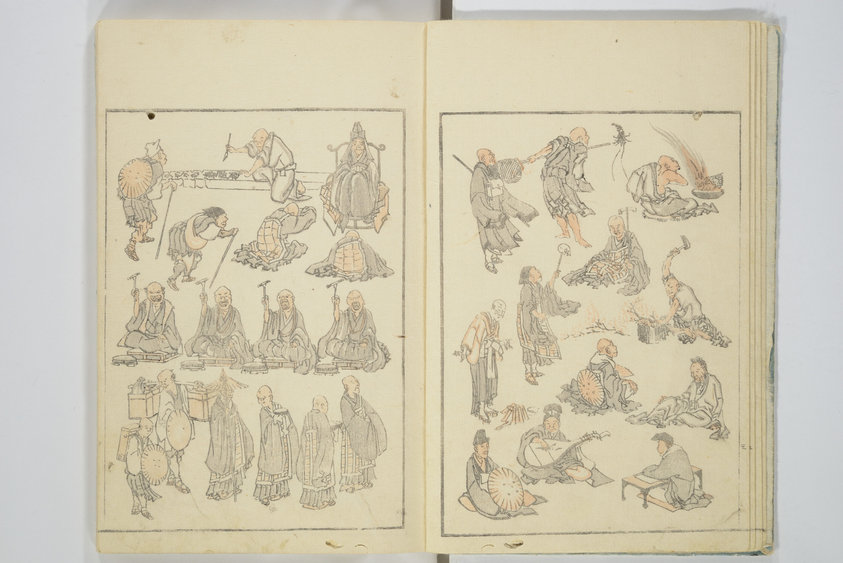
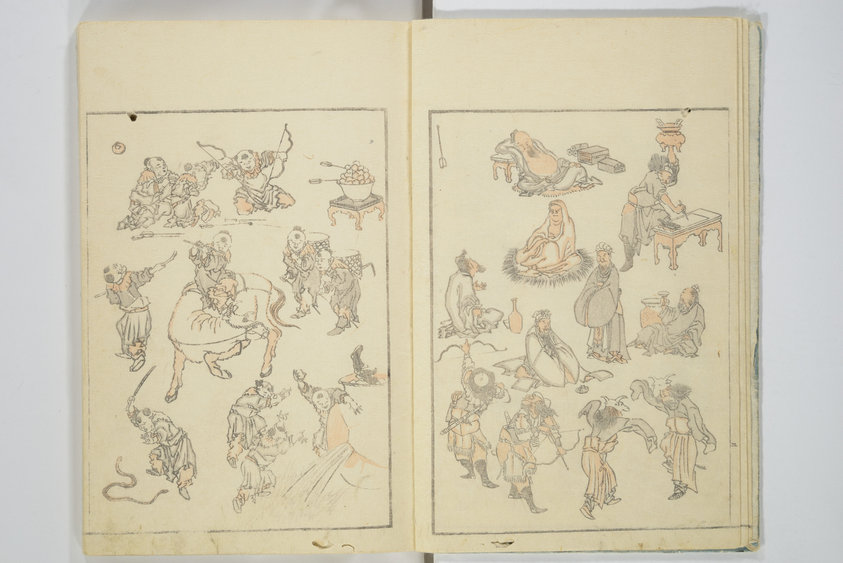
      Denshin kaishu Hokusai manga nihen
      Sleeping Vishnu
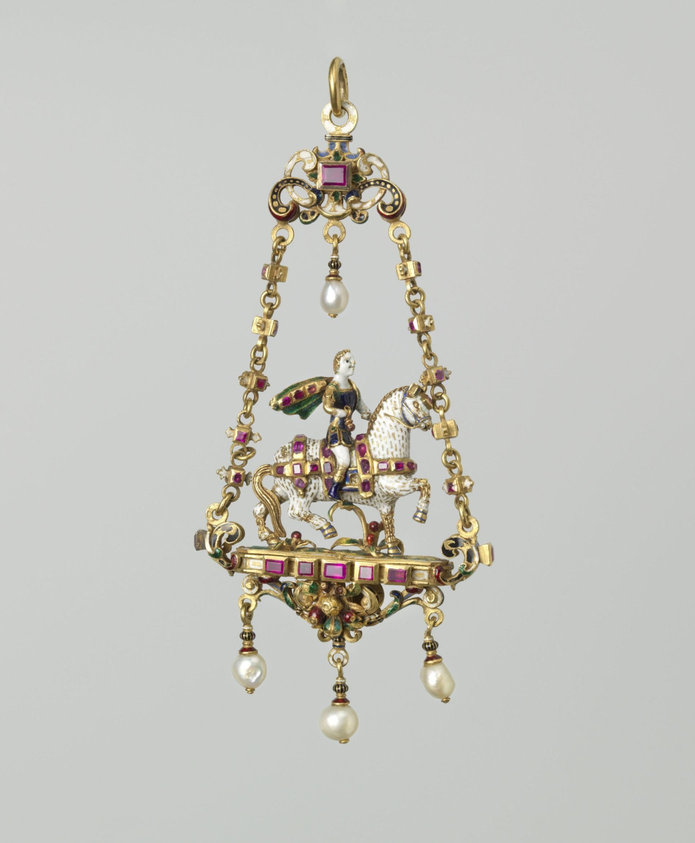
      Hanger met ruiter op postament
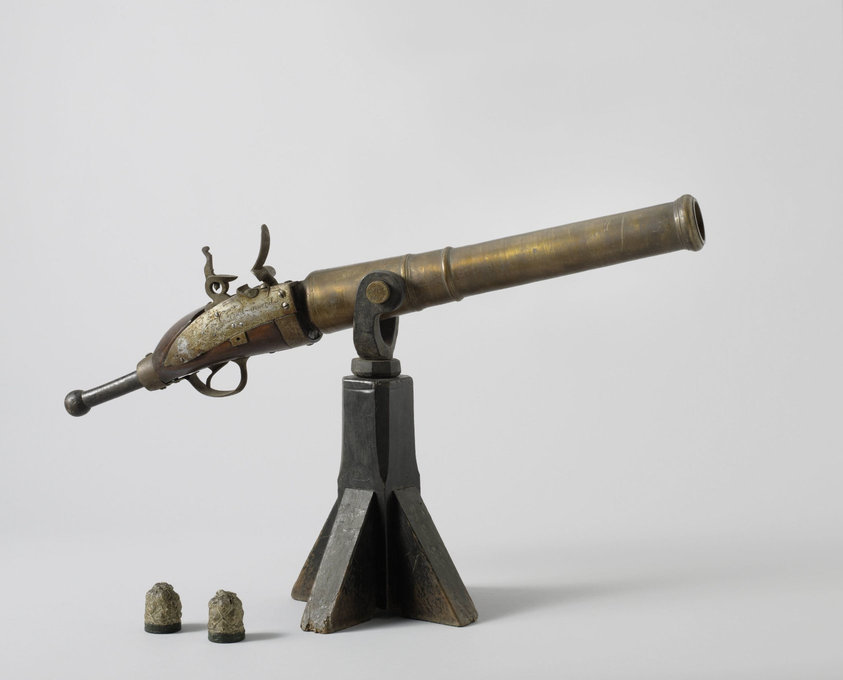
      Swivel Gun and Two Charges of Grape Shot
      Collector’s cabinet
      Schetsen van Hokusai - deel 5
      Engelse penning op het huwelijk van de Prince of Wales met Alexandra van Denemarken 1863
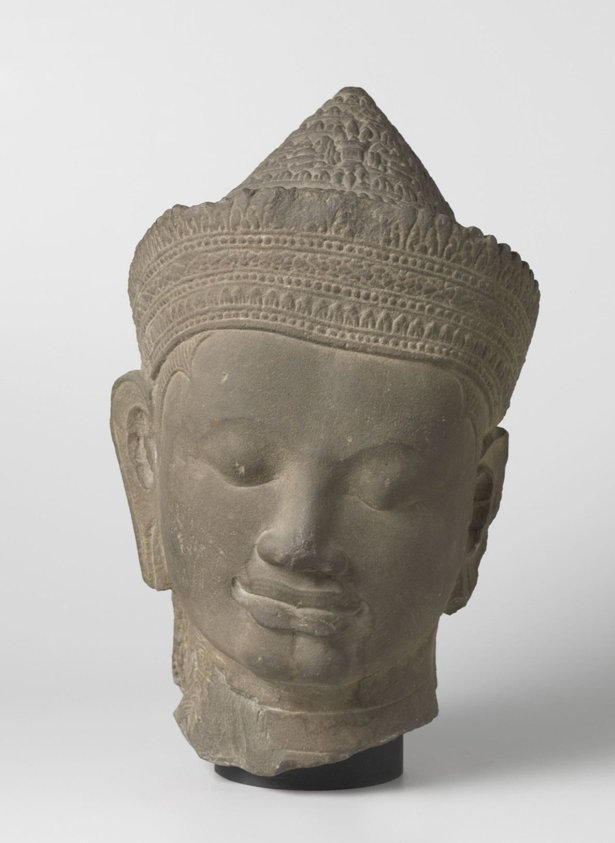
      Head of a deity with four faces
      Hanger met cachet met de Dood
      Two Musketoons
      Cabinet
      Fan painting with river landscape
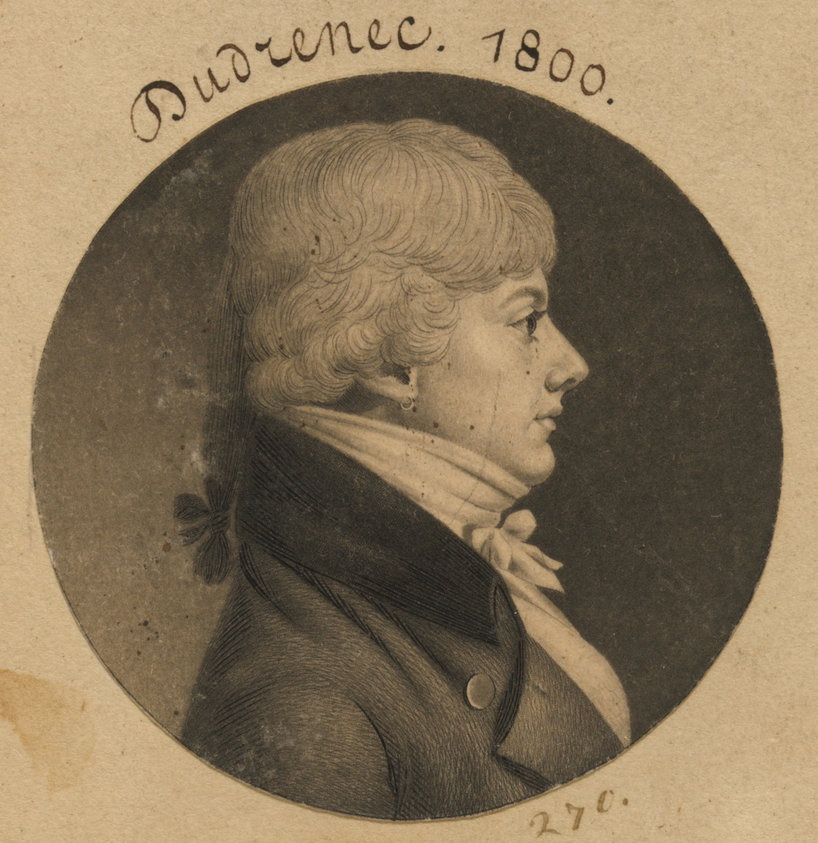
      Dudrenec
      John Samuel Sherburne
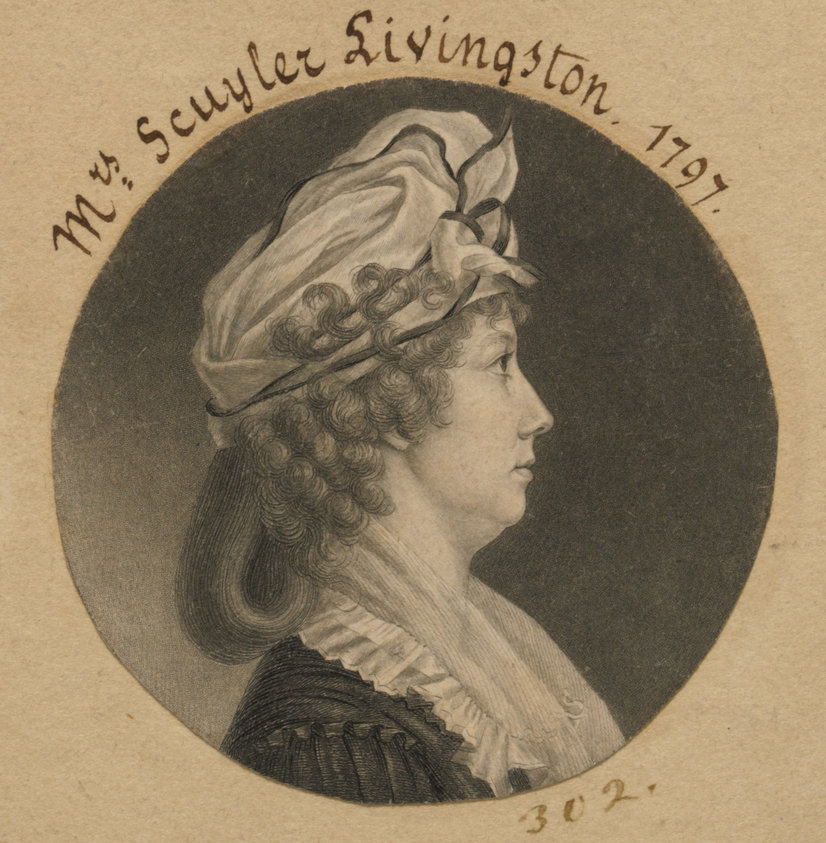
      Eliza Barclay Livingston
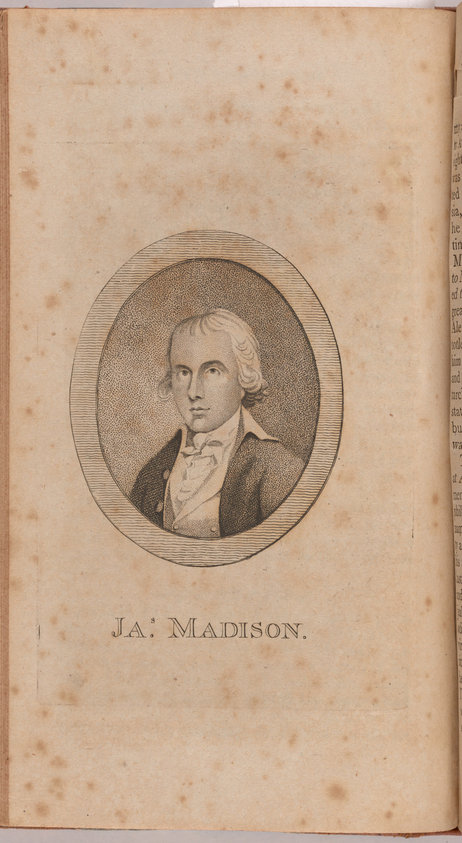
      James Madison
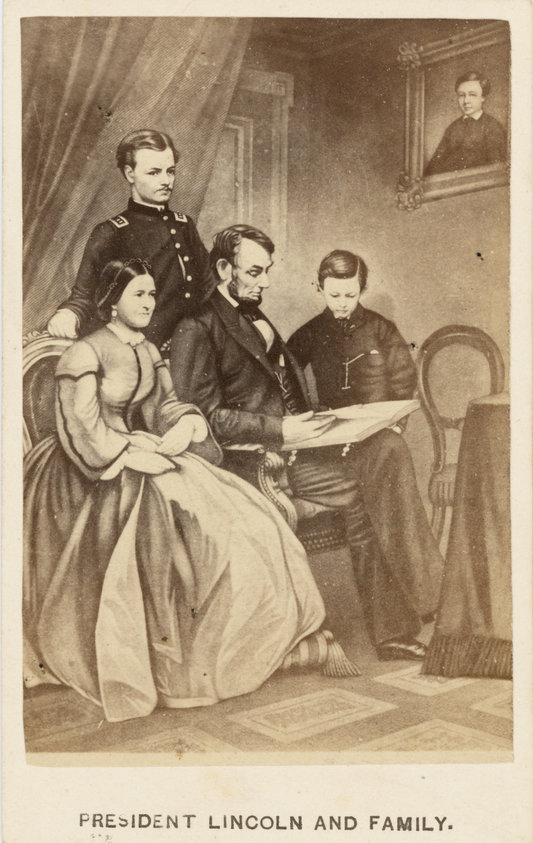
      Abraham Lincoln and Family
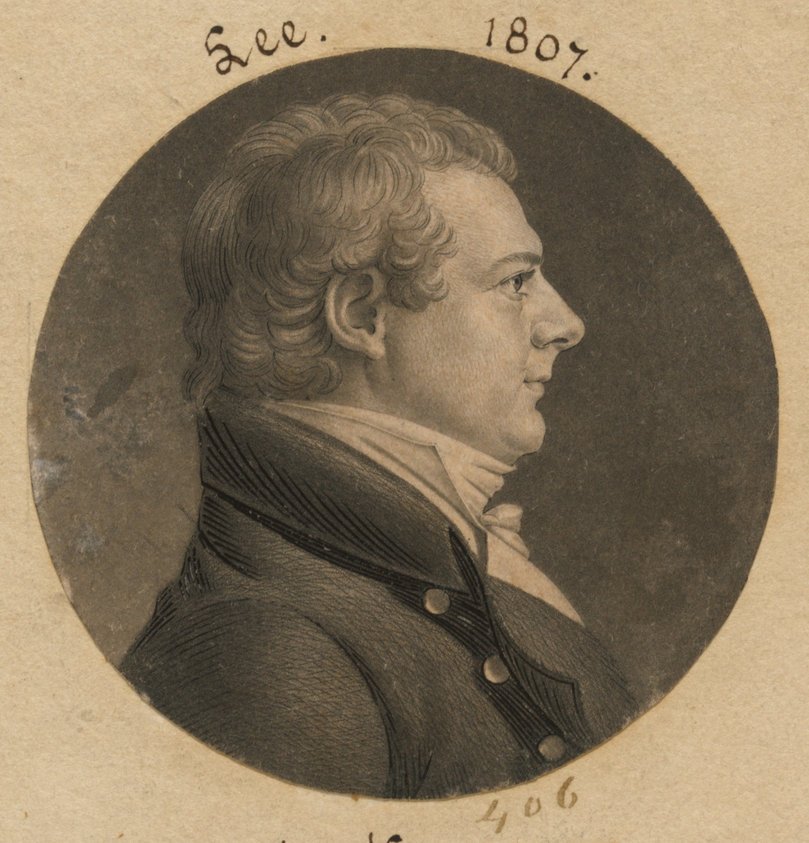
      William Lee
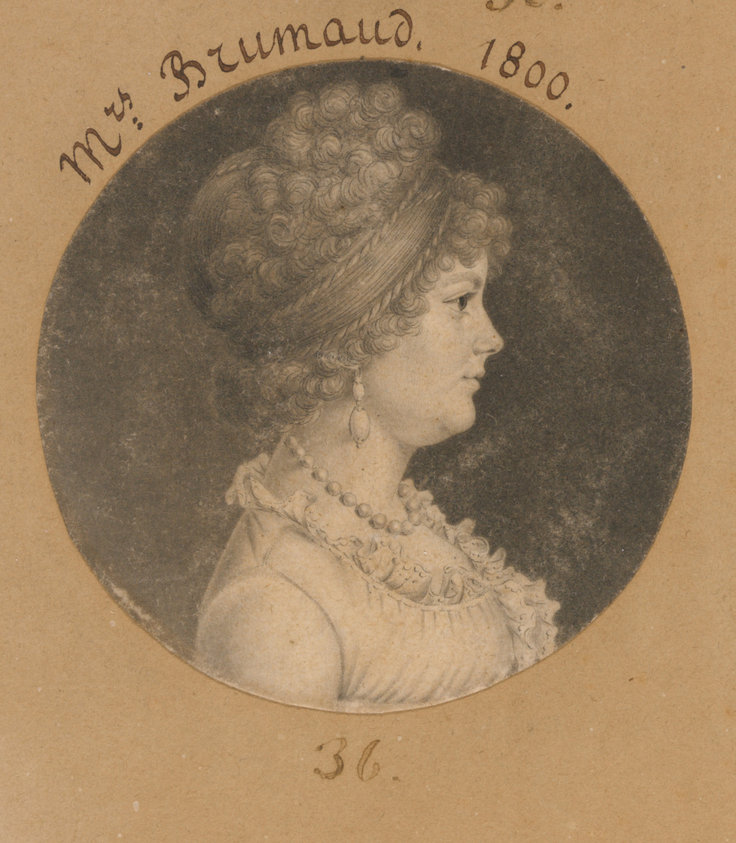
      Mrs. Brumaud
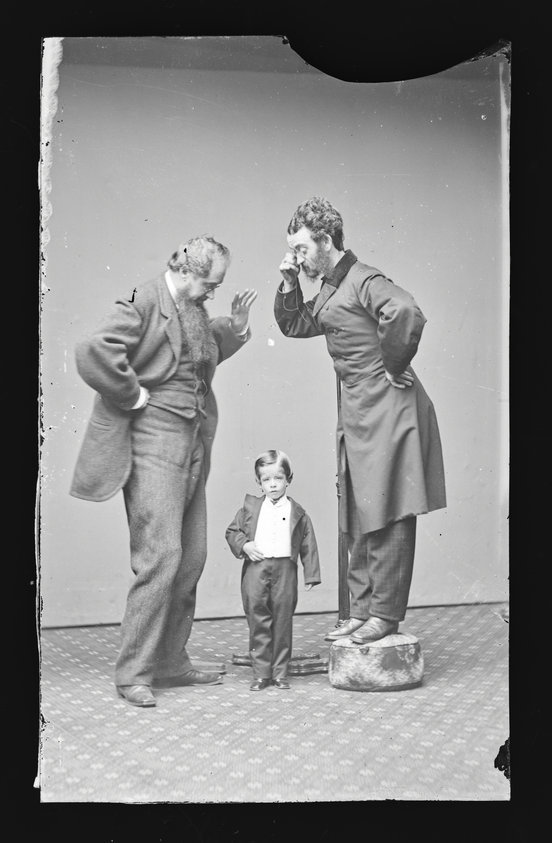
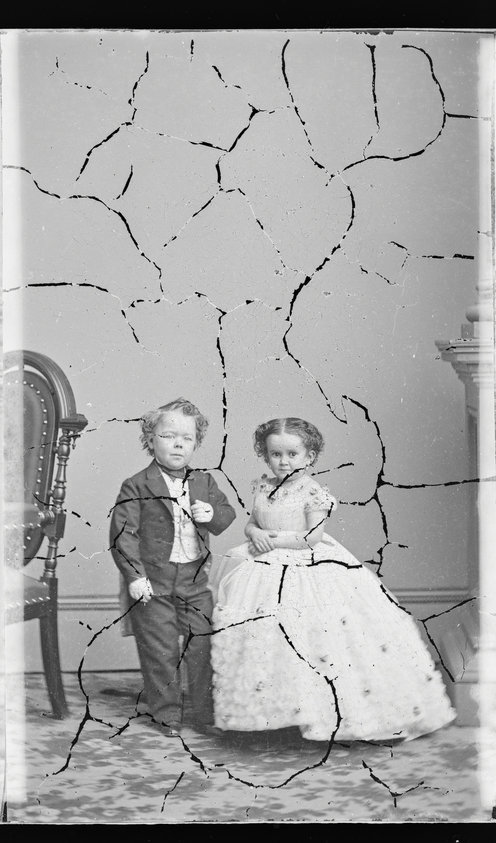
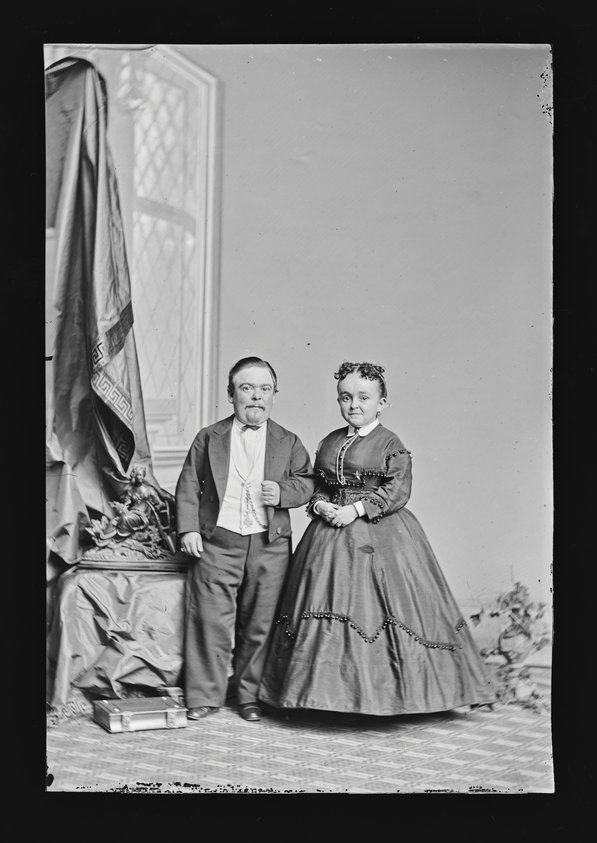
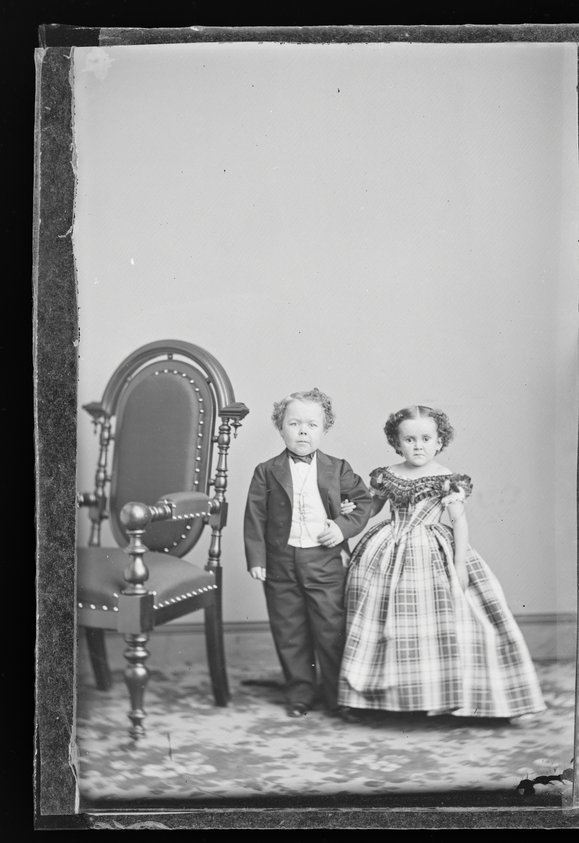
      Lilliputian King, with John Drummond and Professor Cromwell
      Henry B. Nones
      John F. Gray
      Samuel L. Breese
      Clara Louise Kellogg
      Lyman Trumbull
      Alexander Hamilton
      Harold Lloyd
      Edward Sheriff Curtis Self-Portrait
      George U. Morris
      Alfred W. Ely
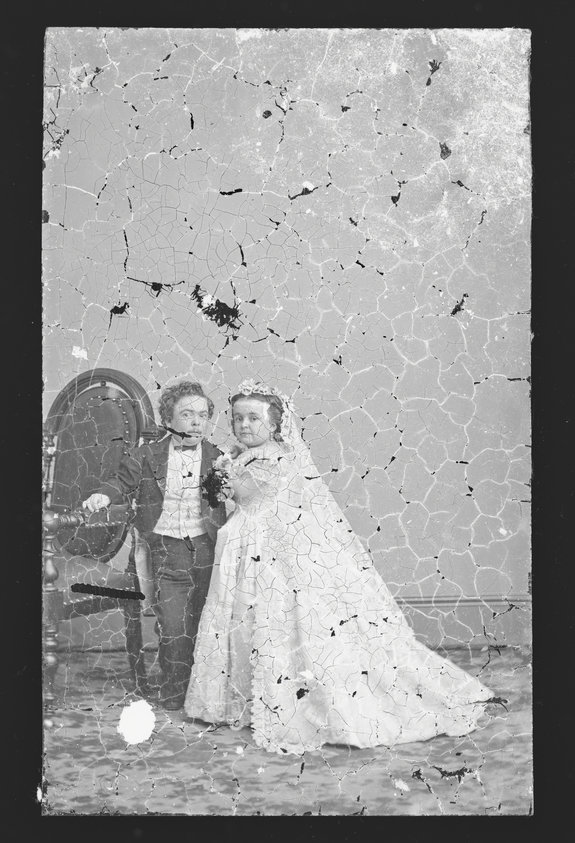
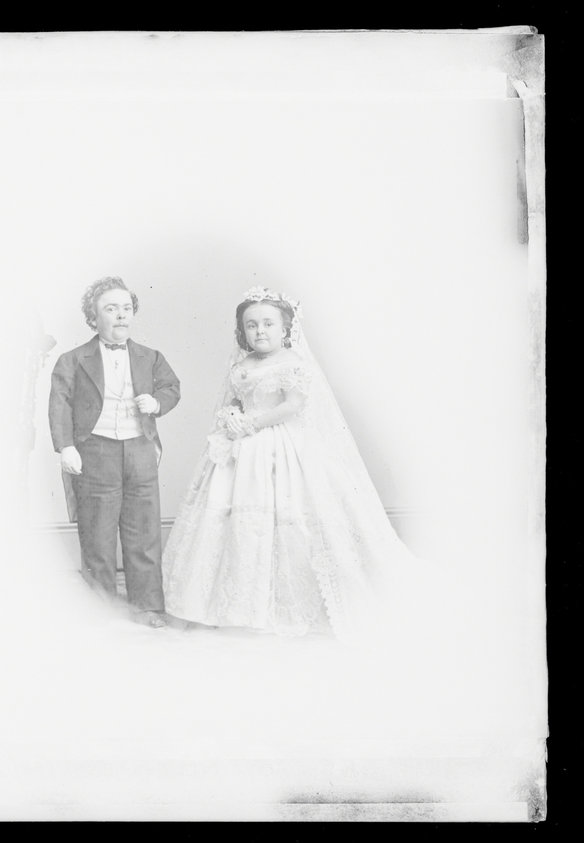
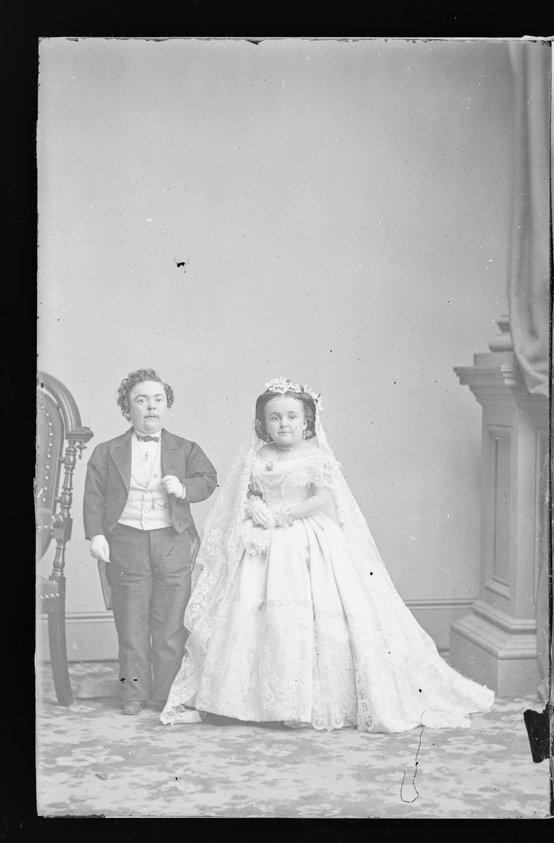
      G.W.M. Nutt and Minnie Warren
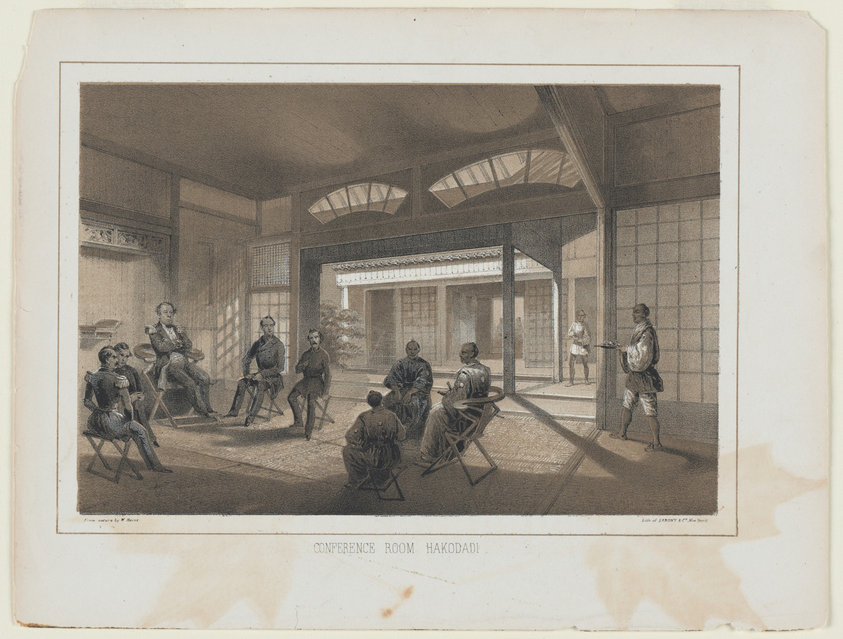
      Hakodadi Conference Room
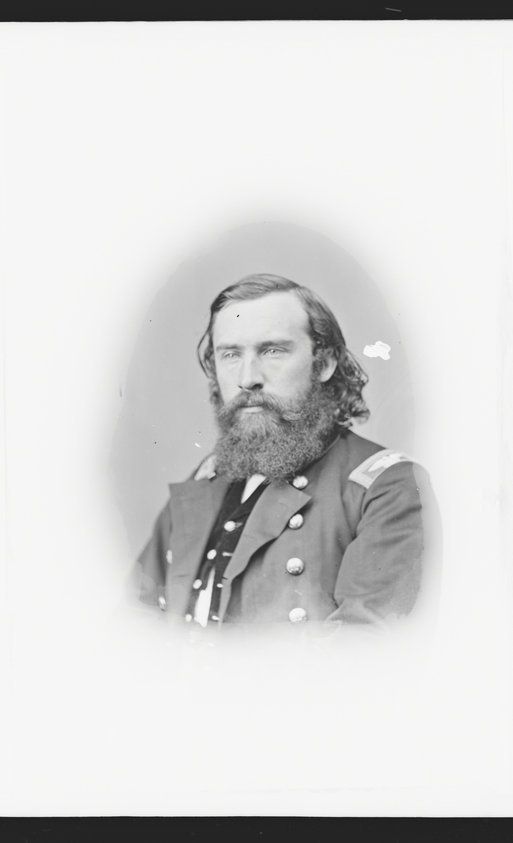
      James Longstreet
      Charles Kean
      Unidentified Man
      Philip Key
      Jessie Benton Frémont
      William Henry Harrison
      Unidentified Man
      John J. Crittenden
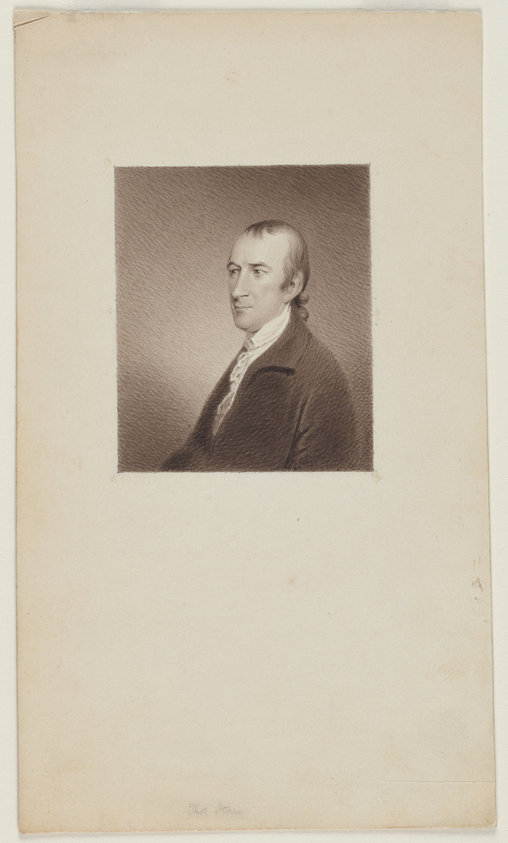
      Thomas Stone
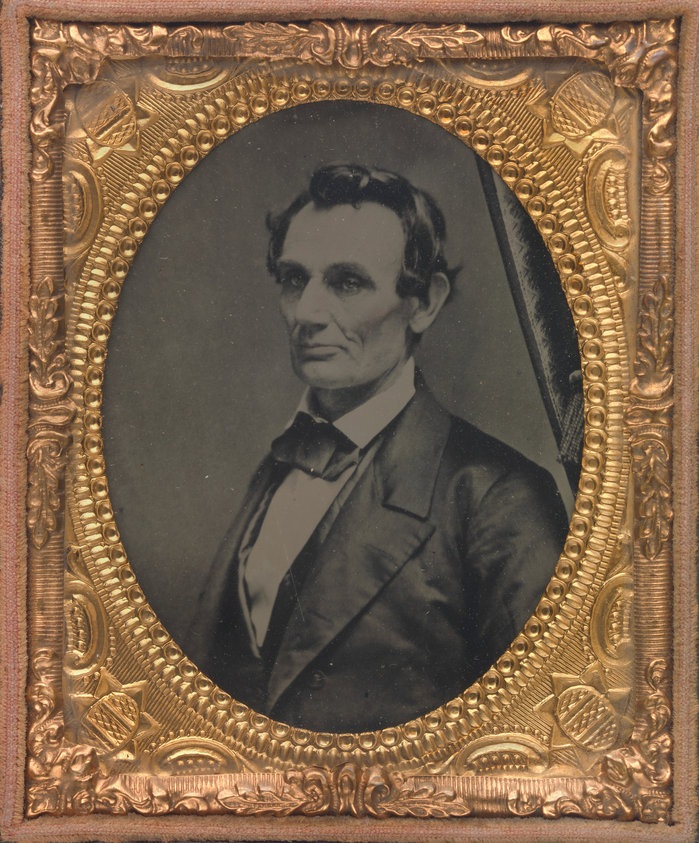
      Abraham Lincoln
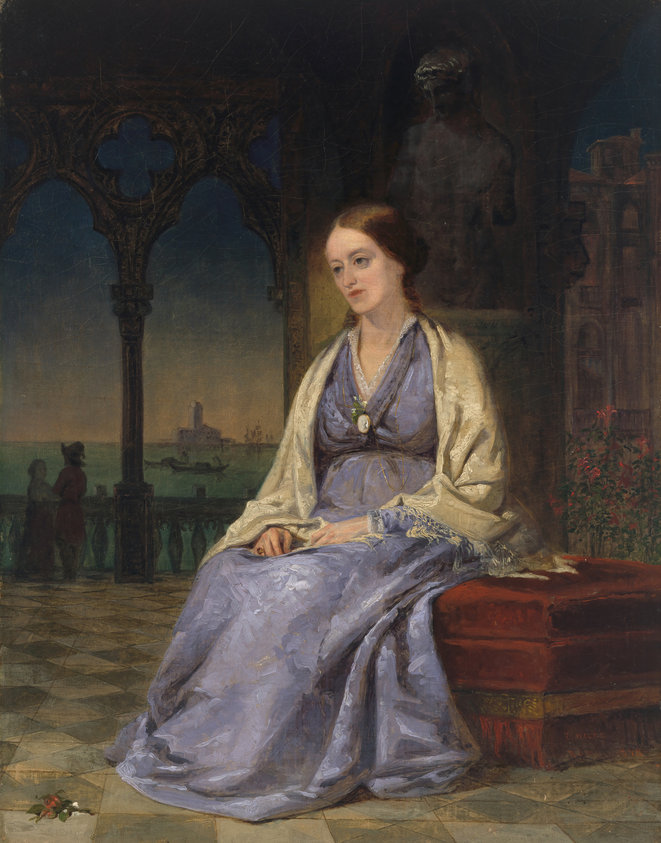
      Margaret Fuller
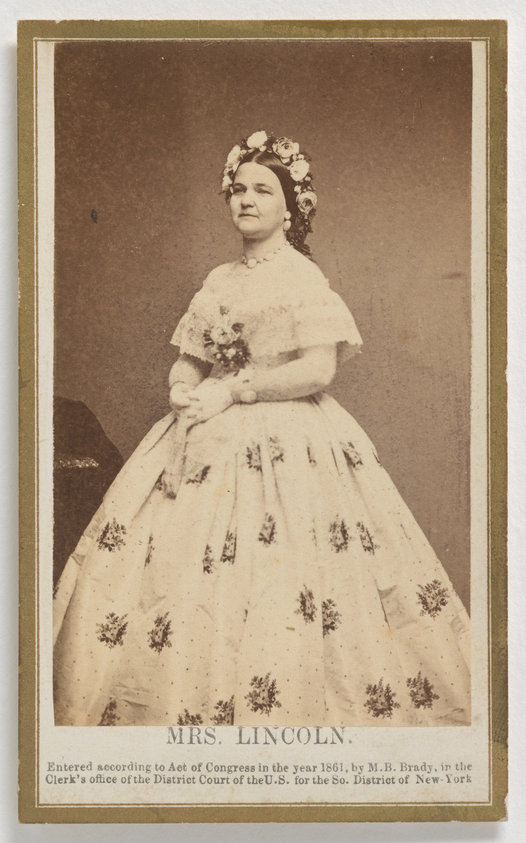
      Mary Todd Lincoln
      Unidentified Man
      Man of the Djard Family
      Unidentified Man
      Unidentified Woman
      Unidentified Woman
      Unidentified Man
      Charles Esteve Latil
      Mme. Bidetrenoulleau
      Unidentified Woman
      Unidentified Man
      Unidentified Man
      Alexander Campbell
      Robert E. Lee and Staff [G.W.C. Lee and Walter H. Taylor]
      Charles and Lavinia Stratton
      Schuyler Colfax
      Charles Meigs
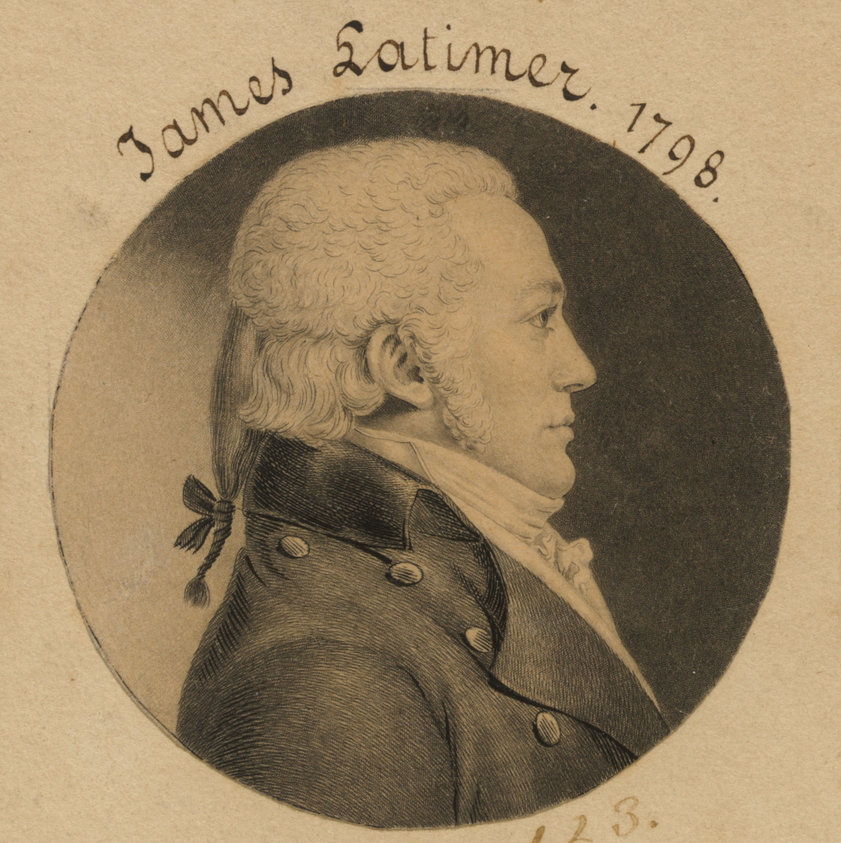
      James Latimer
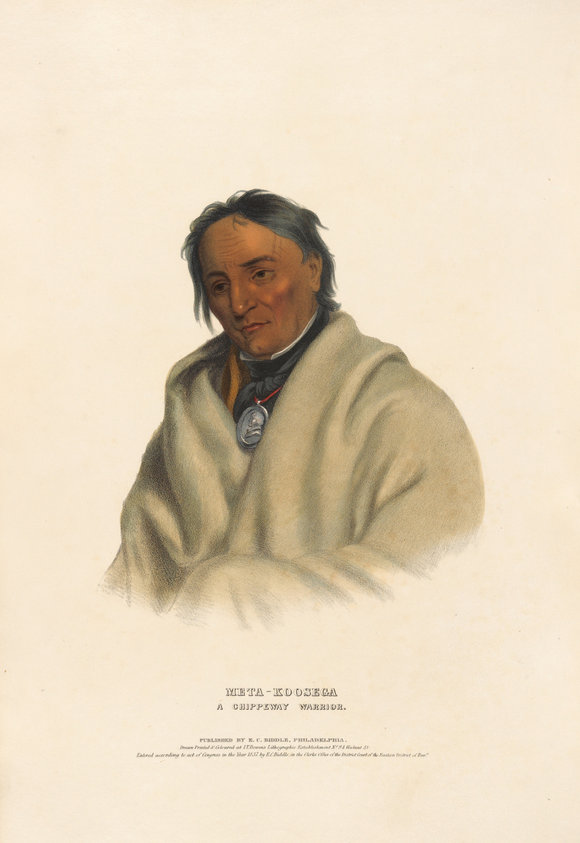
      Meta-koosega
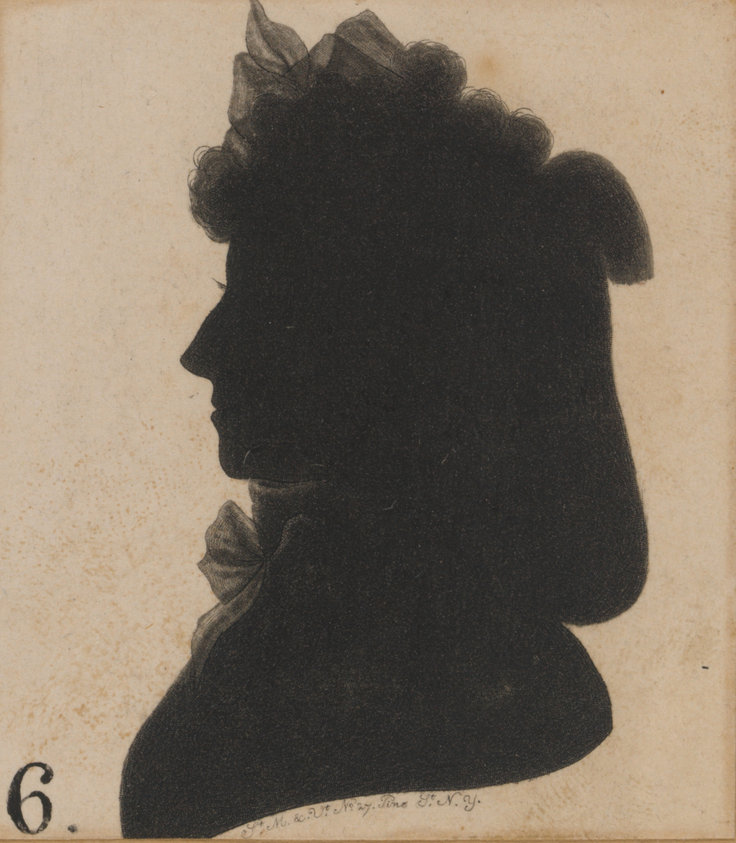
      Unidentified Woman
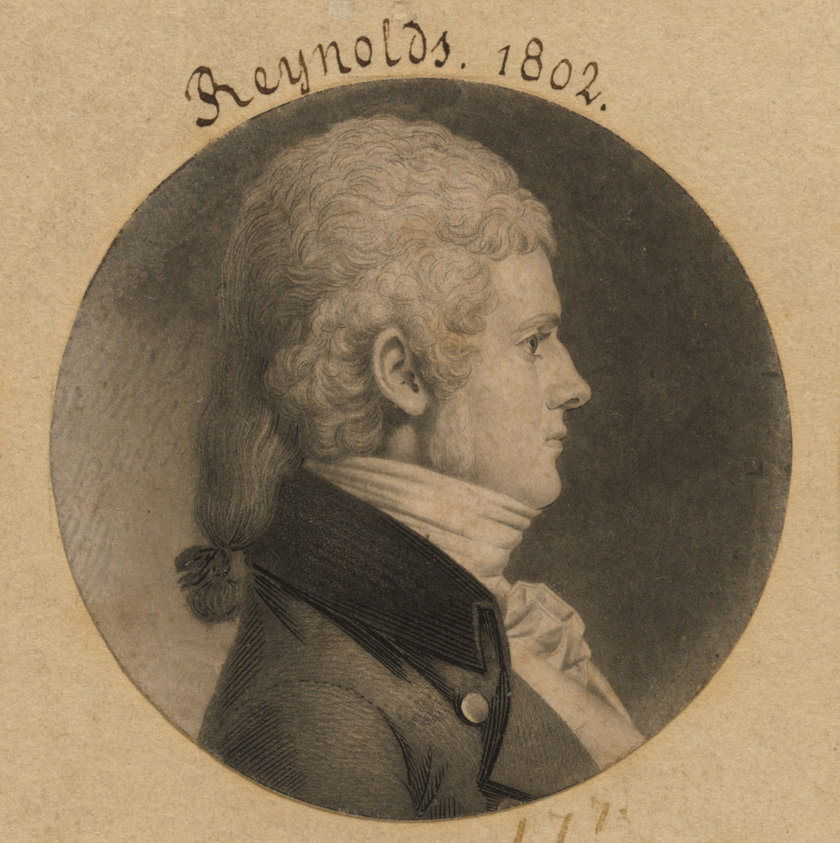
      John Reynolds
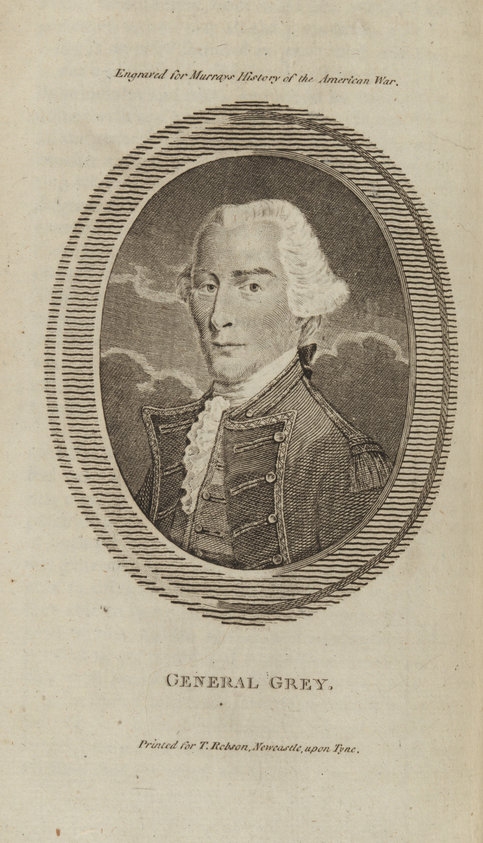
      1st Earl Charles Grey
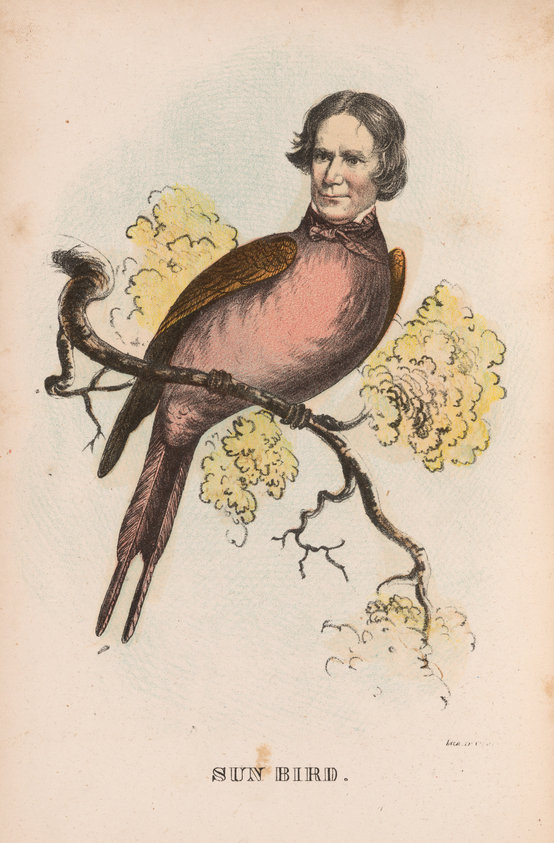
      Sun Bird
      Pungwuni
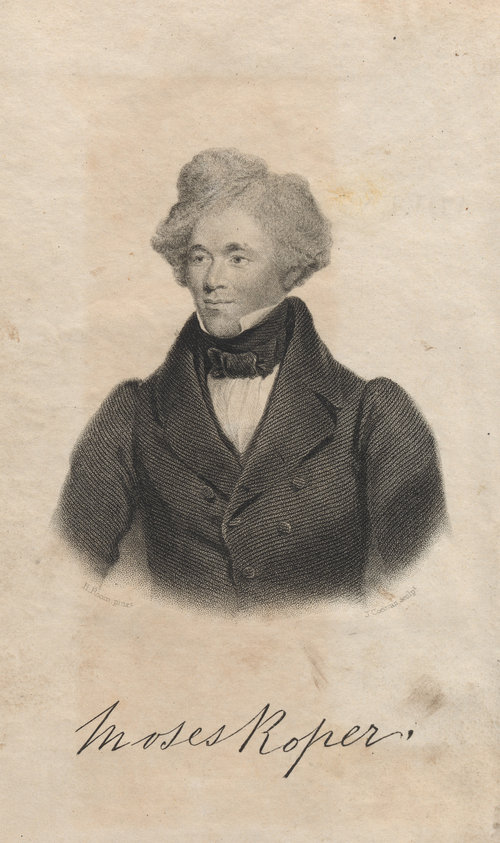
      Frontispiece to "A Narrative of the Adventures and Escape of Moses Roper, from American Slavery"
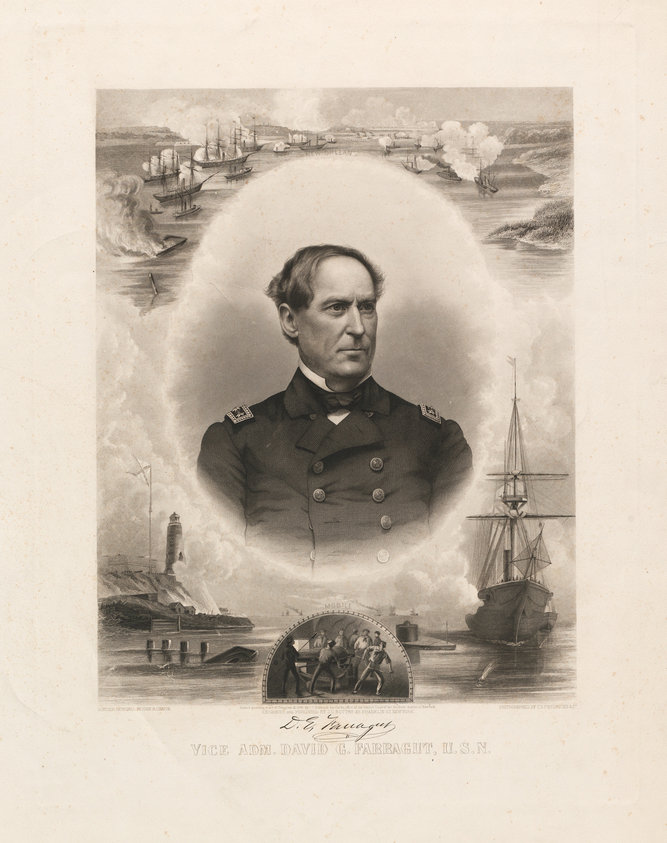
      David G. Farragut
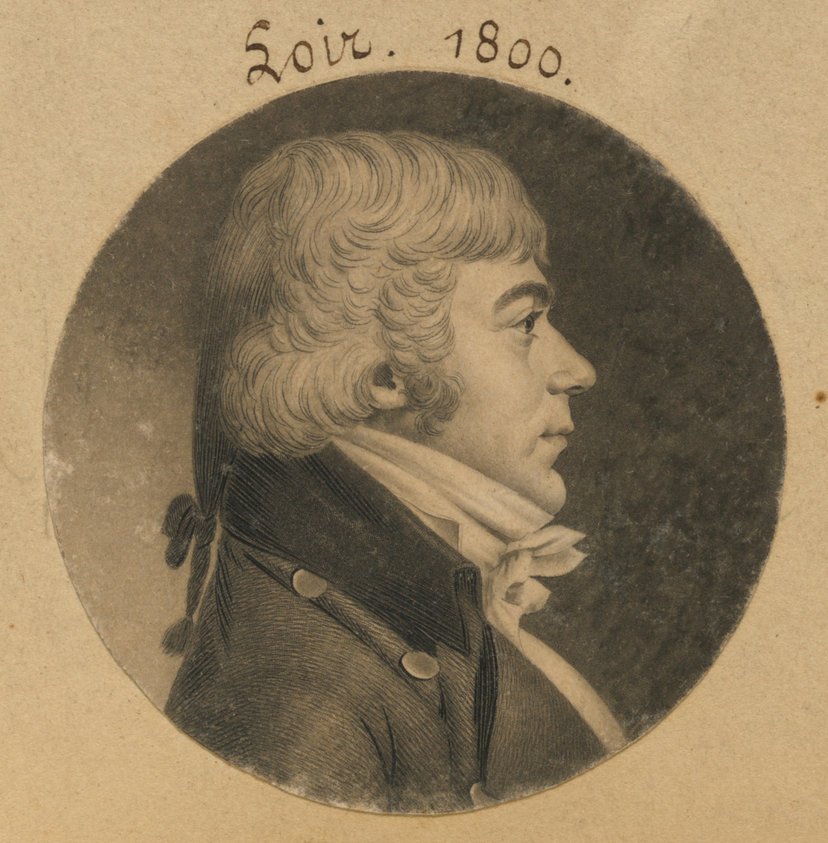
      J. B. Loir
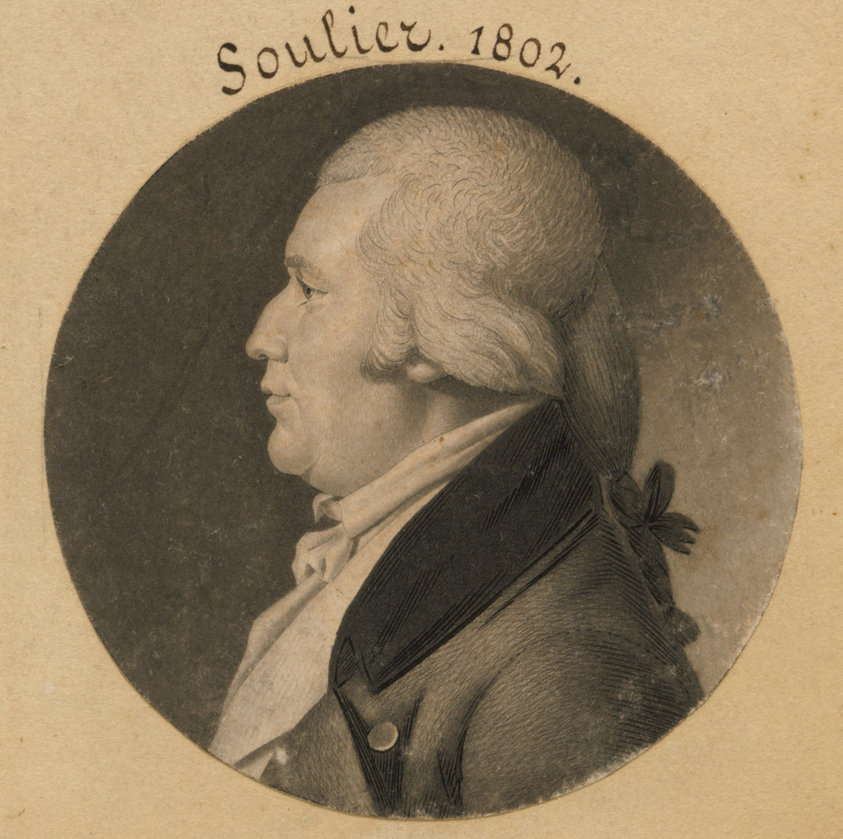
      Jean Marie Soulier
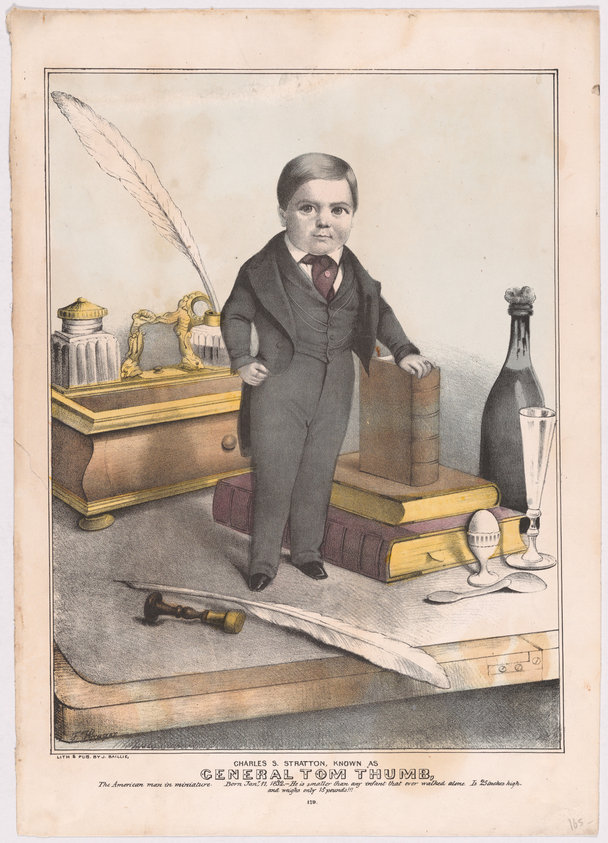
      Charles Sherwood Stratton
      Unidentified Man
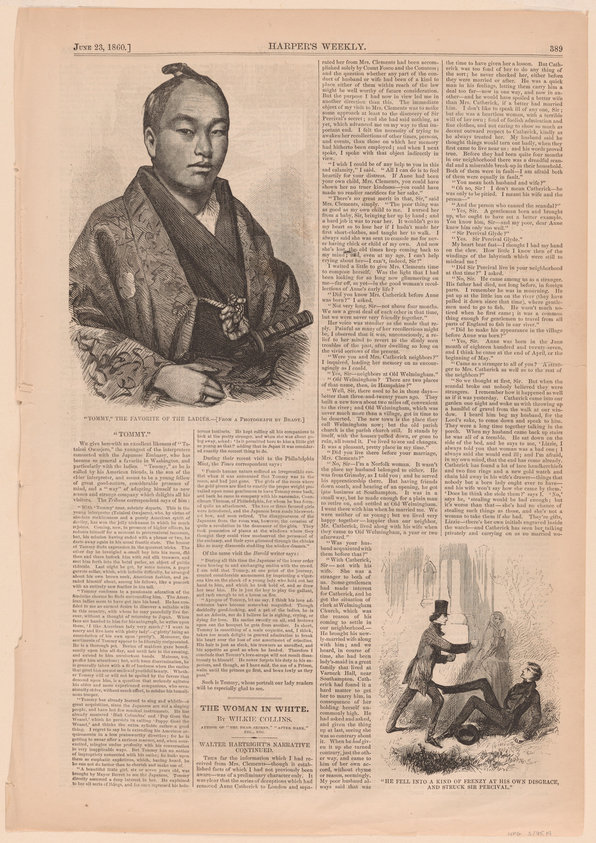
      Our Japanese Visitor "Tommy" Among the Ladies of Washington
      Unidentified Man
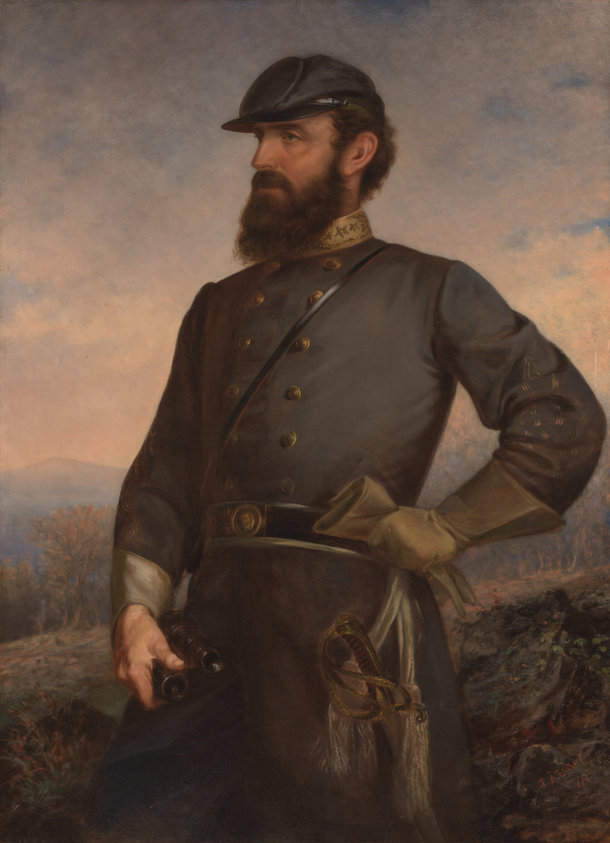
      Thomas Jonathan Jackson
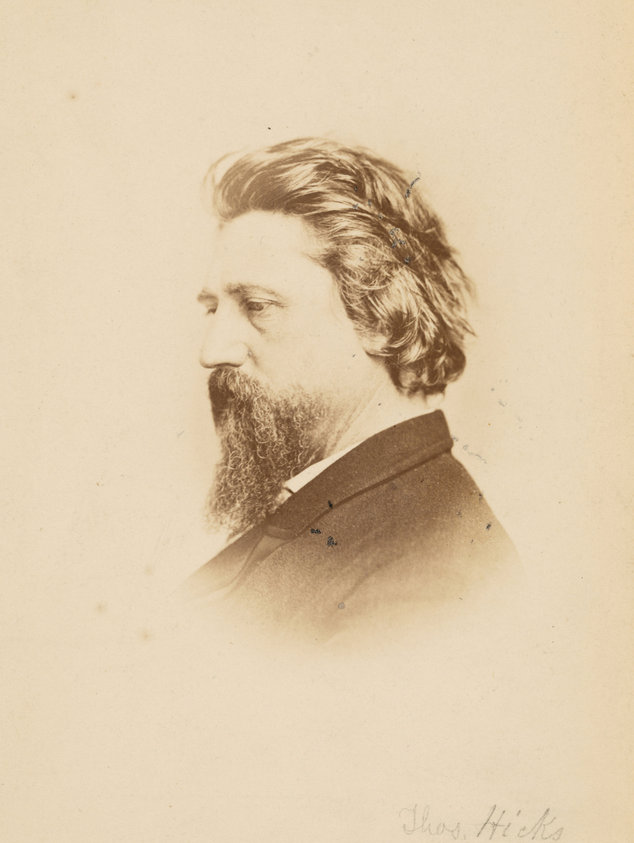
      Thomas Hicks
      Unidentified Man
      DeWitt Clinton
      John Milton Hay
      Unidentified Men
      Morgan Dix
      General Nathaniel Lyon
      Son of Prince de Joinville (Pierre Philippe Jean Marie d'Orleans)
      Solomon Robert Guggenheim
      James H. Lane
      Zachary Taylor
      Unidentified Woman
      Edward L. Davenport
      G.W.M. Nutt and Minnie Warren
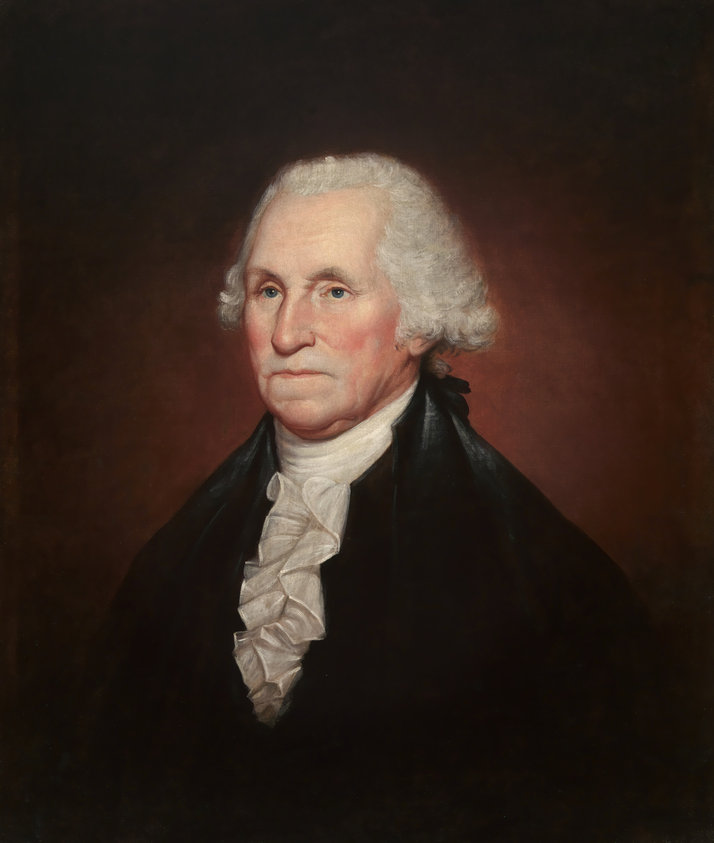
      George Washington
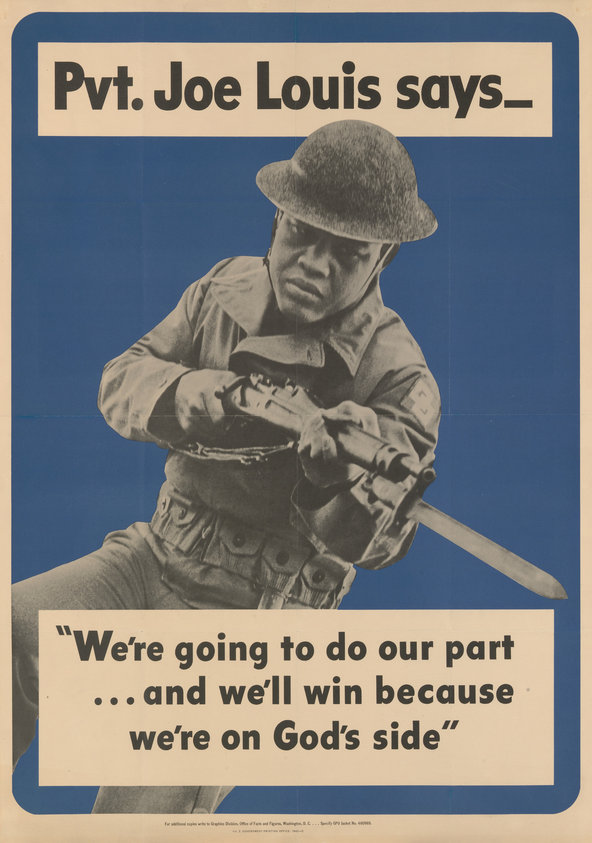
      Pvt. Joe Louis Says...
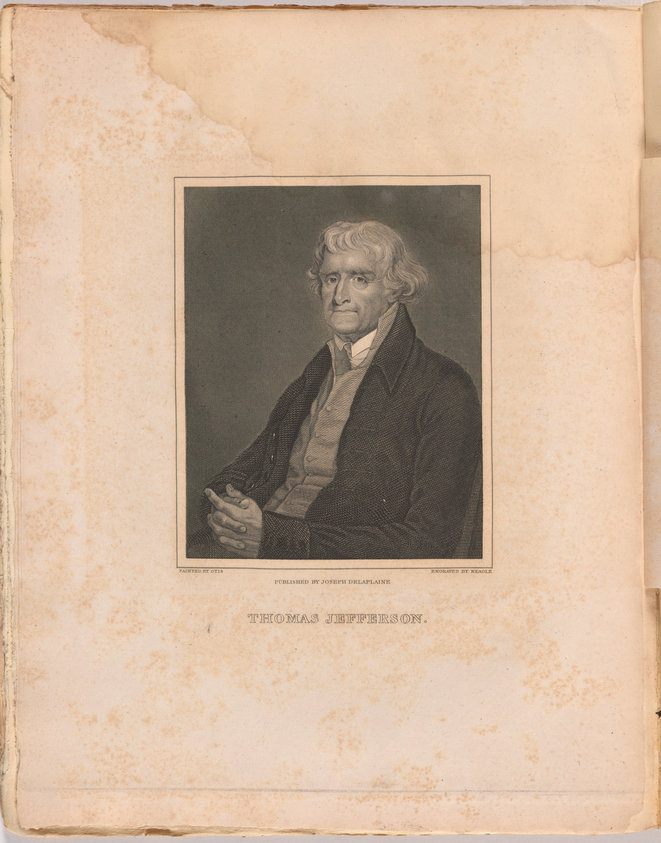
      Thomas Jefferson
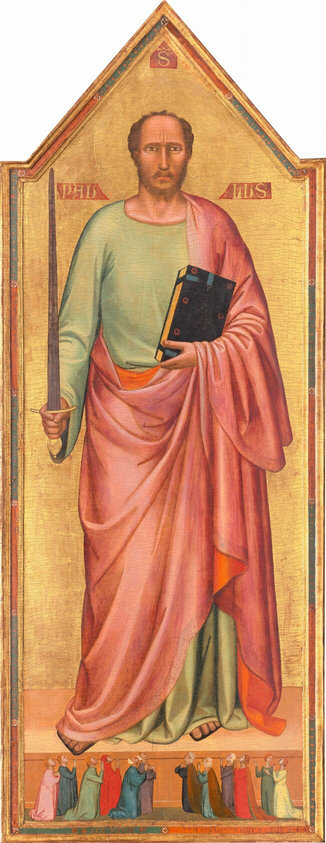
      Against a shiny gold background, a man with peach-colored skin nearly fills this tall, narrow, vertical panel above a row of twelve people, significantly smaller in scale, kneeling by his feet and looking up at the man, their hands together in prayer. The top of the panel comes to a point above the man’s head. His body faces us, and he looks at us with brown eyes under furrowed, dark eyebrows. His nose is long and straight, and his mouth is small with a rosy lower lip. He has a brown, trimmed beard, and his hair is receding. He holds up a gold-handled sword with a slate-gray blade in his right hand, on our left, while in his other hand, he cradles a thick black book with a gold-edged pages against his chest. The man wears a floor-length, celery-green tunic with a flowing, rose-pink robe over his left shoulder, on our right, and around his body. The robe is lined with tangerine orange and has a faint, patterned border. The toes of his sandaled feet stick out. On a smaller scale, along the bottom of the painting, six pairs of people kneel facing the center, three couples to each side. Eleven of the people gaze with heads tipped back, up at the man with their hands folded in prayer. To our right, one woman turns and gestures, mouth open, to her neighbor. Their long robes are painted in shades of shell pink, indigo blue, scarlet red, butter yellow, sage green, and chestnut brown. Some wear white fabric over their hair while others are bareheaded. The gold background is incised around the man’s head to create a halo. Molding and a band of alternating strips of slate blue and brick red enclose the pointed panel. Three shapes, like small banners, are painted in red with gold lettering around the man’s head, with an “S” at the top center, “PAU” over his shoulder to our left, and “LUS” to our right. In the blue and red band set into the frame at the lower center, an inscription reads, “NI.MCCCXXXIII M II.ESPLETUM FUIT HC OPUS.” There is a noticeable network of cracks across the painting’s surface, especially on the gold background behind the man.
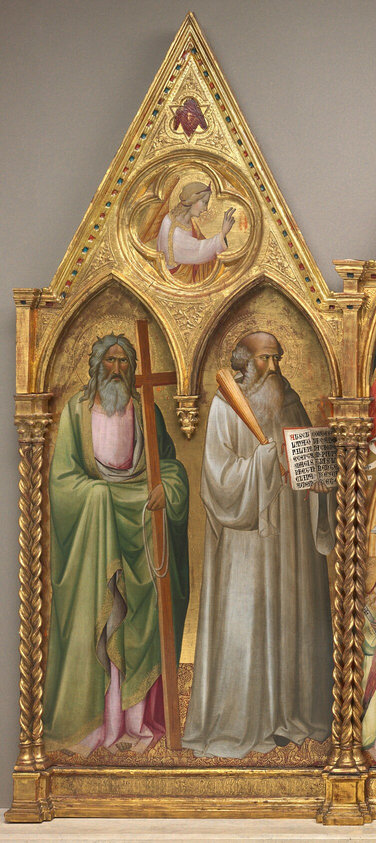
      Two men with gray hair and beards stand under pointed arches with a winged angel in the triangular gable above, all against a gold background and set within a carved, gold frame in this vertical painting. This is the left wing of a three-panel triptych. The people all have pale skin with rosy cheeks, and the men’s faces are shaded with gray. Each man is set within his own pointed arch. Both of their bodies are angled very slightly to our right, toward the central panel, and they both wear long, voluminous robes. The man on the left gazes over our heads with dark eyes. His long, wavy gray hair frames his tan face, and tufts stick out the top and sides. His celery-green cloak is trimmed with gold, and it drapes over his blush-pink robe. He holds a wooden cross slightly taller than he is, tucked into his left elbow and leaning on that shoulder, to our right. In that hand, he holds a coiled, white rope. His other hand is held up by his waist but is covered with the green cloak. The man to our right looks in that direction. He is mostly bald with a fringe of curly hair over his ears. He wears a loose silvery-white robe and holds a bundle of rods in his right hand, resting on that shoulder. In his other hand, he holds an open book facing us so we can read the Latin text. Both men have halos carved into the gold background, and they stand on a floor patterned with gold and burgundy red. The outer columns of the panel have pairs of twisted shafts that support the gable, which has a circle carved into its center. In that roundel is an angel inside a four-lobed quatrefoil. Shown from the waist up, the angel has blond hair, a diadem, gold and crimson-red wings, and wears a shell-pink robe. Facing our right in profile, two fingers of the right hand are raised. Above the angel, a face is surrounded by blood-red wings, set within a shape that has three lobes alternating with three points. Barely discernable, the panel is inscribed across the bottom below the saints, “S. ANDREAS AP L U S; S. BENEDICTUS ABBAS.” The Latin text in the book reads, “AUSCU LTA.O FILI.PR ECEPTA .MAGIS RI.ET.IN CLINA.AUREM CORDIS.T UI A MONITIONE M.PII.PA TRIS.LI BENTE R.EXCIP E.ET.EF.”
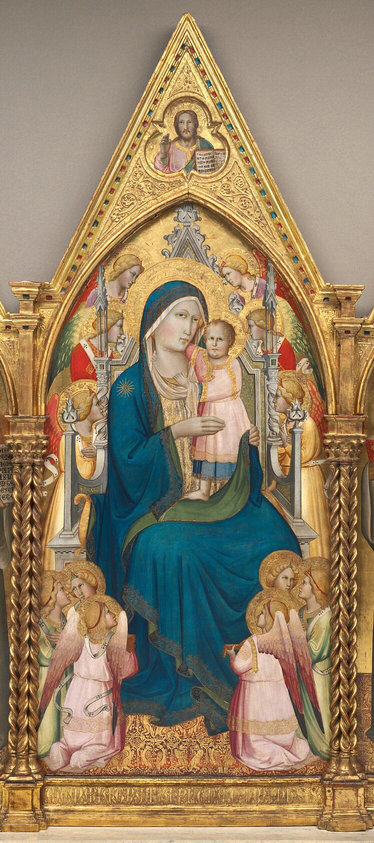
      A woman sitting on a throne supports a baby as twelve winged angels look on, all framed in a carved, gilded pointed arch in this vertical panel. It is the center of a three-panel triptych. The background behind all the people is gold, and the top of the panel comes to a rounded, pointed arch under a second taller, sharper point. Trios of spiraling columns frame the left and right sides. The woman, child, and angels all have pale skin tinged faintly with green, and rosy cheeks. They all have blond hair except for the woman, whose hair is covered, and all have plate-like gold halos that overlap, sometimes obscuring the bodies of others. The woman, Mary, faces us from her ivory-white, carved stone throne. She looks slightly above us with brown eyes under delicate brows. She has a small, straight nose, and her narrow pink lips are closed. The lapis-blue robe that covers her head and body is bordered with gold patterns, and has a starburst on her right shoulder, to our left. The pea-green underside of the mantle is visible where it turns over on the sleeves and down the front, and the robe is worn over an ivory-white dress patterned with gold. The child she holds with both hands, Jesus, stands on her lap and wraps one arm around her neck. His other hand grips the high neckline of her dress. He looks up with dark, close-set eyes. He has curly blond hair, a double chin, and rounded cheeks. Two tiny teeth are barely visible below his pink upper lip. Despite the rounded cheeks, his face looks more like that of an adult, and the proportions of his body are also adult-like. He wears a gold-trimmed, pale pink robe over a blue garment, which stops just short of his bare feet. The twelve angels surrounding the throne are grouped in trios, with three looking on to our upper left, three to our upper right, and then two trios gathered in each lower corner. Their wings and robes are painted in tones of celery green, ruby red, butter yellow, and pale rose pink. Each has a triangular diadem above their foreheads. The floor beneath is patterned with gold against a burgundy-red background. Above Mary and Jesus, a bearded man is shown from the chest up in a shape made of three lobes alternating with three points. That man faces us and holds up his right hand, to our left, with the first two fingers raised. He wears a shell-pink garment under a green robe, and holds up an open book with Latin text with his other hand. The frame around Mary, Jesus, and the gable above is carved and gilded. Barely discernable, the panel is inscribed across the bottom below the throne, “AVE MARIA GRATIA PNELA DOMINUS.” The pages of the books read, “EGO SUM A O PRINCI PIU FINIS EGO SUM VI A. VERITAS VITA.”
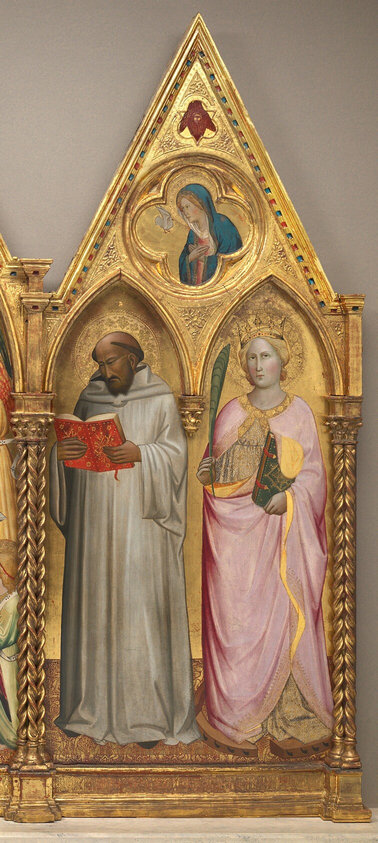
      A man with deeply tanned skin and a woman with pale skin stand under pointed arches with a woman wearing blue in the triangular gable above, all against a gold background and set within a carved, gold frame in this vertical painting. This is the right wing of a three-panel triptych. The man on the left is mostly bald but has a fringe of tawny brown hair, a forked beard, and he wears a white robe. His body is angled slightly to our left. He looks down at a book held open in both hands. The cover is decorated with gold against a scarlet-red cover. The woman on the right faces us, looking at us with hazel eyes under thin brows. She wears a gold crown on her blond hair, which is gathered at the back of her neck. A pale pink mantle trimmed in gold wraps around her bronze and off-white brocaded gown which is visible at the neckline and hem. The edge of the mantle is turned back to reveal its goldenrod-yellow lining. She holds a green frond up in her right hand, to our left, and in the other hand holds a book with a forest-green cover embellished with gold. A wood wheel studded with short black spikes encircles her feet. Both saints have halos carved into the gold background, and they stand on a floor patterned with gold and burgundy red. The outer columns of the panel have pairs of twisted shafts that support the gable, which has a circle carved into its center. In that roundel is a woman and a dove inside a four-lobed quatrefoil. Shown from the waist up, the woman faces our left almost in profile. She has blond hair under the hood of her blue robe, and wears a rose-pink dress. Her hands are crossed over her chest, and she looks at a white dove flying next to her. Above the roundel, a face is surrounded by blood-red wings, set within a shape that has three lobes alternating with three points. Barely discernable, the panel is inscribed across the bottom below the saints, “S. BERNARDUS DOCTOR; S. K TERINA VIRGO.”
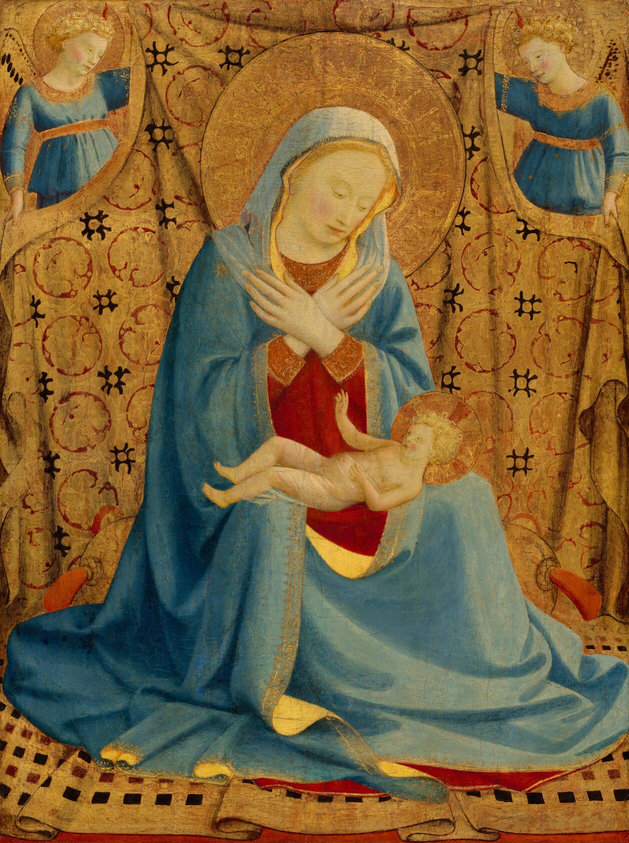
      A woman sits in the center of this vertical panel painting and gazes down at a baby lying across her lap while two winged angels hold up a red, gold, and black brocade-like patterned cloth behind her. All the people have pale skin, pink cheeks, blond hair, and flat, gold halos. The woman’s body is angled slightly to our right, and she holds her hands crossed over her chest as she gazes down at the baby. The woman has a straight, pointed nose and a small, pink-lipped mouth. Her azure-blue robe covers her head and drapes over much of the crimson-red dress beneath. The edge of the robe and cuff of her dress are trimmed in gold. The baby lies with his arms slightly raised, and he looks up at the woman. His hips and legs are wrapped with sheer white cloth. The angels in the upper corners of the panel both wear robes in the same azure blue of the woman, and the garments have a gold band around the high waist and gold around the neckline. They look at the woman and hold up the cloth that falls behind and under her and the baby.
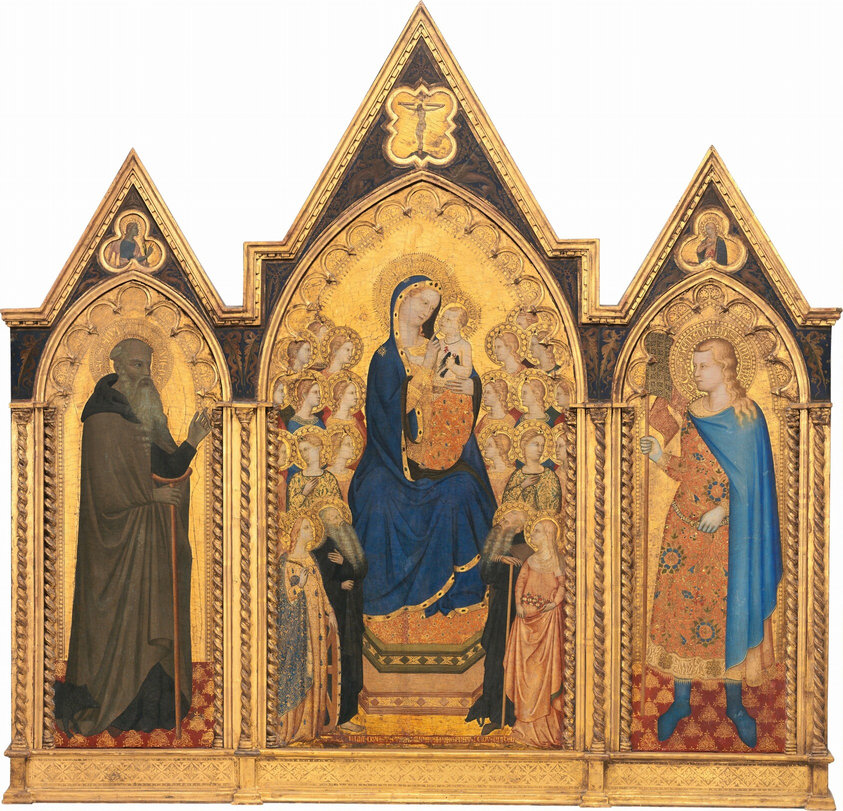
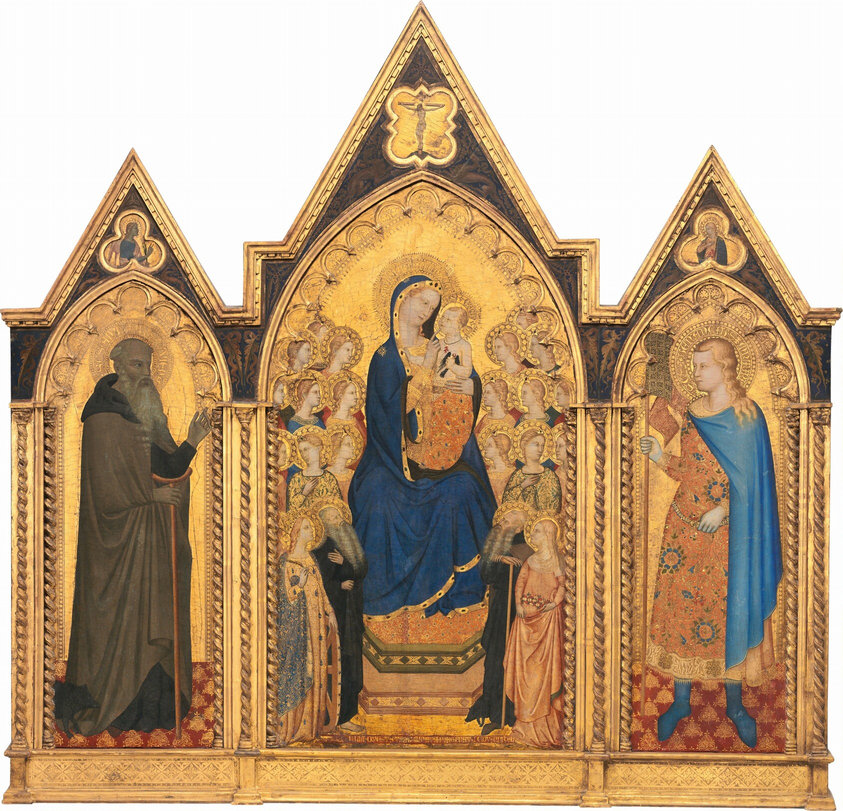
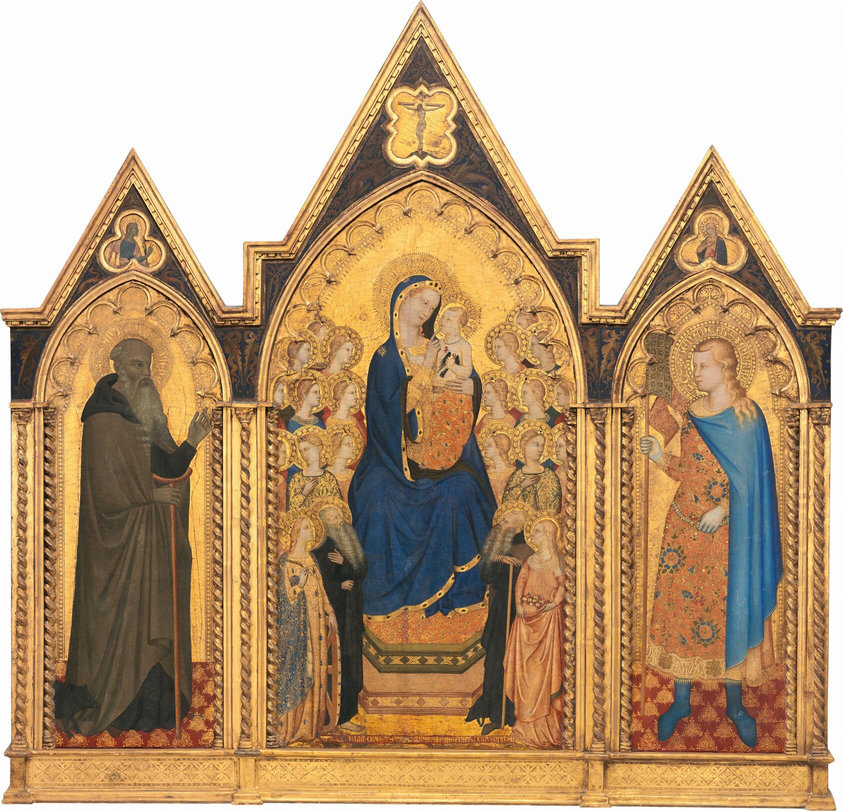
      This altarpiece is made up of three panels, with a single man standing in each of the narrow wings to the left and right and a wider panel at the center, which shows a woman holding a baby as twenty-two people look on. The background behind all the people is gold, and the top of each panel comes to a rounded, pointed arch under a second taller, sharper point. Spiraling columns frame the left and right sides, and rows of semicircular shapes, like inverted scallops, run inside the curving arches. In the central panel, the woman, child, and people around them all have pale skin and blond hair except for two elderly men with gray hair and beards. They all have plate-like gold halos that overlap, sometimes obscuring the face of another person. The woman and child, Mary and Jesus, sit on an unseen chair on two wide steps. They gaze at each other while Mary gently touches Jesus’s chin. Her lapis-blue mantle covers her hair and wraps around her body. The robe is edged with gold and has gold starbursts on one shoulder and on the crown of her head. Jesus’s garment is patterned with blue and gold against a dark orange background, and it wraps around his lower body. He holds a bird in one hand, touches Mary’s robe with the other, and a piece of coral hangs from a cord around his neck. Most of the people on each side wear azure-blue, pale peach, or brick-red garments decorated with gold. There are three inscriptions in this central panel. Mary’s halo is inscribed with “SCA MARIA MATER DEI” and Jesus’s halo reads, “IIS XRO M.” A third inscription across the bottom of the panel is partially damaged, but some of it reads, “LIIII QUESTA TA ATTA FRE FRATE GIOVANNI DA.” In the wing to our left, a balding, bearded man wearing a brown cloak over a black robe stands facing our right almost in profile. His pale skin has a dark, ash-gray cast. The hood of the black robe lies across his shoulders. He holds a wooden crutch with a curved top in the hand closer to us, and holds up his other hand with his palm facing us, fingers slightly curled in. A halo around his head is incised into the gold background and is filled with letters reading, “SaS ANTONIVS O VIENA.” Nearly lost against his dark robes, a black boar or pig stands near his feet. The floor here and in the right panel have a brocade-like pattern with three-lobed, gold designs against a field of brick red. The right wing is filled by a blond, cleanshaven young man standing facing our left as he looks toward Mary and Jesus in the center. He wears a long orange tunic decorated with blue flowers, and has a peacock-blue cloak and matching boots. Flags patterned with gold against black or red backgrounds flutter from a staff he holds with his right hand, farther from us. His other hand rests on the gold belt at his waist. His inscribed halo reads, “SCS. VENANCIVS MRTIRI.” The three panels are separated by spiraling gold columns and topped with triangular gables. The gables are filled with stylized leaves and animals in muted shades of brown against a black background. Near the pointed tops of the panels, the side wings have three-lobed shapes filled with a winged angel on the left and a person with a halo holding a hand to the chest on the right. The central gable has a four-lobed shape showing a man hanging on a cross.
      This altarpiece is made up of three panels, with a single man standing in each of the narrow wings to the left and right and a wider panel at the center, which shows a woman holding a baby as twenty-two people look on. The background behind all the people is gold, and the top of each panel comes to a rounded, pointed arch under a second taller, sharper point. Spiraling columns frame the left and right sides, and rows of semicircular shapes, like inverted scallops, run inside the curving arches. In the central panel, the woman, child, and people around them all have pale skin and blond hair except for two elderly men with gray hair and beards. They all have plate-like gold halos that overlap, sometimes obscuring the face of another person. The woman and child, Mary and Jesus, sit on an unseen chair on two wide steps. They gaze at each other while Mary gently touches Jesus’s chin. Her lapis-blue mantle covers her hair and wraps around her body. The robe is edged with gold and has gold starbursts on one shoulder and on the crown of her head. Jesus’s garment is patterned with blue and gold against a dark orange background, and it wraps around his lower body. He holds a bird in one hand, touches Mary’s robe with the other, and a piece of coral hangs from a cord around his neck. Most of the people on each side wear azure-blue, pale peach, or brick-red garments decorated with gold. There are three inscriptions in this central panel. Mary’s halo is inscribed with “SCA MARIA MATER DEI” and Jesus’s halo reads, “IIS XRO M.” A third inscription across the bottom of the panel is partially damaged, but some of it reads, “LIIII QUESTA TA ATTA FRE FRATE GIOVANNI DA.” In the wing to our left, a balding, bearded man wearing a brown cloak over a black robe stands facing our right almost in profile. His pale skin has a dark, ash-gray cast. The hood of the black robe lies across his shoulders. He holds a wooden crutch with a curved top in the hand closer to us, and holds up his other hand with his palm facing us, fingers slightly curled in. A halo around his head is incised into the gold background and is filled with letters reading, “SaS ANTONIVS O VIENA.” Nearly lost against his dark robes, a black boar or pig stands near his feet. The floor here and in the right panel have a brocade-like pattern with three-lobed, gold designs against a field of brick red. The right wing is filled by a blond, cleanshaven young man standing facing our left as he looks toward Mary and Jesus in the center. He wears a long orange tunic decorated with blue flowers, and has a peacock-blue cloak and matching boots. Flags patterned with gold against black or red backgrounds flutter from a staff he holds with his right hand, farther from us. His other hand rests on the gold belt at his waist. His inscribed halo reads, “SCS. VENANCIVS MRTIRI.” The three panels are separated by spiraling gold columns and topped with triangular gables. The gables are filled with stylized leaves and animals in muted shades of brown against a black background. Near the pointed tops of the panels, the side wings have three-lobed shapes filled with a winged angel on the left and a person with a halo holding a hand to the chest on the right. The central gable has a four-lobed shape showing a man hanging on a cross.
      This altarpiece is made up of three panels, with a single man standing in each of the narrow wings to the left and right and a wider panel at the center, which shows a woman holding a baby as twenty-two people look on. The background behind all the people is gold, and the top of each panel comes to a rounded, pointed arch under a second taller, sharper point. Spiraling columns frame the left and right sides, and rows of semicircular shapes, like inverted scallops, run inside the curving arches. In the central panel, the woman, child, and people around them all have pale skin and blond hair except for two elderly men with gray hair and beards. They all have plate-like gold halos that overlap, sometimes obscuring the face of another person. The woman and child, Mary and Jesus, sit on an unseen chair on two wide steps. They gaze at each other while Mary gently touches Jesus’s chin. Her lapis-blue mantle covers her hair and wraps around her body. The robe is edged with gold and has gold starbursts on one shoulder and on the crown of her head. Jesus’s garment is patterned with blue and gold against a dark orange background, and it wraps around his lower body. He holds a bird in one hand, touches Mary’s robe with the other, and a piece of coral hangs from a cord around his neck. Most of the people on each side wear azure-blue, pale peach, or brick-red garments decorated with gold. There are three inscriptions in this central panel. Mary’s halo is inscribed with “SCA MARIA MATER DEI” and Jesus’s halo reads, “IIS XRO M.” A third inscription across the bottom of the panel is partially damaged, but some of it reads, “LIIII QUESTA TA ATTA FRE FRATE GIOVANNI DA.” In the wing to our left, a balding, bearded man wearing a brown cloak over a black robe stands facing our right almost in profile. His pale skin has a dark, ash-gray cast. The hood of the black robe lies across his shoulders. He holds a wooden crutch with a curved top in the hand closer to us, and holds up his other hand with his palm facing us, fingers slightly curled in. A halo around his head is incised into the gold background and is filled with letters reading, “SaS ANTONIVS O VIENA.” Nearly lost against his dark robes, a black boar or pig stands near his feet. The floor here and in the right panel have a brocade-like pattern with three-lobed, gold designs against a field of brick red. The right wing is filled by a blond, cleanshaven young man standing facing our left as he looks toward Mary and Jesus in the center. He wears a long orange tunic decorated with blue flowers, and has a peacock-blue cloak and matching boots. Flags patterned with gold against black or red backgrounds flutter from a staff he holds with his right hand, farther from us. His other hand rests on the gold belt at his waist. His inscribed halo reads, “SCS. VENANCIVS MRTIRI.” The three panels are separated by spiraling gold columns and topped with triangular gables. The gables are filled with stylized leaves and animals in muted shades of brown against a black background. Near the pointed tops of the panels, the side wings have three-lobed shapes filled with a winged angel on the left and a person with a halo holding a hand to the chest on the right. The central gable has a four-lobed shape showing a man hanging on a cross.
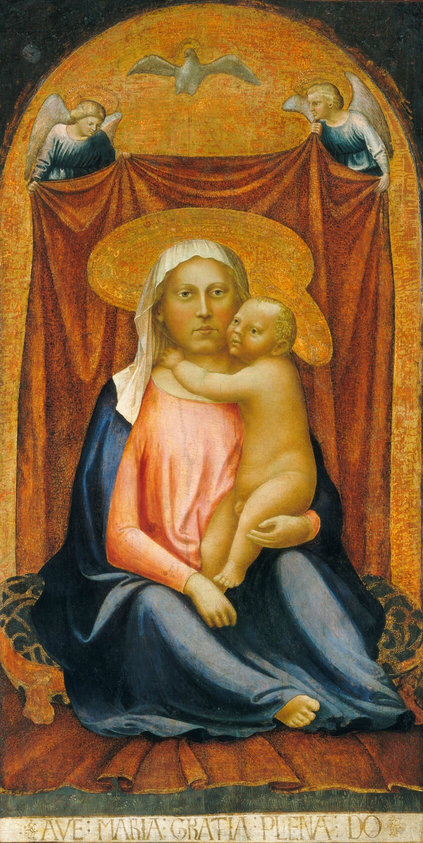
      A woman holding a nude baby boy sits on a blue patterned pillow on the floor in front of a brick-red curtain held up by two angels in this vertical painting. The people all have pale, almost gold-colored skin with a green cast, though their cheeks are flushed with pale pink. The woman sits facing us and looks slightly off to our right. She has almond-shaped eyes, a straight nose, and her lips are closed. She wears a blue cloak with a white hood over a shell-pink dress. Her right arm, on our left, rests in her lap and she supports the baby with her other arm. The baby’s nude body is pudgy like a baby but his face and head are proportioned more like an adult. His body turns toward the woman and he reaches up to her neck, and he looks into the distance to our left. Both have flat, plate-like gold halos. The winged angels holding up the red curtain also have halos and they wear blue robes. The curtain falls in gentle folds behind the mother and child, and fabric of the same color underneath the blue pillow on which they sit suggests that the curtain extends onto the floor. A dove, also haloed, floats at the top center of the painting. The gold background around the curtain and behind the angels and dove is painted into an arch over the people, and the upper corners of the panel are dark. A Latin inscription is painted with capital gray letters against a white band along the bottom edge of the panel: “AVE: MARIA: GRATIA: PLENA: DO.”
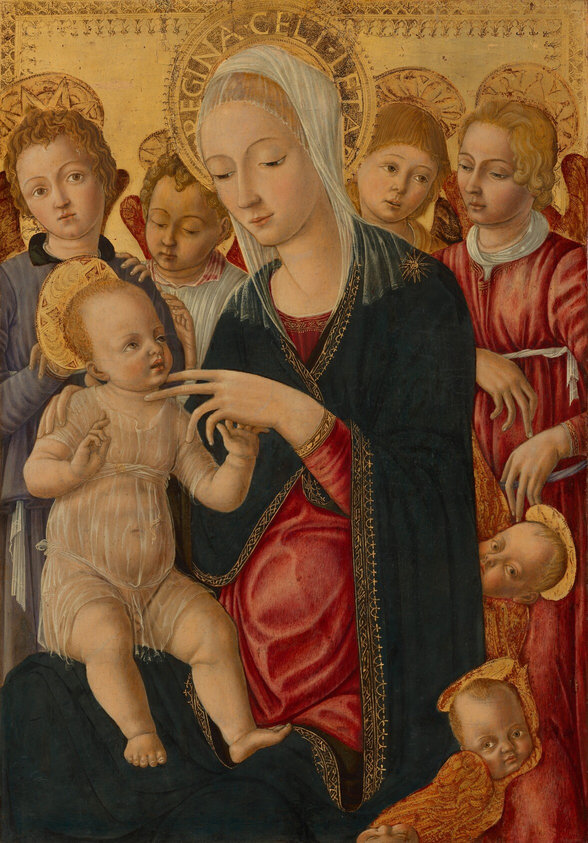
      This painting shows a woman sitting and cradling an infant on her lap. The woman faces slightly left and looks down at the child with a slight smile. She has pale skin and golden hair covered by a semi-translucent white veil. She wears a red garment with gold embroidery and a dark blue cloak with gold trim and a star-shaped brooch on her shoulder. The infant has curly golden hair and is dressed in a sheer garment, looking up towards the woman. Surrounding these two people are more people with wings and cherubic children with the bodies of red-and-gold birds. All of these people have pale skin and golden hair, and they wear colorful robes in shades of red, white, and light blue. Everyone in the painting has a golden halo around their head, and the background is a decorative golden surface with intricate patterns around the edge of the painting.
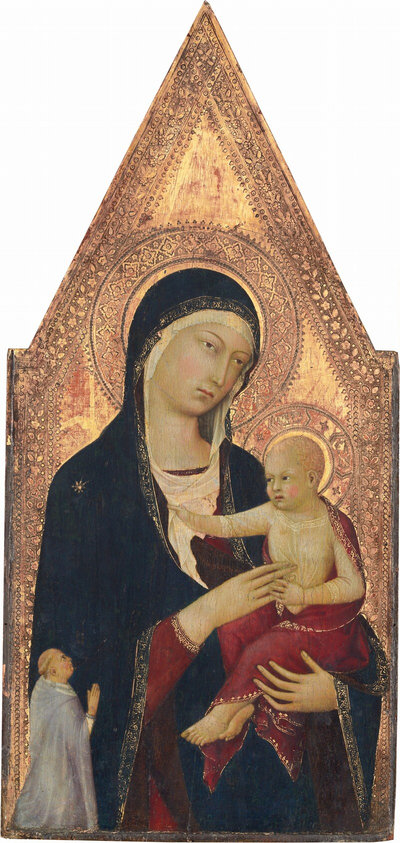
      Shown from the hips up, a young woman holds an upright baby against a richly patterned gold background in this vertical panel painting, which comes to a point at the top center. The woman nearly fills the panel, and she looms over a very small man kneeling in the lower left, facing our right in profile. The people all have ivory-white skin with a greenish cast, and petal-pink cheeks. The woman’s body faces us, supporting the baby in the curve of her left arm, our right. Thin, tawny-brown eyebrows arch over her hazel, almond-shaped eyes, which gaze off to our right. She has a long, narrow nose and small rose-pink mouth. Her head tilts to our right and is covered by an ivory-white cloth that frames her round face and wraps around the neckline of her burgundy-red gown. Over the white cloth and red dress, a long, midnight-blue mantle trimmed with gold covers her head, shoulders, and arms. A gold starburst adorns one shoulder. Tucked in the woman’s elbow to our right, the baby faces our left and wears a sheer garment covered by a burgundy-red, gold-edged cloth draped across his shoulders, back, and legs. The child has short, wavy, peach-colored hair and echos the woman’s thin eyebrows and hazel eyes. He reaches out with his right hand, to our left, to clutch her scarf while his other hand delicately touches the fingers of her hand, which brushes his chest. The man in the lower left is significantly smaller in scale so his kneeling body comes only up to the woman's elbow. His blond hair is cut in a ring above the ears, and he wears a dove-gray cloak with a long hood falling back over his shoulders. His right hand is raised, fingers extended, and he tilts his head up to look at the woman. Intricate, patterned halos surrounding the heads of the woman and child are punched and incised into the gold background. A decorative border of flowers, leaves, and dots line the sides of the panel and meet at the pointed top. Areas of brick red show through some areas of the gold background.
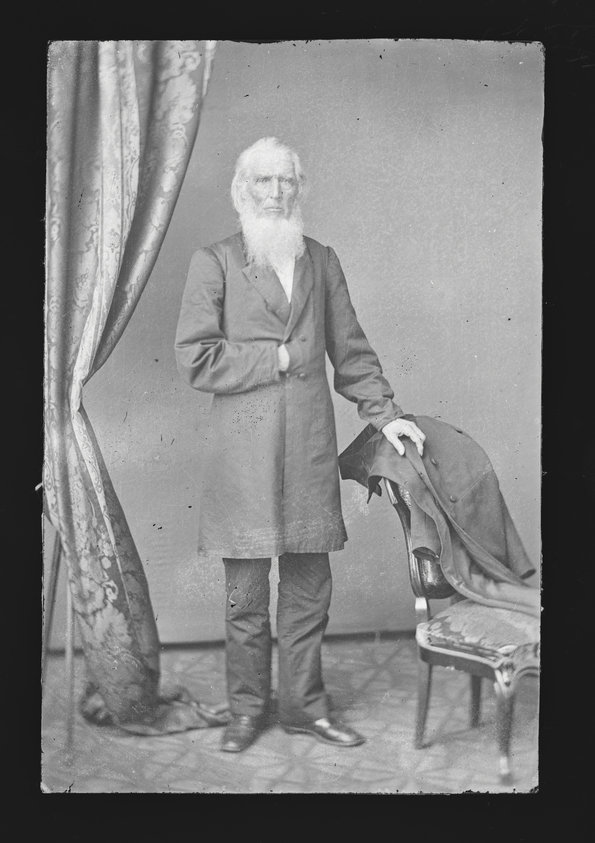
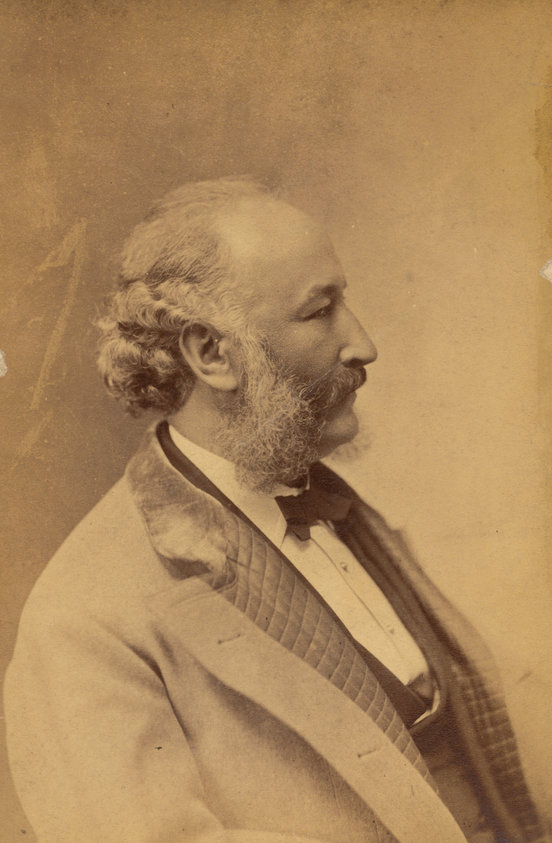
      Unidentified Man
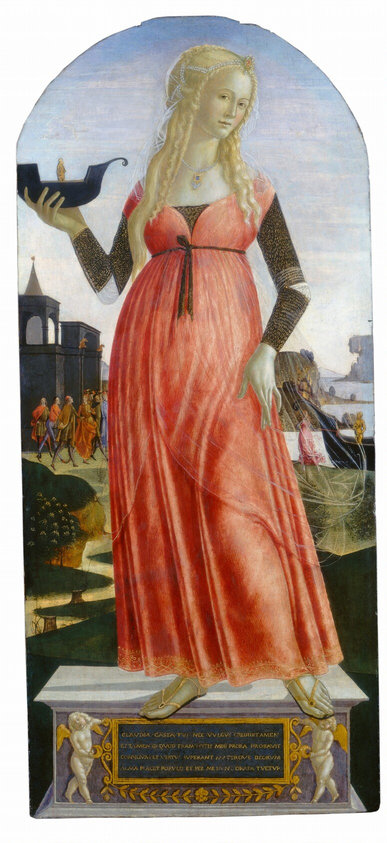
      A young, pale-skinned woman with long, blond hair and wearing a coral-red gown stands on a pedestal before a landscape filled with people in this vertical painting. The painting has an arched top, and the woman who fills most of the view is Claudia Quinta. Her hair is adorned with strands of pearls, and a larger pearl hangs from a piece of jewelry like a brooch at the top center over her forehead. A sheer veil covers the back of her head. Her body faces us but she turns her head slightly to our right, so she gazes at us from the corners of her light hazel eyes. A pearl necklace with a square gold, sapphire-blue jewel and pearl pendant encircles her neck. The brown sleeves of her dress are flecked densely with short gold lines, and white fabric shows at gaps over the elbows. The red bodice has a high waist tied with a brown belt, which also holds sheer fabric in place so it falls to her knees over the long red skirt. The skirt is bordered with a gold geometric design along the bottom hem, which stops just short of her sandaled feet. In her right hand, on our left, she holds a small, navy-blue boat with a gold figure standing in it. Her other hand rests by her left thigh, to our right. She balances near the front edge of the rectangular pedestal, which is pale violet purple. On the front face, two winged, chubby children are painted white to resemble stone carvings. They brace a panel bordered in gold. The plaque has a teal-blue background, and gold letters read, “CLAVDIA CASTA FVI NEC VVLGVS CREDIDIT AMEN ET TAMEN ID QVOD ERAM TESTIS MIHI PRORA PROBAVIT CONSILIVM ET VIRTVS SVPERANT MATERQVE DEORVM ALMA PLACET POPVLO ET PER ME HVNC ORATA TVETVR.” Beyond Claudia Quinta a river winds in a tight S-curve through dark green hills. Farther back, to our left, a group of people with thin, elongated bodies dressed in blue, light brown, and orange walk in front of a tall dark blue building as they head toward a river on the right side. The building has an arched opening and a tower topped with a taupe-brown spire. To our right of Claudia Quinta, a woman wearing a rose-pink dress holds a rope around the prow of a boat at the edge of the river. Like the boat held by Claudia Quinta, it is navy blue and has the same shape. The pale lavender-purple river continues into the distance, where it meets rocky outcroppings along the horizon, which comes about halfway up the composition. A pale blue sky above is filled with wispy bands of clouds.
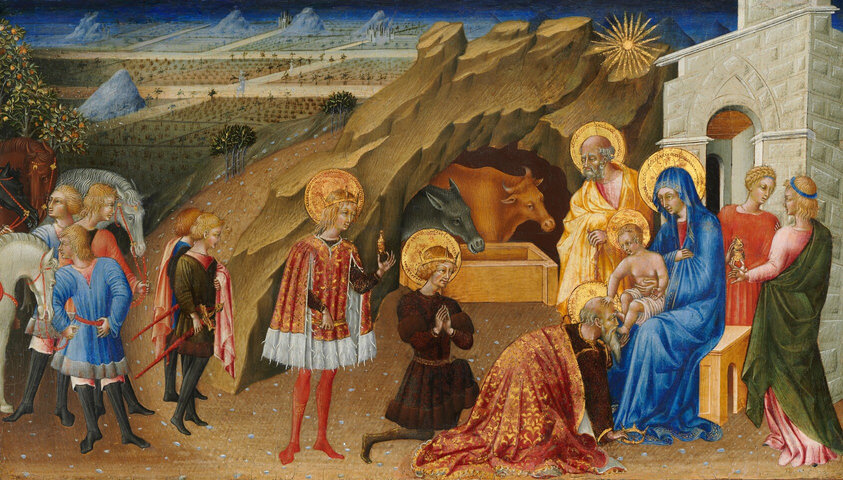
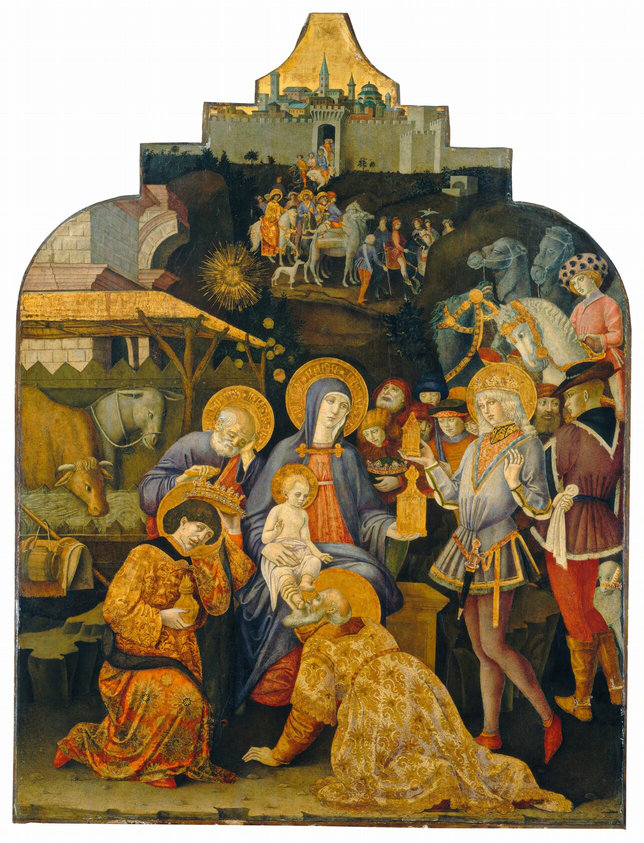
      Three men with crowns and wearing gold-trimmed robes stand and kneel before a woman sitting on a wooden, box-like seat holding a baby to our right, in front of a rocky cave and landscape, in this horizontal painting. A balding man with a gray beard and hair, Joseph, and two younger people with blond hair stand around the woman, Mary, to our right, while a group of five young men or boys and three horses gather near the left edge. All the people have pale skin. Mary, the baby Jesus, Joseph, and the three men closest to them all have shimmering gold halos. One balding man with a long white beard kneels and kisses the baby’s feet. He wears a gold and crimson-red brocade-like robe over a burgundy-red garment, and he holds a pointed gold crown in his right hand, which rests on the ground. Behind him and to our left, a younger man with curly blond hair and goatee, wearing a wine-red tunic belted with gold and a gold crown on his head, holds his hands in prayer as he kneels down on one knee. The third stands to our left, cleanshaven with long blond hair. He wears a fur-lined, thigh-length scarlet-red robe and a gold crown, and he holds up a gold vessel in one hand. To our right, Mary wears a lapis-blue robe that covers her head and falls to her feet. The baby is covered only by a white cloth across his hips, and he has short blond hair. He touches the kneeling man’s head with one hand. His body is pudgy but his face has more adult-like, delicate features. Joseph stands at the woman’s far shoulder, wearing a butter-yellow robe over a rose-pink garment. His hands are gathered on a walking stick in front of his chest and his brows are furrowed with deep lines. One of the two younger people behind Mary, to our right, holds a lidded gold vessel. The group of five attendants to our left gather around cream-white, gray, or chestnut-brown horses. These blond people wear garments of dark olive-green, coral-red, royal-blue, or rose-pink tunics over black stockings. The rocky, brown cave behind Mary and Jesus, to our right of center, is occupied by a donkey and an ox behind a wooden trough. The landscape beyond is segmented into quilt-like squares of stylized crops. The horizon line comes almost to the top edge of the panel beneath a narrow strip of vivid, cobalt-blue sky. A gold star like a sunburst with rays of light hovers over the woman and child.
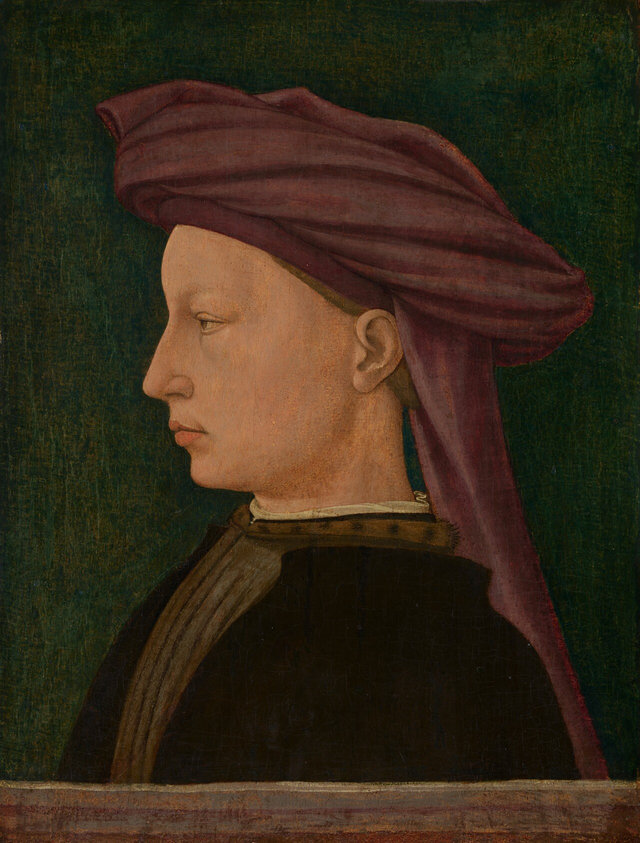
      Shown from the chest up, a light-skinned man wearing a burgundy-red turban faces our left in profile against a dark background in this vertical portrait painting. He looks off to the left, and the eye we can see is light brown under a faint, possibly plucked eyebrow. He has a straight nose, and his full peach-colored lips are closed. There is the suggestion of a puffy area under the eye we can see, but the rest of his skin is smooth. His brown hair is mostly tucked under his turban, and a piece of fabric hangs down the back of his neck. A band of his white undergarment is visible at the high neck of his olive-brown shirt, which appears to be pleated or striped down the front. He also wears a black jacket, which covers his shoulder and most of his chest. A brown band across the bottom edge of the painting could be a wooden railing or ledge, behind which the man is shown. Cracks are visible across the painting, especially in the deep green background.
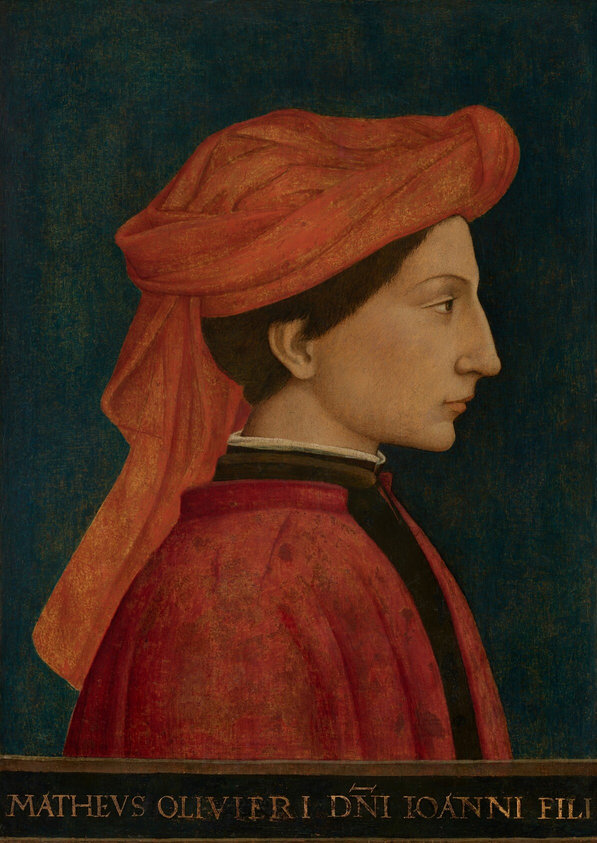
      Shown from the chest up on the far side of a ledge, a pale-skinned, clean-shaven young man faces our right in profile in this vertical portrait painting. He looks steadily forward. The eye we can see is brown under a thin, curving brow. His nose is bumped near the bridge, and he has a slight underbite. His pale pink lips are closed, and he has a delicate jawline. Short brown hair brushes the side of his face under a coral-red turban, the ends of which fall down his back. A high-collared dark brown garment is edged with white around the neck, and a cranberry-red robe or jacket falls open over his chest. He is shown against a dark, teal-blue background. The ledge along the bottom of the painting is black with edged with gold. Gold lettering reads, “MATHEVS OLIVIERI D NI IOANNI FILI.”
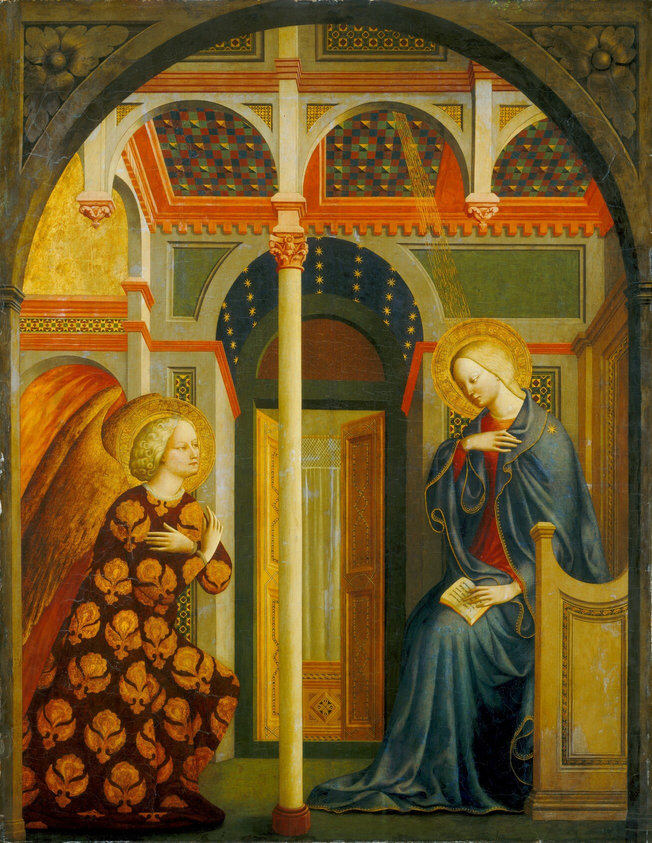
      A winged angel with arms crossed kneels across from a young woman sitting and holding a book, both under an archway in a paneled room in this vertical painting. They both have pale, yellow-toned skin, blond hair, and flat, gold halos. They also have golden brown eyes, long, straight noses, smooth cheeks, and their pale, pink lips are closed. To our right, the woman sits in a throne-like chair with her body facing our left. Her head tilts down, and she looks toward the angel under lowered lids. Her hair is pulled back under the neck of the lapis-blue cloak she wears over a crimson-red dress. The dress and cloak are trimmed with gold, and a there is a gold starburst on the cloak over her left shoulder, closer to us. She holds her other hand up near that shoulder with her fingertips brushing her chest. With her other hand, she holds open the pages of a small book in her lap, so her fingers overlap some of the words. The entire Latin inscription would read, “virgo concipiet et pariet filium et vocabitur nomen eius emmanuel butirum et mel come dit ut fiat reprobare.” A slender, bone-white column separates her from the angel across from her, along the left edge of the painting. The angel has curly, shoulder-length hair and wears a robe with a gold, floral pattern against a burgundy-red background. Long, golden wings emerge from the shoulder blades and extend off the side of the composition. An open archway just beyond the angel is filled with streaks of flax yellow and burnt orange, possibly representing flames. Some of the walls in the room around the pair are pale olive green and other areas are darker spruce green. There are bands of coral-pink molding and inset panels of patterned mosaics. The flat ceiling of the space immediately over the pair is decorated with checkerboard panels in navy blue, hunter green, brown, and brick red. Gold lines create a ray coming from the ceiling toward the woman. At the back of the space, beyond the column separating the woman and angel, the room extends into an alcove with an arched hallway painted with gold stars against a midnight-blue background. Double doors open at the back of the alcove onto a room with a pale-yellow curtain with a mesh-like trim. We see the pair as if through a stone archway that lines the top and sides of the composition. The upper corners are filled with leafy decorations, as if carved into the stone.
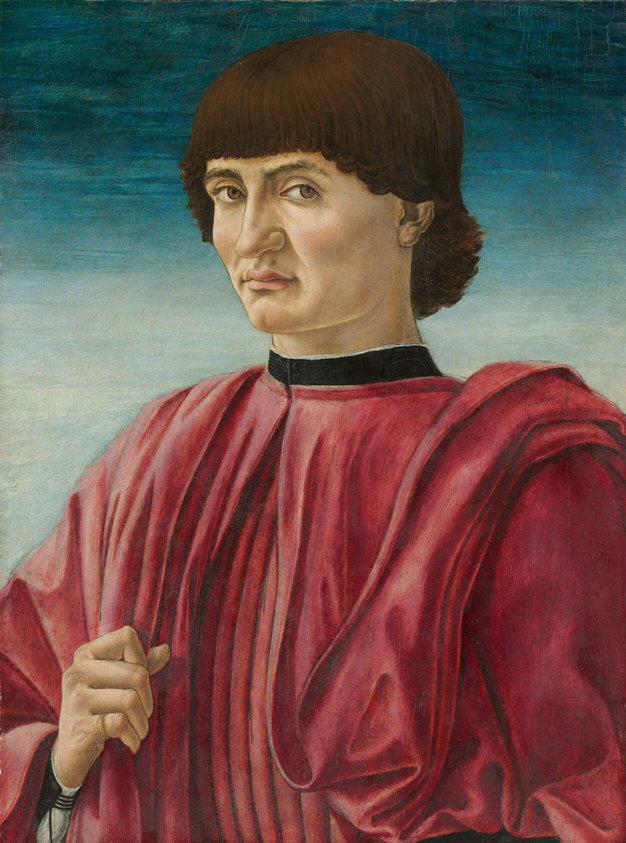
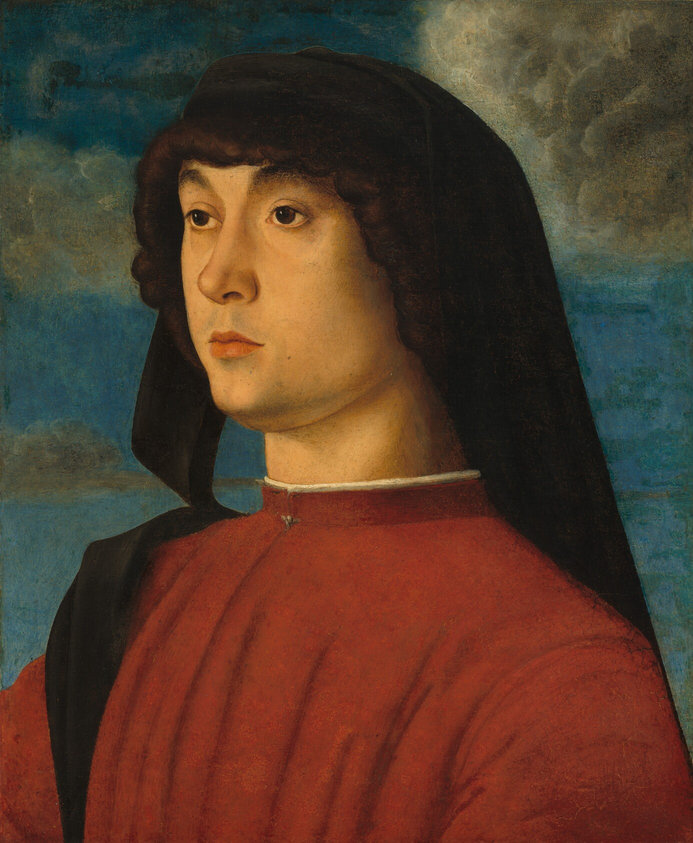
      The head, shoulders, and chest of a man wearing a deep rose-red garment fills this vertical portrait painting. His body is angled slightly to our left, and he looks directly at us from the corners of his eyes. His brown hair falls across his forehead, sweeps down over his ears, and curls gently at the nape of his neck. His eyebrows arch over brown eyes, and he has a long, angular nose. His upper lip is full, and his mouth is closed. He has high cheekbones and a cleft in his chin. The high collar is a black band over the voluminous red garment, which falls in pleats or folds down his chest. His right hand, on our left, lifts to clutch the fabric near his chest, in the lower left corner of the painting, and he wears a gold ring on his pinky finger. The background behind the man fades from dark aquamarine blue across the top to pale arctic blue at his shoulders, which span the width of the composition.
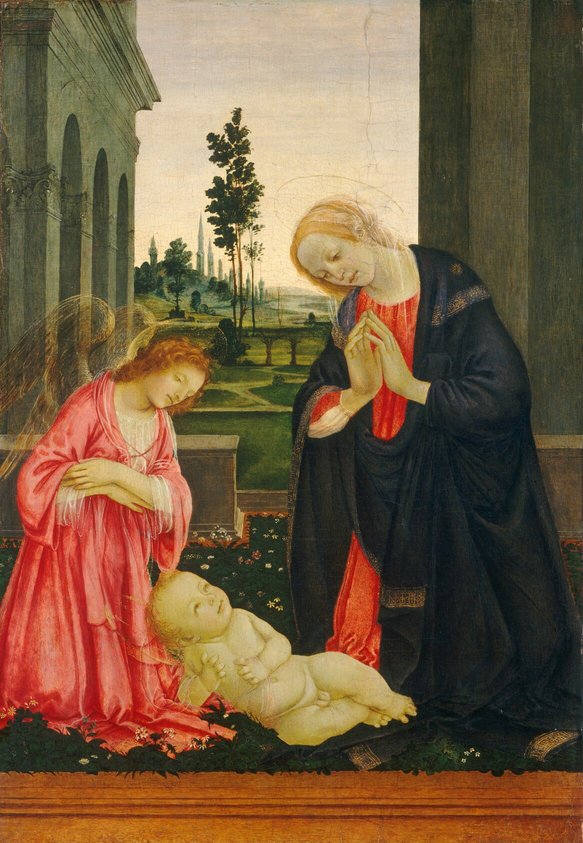
      A winged angel, a woman, and a baby are gathered on a terrace that overlooks a softly lit landscape in this vertical painting. The people all have parchment-white skin tinged faintly with green, delicate gold halos, and they are close to us. The baby is round and plump, and faces us as he lies on his side on a carpet of pine-green grass dotted with small white and pink flowers. A band of caramel brown spans the lower edge of the painting. Propped up on one elbow, the baby turns his blond head to look at the woman kneeling beside him to our right. The woman, Mary, towers over the baby with her body angled slightly to our left. A midnight-blue cloak trimmed in gold is wrapped around her coral-red gown. The fingertips of her raised hands lightly touch as she bows her head and lowers her brown eyes to look at the child. A transparent white veil drapes over her blond hair. To our left, the angel also kneels and looks down at the baby with arms crossed over the chest. The angel has curly, copper-red hair and wears a carnation-pink robe over a transparent chemise. Semi-transparent, bronze-colored wings nearly disappear into the background. Just beyond the trio, a low balustrade with an opening near Mary encloses the space. A colonnade with arched openings extends into the distance to our left, behind the angel. A flat, olive-green wall rises the height of the painting behind Mary. Between them, the landscape is carpeted with moss and celery-green grass, and dotted with trees. A river winds toward slate-gray hills in the deep distance.
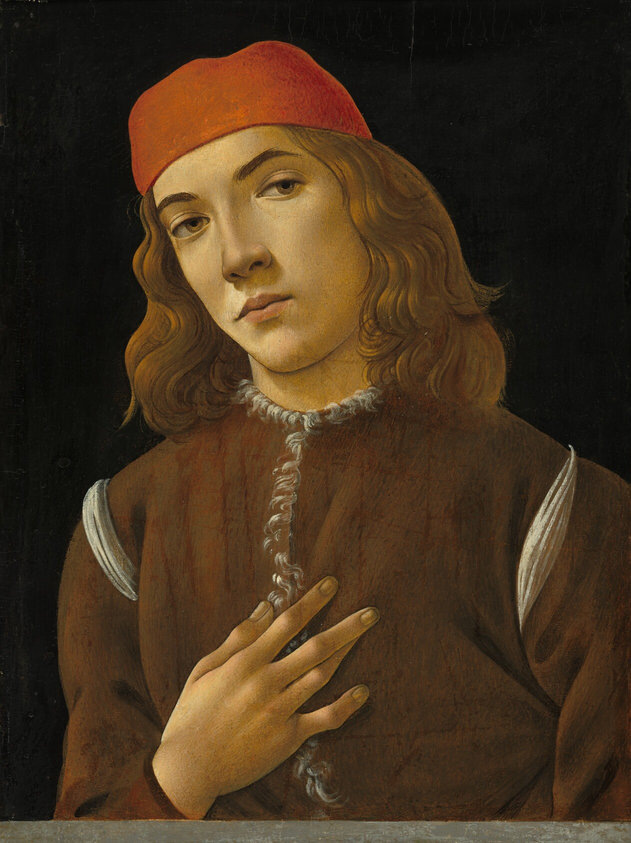
      This vertical portrait shows the head, shoulders, and chest of a young man with smooth, pale skin and shoulder-length, dark blond hair positioned behind a narrow gray, stone ledge. Shown against a black background, the man tilts his head to our left and his eyes cut to our right. His left eyebrow, on our right, is slightly arched over brown eyes. He has a long, straight nose, pale pink lips, and his hair falls down the sides of his face from beneath a crimson-red, flat-topped cap. He wears a brown garment with white linen peeking through at the shoulder seams. The neck and seam down the front are lined with white, perhaps fur. He holds his right hand to his chest with his middle finger overlapping his ring finger.
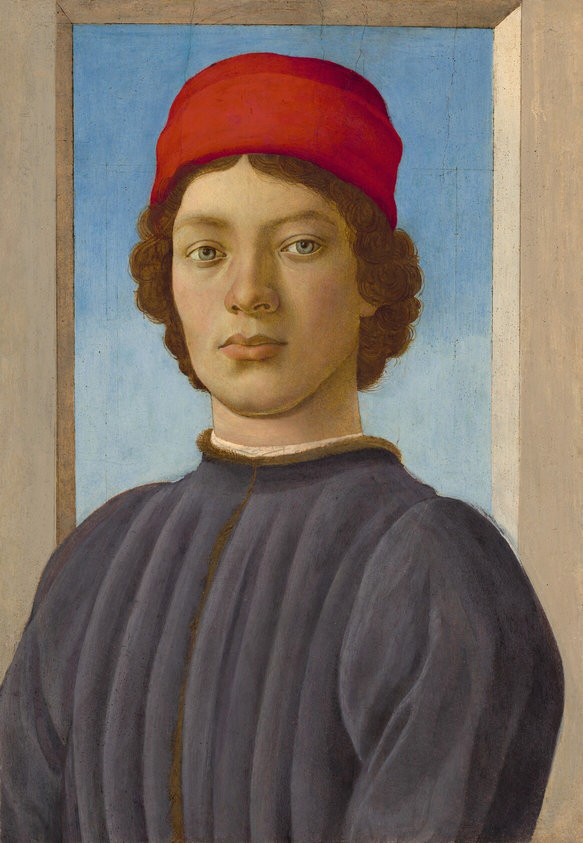
      This vertical portrait painting shows the head, shoulders, and chest of a pale-skinned young man in front a cream-white, stone window that opens onto blue sky. The man’s body is angled slightly to our left and he looks directly at us with wide-set, pale blue eyes. He has smooth skin, a rounded nose, a wide jawline, and full, light pink lips. He wears a brimless crimson-red cap over brown hair that curls over his ears and down to the nape of his neck. His slate-blue jacket is lined with brown, perhaps fur, around the high neck and down the front. The jacket has puffy sleeves and vertical pleats over the chest. He is positioned in front of the stone opening, the edges of which run parallel to top and sides of the composition. Vivid blue sky fills the opening behind the young man.
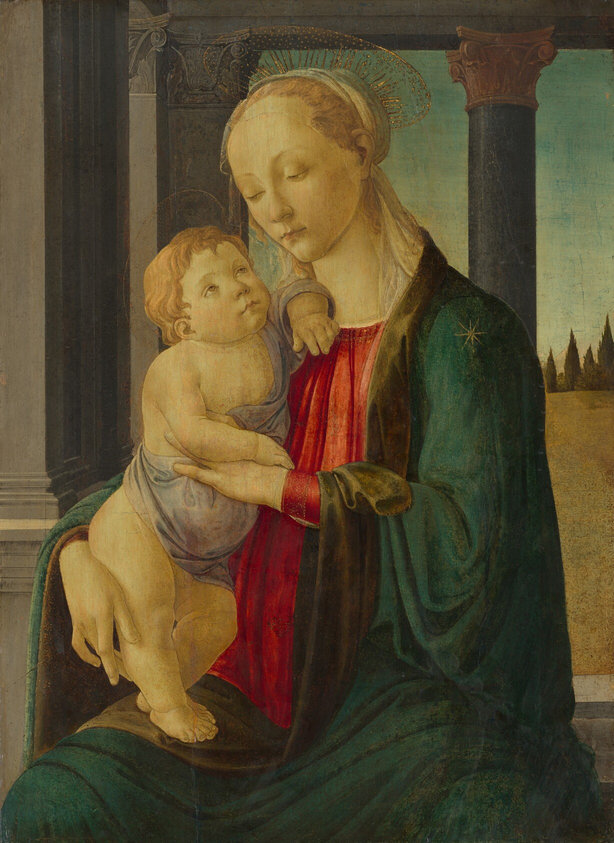
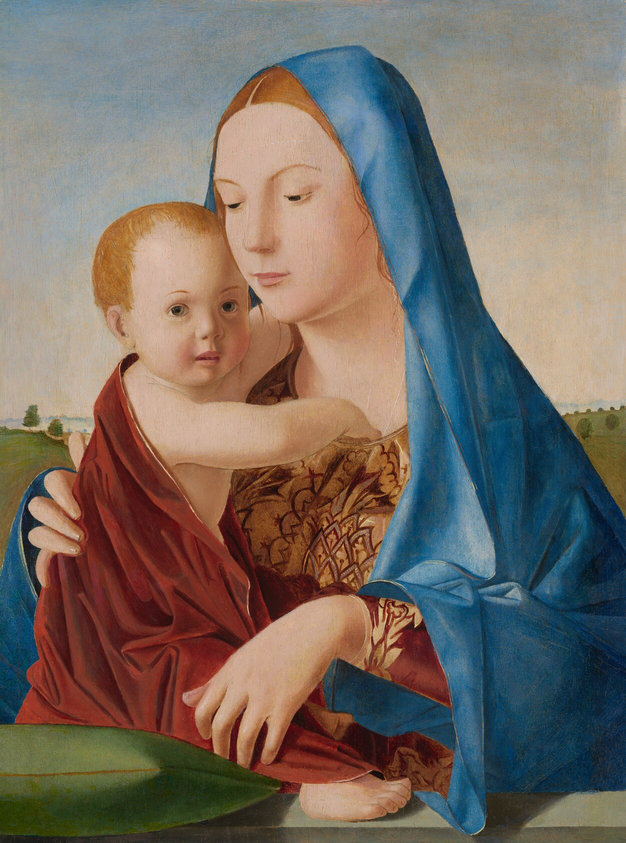
      A young, pale-skinned woman with reddish-blond hair sits with a nearly nude, chubby toddler standing in her lap in this vertical painting. She looks down at him, her body and face angled to our left. Thin lines creating a gold halo fan out from the back of her head. An ivory-white scarf wraps around her head and trails down the back of her neck where it is tucked into a dark, teal-blue cloak covering her shoulders and draping across her lap. Under the robe, she wears a loose, cherry-red gown with vertical pleats over her chest. The baby, also with pale skin, reddish blond hair, and a delicate gold halo, looks up at her face with light brown eyes. He stands on the woman’s right thigh, to our left. One of the woman's hands wraps around his body and supports his legs, while she props up his chest with her other. A length of pale gray fabric wraps over one shoulder and around his stomach. The two are situated in front of a column and pillar supporting a horizontal lintel overhead. The view beyond is of a blue sky over a golden field with dark green conical cypress trees in the distance.
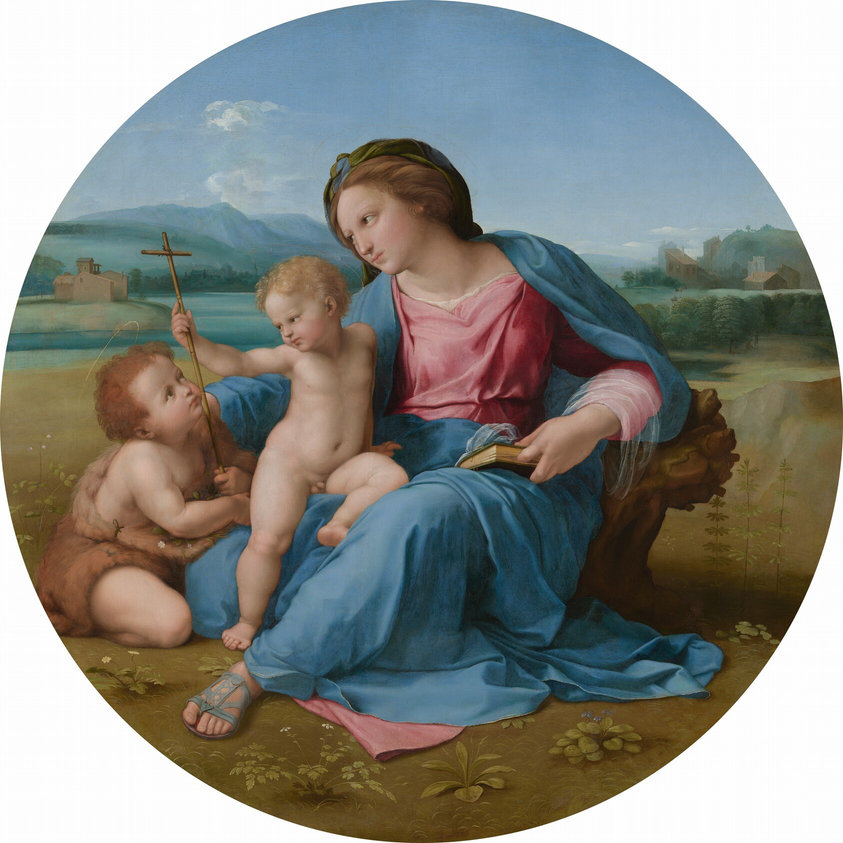
      A woman and two children, all with pale skin and flushed cheeks, sit together in a landscape in this round painting. The woman takes up most of the composition as she sits with her right leg, to our left, tucked under her body. Her other leg, on our right, is bent so the foot rests on the ground, and that knee angles up and out to the side. She wears a rose-pink dress under a topaz-blue robe, and a finger between the pages of a closed book holds her place. Her brown hair is twisted away from her face. She has delicate features and her pink lips are closed. She looks and leans to our left around a nude young boy who half-sits and half-stands against her bent leg. The boy has blond hair and pudgy, toddler-like cheeks and body. The boy reaches his right hand, on our left, to grasp the tall, thin cross held by the second young boy, who sits on the ground next to the pair. This second boy has darker brown hair and wears a garment resembling animal fur. The boy kneels facing the woman and looks up at her and the blond boy. The trio sits on a flat, grassy area in front of a body of water painted light turquoise. Mountains in the deep distance are pale azure blue beneath a nearly clear blue sky.
      Shown from the chest up on the far side of a narrow ledge, a woman wearing an elaborate headdress and gown faces our left in profile in this vertical portrait painting. Her pale-peach skin is smooth with little shading around the features. The hazel eye we see is heavy-lidded under a thin, arched brow. The woman has a notably high forehead and a sloped nose. Her lips are closed over a knobby chin and fleshy jawline. Her hair is gathered up in a fine gold net under a twisted, ring-like headdress held in place with long gold pins. The fabric of the headdress alternates between twists of parchment brown or light brown patterned with red or darker brown leaf patterns. A network of muted blue dots encircled with gold does not quite line up with the headdress it overlays. The high collar of the woman’s peacock-blue dress flares up the back of her head over a white collar that curls away along either side of her chin. The garment is covered with flowers and stems outlined in gold. There are thick gold bands at her neck and around her waist. A chain made up of two strands of gold orbs like oversized beads hangs from the shoulder closer to us and then wraps around her body. A gold pendant near her neck may be two chain links or a thin letter B. Light glints off the ledge along the bottom of the painting, and the background is inky black.
      A man wearing armor, sitting astride a cream-white horse, drives a long lance down at a lizard-like dragon as a woman kneels with her hands in prayer in the landscape beyond in this vertical painting. Both people have pale skin and thin, gold halos floating above their heads. At the center of the composition, the man faces our left in profile as he looks down at the creature. The man has a straight nose and honey-brown hair under his gold-trimmed, pewter-gray helmet. Armor covers his entire body, and a celestial-blue cape billows behind him from where it fastens around his neck. A narrow, indigo-blue and gold band is tied around his left calf, and is inscribed with the word “HONI.” A black sword hangs from his left side. The horse is white with a silvery-white mane and tail. It rears on its hind legs as it turns its head to look at us with hazel-brown eyes. The horse wears a blue saddle and bridle, the same color as the man’s cape, trimmed with gold. A strap around the horse’s neck is painted in gold with the name, “RAPHELLO.” The rider thrusts his foot into the stirrup we can see as he plunges a lance down at the dragon under the horse’s front feet. The dragon has tawny brown skin with a mint green, dog-like head. It grips the earth with clawed feet as at pushes at the lance with one front foot. It twists its long, snake-like neck to look at the man with dark eyes. The dragon opens its pointed snout to show its teeth, and bat-like wings splay out. A tall outcropping over a cave rises along the left edge of the composition, behind the dragon. In a field a little farther back, to our right, the woman kneels with her body angled to our left. She tilts her head away from us and gazes past the man and horse. She has a straight nose, pale pink, bow-shaped lips, and her blond hair is pulled back in a bun. She wears a ruby-red dress and a sheer white wrap around her shoulders and across her arms. Around the woman, straw-yellow hills with bands of pine-green trees roll into the distance. Two terracotta-orange towers rise from a row of trees along the horizon. A few taller trees are outlined against the baby-blue sky, which lightens toward the horizon.
      A woman holds and looks toward a nude, young child, who sits on her lap and looks out at us, smiling, in this vertical painting. They both have pale skin and thin, gold halos floating above their heads. The clear sky behind them deepens from teal blue along the top edge to ice blue behind their shoulders. To our right, the woman is shown from the lap up with her body angled to our left, toward the child she holds. She looks down at the child almost in profile with dark eyes under faint brows. She has a long, straight nose, smooth cheeks, and her petal-pink lips are closed. Her blond hair is braided and twisted back from her face under a sheer, gold-trimmed, white veil, that flutters as if in a breeze. Her rose-pink dress has a wide neckline and the elbow-length sleeve we can see falls loosely over a tighter, spring-green sleeve. The neckline is trimmed with gold decorations and an inscription: “MDVIII.R.V.PIN.” A peacock-blue robe drapes over the shoulder farther from us and across her lap. That arm wraps around the child’s back, and she holds her other hand to her chest, near where the child grips the neckline of her dress. The child sits on a white pillow with one leg flung across the woman’s lap and the other, closer to us, dangling between her knees. Slightly slouched, his body is angled to our right, toward the woman, but he looks over his shoulder at us with dark eyes. He has faint eyebrows, a delicate nose, a dimpled chin, flushed cheeks, and his pale pink lips curl into a smile. He has wispy blond hair and pudgy, toddler-like cheeks and body. His other hand rests on the pillow between his legs. A band of gauzy, sheer fabric decorated with gold stripes wraps around one shoulder and around his upper chest.
      A man stands, leaning on a staff used like a crutch, in a deep, rocky landscape in this round-topped vertical painting. The cleanshaven man has tanned skin and sparse gray hair. He is nude aside from a slate-gray cloth that wraps around his hips. The hand not bracing the crutch is held in a loose fist at his chest. A few plants grow and bloom along the bottom of the panel. The dirt path on which the man stands winds through low, grass-covered mounds to a cave opening at the base of a tall, steep cliff face. A lion stands on the path between the man and the cave. An owl perches in the bare, spike-like branches of a spindly tree growing to our right of the man.
      A man hangs from a wooden cross at the top center of this vertical painting, with a woman standing at the foot of the cross to our left and a man to our right, all in front of a deep landscape with mountains along a river. All the people have light skin. The feet of the man on the cross, Jesus, line up with the tops of the heads of the people standing below. Jesus hangs by a nail driven through each palm, and his overlapping feet are nailed into a short platform that angles downward. He has shoulder-length brown hair and a short brown beard. His head tips forward, and his eyes are downcast or closed. He has a straight nose, high cheekbones, and his lips are closed. Blood trickles down his forehead from a ring of thorns around his head, from the nails in his hands and feet, and from a short gash over his right ribs, on our left. A white loincloth is wrapped around his hips, and the end of it flutters as if in a breeze to our left. The man’s body is lean but muscular. A slip of paper with the letters “INRI” has been affixed to a small panel on the cross above Jesus’s head. Below and to our left of the cross, a woman stands with her head bowed, looking down with her hands clasped in prayer. Her hair is covered with a tan-colored veil and she wears a gold-edged, navy-blue robe that covers her head and body. She and the cleanshaven, blond man standing to our right of the cross both have bare feet. The man looks up at the cross with his lips parted. His fingers are intertwined and then flipped, palms-down, with his arms straight. His raspberry pink-robe falls over one shoulder and around his hips, over a topaz-blue, ankle-length tunic. The dirt-packed ground on which they stand is lined along the bottom edge of the panel with plants and flowers. The golden-brown land dips beyond the people, leading down to a river that winds into the distance. A castle-like structure perches on cliff-like outcroppings high along the left edge of the painting, and buildings at the foot of that outcropping line the river. Two people walk and one person fishes off a bridge near the town. A few boats, one with full sails unfurled and another possibly with oars out to row, float in the river beyond, which is flanked in the deep distance by mountains painted blue in the haze. The horizon comes about halfway up the composition, crossing the painting just beneath Jesus’s feet. The sky above deepens from pale yellow along the horizon to robin’s egg blue where a few wispy clouds create streaks along the top edge.
      A young woman with pale skin and flushed cheeks stands in a landscape looking to our upper left in this round-topped vertical painting. Her body faces us in the center of the scene. Her fingers are interlaced at her waist, and her head tips slightly to our left. Honey-brown hair cascades over her shoulders, and her hazel eyes roll up under thin brows. She has a short nose and a small, pale pink mouth. A translucent scarf is tied around the full-length, pine-green mantle that drapes across her shoulders and wraps around the V-neck of her rose-red robe. A wine-red inset fills the neckline, and a matching belt is tied around her waist. She stands barefoot on the dirt ground, which is scattered with pebbles. Plants grow and bloom, including a blue iris, in shallow water along the bottom edge of the composition. A lidded pitcher with a narrow neck and scrolling handles sits on a flat rock next to her right knee. Taller, peanut-brown rock formations pile up beyond her under a powder-blue sky. Tawny-brown and sage-green trees, leafy plants, and shrubs sprout among the rocks. Beyond the woman is an open gate in a wooden fence built into one of the rock formations to our right, and sage-green hills dotted with moss-green trees roll out along the left side of the painting.
      Close to us, a bearded, balding man leads a donkey carrying a woman and child to our right against a hilly landscape in this horizontal painting. All three people have pale, peachy skin and halos. The man has a gray beard and hair, and wears a royal-blue tunic under a ruby-red robe. He leans on a walking stick and looks back at the donkey. The woman riding the donkey wears a blue and gold brocade-like cloak covering her head and body. She has a straight nose, small pink lips, and she looks toward the infant she holds close to her body. The baby wears a white garment and reaches for the woman’s face with one hand as he turns to look over his shoulder toward us. The path they walk on is lined with grass and detailed plants. A river runs parallel to the path a short distance away. The horizon line comes about two-thirds of the way up the painting is lined with green trees, blue mountains, and a few buildings to our left. Wispy white clouds sweep across an azure-blue sky streaked with peach near the horizon.
      This painting depicts a man with light skin, white hair, and a white beard wearing an orange cloth draped over a dark-blue garment with gold embroidery around the shoulder and neckline. He holds two large red keys in his left hand, and a thin, red, cross-topped rod in his right hand. There is a faint outline of a halo around the man's head, which is slightly turned to the right. The background is gold, enclosed within a red, white, and black patterned border.
      Shown from the waist up, a pale-skinned man with long, honey-blond hair and beard faces us in front of a gold background in this vertical painting. The man has a long face and nose, with closed peach-colored lips, which turn slightly down at the corners. Almond-shaped, hazel-brown eyes under arched brows stare over our left shoulder. His rose-pink robe is covered by a spruce-blue mantle that drapes over the left shoulder, on our right, and wraps around the waist. The robe and mantle are trimmed with gold. His right hand, on our left, is raised with the index and middle fingers extended up. The other hand holds an open book so the pages face us. The top edge of the pages is burnt orange, and the left and right edges are moss green. The side facing us is inscribed in gold letters, “ECO SUM LUX MUNDI.” A halo incised into the gold background surrounds the man’s head, and clusters of five dots in dark red, blue, and black are placed at the top and to either side within the halo. The panel on which this is painted has a five-sided, angular arch on top that frames the man’s head. A border within the frame has a pattern of gray circles and scarlet-red diamonds against a navy-blue band. The border follows the contours of the panel but runs behind the man’s body, as if he stands in front of it. The panel is framed with dark wood.
      A woman and child sit on an ornate gold, curving throne in front of a shimmering gold background in this vertical painting. Two winged angels in roundels at the upper corners and the woman and child all have peach-colored skin with a gray cast. The woman tips her head toward the child, to our right. She has almond-shaped eyes, a long, straight nose, and her small lips are closed. She looks into the distance over the child’s head. She wears a scarlet-red mantle that covers her head and drapes over her shoulders and body. The azure-blue of her dress beneath is visible at her throat and over one knee. The child sitting on her knee is as tall as a toddler but has adult proportions in his face and body. He holds up his right hand, on our left, and raises the first two fingers. He holds a red scroll in his other hand. He wears a forest-green robe over a salmon-pink garment. The clothing of both the woman and child have geometric gold lines indicating folds in the drapery, and both have gold halos. The child’s halo is marked with three red arms to create a cross above and to the sides of his head. The woman rests her feet on a low stool in front of the opening of the elaborately carved, two-tier throne that nearly encircles the pair. The winged angels in the upper corners have gold halos, brown hair, jeweled, gold garments, and each holds an orb and scepter.
      Shown from the chest up, a clean-shaven young man with pale, peachy skin looks off to our left against a cloudy sky in this vertical portrait painting. His body is angled to our left, and he gazes in that direction with dark eyes under thick, arched brows. He has a long nose, smooth cheeks, and a hint of a five-o-clock shadow around his closed, peach-colored lips. Chestnut-brown hair is covered by a black headdress with two long tails. One end drapes over the front of his right shoulder, farther from us, and the other end hangs down his back. He wears a brick-red garment that falls in vertical pleats from a high collar. A white undergarment peeks out from the top of the neckline, and the collar is fastened with a small clasp at the throat. Behind him, tan-colored clouds float across a blue sky.
      Shown from the waist up, a young woman embraces a baby in this vertical painting. They both have peachy skin, reddish-blond hair, and round faces. The woman is angled to our left and almost takes up the height of the painting. She looks down with gray eyes through lowered lids, under slender, arched brows. She has a straight nose and her pale pink lips are closed. Barely visible, a thin dotted white line spans her brow. A few loose, copper-colored tendrils frame her face under an azure-blue mantle that drapes over her head, shoulders, and arms. Under the mantle she wears a brick-red robe with a stylized, plant-like pattern in gold on the upper bodice and the cuff we can see. Her left elbow, on our right, rests on a sage-green ledge that runs along the bottom edge of the composition, and that hand dangles over the child’s leg. Her other hand curves around the baby’s back. The child is turned to our right to face the woman. He is wrapped in a cloak the same red as the woman's robe, and it has a thin gold border. He sits on a kelly-green cushion resting along the left side of the ledge. His head is turned to gaze off to our right with large hazel eyes under thin brows. He has a button nose and a rosy flush around his small pink mouth, which is slightly open. His right hand dips into the woman’s neckline while the other arm embraces her neck. His right leg stretches out toward her so one pudgy foot peeks out from under the red cloth. The horizon of the landscape behind them comes halfway up the painting. Sloping fields are dotted with trees. Low hills are ice blue in the hazy distance along the horizon, and the sky above is nearly white near the mountains, deepening to pale blue along the top edge.
      Shown from the chest up, a clean shaven, young man with pale, rosy skin and curly, mahogany-red hair, looks at or toward us against a black background in this vertical portrait painting. His body is angled to our left, and he turns his face slightly to look our way with sienna-brown eyes under curved eyebrows. He has a long, prominent nose and small thin pink lips. His shoulder length hair curls tightly around his face and covers his ears. He wears a tomato-red shirt with a high collar trimmed with white.
      In front of a crumbling stone building, an older man kneels in front of a second man, smaller in scale, hanging from a tall, wooden cross, with a city in the background in this vertical painting. Both men have pale skin. At the lower center of the composition, the kneeling man, Saint Jerome, pulls his navy-blue robe to one side to expose his muscular but slender bare chest with a bloody mark at its center. With his other hand, he holds a rounded, gray stone touched with pink, also suggesting blood, by his side. He has long, silvery-gray hair and a long, pointed beard. His pink lips are parted, and we see his teeth. He raises gray eyes to look up at the man on the slender cross, which rises along the left edge of the composition. The man on the cross brown hair, a plate-like gold halo, and a white loincloth is draped across his hips. The shell-pink ground is littered with rocks. A red hat with a shallow brim and a tasseled chin cord sits near Saint Jerome’s sandaled feet. A miniature lion lies between Saint Jerome and the arched opening of the crumbling, terracotta-red structure along the right edge of the painting. Ivy grows up one side of the arch, and an hourglass and book with a red cover and gold-edged pages sit on a white cloth under the opening. An owl perches on a branch of an oak tree growing from the front face of the structure, and a hawk sits on a branch of the fruit tree growing from the stone courtyard, between Saint Jerome and the crucifix. A shrub with dark green leaves and clusters of three olive-green fruits fills in most of the space beneath the canopy of the fruit tree. To our right and in the distance, a man with a pointed black hat, a black jacket, and white pants rides away from us on a gray horse. To our left, the courtyard gives way to an amphitheater-like space. There, next to a donkey, a man with a long white beard hands a bundle of wood or planks to another man whose brown hair is cut into a ring encircling his head. Both men wear rose-pink garments over navy-blue togas. A town with white and pale pink stone buildings rises up a hill into the distance. The sky above deepens from honeydew green along the horizon to pale then peacock blue along the top edge of the composition. A few ice-blue, white, and light gray clouds float across the sky.
      A partially nude woman with pale, peachy skin sits to our left looking into a mirror held up by a nearly nude, winged child to our right in this vertical painting. The woman’s body is angled to our left but she looks across her body to our right. She holds her left hand to her chest, and her right hand grips the fur-lined edge of the scarlet-red, velvet fabric that drapes over that upper arm and around her hips. Her blond hair is coiled up in rows of pearls, and she has dark eyes, a straight nose, and her pale pink lips turn up in a subtle smile. A teardrop pearl earring hangs from the ear we can see, and she wears rings and gold bracelets. The child-like figure to the right stands on a gold-striped cushion facing away from us as he holds up the rectangular, black-framed mirror. He has small silver wings and a sash of golden yellow hangs from one shoulder around the opposite hip. A second child reaches from behind the mirror to hold up a ring of laurel leaves. A forest-green curtain is gathered in the upper left corner and the beige wall beyond falls into shadow to our right.
      A woman holding a baby, who stands on her lap, is flanked by two men in a deep landscape in this horizontal painting. At the center of the composition, the woman sits behind a stone ledge. Her pale-skinned, oval face tips to our left, and she looks down and to our right with brown eyes. She has a long, straight nose, round cheeks, a slight double chin, and her pale lips are closed. A white cloth drapes over a translucent veil that covers her forehead. Her indigo-colored dress is edged with gold writing and ornamental designs against a red and black background. A parchment-brown cloth is tied as a belt under her bust. The nude child with notably pale skin stands on one of her knees, and she holds his other foot with one hand. Her other hand braces his chest, and he holds onto that thumb. His other hand is held up with the thumb and first two fingers raised toward the man to our left, at whom he looks. A halo, drawn as a thin gold line, encircles his blond curls. He has chubby cheeks and thighs but looks seriously at the man to our left. Both men have tanned skin, and they face inward, almost in profile. They are shown from about the hips up on the far side of the stone ledge. The man to our left is balding with a long, white beard. Wrinkles line his forehead and cheeks. He looks off to our right with shadowed eyes, and he has a hooked nose. He wears a tan garment under an ultramarine-blue cloak, which drops from one shoulder and wraps around his hips. He holds one hand to his chest and the other palm up. To our right, the second man looks to our left with deep-set eyes. He has high cheekbones, a straight nose, and his lips are parted. Copper-brown hair falls in shaggy curls to his shoulders, and he has a full, red beard. His hands are together in prayer in front of his chest, and a tall thin stick with a narrow crossbeam to make a cross is tucked into one elbow. His voluminous, carnation-pink robe almost covers a brown, shaggy garment beneath. Beyond the group, rocky cliffs lead back to a castle-like structure to our left and grassy, tree-dotted hills roll into the distance to our right. Pale gray and white clouds drift across a violet-purple and blue-streaked sky across the top quarter of the composition. The artist signed the work as if he had carved into the stone ledge in front of Mary: “IOANNES BAPTISTA PINXIT.”
      This painting depicts a woman seated outdoors with a baby in her lap on the left and a young child standing nearby on the right. The woman is sitting on the ground, while the baby is facing the right with their arms outstretched. The baby is partially wrapped in a white cloth. The woman has a serene expression and delicate facial features. She is wearing a green and red robe. The young child on the right is holding a small lamb and has curly blond hair. In the upper left corner of the painting, two cherubic faces peer down from a cloud. The background shows a pastoral setting with trees, shrubs, hills, grass patches, and bunnies near the forest edge, under a cloudy sky.
      Shown from the chest up, an older, pale-skinned man dressed in scarlet red faces us in this vertical portrait painting. His slender body is turned slightly to our right, but his head turns back to our left so he gazes at a point just over our left shoulder. His large, deep-set dark blue eyes are lined with crow’s feet over high, angular cheekbones. His dark brown beard is shot through with silvery gray, and he has brown, chin-length hair and bangs across his lined forehead. His red garment has a high neck, and the opening down the front is lined with white, perhaps fur. A black sash drapes over his left shoulder, to our right. He is illuminated with warm light from the upper left and set against a dark brown background. A portion of an inscribed plaque is visible just over his right shoulder. It reads, “…TIS …OIX.”
      Shown from the waist up, a young woman with pale, peachy skin faces and looks directly at us in this vertical portrait painting. The subtly upturned corners of her mouth and the outer corners of her eyes are touched with shadows. Her delicate eyebrows are faintly painted over dark brown eyes. She has a long straight nose and an oval-shaped face framed by large teardrop pearl earrings. Her dark brown hair is parted down the middle and pulled back under a wide, gold-colored headdress, which creates a halo-like ring around her head. Precisely formed curls rest against her forehead over each temple. Her black dress has voluminous, puffy sleeves framing a sheer, butter-yellow panel covering her chest. White ruffles emerge at her neck and cuffs. A gold Maltese cross, which flares at the end of each arm, hangs from a thick gold chain that falls over her chest and down to her waist. She touches the chain with her left hand, on our right, and with the other she holds the body of a small furry brown animal with bared teeth. The background behind the woman is black down the center and a dark emerald-green curtain falls to either side.
      Six elegantly dressed, light-skinned women, a man with dark brown skin, and a person of short stature gather around a nude baby boy in front of a landscape with a town in the distance in this vertical painting. Attention is focused on the baby, held by a woman kneeling to our lower left, and on a woman wearing a silver and gold-colored brocade dress standing near the center of the painting. The central woman's dress is trimmed with gold and jewels. She wears a pearl necklace, and her blond hair is wrapped with pearls around a gold, jeweled tiara. She leans to our right, toward another woman with blond, pearl-adorned hair wearing a blue and white stripped dress with puffed sleeves. In front of that pair, and along the right edge of the painting, another woman with pearls in her hair bends over a person of short stature and gestures toward the baby. The person of short stature has brown hair over a high forehead and a tan complexion. He holds an instrument like a recorder and wears a navy-blue and crimson-red jester’s costume. Seen from the waist up in the lower left corner of the painting, the man with brown skin has close-cropped black hair and wears a marigold-orange garment. Looking onto the scene from the sunken riverbed, he gazes to our right in profile and holds a basket. Above him, the woman holding the baby looks at the woman wearing silver and gold. An older woman holds up a cloth, presumably to wrap the baby. Another person looks on over that woman’s shoulder, and two more women stand farther back to our left, apart from this group. Behind the main scene, a few spindly trees with feathery pine-green or harvest-yellow leaves extend off the top edge of the canvas. An arched bridge spans the river in the distance to the left and beyond a town is painted in blue and gray against rocky hills. Blue sky above is strewn with white clouds.
      A woman and winged angel, both with pale, peach skin, are situated in a church interior in this tall, narrow painting. To our left, the angel has long, blond, curly hair, smooth skin, and is smiling. The wings are outlined in royal blue, and they blend from blue to green to yellow to crimson. The angel holds one hand, closer to us, up at chest height with the index finger subtly pointing upward. Holding a long scepter in the other hand, the angel angles their body toward the woman to our right. The angel wears a gold jewel and pearl-encrusted crown and a jeweled long, voluminous robe in scarlet-red and shimmering gold brocade. The neck and along the opening down the front are lined with pearls and jewels. The angel looks toward the woman, who wears a royal-blue dress tied with a red belt at the high waist. Her long brown hair is tied back but one tendril falls over her left shoulder, to our right. She kneels facing us with her raised hands facing outward. Her head is tipped a bit to our left, and she looks up and into the distance to our right with lips slightly parted. She kneels behind a book lying open on a low table. A vase of white lilies and a red cushion lies on the floor in front of the table, close to us. The floor is decorated with people and scenes outlined in black and set into square panels, as if inlaid with wood. The church behind and above the people has a row of tall, narrow arches with bull’s-eye glass windows. A walkway lined with columns runs above the arches, and sunlight comes in through arched windows under the flat wood ceiling. A white dove flies toward the woman on gold lines from a window at the upper left of the painting. Latin words painted in gold capital letters are exchanged between the people. The angel says, “AVE GRA PLENA.” The letters of the woman’s response are painted upside down and backward: “ECCE ANCILLA DNI.”
      A man, woman, and four winged angels gather and kneel around a nude infant lying on the ground under a stone arched opening set in front of a landscape in this vertical painting. All of the people have pale white or lightly tanned skin. To our left, the woman wears gold-edged, royal-blue robes and has long, curly brown hair. The baby lies on the hem of her robe, his body facing her. An older, balding and bearded man kneels to the right, leaning on a walking stick. He wears a red garment under a green robe, and he holds a hat in his hands as he gazes at the baby. About a third the size of the man and woman, two of the angels kneel between the man and woman and another pair kneel to our left of the woman, seeming close to us. The angels wear colorful gold, pink, red, or yellow robes and all have long wavy blond hair. Their hands touch in prayer and all look down toward the baby. The people are sheltered in front of a crumbling stone wall under a wooden structure. To our left, a cow and donkey are penned in a stable. Two pairs of men stand near or lean on the other side of the rock wall that encloses the scene. A landscape with green rolling hills and a distant town with towers and buildings fills the background beneath a clear blue sky. A triangular structure made of wood beams is framed within the carved archway, which seems to separate us from the space of the painting. The face of the arch looks like it is carved with a nude man atop a column to the left and a similar woman to the right, and with miniature scenes stacked on tiny platforms curving upward to the apex of the arch.
      Shown from the shoulders up, a man with peachy skin looks off to our left as he holds the feathered end of an arrow up in a hand resting along the bottom edge of this vertical portrait painting. Shown against a marine-blue background, he looks into the distance with hazel eyes under bushy eyebrows. He has a long, bumped nose, and his full, pale pink lips are closed. His round cheeks are tinged with pink, and there is a hint of a five-o-clock shadow around his mouth and jawline. Chestnut-brown, curly hair hangs to the base of his neck, and wispy curls fall across his forehead from under his tall, chocolate-brown cap. The cap has a small gold pin high over the ear we can see. The man wears a garnet-red jacket with a black collar over a white collarless shirt decorated with five black, narrow bands below the neckline. The fingers of his right hand, to our left, rest with the fingertips braced along on the bottom edge of the painting, as if along a ledge. He pinches the shaft of an arrow with his index finger and thumb, so we see the sienna-brown feathers. He wears a gold ring embedded with a small blue gem near the first knuckle of his ring finger.
      Shown under an ornately carved stone arch, a young woman holds a baby on her lap as she sits on a curving gold chair flanked by two kneeling angels in this vertical painting. All of the people have pale skin. The woman has long blond hair, a straight nose, and a small pink mouth. Her body faces us but she gazes down. She wears a gold-trimmed, deep blue robe under a crimson-red mantle that covers her shoulders and drapes over her lap and to the floor. She holds an open book with her left hand, on our right, and supports the sitting baby’s body with her other hand. The baby is nude except for a piece of white fabric across one thigh. The baby touches the open book with one hand and reaches toward a small, round piece of fruit the angel on our left offers. That angel has blond hair and sapphire-blue wings, and wears a pale blue garment under a red and gold patterned robe. The angel holds out the fruit with the right hand and in the other, holds an instrument like a violin and bow. The angel to our right has similar hair and facial features, and has blue wings and a sky-blue robe. Both hands strum a harp as the angel gazes to our left almost in profile. Behind the chair, a cloth patterned in pine green and gold hangs vertically from a curving red overhang between tall, narrow archways that open onto a landscape. In the distance, people move through green fields and along a river winding toward a castle to our left beneath a clear blue sky. The angels' wings overlap with the stone archway that frames the scene. It is carved along the inner edge of the arch with vines, lizards, and snails. Two columns flank the arch and atop each is a bearded man, as if carved from the same cream-colored stone of the arch. The man to our left holds a harp and the one to our right holds a saw. Winged, nude, child-like people, putti, hold orbs aloft in the upper corners.
      Against a deep, hilly landscape, a young woman sits facing us on a rocky ledge with a small child in her lap in this square painting. The woman and child, Mary and Jesus, both have pale skin and blond hair. Mary wears a cobalt-blue gown over a coral-pink undergarment that peeks out from under the bottom hem and at her cuffs. A paler blue mantle is draped over the back of her head and falls to cover her shoulders and body. A sheer white veil covers her hair and forehead. Jesus wears a sheer white, loose, long-sleeved tunic. Both gaze downward to the bunch of green grapes Mary holds delicately in her left hand, to our right. Jesus reaches forward with both hands to pluck some fruit as Mary supports his body with her other hand. An oval shaped, woven basket with a lid sits on the ground next to Mary’s feet. The gray, rocky outcropping on which they sit is blanketed with straw-colored moss or other growth. A small clearing behind the pair is framed by trees on either side. The trees have tall, slender trunks speckled with light gray patches and canopies of olive and celery-green leaves. To our left and beyond the outcropping, a gray donkey stands behind a tree, nibbling on some grasses at the edge of the outcropping. To our right, in the middle distance, a pale-skinned, bearded man stands and arches back with a long stick raised overhead, as if about to strike the tree in front of him. Beyond him and about two-thirds of the way up the panel, a row of dark green shrubbery separates the clearing from rolling blue hills in the distance.
      A woman with pale white skin and her blond hair covered by a wide veil is shown from the waist up in this vertical portrait painting. Her folded hands rest on the lower edge of the panel, suggesting that she sits just on the other side, close to us. The transparent white veil covers her blond hair and falls in stiff, wide panes down in front of her shoulders. Her hair is pulled back behind a black ribbon over a high forehead. Her light brown eyes are downcast and she has a straight nose and full, pale pink lips. Her chest is covered by another veil and is tucked into the deep V-neck of her long-sleeved, black dress. A wide scarlet-red belt adorned with an ornately filigreed gold belt buckle encircles her narrow waist. Her skin, white veils, and red belt contrast sharply with her velvety black dress and the dark pine green of the background.
      A woman wearing a cobalt-blue robe and a white veil sits with her hands raised, palms out, as she looks toward a slender, bearded man who stands to our left in this vertical painting. Both have light skin and delicate features, and they sit in a room with stone walls and arched windows. There are faint circles under the woman’s light brown eyes. She has a long slender nose, and her pink lips are pursed. One knee is bent, and she is low to the ground, suggesting she sits on a stool. A book lies open on a wooden stand in front of her to our right, below her left elbow. The ruffled edges of her multi-layered, white veil sweep over her forehead and down to her shoulders. Her loose, long-sleeved blue garment is edged with gold and falls in angular folds to pool at her feet. She holds her long-fingered, slender hands up at her chest, palms facing the man to our left. He stands with his body angled toward her as he looks down, his head tipped slightly forward. His brown hair falls over his shoulders. His voluminous, gold-edged, red cloak is fastened at his throat with a gold, jeweled brooch, and it drapes over his shoulders and around his lower torso, leaving his arms, chest, and a gash over his right ribs exposed. He holds a tall, gold staff topped with a jeweled cross in his left hand, to our right. A moss-green pennant flutters back from the base of the cross, as if lifted in a breeze. The man holds up his other hand so the palm faces the woman with the first two fingers raised. Round, puncture wounds with red blood mark the palm of that hand and tops of both bare feet. The floor is patterned with gray, brown, blue, and green tiles. The wall behind the woman has honey-brown paneling along the bottom half and the top half is slate gray. Gray columns are spaced along that wall, supporting a curving, vaulted ceiling. Two arched windows pierce the wall behind the woman, and both have stained glass designs within the curving tops. The window closer to us opens onto a narrow view of a landscape with a rose-pink arch over a bridge, and a path winding through green fields. An open door over the shoulder of the man, to our left, shows the stepped roofline of a pink building under a blue sky. The entire scene is framed with a flattened arch supported by gleaming columns of polished, veined brown stone, creating the impression that we look onto the people and room through the arch. The columns have leafy capitals and white bases. The tan-colored arch is carved with a row of stylized rosettes along the opening that spans the top of the painting.
      Shown from the chest up, a clean-shaven, pale-skinned man holds one hand to his chest and rests the other on a rug-covered ledge with the other in this vertical portrait painting. The man’s body is angled to our left, and he looks down in that direction with dark eyes under thick brows. Crow’s feet crinkle at the corners of his eyes, and there are dark hollows underneath. Soft jowls hang to create a slight double chin. His thin lips are set in a line over a wide, round chin, which is darkened with a five o’clock shadow. He has chin-length, reddish-blond hair, and straight, wispy bangs sweep loosely across his high forehead. He wears a white chemise under a gold, brocade garment, which is mostly hidden by a slate-blue cloak. The cloak is lined with spotted fur, which is turned over to create a wide collar across his shoulders. The sleeve on his left arm, to our right and closer to us, splits over a dusky-pink sleeve. Two gold buttons on the cloak there are decorated with thistle plants and blossoms. The fingers of his right hand, to our left, are gathered like a closed rose bud at his chest. He wears a gold ring on the index finger of the other hand, which rests on the end of the gray stone ledge so his fingertips brush the tapestry draped there. The man is lit from our left against a black background.
      A woman with pale, peachy skin wearing elegant gold and ink-black garments sits in front of a stone portico in this vertical portrait painting. Her red armchair is angled to our right, but the woman turns to look at us under cocked brows. She has high, rosy cheekbones and a long straight nose. Her pink lips curve up in a smile framed by the faint suggestion of dimples. Her brown hair is pulled back under a gold band or net, and a gold earring hangs from the ear we see. Her gold dress has a fitted bodice with a line of buttons down the front and puffy, brocaded sleeves. She wears the bodice over a white chemise, which comes nearly to the double strand of pearls worn like a choker around her neck. Frothy white lace surges up to encircle the back of her neck, and more lace stretches back along her forearms from the cuffs of her gold dress. The black cloak she wears over the dress splits over the sleeves and flares up behind the neck, echoing the lace. A long gold chain weaves back and forth across the open front of the black cloak, which is patterned with black on black. The woman wears a ring on her right hand, which rests in her lap and holds a white flower. The cloak stops at the woman’s knees to reveal a gold and red striped skirt. The woman’s other hand, farther from us, rests along the arm of the chair and holds an ostrich' feather fan with a silver handle. A scarlet-red curtain in the upper left corner above the chair gives way to a view into a courtyard lined with a portico along the right side. The portico has three openings separated by wide, horizontally ribbed columns. Ornamental shells, creatures, and people are carved into the face of the portico, and bright green trees are just visible through the openings. Gray and white clouds sweep across a vivid blue sky around the woman’s head.
      Unidentified Woman
      A young girl stands next to and holds the hand of an elegantly dressed woman sitting in a wooden armchair near stone columns, in front of a crimson-red curtain pulled up to reveal a distant landscape view in this vertical portrait painting. The child and woman have smooth, light skin, and the fabric of their dresses has a silken sheen. To our right, the woman sits with her knees angled slightly to our left, and she looks at us with dark blue eyes under faint brows. Her brown hair is pulled back from her high forehead under a hair covering set with pearls. Her pointed chin is slightly pulled back, and her pale pink lips are closed. A teardrop-shaped pearl hangs from the ear we can see, and she wears two strands of pearls like a choker, above a thick, pleated lace ruff. The fabric of the long-sleeved bodice has a gold-on-gold pattern, and is lined with a row of buttons down the front. Filmy lace cuffs extend back over her forearms from her wrists. Her full, floor-length skirt is scarlet red with a gold, brocade-like pattern, and has silvery-gray stripes down the front and around the lower hem. The cloak she wears over the dress has a black-on-black floral pattern. Three thick gold chains hang across her bodice, and she wears a square-cut, gray stone set in a gold ring on the third finger of her left hand. To our left, the young girl stands next to the wooden arm of the chair and holds the woman’s hands with both of hers. The child looks at us with gray eyes, and her pale pink lips are parted in a slight smile. Her light brown hair is pulled back under a gray band, perhaps of fur, around her head, over an apricot-colored head covering that matches her dress. The tight-fitting, long-sleeved bodice is striped with bands of alternating gold and pink geometric designs against the apricot-peach background. A lace-edged collar lies across her shoulders. A red, oval pendant hangs from her three-standed pearl necklace, and she wears three pearl bracelets on one wrist. A thick gold chain falls across her chest and around one hip. The floor-length, full skirt has buttercup-yellow and shell-pink highlights on the coral-colored background. Behind the pair, the red curtain has been pulled up so it seems to flutter behind the woman’s head, in front of stone columns that frame a distant landscape view with trees. A blocky structure, presumably a building, sits on the far distant, hazy horizon. Light pours down in streaks from steel-gray clouds against a pale blue sky.
      Shown from the hips up, a boy with pale, peachy skin and copper-brown hair stands in front of a rocky outcropping with a narrow view into a distant landscape to our left in this vertical portrait painting. His body faces our left almost in profile, and he turns his face to look at us with dark brown eyes under faint brows. He has a long, straight nose, a pointed chin, flushed cheeks, and his full, rose-pink lips are slightly parted. His dark hair falls in waves to the wide, flat, white collar at his neck. He wears a golden yellow doublet brocaded with shimmering threads, possibly silver and gold. The sleeves split along the inner arm to reveal a white shirt with voluminous, puffy sleeves that end with wide, transparent cuffs like floppy saucers around each wrist. Over the jacket, he wears a gleaming, pewter-colored breastplate with a topaz-blue sash crossing his chest. His peanut-brown pants are also sewn or woven with metallic thread in stripes down the side of the leg. The boy rests his right hand, farther from us, on a staff or walking stick propped in front of him. His other hand rests around the gold hilt of a rapier, a thin sword at his left hip, closer to us. Behind the boy, the view is almost entirely taken up with a slate-gray boulder, or it could be the entrance of a cave. A view onto the landscape along the left edge of the composition has a few treetops beneath pale yellow clouds against an ice-blue sky.
      A pale-skinned woman sits on a red velvet chair, which is almost entirely hidden by her voluminous, dark emerald-green and gold gown, in this vertical portrait painting. The woman sits in the center of a shadowed, cavernous space, and her body and dress nearly fill the composition. Her body is turned slightly to our right, and she looks at us from the corners of her large, dark eyes. She has a round face, slightly flushed cheeks, and her full, rose-pink lips are closed. Her tawny-brown hair is pulled back under a headband that glints silver over her right ear, to our left. A goldenrod-yellow flower is tucked into her hair near that spot. Her tall, gossamer lace ruff collar is pleated into figure-eights, and it spans the width of her shoulders. Dots of white paint suggest detailing along the pleated edges. The fabric of her gown is so dark green that it appears black in some places, and it is decorated with bands of gold embroidery down the front of the bodice and full skirt, and around the bottom hem. A cape-like garment splits over long, puffy sleeves, which end with pleated, fog-gray fabric at the wrist. The cape and sleeves are densely ornamented with vegetal designs in glimmering gold. She rests her left elbow, on our right, on the arm of her chair so her hand rests palm up, near her waist. The other hand hangs off the end of the other arm of the chair, which is covered by her sleeve. A closed, black and gold fan hangs on a gold chain near that hand. Her skirt brushes the carpet, which is patterned with floral designs in ruby red, mustard yellow, and charcoal gray. The only parts of the chair that we see are a gold orb finial over her right shoulder, to our left, and the velvet-covered arm of the chair on the opposite side. Above the woman to our right hangs the edge of a muted gold curtain. The woman is lit from behind us, and the space around her is largely swallowed in shadow. Another curtain is lifted in the room behind her. Through it, we look out onto a landscape with a stone tower and buildings under a sky swirled with parchment brown, steel gray, and a sweep of brick red.
      Shown from about the hips up, a young, pale-skinned man with curly brown hair stands facing and looking at us, wearing a plum-purple coat under a golden yellow cape in this vertical portrait painting. The man’s oval face is angled a little to our left so he looks out from the corners of his gray eyes. His left eyebrow, on our right, is slightly arched. His skin is smooth and his cheeks lightly flushed. He has a long, straight nose, his pink lips are closed, and there is a faintly painted suggestion of a goatee. Wavy bangs fall across his forehead, and he has curly, chin-length hair. He stands with his right hand, on our left, on his hip, and in his other arm, he holds a wooden staff with a pewter-gray, metal, scoop-like hook at the top. White lace trims the high neck of his garment and the cuffs of his sleeves. Light reflecting off the plum-purple coat suggests a soft material, possibly velvet. Crisp reflections on the deep, butter-yellow cape fastened over one shoulder suggest satin. An emerald-green cloth hanging from the top right corner of the painting falls behind the man’s shoulder. Behind the cloth and to our left, a craggy, rocky outcropping opens to a view of a landscape with a green valley and topaz-blue mountains in the distance. Bands of golden light illuminate the cloudy sky above. The work is inscribed with yellow lettering in the lower right corner to read, “Philip Lord Wharton 1632 about ye age of 19.” The artist’s name is painted in the lower left: “P. Sr Ant: vandike.”
      Shown from the elbows up, a young person with pale skin and brown hair wearing a wide, scarlet-red hat sits in front of a tapestry in this vertical portrait painting. She sits with her body facing our right in profile but she turns her face to look at or toward us with dark eyes. She has a rounded nose, rather flat cheeks, and a sliver of teeth is visible through parted coral-pink lips. The wide brim of the red hat seems to be made of a soft, almost feathery material, and it casts a shadow across her face. She wears a high-collared white garment that catches the light, a royal-blue, possibly velvet, robe or overcoat, and large, teardrop pearl earrings. Her arm runs along the bottom edge of the panel in front of two carved, wooden lion finials that could be the arm or back of the chair. The tapestry behind her is painted in tones of pale caramel brown and pine green. The painting has a soft, hazy look, and light glints with bright white specks off the pearl earrings, the tip of her nose, her lips, and the lion finials.
      Shown from the thighs up against a dark background, a man with light skin, wearing a black satin jerkin with puffed breeches, stands with his hand on the neck of a dog by his side in this vertical portrait painting. The man stands with his body angled to our right but looks at us from the corners of his dark eyes. His brows are subtly raised, and his cheeks are slightly sunken under high cheekbones. His red hair is cut short, and his red mustache and beard are trimmed. The high collar of his black jacket is lined with a white ruffle along his chin line. Light from our left glints off the long sleeves of his tight-fitting jacket, creating the impression that it is made of heavy silk. Two thick gold chains hang down his chest, and a sword hangs from a belt around his waist, the hilt on the hip farther from us. His pants puff out and gather on the mid-thigh over stockings. He hooks the thumb of his right hand, on our left, around his hip and he rests his other hand on the neck of the dog standing by his left side, to our right. The dark brown dog has a white stripe down its nose. It faces our left in profile but its brown eyes look toward us. On the collar, ornate metal bosses alternate with low spikes, set in a wide black band. A ring hangs from the front of the collar. Barely legible, the painting is signed and dated in the upper left corner with dark paint: “Antonius mor pingebat a. 1569.”
      Painted almost entirely in tones of golden, mustard, and pale yellows, a young woman is shown from the lap up having turned to face us while making lace on a wooden frame in this vertical portrait painting. Her body faces our left almost in profile, but she turns her face to look at us with large, hazel-gray eyes. Her skin has a yellow cast but her smooth cheeks are lightly flushed, and her coral-red lips are parted. Her cinnamon-brown hair is parted down the middle and pulled back under a slate-blue ribbon, and she wears a teardrop-shaped earring in the ear we can see. Her burnt-orange shirt has pale yellow, wide cuffs at the elbow-length sleeves and a wide collar that rests across her chest and shoulders. The cuffs and collar are textured, suggesting fur. She rests her bare forearms against the wood frame in front of her, to our left, which is about the height of a table. A parchment-yellow cloth is draped over the frame, and she holds two short, cylindrical bobbins in her hands. Two more thread-wrapped bobbins hang to one side. The woman’s tea-brown skirt is partially hidden by a table situated closer to us, in the lower right corner of the painting. The table is covered with a patterned rug in maroon red, black, and gold. On the table are a low, wide pewter-gray bowl and a dark indigo-blue pillow with gold tassels and gold stripes near the seams. The wall behind the woman is honey yellow.
      A woman stands drinking from a tall glass as two men sit at a table in a courtyard enclosed by wood paneling and brick buildings in this vertical painting. The people all have pale, peachy skin. The men, table, and woman take up the lower left quadrant of the composition. Both men wear broad-brimmed, black hats. The man closer to us, on our side of the table, faces our right in profile and holds a long white, clay pipe to his lips. He wears an ink-black jacket and tan leggings. A white stocking hangs down in a wide cuff from his knee on the leg we can see. A dove-gray cape is draped across his lap and a brown coat with gold-colored buttons is slung over a railing behind his back. Across the table, a bearded man wears a shining armor breastplate over a brown shirt. He looks up at the woman and smiles, holding a blue and white tankard with the lid flipped open in one hand. Another pipe and piece of paper sit on the narrow table between the men. The woman stands to one side of the table, facing our left in profile and the toe of her shoe touching or nearly brushing the black shoe of the man closer to us. Her brown hair is covered by a white cap, and she wears a tan-colored jacket, a long, crimson-red skirt, and an ultramarine-blue apron. Across the courtyard, in the lower right corner of the painting, a young girl also wears a white cap and blue apron but with a slate-gray shirt and laurel-green skirt. She approaches the table. A glowing ember is visible inside the ceramic brown dish she holds in both hands. The slightly uneven floor is paved with long, pale yellow bricks. A building rises to our right, a red shutter opening out from a window on the ground level. The other, closed shutter is painted with triangles of black, white, and gray. A half-wall of red brick across from us surrounds an open door, through which are stairs and a tree trunk. More trees rise above the top of that wall. Horizontal paneling encloses the courtyard to our left, behind the men. A church steeple in the distance is silhouetted against the sky over the paneling. A few wispy white clouds float across the vivid blue sky above.
      A young, smiling man bursts through the door of a dimly lit bedroom occupied by three women in this vertical painting. All four people have pale skin. The arched door is to our right and the man faces our left with his arms spread wide. He leans slightly forward as he holds the wide brim of his hat out by his left side, to our right. Shoulder-length chestnut-brown hair frames his face, and he wears a velvety brown jacket trimmed with tan stripes and pompoms down the front and along the sleeve we can see. A broad sash crosses his chest and tassels hang from his wide, white collar. Between us and him, a wooden chair is draped with a crimson-red cloak trimmed with white fur and bands of gold. A pewter pitcher and candlestick rest on the pine floor in front of it, near the lower right corner of the painting. The man is stopped at the door by a woman wearing a sable-brown gown with a tight-fitting bodice and a white cap on the back of her head. Her body faces the man as she leans toward him with her outstretched right hand resting on his shoulder, and she turns her smiling face back over her shoulder. Light from an open window on the left illuminates the woman in the center, who steps down from a bed enclosed by forest-green, velvet curtains trimmed with gold fringe and tassels. The curtains are parted behind her to reveal white pillows. She wears a long, gleaming white satin skirt topped by a tight-fitting coral-red bodice stitched with thin lines of gold. A white neckerchief covers her shoulders and is partially tucked into the bodice. Her head is covered by a white kerchief knotted under her chin. Her body faces us with one foot on a step stool, and the other foot reaches down to a gold and red shoe on the floor. Its mate lies nearby, pointing away from us. Her head is turned to our right to look at the man. She has a thin face with a high forehead, and small mouth is closed or pursed. Closest to us and near the lower left corner of the painting, the third woman sits alongside a small table under the open window. She wears a long, pine-green jacket trimmed with white fur over a brown skirt. Her auburn hair is partially coiled around her head, while some locks fall in bunched curls. She sits facing our right in profile with her back to the window, so her smiling face is mostly in shadow. Her left arm rests on the table, which is draped with a red and copper patterned cloth, and she holds a white comb in that hand. A mirror and round silver box sit on the table next to her. A small brown and white dog stands by her feet, its head tilted up to look at the others. The far wall of the room is covered with a faint pattern of golden brown vines and leaves against a forest-green background. The artist signed the painting on the face of the step leading up to the bed, “G. Metsu.”
      A man bows to a woman as another man looks on from the shadowy background, while a woman sitting at a table plays a lute in this vertical painting. All the people have pale skin. The bowing man enters from an open door to our left. He faces our right in profile and has a bumped nose, a dark mustache, and his brown hair falls loosely over his shoulders. He wears a voluminous, black jacket that has a wide white collar and flat, plate-like, starched white cuffs. He bends forward with one foot stretched in front of him, as he gazes at the woman to our right. His hands are spread wide. His left forefinger and thumb touch to make an O shape, and he holds a wide-brimmed, black hat in his right hand, closer to us. At the center of the composition, the woman wears a dress with a coral-pink bodice and a cream-white satin skirt trimmed with gold down the front and around the hem. She faces our left in profile and looks at the man, her cheeks flushed. Her eyebrows are slightly raised over dark eyes, and she has a straight nose and the hint of a double chin. Her blond hair is pulled back under a lace covering, and curls frame her face. A black ribbon is tied into a bow at the shoulder closer to us. A brown and white dog, about knee-high, stands between the man and woman. To our right, a young woman sits at the far side of a table playing a lute. She wears a sapphire-blue dress and looks down at her instrument. One elbow is propped on the patterned rug that covers the table. A second instrument, perhaps a cello, lies on the table, and a wooden chair with a pine-green upholstered seat has been pulled up to our side of the table. Almost lost in the shadows at the back of the room between the two women, a man with a goatee and wearing a brown jacket and trousers stands with his body angled to our right as he looks over his shoulder at the couple at the door. He stands in front of a fireplace with an opening so large that the mantle is supported by columns as tall as the man.
      A man stands and a woman sits near a herd of seven cows under a light-drenched sky in this horizontal landscape painting. The herd gathers on a grassy rise just beyond some large boulders and twiggy branches. The cows are caramel or copper brown and ivory white. They stand and lie, legs tucked demurely beneath their hulking bodies, facing different directions, their short horns curling like parentheses against the sky. The man stands on our side of the herd with his back to us to the left of center. He holds a tall shepherd’s staff in one hand as he hunches slightly and points with the other, to our right. He wears a high-crowned, wide-brimmed black hat, a crimson-red jacket, black trousers, and black knee-high boots. A knapsack hangs across one shoulder and rests behind his left hip. The woman sits on the far side of the herd so we see her under the man’s raised arm. She looks at him, her face peachy and round under a wide-brimmed straw-colored hat. She wears a white shirt under a robin’s egg-blue dress, and also holds a tall staff upright with both hands. Two more pale-skinned people sit on the ground or on a donkey in the near distance to our right, near the right edge of the canvas. Both wear hats and earth-toned clothing in black, gray, and blue. The donkey stands facing us, its face low, and a pair of baskets are slung across its back. The people and cattle cast long shadows from the setting sun, out of view to our left. The sunset ignites the undersides of the towering, slate-gray clouds with peach and gold against the ice-blue sky. A body of water stretches from beyond the low hill to a distant shore, where stone ruins are outlined on the horizon, which comes about a third of the way up the composition. A flock of six birds and another pair dot the sky.
      We look across a stream and through a loose screen of shadowy trees at a sunlit farm under a powder-blue sky with towering, puffy clouds in this vertical landscape painting. The ground and stream closest to us are painted in tones of olive green, sepia and earth brown, black, and slate gray. Nearly lost in shadow, a group of six people gathers at the water’s edge in the lower left. Small in scale within the composition, they wear brick-red, gray, or caramel-brown garments. Beyond them, a low picket fence winds through and between a loose band of shadowy trees, which are painted with gnarled, dark gray trunks and camel-brown, sage, and pine-green leaves. The trees to our left are closer and taller, while those to our right are a little farther away. The sun pours from the upper left into the field beyond. The farm buildings there have tan walls and sloping, peach-colored roofs. A few animals and people, smaller than the group in front, stand among the buildings, and more cottages can be glimpsed through a stand of trees on our right. The horizon line comes about a third of the way up the composition, and a church and steeple are silhouetted against the sky in the deep distance. A few birds fly in front of gray and white clouds that rise from the right side and spread across the top of the canvas.
      A rutted, dirt road curves from the bottom center of the canvas toward and behind a grove of tall trees to our left, beneath a pale blue sky with fluffy white clouds that fills the top two-thirds of this horizontal landscape painting. The broad, green canopies of the trees to our left create deep shade over twisting trunks, shrubs, and grasses. A narrow stream meandering alongside the road to our left reflects the moss, pine, and sage greens of the leaves. The land rises in a sloping bank to our right, and leads back to open fields with hedgerows that stretch to the horizon. Shorter, more spindly trees cluster along the bank in the distance. Tiny in scale, people are sprinkled throughout the landscape, either singly or in small groups. In the shade of the grove to our left, a man with dark pantaloons, a brown hat and coat, and a walking stick strolls along the road with a woman wearing a red skirt, a dark shirt, and a white apron and cap. Just off the curve of the road to our right, another man with a walking stick, tan hat, and dark gray pantaloons talks to a woman also wearing red, black, and white. Another person, slightly smaller in stature, stands between them. At a pond farther back from this trio, a man with a broad-brimmed hat sits fishing at the edge of the water. Barely visible, a house with a pitched roof, a tall, brick-red chimney, and a white picket fence peeks out from behind the trees beyond the pond. Finally, a man wearing a rust-orange coat, gray pantaloons with white stockings, and a tall hat, carrying a pole propped on his shoulder, walks toward us on a footpath running alongside the fields. Tall, cream-white clouds dot the pale blue sky above, and tiny dots of dark paint suggest flying birds. Soft sunlight pours across the countryside. The artist signed and dated the painting in small script in the lower right corner: “meijndert Hobbema F 1663.”
      Several people sit, stand, or stroll along a dirt road that winds from the lower left corner of this horizontal landscape painting into the distance, past trees and cottages under a vivid blue sky. The horizon line comes about a third of the way up the canvas, and the cloud studded, azure-blue sky fills the space above. Sunlight filtered through puffy white and steel-gray clouds illuminates the scene from the upper right, creating patches of light and shadow throughout. The road meanders through the center of the composition and is lined with dark and sage-green shrubs, scrubby growth, and gnarled, crooked trees. Closest to us and to our left, two tan cottages are tucked into deep shade created by a grove of several tall trees. The cottages have steeply pitched roofs and windows flanked by gray or brick-red shutters. Three people sit and stand near the path outside the closest building. A short distance to our right, a man sitting on a fallen log carries walking stick and a bundle on his back. His body faces us but his head is turned to our right to gaze toward the man and woman about to stroll past him, headed in our direction. The woman wears a black dress over a white skirt, and a white head covering and shawl. The man wears a brimmed hat with a red decoration, a brown coat with gold buttons down the front and a wide white collar, and heeled shoes. Beyond them, the road curves to our left around a small pond in front of the second cottage. Two people crouch to set a toy sailboat afloat by the edge of the pond, and a brown dog sniffs the ground nearby. Two more people stand talking at the doorway to the second cottage and another dog leaps up at the half-door. Further along the road, the light becomes stronger, illuminating a horse, rider, and another person walking alongside the horse. The road continues to curve around a butter-yellow cottage nestled in a grove of trees on the right. A sunny field is visible in the far distance.
      Shown from the waist up on the other side of a strawberry-red table, an elderly, pale-skinned woman sits facing us, sleeping with her head propped on her hand in this vertical painting. She is brightly lit from our upper left, which creates deep shadows across her face, and behind and around her. The woman rests her cheek against her closed left fist, to our right. That elbow is propped on a gold and amber-yellow cushion tucked into the corner where the table meets the wall to our right. Her brows are slightly furrowed over deep-set eyes. She has loose jowls, thin lips, and wrinkles line the corners of her eyes and her mouth. Almost lost in shadow, her other hand rests on the large book lying open before her. She wears a black coat draped over a parchment-white garment. Her hair is covered by a ginger-brown and black striped veil that hangs to her shoulders. Three iron-gray keys hang from a rail running across the wall next to her at head height. The wall is sage green and mustard yellow in the light, and the corners and left edge are swallowed in shadow. The artist signed the painting in capital letters on the right, just above the rail, “N. Maes.”
      Shown from the waist up, a pale-skinned, round-cheeked young boy wears a brocade red and gold garment and hat in this vertical portrait painting. The boy’s body is angled to our left, but he turns his face toward us as he looks slightly down with gray eyes. He has a square face with a high forehead, faint brows, a small, rounded nose, bow-shaped pink lips, and a pointed chin. A fringe of pale blond hair lines the top of his head under a gold cap that ties under his chin. A white feather drops off the edge of a red disk around the top of the hat. His brilliant red garment is lined with gold bands, and the sleeves split over voluminous gold sleeves, which are lined with white ruffles at the wrists. The boy is behind a ledge draped with a crinkled, emerald-green cloth. He rests one hand on the ledge and holds a gold orb on a stick in that hand. His other hand hovers over the ledge with the palm facing out. The background is late gray. A strip of paper affixed to the front face of the ledge has eight lines of Latin text in all caps. It reads, “PARVVLE PATRISSA, PATRIÆ VIRTVTIS ET HÆRES ESTO, NIHIL MAIVS MAXIMVS ORBIS HABET. GNATVM VIX POSSVNT COELVM ET NATVRA DEDISSE, HVIVS QVEM PATRIS, VICTVS HONORET HONOS. ÆQVATO TANTVM, TANTI TV FACTA PARENTIS, VOTA HOMINVM, VIX QVO PROGREDIANTVR, HABENT VINCITO, VICISTI. QVOT REGES PRISCVS ADORAT ORBIS, NEC TE QVI VINCERE POSSIT, ERIT. Ricard: Morysini. Car:”
      This painting is a portrait of a man from the chest upwards, his body and head turned slightly to the left. The man has pale skin, blue eyes, high cheekbones, slightly furrowed brows, a straight nose, and pink lips in a neutral expression. He has shoulder-length wavy brown hair and wears a dark green jacket with a white-and-yellow fur collar and a floppy black hat with a brim that curves around his forehead. The background is plain black. A monogram is visible in the top left corner, and the date "1507" is inscribed in the top right corner.
      Shown from the waist up, a cleanshaven man with pale, peachy skin, wearing a black cap and a voluminous fur-lined, black cloak, is positioned behind a crimson-red ledge or tabletop in this vertical portrait painting. His head and torso nearly fills the composition. His body is angled to our left, and he looks off in that direction with dark brown eyes under faint eyebrows. His high cheeks are lightly flushed, and he has a pointed nose and a hint of a five o-clock shadow. His soft black cap has flaps that cover his ears. The wide, fur lapels of his black cloak nearly reach his shoulders. The sleeves of the garment beneath has a tan and black checked pattern, and a white undershirt peeks out at his neck and cuffs. A cross hanging from a heavy gold chain has black pearls in the cross of each arm and a teardrop-shaped black pearl hangs from the bottom. The cross has a hand on each short arm, two feet on the long leg, and a red circle at the center. The sitter’s left hand, on our right, rests on the red ledge holding a pair of gloves that are ivory white around the wrist and charcoal gray at the fingers. His right hand, father from us, rests in a loose fist near his other wrist. A folded piece of white paper with black writing lies to our left of the hands. It reads, “NVNQVID NON PAVCITAS DIERVM MEORVM FINIETVR BREVIS.” The background behind the man is mottled with rust brown and steel gray. Gold writing spans the background to either side of the man’s head, reading, “BRIANVS TVKS, MILES, ANO ETATIS EVAE LVII” along the top and “DROIT ET AVANT” below.
      This vertical portrait painting shows a pale-skinned older woman wearing a full, long-sleeved black dress with a wide white ruff at her neck and white lace cuffs at her wrists. She sits in a curving, low-backed wood chair against a pale brown background. Her body and the chair are angled slightly to our left, and she looks directly at us. She has small eyes, pink, rounded cheeks, and a wide chin. Her lips are parted in a slight smile, and her hair is covered by a starched, sheer white cap that flares at the sides. The ruff around her neck is gathered in accordion-like, narrow figure-eight folds, and it extends flat and stiff, nearly to her shoulders. Close inspection reveals that the dress is woven with a black-on-black brocade pattern and has a line of small black buttons down the front. She holds a small brown leather book tooled with gold ornament in her right hand, on our left, and her other hand rests on the arm of the chair. She wears a gold ring on each hand. An inscription is painted to our left of her head: “AETAT SVAE 60 ANo 1633.”
      Shown from the hips up, a man with peachy skin and long, brown curly hair and goatee stands in front of a window opening onto a moonlit sky in this vertical portrait painting. His body faces our right and his right fist, closer to us, rests on his hip so his elbow juts toward us. Wearing a dark, wide brimmed hat, he turns his head to look over his right shoulder directly at us. His eyebrows are slightly raised over brown eyes, and he has a bumpy nose, a slight double chin, and pale pink lips that curve in the suggestion of a smile. He wears a golden yellow jacket with buttons along the sleeve we can see. The wrist of the jacket is trimmed with a wide, lace-edged cuff and a similarly wide, lace-trimmed collar lies over the armor breastplate that covers his chest. A marigold-orange sash is tied around the breastplate as well near the waist, and the goldenrod-yellow jacket drapes from a portly belly over his hips. He stands in front of a gray wall pierced with a rectangular window. The view has a veil of dark gray clouds over the moonlit sky.
      Shown from the waist up, a light-skinned man sits sideways in a wooden chair so the arm closer to us rests along the chair’s back in this vertical portrait painting. Brushstrokes are visible throughout, especially in the clothing and hair. The man’s right arm, to our left, drapes across the back of the chair. His face turns slightly to our right, and he looks at us with gray eyes under black, curving brows. He has an oval face with high cheekbones and a snub nose. His coral-pink lips are closed and framed by a mustache and pointed patch of hair under his lower lip. He is lit from our left so the far side of his face is in shadow. His loose, curly brown hair cascades over his shoulders. He wears a tall black hat with a stiff, wide brim with a black rosette or pompom on the brim to our right side. The hat is tipped slightly to one side so it angles away from us. A flat, stiff, white collar extends from his chin down to his shoulders, and two tassels hang at this throat. The voluminous sleeve along the back of the chair has a gold pattern picked out in loosely painted, swirling, feathered, and flaring lines against a black background. The jacket is unbuttoned along the forearm to reveal a stark white undershirt that is gathered with a narrow ruffle at the wrist. The chair has a crimson-red center framed by wooden rails to each side and along the top. The background is earth brown to our right of the man, and deepens to dark shadows along the left. A coat of arms, the size of the man’s palm, hangs from the back wall. Three black cow heads create an inverted triangle on a gold field. Under the coat of arms the artist inscribed, “AETA SVAE.22 1645.”
      Shown from about the hips up, a man with peachy skin, wearing an ink-black hat and coat with a bright white collar, looks out at us against a dark background in this vertical portrait painting. He stands with his body angled to our right and his face turned to look at us with dark gray eyes. His slim face is framed in long, brown curls under his tall, brimmed hat, which is cocked a little to our right, away from us. He has a straight, prominent nose, lightly flushed cheeks, and a wispy, light brown mustache above a small, pointed goatee under his lower lip. His neck is encased in a broad, starched, white linen collar, its wings lying along his collarbones. His velvety black coat has a row of tightly spaced buttons down the front. A cummerbund or sash wraps around his waist and hips. He rests his right hand, on our left, against his hip near his lower back, palm facing out. He wears a light, dove-gray glove on his opposite hand, and holds a second glove in that hand. The background is earth brown. The portrait is painted loosely, with broader brushstrokes in some areas, such as the hand at his hip and in the folds of the black garments.
      Shown from the chest up, a young man with a plump, pale-skinned face hooks one elbow over the back of a wooden chair and looks at us in this vertical portrait painting. The man’s body faces our right as he turns his head over his right shoulder, closer to us, to gaze out with brown eyes under lifted brows. His nose ends with a round bump, and his round cheeks are flushed. He has a wispy mustache over full pink lips, which are parted. He wears a tall-crowned, brimmed black hat over a cloud of wavy, shoulder-length black hair. A lace-edged white collar spreads over an ink-black, satin coat. His right elbow is planted across the back of the chair, which has carved finials to either side. That hand is closed in a fist, which may hold something. The man’s hat casts a shadow on the right side of the taupe-gray wall behind him, where the artist has signed the painting with two monograms of his initials, “HF.” The brushwork is loose throughout, especially so in the man’s clothing.
      Shown from the waist up, an older man with pale, peachy skin looks out at us with deep-set, gray eyes under a furrowed brow, in front of a sable-brown background in this vertical portrait painting. His body is angled to our left, and his face turns to us. He has a faintly pink, bulbous nose, and his slightly sunken cheeks are shaded with gray. His peach-colored lips are framed with a wispy, gray mustache and goatee. Bronze-orange lines are incised within the battleship gray of his hair to create soft curls under his brown beret, which has gold trim around the base. The dark collar of his fawn-brown coat is turned up so his neck is covered. He is lit from the upper left, so his body and the right side of the painting are deeply shadowed. On our left, the canvas is painted with blended strokes of tawny and dark brown. His dark coat blends into the background, and his folded hands are in shadow in the lower left corner. The brushstrokes are visible in some areas, especially in the man’s face. The painting is signed and dated next to his shoulder, to our left, “Rembrandt f. 1659.”
      Shown from the knees up, a pale-skinned woman wearing a black dress with white cuffs and a wide, starched collar sits in a wooden chair against a dark brown background in this vertical portrait painting. Her body faces us and she looks off to our left with brown eyes. She has slight jowls at her chin and her eyes, mouth, and forehead are lined. Her hair is pulled back under a close-fitting black cap. Extending straight from around her neck, her white collar is pleated into narrow figure-eights and nearly reaches her shoulders. She wears a brown stole over her velvety black dress, and both nearly blend with the dark background. She holds a pair of pince-nez spectacles in her right hand, which rests on a thick book in her lap. The spine faces her right, and the opposite edge is fastened with metal clasps. A braided cord affixed to the narrow end of the book near us creates a loop.
      A pale-skinned young girl leaning over a low fence and holding a broom gazes in our direction in this vertical painting. Her red hair is pulled back from her round face, and she has large hazel eyes under thin brows, a petite nose, and her coral-red mouth is slightly open. She is shown from the chest up, behind a wooden partition that spans the width of the painting. She wears a loose, ivory-white shirt under a garment with pumpkin-orange straps on the shoulders and chest. She leans forward with her elbows hooked over the partition as she holds a long-handled broom to her chest. A wooden pail with a bronze handle is overturned to the right of the broom. A blocky brown object to our left is difficult to make out. A dark brown semicircular object close to us in the center of the composition resembles the mouth of a well. Soft light from the upper left illuminates the girl and the left side of the caramel-brown wall behind her and throws the right side into shadow. A signature near the lower left looks like it had been painted on the inner edge of the well. It reads, “Rembrandt f. 1651.”
      Shown from the lap up against a dark background, a pale-skinned woman wearing a black dress looks out at us in this vertical portrait. Soft light coming from our left highlights her oval face, the peach blush on her cheeks, and her crisp white collar, cap, and cuffs. Her brown hair is pulled back under the cap that flares slightly over her ears and the wide, lace-trimmed collar covers her shoulders. She has dark eyes, a straight nose, and her pink lips are slightly parted. Her left arm, on our right, rests on a table covered with a rose-red patterned carpet next to two pieces of fruit, perhaps apples, and a book fastened with metal clasps. She rests her other arm on the arm of the wooden chair and holds a deep pink carnation the same color as the carpet. She wears a ring on the third finger of each hand. The artist signed the work with black paint against the dark background near the upper right corner: “Rembrandt. f.1656.”
      Shown from the thighs up, a pale-skinned woman looks down and off to our left as she holds the pointed end of a dagger toward her chest in this vertical painting. Her lips are slightly parted, and her arms are spread wide as holds the hilt of the dagger in her right hand, to our left. Her hooded, dark brown eyes are rimmed with red. Her head tilts to our left, her pale lips parted. There are gray shadows at the corners of her mouth and along her jawline. Her brown hair is pulled back under a cloth covering painted with white flecks to suggest shiny thread or possibly jewels. She wears a long, tawny-brown gown with diaphanous sleeves. The bodice is laced up over a cream-white undergarment with a deep V neck and voluminous sleeves with unfastened cuffs near her wrists. She wears a large, teardrop-shaped pearl in the ear we can see and two necklaces. One necklace is a strand of pearls, and the other is a gold and possibly jeweled pendant with another teardrop pearl hanging from a cord. A gold belt drapes around her hips over a narrow waist. She is warmly lit from the upper left and set against an earth-brown background. The artist signed and dated the center left, “Rembrandt 1664.”
      Shown from about the waist up, a light-skinned man with sagging jowls and a double chin wears a fur garment and hat, a large teardrop pearl earring, and gold chains in this vertical painting. In front of a cracked gray stone wall, the man's body is angled to our right but he turns his face to look at us with brown eyes under a furrowed brow. He has a bulbous nose, and his lips are slightly parted under a wide, wispy mustache. His brown hair is mostly hidden under the tall dark brown fur hat, which is wrapped with a gold chain with a gold medallion at the front. The chestnut-brown fur coat looks especially fuzzy along the neckline, which is also encircled with a thick gold chain. A gold, crown-shaped pendant with a black brush hangs over his right shoulder, closer to us. He holds a gold-tipped cane with his right hand, his thumb extended along the cane. The artist signed and dated the work in the upper right corner, "Rembrandt f: 1637."
      Shown from the hips up, a young man with pale skin and wearing black clothing sits with his body angled to our right as he turns to look at us in this vertical portrait painting. He looks out with green eyes under hooded lids. Light falls across his face from the upper left so his bumped nose casts a shadow on his high cheekbone. He has a wispy mustache over full, pink lips, which are slightly parted. His hair falls to his shoulders in auburn-brown curls, framing his slender face. Two silvery tassels hang on cords from a tall, wide, flat, bright white collar, which contrasts with the velvety black of his voluminous, long-sleeved jacket. His left hand, farther from us, rests on his knee and the other hand is curled so the back of his knuckles press against his right hip, closer to us. A patch of crimson red near that hand could be a pillow on his chair. His hat rests, presumably on a table, just beyond his legs. The hat has a tall, tapering, conical crown with a flat top. The shadowy wall behind him is mottled with slate gray and caramel brown, with a slightly darker panel to suggest a shallow niche.
      A pale-skinned woman sits in a pool of light against a deeply shadowed background in the bottom half of this vertical painting. She sits in the center of the composition, in a heavy wooden armchair next to a bed, which is flanked by two men. The woman wears a rose-pink, fur-trimmed robe draped over a white chemise. A pearl necklace and gold bracelets gleam at her throat and wrists, and her chestnut-brown hair is partially pulled up while curls fall to her shoulders. She looks to her left, our right, at a shadowy bearded man. He wears a turban wrapped in a gold chain, a cloak patterned with shades of bronze, olive green, and rust red, and a sword hangs from his belt. He stands facing our left, stooping slightly to rest his right arm, farther from us, on her chair, and his hand brushes her shoulder. The woman's mouth is open and brow furrowed as she points to the bed with her right hand, to our left. Her other hand holds up the loose neckline of her chemise to cover her chest. The bed is angled slightly away from us, to our left. It is covered with white linens and a mustard-yellow coverlet. A burgundy-red cloth or garment is draped over a bedpost at the foot of the bed. A younger man stands on the far side of the bed with his body angled to our right. He wears an olive-green tunic. A broad, scarlet-red sash is tied around his waist, and a bunch of keys hangs from it. Shoulder-length, light brown hair frames his face. His head tilts slightly to our right, and his hands are clasped at the waist, holding what looks like a black cap. A faint light him behind him creates a soft halo around his body. The top half of the painting is swallowed in deep shadow. The artist signed and dated the painting in the lower right, “Rembrandt. f. 1655.”
      Shown from the waist up, a woman with pale skin and brown hair, wearing a dark corset and white fabric over her shoulders, looks down at needlework in her hands in this vertical painting. Her cheeks are rosy and her dark hair is pulled back, though it seems looser down the sides of her face. A small, coral-red, crescent shape at the back of her head could be covering her hair or holding it in place. White, nearly translucent fabric lies loosely across her shoulders over a dark, moss-brown, long-sleeved dress. Her breasts swell over the squared, lace-trimmed neckline. She holds white fabric and perhaps a needle in her hands, which rest on a tan cushion on her lap. The scene is loosely painted throughout so some of the details are difficult to make out. A darker spot along her right index finger could be a thimble. The background is the same olive-tan of the cushion.
      Shown from the shoulders up, a man with a flushed complexion, wearing a crimson-red cap and garment, looks at us from the corners of his eyes in this vertical portrait painting. He is brightly lit from behind us and the mahogany-brown background is deep in shadow. The man’s shoulders angle to our right, and he turns his head slightly to look at us with brown, deep-set eyes under arched brows. His wispy, auburn-brown goatee is tinged in silvery gray. His nose is slightly bulbous, and his thin lips are tightly closed in a straight line. Wrinkles and jowls give his face a paunchy look. His tall, flat-topped, fez-shaped hat covers his hair. A white, nearly translucent collar curls up along his neck and flares out to points at his collar. Rose-pink highlights on his red cape suggest it is a shiny material, like silk, and it is fastened with several small, dark buttons down the front.
      Shown from the chest up, a pale-skinned young man with dark hair and a brown mustache and goatee looks at us from the corners of his dark eyes in this vertical portrait painting. His body and face are angled to our left, and his left eyebrow, closer to us, is slightly cocked while other is low over his other eye. He has a straight nose, a square jaw, and his pink lips are closed. His short, brown hair lays flat against his head but curls around the ear we can see. He wears a pecan-brown vest over a black, long-sleeved shirt with a white, lace-edged collar at the neck. His garments blend into the peanut-brown background so the light falling from the upper left highlights his features and white collar.
      A light-skinned man wearing a voluminous, ocean-blue, hooded robe sits at a cloth-draped writing table and looks up, fingers splayed over an open book and a pen held in his other hand, in this vertical painting. The man and desk take up most of the composition, which has an arched top. The man’s shoulders and body are angled to our right, and he looks off in that direction in profile. His balding head is rimmed with white hair curving over the large ear we can see, and he has a trimmed white and gray beard and mustache. His prominent nose is pointed, and his lips are closed. Light glints off the robe he wears so it shimmers in shades of topaz, aquamarine, and midnight blue. Voluminous white sleeves emerge under the mantle and are edged with narrow lace cuffs. His left hand, to our right, rests on an open book, which is propped against one or two other tomes. Near the edge of the table, two quills stand in the corners of a lidded inkwell, and a round, silver blotter, shaped like an upside-down chalice, and a lidded silver box sit nearby. The man’s chair has a tall post next to his shoulder to our left with a teardrop-shaped, gold finial. A second post, near his wrist, is lower and topped with a gold orb. The chair is draped in the same deep, raspberry-pink of the square table at which he sits. The tablecloth is edged with a wide band of gold along the bottom, and filigree-like gold decorations line the seams or folds at the corners. Brushstrokes are visible in many areas, especially in the colorfully charged blue and pink fabric. Beyond the man, to our right, a statuette of a person wearing a long, white robe over a white dress holds a baby. The clothing is edged with gold, and she wears a sphere-like gold crown. The baby also wears white and holds up one hand. The statuette stands on a platform supported by S-shaped corbels, and could have a projecting, squared awning over the top. This area is more loosely painted so some details are difficult to make out. In the background to our left, a wooden door stands open next to a dark space just behind the man’s head, so his profile is picked out against the shadow. The floor beneath is earth brown.
      A nearly nude man with peachy skin stands next to and looks up at a man with ashen, ivory-colored skin, wearing armor and riding a bright white horse in this vertical painting. The horizon line comes less than a quarter of the way up the composition, and the sky behind the men and horse is vivid, aqua blue with a few silvery-gray and pale, yellow clouds floating along the top edge of the composition. The painting is created with long, blended brushstrokes, and the limbs and features of the two men and horse are elongated and have delicate, dark outlines. The horse’s body is angled to our right but it looks at us from the corners of its dark eyes. One front leg is raised. The rider looks down toward the man on foot at his side, to our left. The rider has dark, arched eyebrows, a long, straight nose, a pointed chin, and short, copper-orange hair. Wide ruffs pleated into figure-eights encircle his neck and wrists. His chest and arms are covered with plates of steel-gray armor edged and decorated with gold bands and medallions. He wears crimson-red pantaloons and stockings with mustard-yellow boots. With his right hand, to our left, he holds the gold hilt of a long, thin sword along the horse’s body. With his other hand, he holds a swath of lime-green fabric, which drapes down the side of the horse and across the hips of the man standing next to the rider. The sheen of the fabric is suggested with canary-yellow highlights where it catches the light. The standing man has short, dark brown hair and eyebrows. He looks to our right in profile, toward the rider, with pink lips parted. He holds the green fabric with his left hand, to our right, and he has a bandage around his leg near his right ankle. The horse and man stand on a spit of dark brown land, with a landscape of trees, buildings, and mountains deep in the distance beyond.
      A woman with pale skin, wearing a silvery-gray dress adorned with white ribbons and light pink roses, stands looking out at us with a small, pug dog by her feet in this vertical portrait painting. The woman’s body is angled slightly to our right but she looks at us with dark eyes under faint, arched brows. Her nose is rounded, her cheeks smooth and flushed, and her pale pink lips are closed. Her face is framed in a cloud of nickel-gray hair, and tendrils curl down over her shoulders. She wears a wide-brimmed straw hat with a white ribbon set on the back of her head and slightly off to one side. The bodice of her dress has a low, curving neck. This area is loosely painted to create the impression of layers of lace. A band of intertwined pale pink roses and delicate green leaves borders the outer edge of the lace. The dress has long, tight sleeves with lace at the cuffs and the notably narrow waist is tied with a blush-pink ribbon. The full, silver skirt is picked up to create a row of puffs, like the top of a muffin, around her knees. Bunches of pink roses and white ribbons are nestled into the puffs, and below, the skirt falls in long, vertical pleats to her ankles. She wears white stockings and pointed, petal-pink shoes. In her left arm, on our right, she holds a closed fan loosely at her side, almost lost behind the skirt. She holds a pink carnation with a full bloom and a bud on a long, curving stem in her other hand, by her hip. A caramel-brown pug with a black face, wearing a pink collar lined with three bells, stands facing us with one front paw lifted, to our right of the woman's feet. The landscape is painted in tones of mint and sage green for grass beneath trees enclosing the space the woman stands in, sand brown for the ground, and icy blue for the sky above.
      Shown from the waist up in front of a black background, a young woman with pale white skin and curly brown hair looks directly out at us over her shoulder with her body angled to our left in this vertical portrait. She has dark brown eyes, a straight nose, smooth skin, and her pink lips are closed. Curls fall across her forehead but the rest of her hair is pulled up under a white lace scarf, called a mantilla. The mantilla is tucked under the wide orange and black shawl wrapped around her shoulders. She clasps her hands at her waist, and her hands and forearms are covered with long white gloves that disappear under the shawl.
      This painting shows a man standing upright, his body slightly turned to the right. He has pale skin and curled white hair under a large black hat, and he wears a long brown jacket over a yellow vest with a white ruffled neck and a wide blue-and-white striped sash over his torso. His pants are black, and he wears tall black boots with brown tops. His hands are covered by yellow gloves, and he is holding a tall, thin rifle on the left, its bottom on the ground. Next to him on the right is a white dog with brown spots and large brown ears. The dog is sitting, looking up at the man. The background features an outdoor setting, with a landscape of hazy hills in shades of pale green and blue below a white and gray sky. There is a tall, dark green tree behind the man, and the ground he stands on is brown.
      Twenty-one men in long waistcoats and women in elegantly trimmed gowns gather and dance within a verdant landscape in this horizontal painting. The men wear jackets and breeches in ginger brown, pale pink, or spruce blue. The women’s gowns have full sleeves, tight-fitting bodices, and full skirts in shades of bronze, teal blue, butterscotch gold, or rich pink edged with ribbons and lace. Some of them wear floral wreaths or ribbons in their upswept hair. Groups gather around a woman and man who dance together to our left in the scene. Some in the group of onlookers to our left hold musical instruments, including a violin and a pipe. Another group is nestled among trees just beyond the dancers, at the center of the painting, and more sit and stand to our right. The dancing woman wears a gleaming, ice-blue gown with rows of flowers in muted pink, blue, and gold down the full skirt and around the bottom hem, which falls short of her thin ankles. More garlands cross her chest and shoulders, and flowers are tucked into her dark gray hair. She faces us with her head turned to our right as she looks off in that direction with dark eyes under curving brows. She has a delicate nose, rosy, round cheeks, and pink lips. She holds her arms spread wide with the thumb touching the index finger of each hand. The man with whom she dances wears a coral-red tunic and breeches with sleeves decorated with pale pink and blue ribbons. The brim of his brown hat is turned up. His body faces us but he turns his head to look at the woman, his lips parted. The man and woman each have one gracefully pointed foot raised. The dancers and groups are enclosed within a park-like setting with tall trees to either side, and a screen of trees across the back of the space. The trees have slender trunks and canopies in shades of pine, sage, and moss green. Near the back middle of the scene, a stone column topped by a human head wearing a wreath of laurel leaves rises above the central group. A fountain with a vertical jet of water is tucked into the shadows within a grove of trees along the right edge of the painting. The water falls into a pool in the lower right corner.
      Shown from about the lap up, a young person with brown hair and a peachy complexion faces our left in profile as he leans onto a table and sets folded playing cards up in a row in this vertical painting. Shown against a dark background, his long, brown hair curls by his ears and is pulled back with a navy-blue ribbon at the nape of his neck. He has a delicately sloping nose, his pink lips are closed, the cheek facing us is flushed, and he looks down at the tabletop under lowered lids. He wears a chestnut-brown, long-sleeved coat with a dark blue sash across his chest and tied around his waist. The white of his undershirt peeks out at the high neck and wrists, and the brick-red lining of the sleeve of his jacket rolls back at his right wrist. The wooden table is lined with teal-blue fabric on its surface, and three coins lie near his left hand, closer to us. In that hand he holds three nested, vertically folded playing cards. With his right hand he places the last in a line of ten cards, standing vertically but close together like dominoes, in a curving row in front of him. Scarlet-red diamonds and hearts and the edges of some black shapes are visible within the bent cards. A jack of hearts and a piece of paper or the back of another card sit in a drawer that opens toward us along the side of the table. The artist signed the work in dark brown paint in the lower right corner: “J. Chardin.”
      A pale-skinned woman wearing a long, rose-pink gown sits amid a lush landscape in this vertical portrait painting. The woman’s body is angled to our left, but she turns her head to look at us with green eyes under dark brows. She has a long, straight nose, smooth, flushed cheeks, and her carnation-pink lips are closed. Her long, curly, ash-brown hair is loosely pulled back in an emerald-green ribbon, but tendrils floating around her face seem to lift as in a breeze. A ponytail or thick tendril drapes over her far shoulder, almost reaching her waist. The low neckline of her gown is wrapped with translucent, gold cloth, and the elbow-length sleeves are gauzy white. The gown has a pale pink bodice and long, full skirt. Ribbons the same green as the one in her hair wrap around her waist and around the elbow we can see. She crosses her ankles so delicate, high-heeled, charcoal-gray slippers peek out from the bottom hem of her skirt. She sits on a gray boulder, her hands folded in her lap as she holds the ends of her translucent scarf. A tall tree grows along the right edge of the composition to arc up and over with olive-green and harvest-gold leaves. Beyond the woman, the land dips down to our left back into a tree-filled valley. Swipes of slate blue in the distance could be mountains. A short distance from us, to our left, one tree with a narrow, pale green canopy grows up against the sky. Behind that tree, yellow sunlight breaks through light blue, lavender-purple, and silver clouds that fill the rest of the sky. Parts of the scene are loosely painted with swirling, fluttering strokes, especially in the woman’s costume and the trees around her.
      An older girl and a younger child, both with pale skin, bend toward each other as they look at a book spread open on a wooden cupboard in this nearly square painting. Shown from the hips up to our right, the girl leans over the cupboard with her body facing our left in profile. She looks at the child peering over the low ledge at the back of the cupboard with her head tilted slightly in that direction. The older girl has a straight, delicate nose, her smooth cheeks are flushed, and her rosy-red lips are pursed. Her brown hair is tucked under a bright white, ruffled cap encircled with a gold and cranberry-red ribbon. The long sleeves of the muted sapphire-blue dress seem to have been rolled back along the forearms to reveal cascading, white cuffs. A translucent white neckerchief, like a short, full scarf, is tucked into an ivory-white apron that also covers the flaring skirt. With both hands on the open book, she points to one page with a metal pointer like a knitting needle. Facing us, the smaller child looks at the book from behind the wood cupboard, eyes downcast, resting one forearm on the surface and pointing to a detail in the book. The child has delicate brows, a short, wide nose, and full raspberry-red lips are closed. The padded cap the child wears covers the ears and is loosely painted with a pattern of honey brown, silvery white, and slate blue. The nutmeg-brown sleeves are pushed back along the forearm and there are white cuffs or sleeves beneath. The cupboard has two diamond-shaped, iron-gray metal pulls in front. Light illuminating the pair from our left creates a greenish glow on the tawny-brown background behind them.
      A woman with pale, smooth skin stands wearing a loosely draped, champagne-peach dress in this vertical portrait painting. Her body faces us but she turns her head to look down and off to our right with brown eyes. She has dark brows, an upturned nose, and her carnation-red lips are closed in a slight smile. Her ash-brown hair is loosely pulled up so it sweeps back from her face, while thick curls cascade down her neck and over her shoulders. Her long sleeved, floor-length dress is tied at her waist with a sage-green sash. Gossamer-white fabric drapes around her upper arms, and she holds the long ends in both hands. Her right elbow, to our left, rests on the high base of columns that rise behind her and off the top edge of the canvas. A rust-red curtain drapes down from the top of the painting, over the columns. To our right, beyond the columns, the landscape opens to a view of trees beneath a blue sky with white puffy clouds.
      Unidentified Man
      A young woman with smooth, pale skin wearing a fog-gray gown stands in shadowy outdoor setting in this vertical portrait painting. Her body faces our right almost in profile. Her head turns toward us though she looks off to our left with brown eyes under arched brows. Auburn-brown hair frames her heart-shaped face, which has a slender nose over closed, coral-red lips and a dimpled chin. Her long, curly hair is gathered at the back of her head and tied with a sand-brown ribbon. Long tendrils hang down her shoulders and back. Her iridescent gown has a deep neckline and a wide, harvest-gold sash around her waist with matching bands on the upper arms. A shimmering, laurel-green cape bordered in gold falls from her shoulders in deep folds down her back. The woman has pulled some of the cape forward with both hands to hang down her left side, farther from us. She wears delicate, translucent pearl bracelets on one wrist, and steps forward on silvery-gray shoes under the dress’s long hem. Bright light falls across the scene from the upper left so much of the background is in shadow. A stone wall behind the woman spans the right half of the painting. A tree grows up along its leftmost edge, just beyond the woman’s shoulders. A landscape along the left third of the composition opens onto trees under a sky filled with thick, off-white and steel-gray clouds.
      Unidentified Woman
      Mr. Coombs
      Phineas T. Barnum
      Charles and Lavinia Stratton
      Charles and Lavinia Stratton
      James Weldon Johnson
      Charles and Lavinia Stratton
      Lincoln with Major Union Figures
      William H. Maxwell
      Adolph Heinrich Joseph Sutro
      Diego Sarmiento de Acuña, Count of Gondomar, Spain
      Coonley family
      Miles King Jr.
      Thomas Tingey
      James H. Lane
      John Curzon Seton
      This horizontal painting is made up of three parts: in the center square panel, a woman reclines under a wooden shelter set into a rocky cave, which is surrounded by angels, and narrower wings to either side are each occupied by a standing man. All the people have pale skin, which is tinged with faint green. The three panels are joined with a gold frame, and the gold background behind the central scene and the men in the side panels are covered with a noticeable network of cracks. In the central panel, a cobalt-blue robe nearly envelopes the reclining woman’s body; this is Mary. It covers her head and falls open where she crosses her wrists over her chest to show a pink garment underneath. A flat gold halo encircles her head ,and her body is surrounded by a field of crimson red, almost like an aura. She rests under a wooden structure with a pitched roof, which is surrounded by craggy, barren rock. A swaddled infant lies in a rectangular, tray-like manger. The infant’s head is also surrounded by a gold halo. Fine gold rays emanate down into the structure from a star just above the peak of the roof. A bull and a donkey look down at the baby from the far side of the manger. The interior of the structure behind them is black. In a smaller scale, two women wash a haloed infant in a tub in front of the rocky cave near the lower left corner of this panel. A man with a white beard and hair sits to our left of Mary, holding a pink cloak at his throat and looking toward the infant. Above and around the rocks, seven winged and haloed angels cluster on each side. One angel to the right presents a scroll with black writing to two men accompanied by a dog and several sheep in the lower right. The man in the panel to the left, Isaiah, has a gray beard and long, wavy hair, and he wears a lilac-purple cloak draped over a coral-orange robe. In his right hand, on our left, he holds an unfurled scroll with large black lettering. His other hand is raised with one finger pointing upward. He looks to our left, away from the central scene. On the right, Ezekiel, echoes Isaiah's pose. Ezekiel holds an open scroll with his left hand, on our right, and his other hand is raised. He also wears a coral-colored robe, but his is overlaid with a blue cloak. His receding hair is short and brown, as is his beard. Like Isaiah, he takes up most of the height of the panel and gazes to our left, toward the central panel.
      About three dozen people gather in a grassy field to either side of a crumbling structure to kneel and pray before a woman and baby in the center of this horizontal painting. The woman, Mary, and baby, Jesus, have smooth, pale skin while the others have light or tanned skin. The structure has sand-colored stone pillars, a wooden triangular, pitched roof, and a straw floor. Mary, who has an elongated torso, sits facing us with her knees apart. She wears an azure-blue robe over a rose-pink dress. A shell-pink veil covers her head and body. Jesus sits on her left knee, his pudgy body angled to our left. He is nude except for a transparent cloth wrapped over one shoulder and the opposite hip. Mary’s left hand braces his torso. On Mary’s right, our left, Joseph, an older man, stands facing us. He clasps his hands at his chest and leans on a long stick. He has wrinkled skin, long, gray curly hair, and a full beard. Both Mary and Joseph tilt their heads to their right, our left, as they look down at Jesus. Joseph wears a golden yellow robe over a blue tunic. Joseph, Mary, and Jesus have faint gold halos. Behind them, a brown cow and gray donkey rest on the straw. People closest to Mary and Jesus kneel and bow their heads while the people to the left and right sides mostly stand. Three men kneeling closest to Mary and Jesus offer gifts, including a bronze vessel and a gold jar. One man has long dark brown hair and a beard, and wears a gold crown. Another man is bald with long gray hair and beard, while the third is cleanshaven with shoulder-length brown hair. These men wear robes in powder blue, carnation pink, or celery green with delicate silver and gold embelishments. Others in the crowd range in age from young and cleanshaven to older and bearded. They wear robes and tunics in shades of raspberry pink, butterscotch yellow, lapis blue, plum purple, or forest green. Several horses, their coats white or cinnamon brown, stand among the crowd, a few with riders. To our right, one horse rears its head and two others stand facing each other. Beyond the crowd, grassy green meadows and hills dotted with trees lead back to the horizon. A pale blue sky fills the top third of the composition.
      Dozens of people form a line starting from an opening in a city wall or building in the background to a rustic shed-like structure close to us, to kneel before a seated woman holding a baby on her lap in this vertical painting. All of the people have pale skin tinged faintly with green. The top edge of the panel is shaped so it has two rounded sections like shoulders leading to a stepped, crown-like form with an inward curving triangle at the top. A nickel-gray, crenelated stone wall of a distant city is nestled into the top, stepped section, with a glimmering gold sky above filling the uppermost triangle. Tile-roofed and domed buildings and a few towers appear densely packed beyond the wall. People on foot and horseback create a line from an arched opening in the wall toward us and to our right. Three of the people on horseback in the distance wear long robes and have gold halos. The line of people winds behind a tall, narrow hill to our right and it continues close to us. Two horses, two camels, and several people wait to the right but our attention is drawn to the trio in the foreground, Mary, Jesus, and Joseph, and the three men near the infant, the Magi. Mary wears a lapis-blue mantle covering her head and shoulders over a petal-pink dress, and she sits on a wooden or stone chest in the center of the painting. Her body faces us but she turns her face to look with pale blue eyes off to our right. In one hand she holds a hexagonal gold vessel that tapers to a flame-like finial. With the other hand, on our left, she supports the blond infant sitting in her lap. He is covered only with a white cloth around his waist, and he looks toward the vessel as he holds up the index and middle fingers of his right hand. To our left and slightly behind Mary, a balding man with white hair and beard and wearing a blue garment under a red robe sits with his head propped in his hand, looking down. His other hand rests on what might be the handle of a crutch or staff. The man, woman, and child have gold halos with what appears to be writing. The three Magi also have gold halos and they all wear scarlet-red shoes. The oldest kneels before Mary and kisses Jesus's feet. He has a long, light gray beard and is balding. He wears a brocade-like gold robe over pale brick-red sleeves. A cleanshaven man with dark brown hair and wrinkles around his mouth kneels to our left as he raises a jewel-encrusted gold crown from his head. He wears a gold and red floral-patterned garment and holds a rounded vessel, also with a flame-like finial. A younger, cleanshaven man with smooth features and shoulder-length, curling blond hair to our right also wears a gold crown. A dagger hangs from the waist of his sky-blue tunic, and his leggings are pale plum purple. Both arms are bent to his hands are held up, and in his right hand, he holds another tabernacle-like gold vessel. The structure to our left houses a donkey and bull munching hay. A gold sunburst floats above the roof, which seems to be built up against the stone wall of a building. The hills and trees beyond the people is painted with pine and moss greens and brown.
      Shown from the chest up, a young, pale-skinned woman looks over her shoulder and grins widely at us so her bottom teeth show in this vertical painting. The girl’s shoulders face our left in profile, and she turns her head to look out from the corners of her large, dark eyes. She has a round face with faint brows, a slightly turned up nose, and full pink lips. A teardrop-shaped pearl hangs from the ear we see. Her dark hair is brushed back and covered by a charcoal gray cloth, which drapes to her upper back. A wide white collar lies across an ochre-yellow garment, and the background is dark brown. The whole painting has a yellow cast.
      Kajikazawa in Kai Province (Koshu Kajikazawa), from the series "Thirty-six Views of Mount Fuji (Fugaku sanjurokkei)"
      Beneath Mannen Bridge in Fukagawa (Fukagawa Mannenbashi shita) from the series "Thirty-six Views of Mount Fuji (Fugaku sanjurokkei)"
      Whaling off the Coast of the Goto Islands (Goto kujira tsuki), from the series "One Thousand Pictures of the Ocean (Chie no umi)"
      Tama River in Musashi Province (Bushu Tamagawa), from the series "Thirty-six Views of Mount Fuji (Fugaku sanjurokkei)"
      Hilma af Klint — The Ten Largest — Number 2 Childhood
      Hilma af Klint — The Ten Largest — Number 1 Childhood
      Hilma af Klint — The Ten Largest — Number 3 Youth
      Hilma af Klint — The Ten Largest — Number 5 Adulthood
      Hilma af Klint — The Ten Largest — Number 4 Youth
      Hilma af Klint — The Ten Largest — Number 6 Adulthood
      Hilma af Klint — The Ten Largest — Number 5 Adulthood
      Hilma af Klint — The Ten Largest — Number 8 Adulthood
      Hilma af Klint — The Ten Largest — Number 10 Old Age
      Hilma af Klint — The Ten Largest — Number 9 Old Age
      Hilma af Klint - Group IX/SUW, The Swan, No. 7, 1915
      Hilma af Klint - Group IX/SUW, The Swan, No. 9, 1915
      Hilma af Klint - Group IX/SUW, The Swan, No. 1, 1915
      Hilma af Klint - The Swan, No. 10, Group IX/SUW, 1915
      Hilma Af Klint - The Swan, No. 12, Group IX/SUW, 1915
      Titel: Svanen, nr 13, grupp IX, serie SUW. Konstnär: Hilma af Klint (1862-1944, svenska). Olja på duk utförd 1915. Stiftelsen Hilma af Klints verk.
      Hilma Af Klint Series SUW, No 14 Swan, 1914 -1915
      Hilma af Klint "Svanen, nr 17, grupp IX/SUW, serie SUW/UW", 1915. Stiftelsen Hilma af Klints Verk. Photo: Moderna Museet/Albin Dahlström.
      "The Swan, No. 18" by Hilma Af Klint [Venice - 13 October 2013]
      Svanen, nr 22, serie SUW/UW, målad av svenske konstnären Hilma af Klint (1862-1944) åren 1914-194 i oljefärg på duk. Stiftelsen av Hilma af Klints verk.
      Hilma af Klint - Altarpiece No. 1 Group X
      No 1. From "The Parsifal Series", painted 1916. From an exhibition at Moderna Museet, Stockholm.
      Konstnär: Hilma af Klint (1862-1944, svenska). Titel: Vallmo. Utförd på 1890-talet med akvarell och bläck på papper. Hilma af Klints stiftelse.
      Hilma af Klint - Group IX/UW, No. 25, The Dove, No. 1, 1915
      Hilma af Klint - Group X, No. 2, Altarpiece, 1915
      Tree of Knowledge, No. 1
      Tree of Knowledge, No. 2
      Ejiri in Suruga Province (Sunshu Ejiri), from the series "Thirty-six Views of Mount Fuji (Fugaku sanjurokkei)"
      A Mild Breeze on a Fine Day (Gaifu kaisei), from the series "Thirty-six Views of Mount Fuji (Fugaku sanjurokkei)"
      Hilma af Klint, Buddha’s Standpoint in the Earthly Life, No. 3a, (1920), courtesy Hamburger Bahnhof
      Shower Below the Summit (Sanka hakuu), from the series "Thirty-Six Views of Mount Fuji (Fugaku sanjurokkei)"
      Fishing by Torch in Kai Province (Koshu hiburi) from the series "One Thousand Pictures of the Ocean (Chie no umi)"
      Under the Wave off Kanagawa (Kanagawa oki nami ura), also known as The Great Wave, from the series "Thirty-Six Views of Mount Fuji (Fugaku sanjūrokkei)"
      Goten Hill at Shinagawa on the Tokaido (Tokaido Shinagawa Gotenyama), from the series "Thirty-six Views of Mount Fuji (Fugaku sanjurokkei)"
      Yoro Waterfall in Mino Province (Mino no kuni Yoro no taki), from the series Tour of the Waterfalls in Various Provinces (Shokoku Takimeguri)
      Ono Falls on the Kisokaidō Road (Kisokaidō Ono no bakufu), from the series Tour of the Waterfalls in Various Provinces (Shokoku taki meguri)
      Fishing Boats at Choshi in Shimosa (Soshu Choshi) from the series "One Thousand Pictures of the Ocean (Chie no umi)"
      Togetsu Bridge at Arashiyama in Yamashiro Province (Yamashiro Arashiyama no Togetsukyo), from the series "Unusual Views of Famous Bridges in Various Provinces (Shokoku meikyo kiran)"
      This print illustrates the legend of a woman murdered by her husband because she accidentally broke plates. Her corpse and the pieces of the dishes were thrown into a well, but her ghost returned every night to haunt him in the eerie form seen here. This small-format work features a bright blue color that may seem cheery to us, but Hokusai’s original audience would have associated it with death and the occult.
      This frightening print illustrates the story of Kohada Koheiji, a Kabuki actor who was drowned by his wife’s lover but later came back to haunt the couple. The tale was popular in the 18th century, eventually inspiring a novel and several Kabuki plays. Here, the skeletal ghost of Kohada Koheiji pulls down the mosquito net and eerily peers at the sleeping couple in their bed.
      Memorial Anniversary (Shunen), from the series "One Hundred Ghost Tales (Hyaku monogatari)"
      Hydrangea and Swallow, from an untitled series of large flowers
      Chrysanthemum and Horsefly, from an untitled series of Large Flowers
      Cranes on snow-covered pine
      Fox, from The Picture Book of Realistic Paintings of Hokusai (Hokusai shashin gafu)
      Morning Glories and Tree-frog, from an untitled series of Large Flowers
      Hawk, from The Picture Book of Realistic Paintings of Hokusai (Hokusai shashin gafu)
      Iris, from The Picture Book of Realistic Paintings of Hokusai (Hokusai shashin gafu)
      Blooming Plum Tree, from The Picture Book of Realistic Paintings of Hokusai (Hokusai shashin gafu)
      A Philosopher Watching a Pair of Butterflies, from The Picture Book of Realistic Paintings of Hokusai (Hokusai shashin gafu)
      Hotei Smoking his Pipe, from The Picture Book of Realistic Paintings of Hokusai (Hokusai shashin gafu)
      An Artisan’s Shop, from the album The Mist of Sandara (Sandara kasumi)
      Mount Fuji with Cherry Trees in Bloom
      Under the Wave off Kanagawa (Kanagawa oki nami ura), also known as The Great Wave, from the series "Thirty-Six Views of Mount Fuji (Fugaku sanjurokkei)"
      The Tea Plantation of Katakura in Suruga Province (Sunshu Katakura chaen no Fuji), from the series "Thirty-six Views of Mount Fuji (Fugaku sanjurokkei)"
      Mishima Pass in Kai Province (Koshu Mishimagoe), from the series "Thirty-six Views of Mount Fuji (Fugaku sanjurokkei)"
      Fujimigahara in Owari Province (Bishu Fujimigahara), from the series "Thirty-six views of Mount Fuji (Fugaku sanjurokkei)"
      Viewing Sunset over the Ryogoku Bridge from the Onmaya Embankment (Onmayagashi yori Ryogokubashi sekiyo o miru), from the series "Thirty-six Views of Mount Fuji (Fugaku sanjurokkei)"
      Umezawa Marsh in Sagami Province (Soshu Umezawa hidari), from the series "Thirty-six Views of Mount Fuji (Fugaku sanjurokkei)"
      Tatekawa River Lumberyard at Honjo (Honjo Tatekawa), from the series "Thirty-six Views of Mount Fuji (Fugaku sanjurokkei)"
      Ushibori in Hitachi Province (Joshu Ushibori), from the series "Thirty-six Views of Mount Fuji (Fugaku sanjurokkei)"
      Amida Falls in the Far Reaches of the Kisokaido (Kisoji no oku Amidagataki), from the series "A Tour of Waterfalls in Various Provinces (Shokoku taki meguri)"
      Sazai Hall at the Temple of the Five Hundred Arhats (Gohyakurakanji Sazaido), from the series "Thirty-six Views of Mount Fuji (Fugaku sanjurokkei)"
      Bell-Flower and Dragonfly, from an untitled series of large flowers
      Tagonoura Bay near Ejiri on the Tōkaidō (Tōkaidō Ejiri Tagonoura ryakuzu), from the series Thirty-Six Views of Mount Fuji (Fugaku sanjūrokkei)
      Lilies, from an untitled series of Large Flowers
      Iris and Grasshopper, from an untitled series of large flowers
      Cotton Roses and Sparrow, from an untitled series of Large Flowers
      Two Rabbits, from The Picture Book of Realistic Paintings of Hokusai (Hokusai shashin gafu)
      Bullfinch and Weeping Cherry (Uso, shidarezakura), from an untitled series of flowers and birds
      Poppies, from an untitled series of flowers
      Goddess Riding a Dragon, from The Picture Book of Realistic Paintings of Hokusai (Hokusai shashin gafu)
      Armorer (Yoroi takumi), from the illustrated book "Picture Book of the Amusements of the East (Ehon Azuma asobi)"
      Japan; Illustrated book; Illustrated Books
      Japan; Illustrated book; Illustrated Books
      Japan; Illustrated book; Illustrated Books
      Japan; Illustrated book; Illustrated Books
      Japan; Illustrated book; Illustrated Books
      Japan; Illustrated book; Illustrated Books
      Japan; Illustrated book; Illustrated Books
      View details

      Select an area

      Explore Art

      Ask about art

      Look closer.

      Ask about an artwork, an artist, a movement, or something you see.
      Thinking